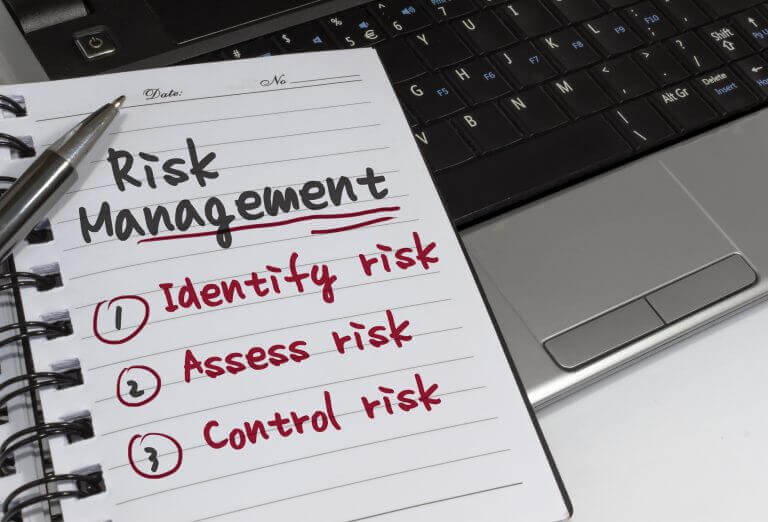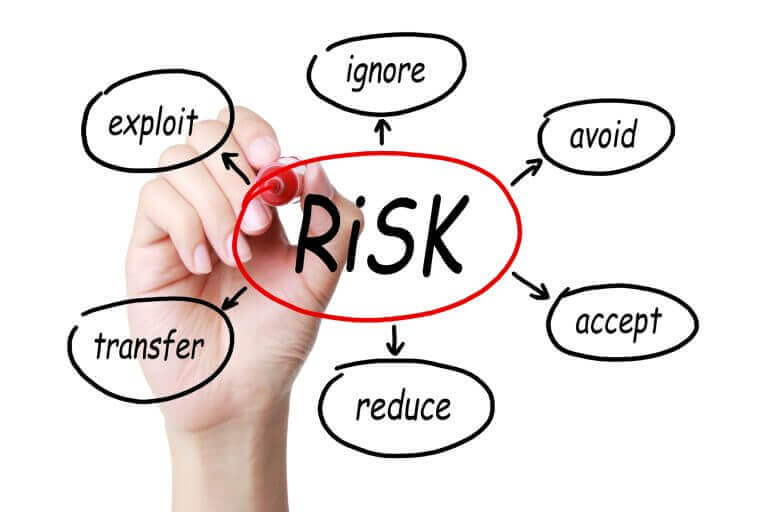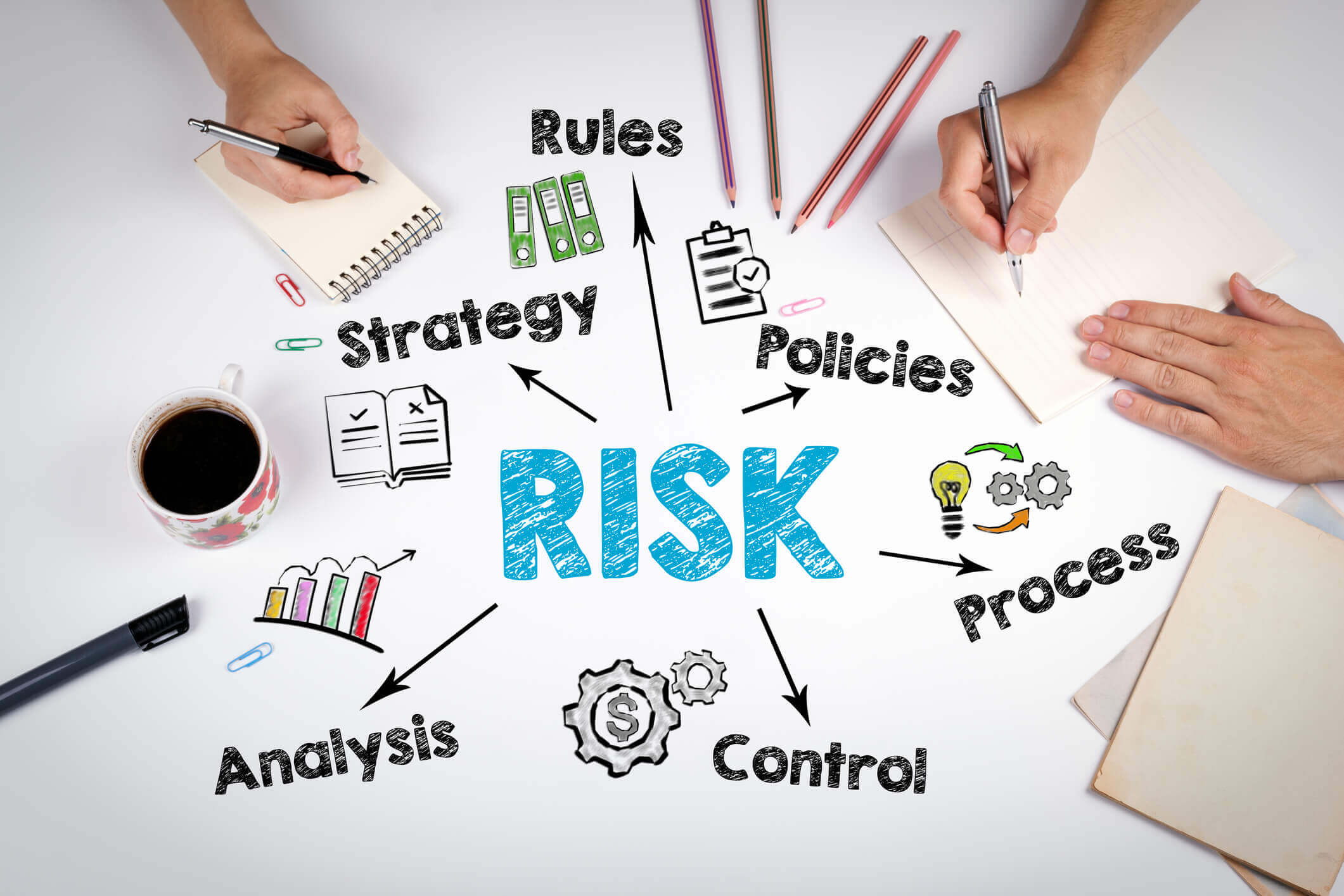
Risk assessment is a crucial process that enables you to identify, evaluate, and prioritize risks that could affect your organization’s objectives. It helps you to make informed decisions about how to manage those risks and implement controls to reduce or eliminate them. Completing a risk assessment matrix is one of the most effective ways to carry out risk assessment.
It provides a visual representation of the likelihood and impact of risks, which helps you to prioritize them and allocate resources appropriately.
To complete a risk assessment matrix, you need to have a good understanding of risk assessment and how it fits into your organization’s risk management framework. You also need to be prepared to invest time and effort in the process, as it requires careful evaluation of potential risks and consideration of their impact on your organization.
By following a structured approach and using appropriate tools and techniques, you can carry out an effective risk assessment that enables you to identify and manage risks that could affect your organization’s success.
Key Takeaways:
- Completing a risk assessment matrix is an effective way to identify, evaluate, and prioritize risks that could affect your organization’s objectives.
- To complete a risk assessment matrix, you need to have a good understanding of risk assessment, be prepared to invest time and effort, and use appropriate tools and techniques.
- The process involves careful evaluation of potential risks and consideration of their impact on your organization, enabling you to make informed decisions about how to manage risks and implement controls to reduce or eliminate them.
Understanding Risk Assessment
Risk assessment is a crucial process in any organisation’s Enterprise Risk Management (ERM) strategy. It involves identifying, evaluating, and prioritising potential risks to the organisation’s objectives. Completing a risk assessment matrix is an effective way to visualise and analyse the risks identified in the risk assessment process.
Defining Risk Assessment Matrix
A risk assessment matrix is a tool used to evaluate risks based on their likelihood and impact. It is a grid that combines the likelihood and impact of a risk to determine its severity. The likelihood and impact are rated on a scale of low, medium, and high. The likelihood represents the probability of the risk occurring, while the impact represents the consequences of the risk.
The matrix is divided into a grid with the likelihood on one axis and the impact on the other. The severity of the risk is then determined by the intersection of the likelihood and impact ratings. The risk can be classified as low, medium, or high severity based on the severity rating.
Importance of Risk Assessment in ERM
Completing a risk assessment is an essential part of any organisation’s ERM strategy. It helps identify potential risks that could impact the organisation’s objectives and allows for the development of a risk management plan to mitigate those risks. The risk assessment process also helps organisations prioritise risks based on their severity and allocate resources accordingly.
By completing a risk assessment matrix, organisations can visualise the risks identified in the risk assessment process and better understand the potential impact of those risks. This allows for more informed decision-making and helps ensure that the organisation’s objectives are protected.
In summary, completing a risk assessment matrix is an effective way to visualise and analyse the risks identified in the risk assessment process. It is an essential part of any organisation’s ERM strategy and allows for the development of a risk management plan to mitigate potential risks. By prioritising risks based on their severity, organisations can allocate resources effectively and ensure that their objectives are protected.
Preparing for Risk Assessment
Before you begin the process of risk assessment, it’s important to prepare yourself and your team. This will ensure that the assessment is carried out effectively and efficiently. Here are some steps to take when preparing for risk assessment:
Identifying Hazards and Risks
The first step in preparing for risk assessment is to identify all the hazards and risks that are present in your workplace or project. Hazards are anything that has the potential to cause harm, such as chemicals, machinery, or working at heights. Risks are the likelihood and severity of harm occurring. To identify hazards and risks, you should conduct a thorough inspection of the workplace or project area. You can also consult with employees, supervisors, and safety representatives to identify any potential hazards or risks.
Once you have identified the hazards and risks, you should assess the likelihood and severity of harm occurring. This will help you determine which hazards and risks are the most significant and require immediate attention. You can use a risk assessment matrix to help you assess the likelihood and severity of harm.
Determining Who Might Be Harmed
The next step in preparing for risk assessment is to determine who might be harmed by the hazards and risks. This includes employees, contractors, visitors, and members of the public. You should consider how each group might be affected and how severe the harm could be. For example, employees who work with machinery may be at higher risk of injury than those who work in an office.
Once you have identified who might be harmed, you should take steps to eliminate or control the hazards and risks. This may include implementing safety procedures, providing personal protective equipment, or modifying the workplace or project area.
By taking these steps to prepare for risk assessment, you can ensure that the assessment is carried out effectively and that all hazards and risks are identified and controlled.
Evaluating Risks
When completing a risk assessment matrix, it is essential to evaluate the risks involved. This involves assessing the likelihood and impact of each risk, which can then be used to determine the risk rating.
Assessing Likelihood and Impact
Assessing the likelihood and impact of each risk involves considering the probability of the risk occurring and the severity of the consequences if it does. The likelihood of a risk can be rated as unlikely, possible, or likely. The impact of a risk can be rated as minor, moderate, major, or severe.
To assess the likelihood and impact of a risk, you should consider the following:
- The likelihood of the risk occurring based on past experiences, industry standards, and expert knowledge.
- The severity of the consequences if the risk occurs, including the potential impact on people, the environment, and the business.
Risk Rating and Matrix Usage
Once you have assessed the likelihood and impact of each risk, you can use this information to determine the risk rating. The risk rating is the product of the likelihood and impact ratings.
For example, if a risk has a likelihood rating of possible and an impact rating of major, the risk rating would be moderate.
The risk rating can then be used to determine the position of the risk on the risk matrix. The risk matrix is a tool that helps to visualise the risks involved and prioritise them based on their risk rating.
The risk matrix is typically divided into four quadrants, with the risks in the top right quadrant being the highest priority. These are the risks that are both likely to occur and have severe consequences.
In summary, when completing a risk assessment matrix, it is important to assess the likelihood and impact of each risk and use this information to determine the risk rating. The risk rating can then be used to position the risks on the risk matrix and prioritise them based on their severity.
Risk Treatment
After identifying and assessing the risks, the next step is to develop a risk treatment plan. This plan outlines the control measures that will be put in place to mitigate or avoid the risks. The risk treatment plan should also include a risk response plan to manage any residual risks that cannot be eliminated.
Deciding on Control Measures
When deciding on control measures, you should consider the following:
- The effectiveness of the control measure in reducing the risk
- The cost of implementing the control measure
- The impact of the control measure on other areas of the project or business
- The feasibility of implementing the control measure
It is important to choose control measures that are effective in reducing the risk to an acceptable level. Control measures can include engineering controls, administrative controls, and personal protective equipment (PPE).
Creating a Risk Response Plan
A risk response plan outlines the actions that will be taken if a risk event occurs. The risk response plan should include the following:
- The trigger for the risk event
- The actions that will be taken to manage the risk event
- The resources that will be required to manage the risk event
- The person or team responsible for managing the risk event
The risk response plan should be developed for each identified risk event. The plan should be reviewed and updated regularly to ensure that it remains relevant and effective.
In summary, the risk treatment plan is a crucial component of the risk management process. It outlines the control measures that will be put in place to mitigate or avoid the risks. The risk response plan outlines the actions that will be taken if a risk event occurs. By developing an effective risk treatment plan, you can reduce the likelihood and impact of risks on your project or business.
Implementing Controls
Once you have identified the risks and their likelihood, the next step is to implement controls to reduce or eliminate the risks. This is an important part of the risk management plan and helps ensure that the risks are controlled effectively.
Taking Further Action
Sometimes, the controls that you put in place will not be enough to eliminate the risk entirely. In these cases, you may need to take further action to ensure that the risk is controlled. This could include implementing additional controls or changing the way that the work is done.
When taking further action, it is important to consider the impact that this will have on the project and the people involved. You should also consider the cost of implementing these controls and whether they are feasible.
Monitoring and Review
Once you have implemented controls, it is important to monitor and review them regularly to ensure that they are effective. This will help you identify any issues or problems with the controls and take action to address them.
Monitoring and review should be an ongoing process throughout the project. You should also review the risk assessment matrix periodically to ensure that it is still relevant and up-to-date.
Internal controls are an important part of the monitoring and review process. These controls help ensure that the risk assessment matrix is followed and that the controls are effective. It is important to have a system in place to monitor and review the controls and ensure that they are being followed.
In conclusion, implementing controls is an important part of the risk management plan. It helps control the risks and ensure that the project is completed safely and successfully. By taking further action and monitoring and reviewing the controls, you can ensure that they are effective and that the risk assessment matrix is followed.
Risk Assessment Documentation
When it comes to risk assessment, documentation is essential. It helps you keep track of the risks you have identified, the likelihood and impact of each risk, and the actions you have taken to mitigate those risks. In this section, we will discuss how to document your risk assessment using a risk assessment template or form.
Utilising a Risk Assessment Template
A risk assessment template is a pre-designed document that helps you identify and evaluate potential risks. It typically includes sections for identifying the risk, assessing the likelihood and impact of the risk, and developing a plan for mitigating the risk. By using a risk assessment template, you can ensure that you are taking a systematic approach to risk assessment and that you are not overlooking any potential risks.
When using a risk assessment template, be sure to customize it to your specific needs. Not all risks are the same, and your template should reflect the unique risks associated with your business or project. You may also want to include additional sections or fields to capture information that is relevant to your specific situation.
Maintaining Records
Once you have completed your risk assessment, it is important to maintain records of your findings. This includes keeping a copy of the risk assessment template or form, as well as any supporting documentation such as risk analysis reports or action plans.
By maintaining records of your risk assessment, you can demonstrate that you have taken a systematic approach to risk management. This can be important for regulatory compliance, insurance purposes, or simply for your own peace of mind.
In conclusion, documentation is a crucial part of the risk assessment process. By using a risk assessment template and maintaining records of your findings, you can ensure that you are taking a systematic approach to risk management and that you are prepared to respond to potential risks.
Integrating Risk Assessment with Business Processes
When it comes to completing a risk assessment matrix, it’s important to integrate risk assessment with business processes. This will help you to identify risks and mitigate them in a way that is tailored to your organisation’s specific needs. Here are some ways you can integrate risk assessment with your business processes:
Linking with Strategic Planning
One way to integrate risk assessment with your business processes is to link it with your strategic planning. This means that you should identify the strategic risks that your organisation faces and incorporate them into your risk assessment matrix. By doing this, you can ensure that your risk assessment is aligned with your organisation’s overall strategy and that you are addressing the risks that are most critical to your success.
Incorporating into Project Management
Another way to integrate risk assessment with your business processes is to incorporate it into your project management. This means that you should identify the project risks that your organisation faces and incorporate them into your risk assessment matrix. By doing this, you can ensure that your risk assessment is tailored to the specific needs of your projects and that you are addressing the risks that are most critical to their success.
Incorporating risk assessment into your decision-making process is also important. By doing so, you can ensure that you are making informed decisions that take into account the risks that your organisation faces. This will help you to avoid making decisions that could have negative consequences for your organisation.
Overall, integrating risk assessment with your business processes is essential for effective risk management. By doing so, you can identify and mitigate risks in a way that is tailored to your organisation’s specific needs. This will help you to make informed decisions and ensure that your organisation is well-positioned for success.
Advanced Risk Assessment Techniques
When assessing risks, there are two main techniques used: quantitative and qualitative analysis. Both techniques are important and have their own advantages and disadvantages.
Quantitative Analysis
Quantitative analysis is a technique that uses numerical data to assess risks. This technique is useful when you have a lot of data and need to make precise calculations. To use this technique, you need to have a good understanding of statistics and data analysis.
One way to use quantitative analysis in risk assessment is to assign a numerical value to each risk category. This value can be based on the likelihood of the risk occurring and the impact it would have if it did occur. You can then use these values to prioritize risks and determine which ones are the most important to address.
Qualitative Analysis
Qualitative analysis is a technique that uses non-numerical data to assess risks. This technique is useful when you don’t have a lot of data or when you need to make subjective judgments. To use this technique, you need to have a good understanding of the risk categories and how they relate to your organisation.
One way to use qualitative analysis in risk assessment is to prioritize risks based on their severity. This can be done by assigning each risk a colour code, such as red for high risk, yellow for medium risk, and green for low risk. This helps you quickly identify which risks need the most attention.
In summary, both quantitative and qualitative analysis techniques are important in risk assessment. Depending on the situation, one technique may be more appropriate than the other. By understanding these techniques, you can better assess risks and make informed decisions to protect your organisation.
Risk Assessment in Specialised Contexts
When it comes to risk assessment, it is important to consider the specific context in which the assessment is taking place. Different contexts will have unique risks that need to be addressed. In this section, we will explore how to complete a risk assessment matrix in specialised contexts.
Assessing Financial and Operational Risks
If you are assessing financial and operational risks, it is important to identify the potential risks that could impact your business. These risks can include things like fraud, theft, and operational errors. To assess these risks, you should consider the likelihood of the risk occurring and the potential impact it could have on your business.
One way to assess financial and operational risks is to create a risk matrix. This matrix should include a list of potential risks, the likelihood of the risk occurring, and the potential impact it could have on your business. You can then assign a score to each risk based on its likelihood and impact. This will help you prioritise your risk management efforts and focus on the risks that are most likely to occur and have the greatest impact.
Addressing External and Project-Specific Risks
External and project-specific risks can also be a concern for businesses. External risks can include things like changes in regulations, natural disasters, and economic downturns. Project-specific risks can include things like delays in project timelines, budget overruns, and quality issues.
To assess external and project-specific risks, you should consider the potential impact these risks could have on your business and the likelihood of them occurring. You can then create a risk matrix that includes these risks and assign a score to each risk based on its likelihood and impact. This will help you prioritise your risk management efforts and focus on the risks that are most likely to occur and have the greatest impact.
When assessing external and project-specific risks, it is important to consider the potential impact on your business operations. For example, a data breach could have a significant impact on your business’s reputation and customer trust. To mitigate this risk, you should ensure that your business has proper data security measures in place and that all employees are trained on how to handle sensitive information.
In conclusion, assessing risk in specialised contexts requires a thorough understanding of the unique risks that could impact your business. By creating a risk matrix that considers the likelihood and impact of each risk, you can prioritise your risk management efforts and focus on the risks that are most likely to occur and have the greatest impact.
Continual Improvement of Risk Assessment
Conducting regular internal audits is essential to ensure that your risk assessment process is effective and up-to-date. This process involves reviewing the risk assessment matrix and identifying any areas that require improvement. For example, if you identify that there are too many high-risk areas, you may need to adjust the criteria used to assess risk. Alternatively, if you identify that there are too many low-risk areas, you may need to review your risk appetite and tolerance levels.
Engaging in brainstorming sessions is another effective way to improve your risk assessment process. Brainstorming sessions can help you identify new risks and potential mitigation strategies that you may not have considered previously. This process involves bringing together a team of experts from different areas of your enterprise and encouraging them to share their ideas and perspectives.
During the brainstorming session, you can use a variety of techniques to help generate ideas. For example, you can use a SWOT analysis to identify your enterprise’s strengths, weaknesses, opportunities, and threats. You can also use a mind map to help you visualize the relationships between different risks and potential mitigation strategies.
It is essential to recognise that the risk assessment process is not a one-off exercise. Instead, it is an ongoing process that requires continual improvement. By conducting regular internal audits and engaging in brainstorming sessions, you can ensure that your risk assessment process remains effective and up-to-date. This approach will help you identify and mitigate high-risk areas while ensuring that you are not overly cautious in low-risk areas.
Common Challenges and Solutions
Dealing with Complexity and Uncertainty
One of the biggest challenges in completing a risk assessment matrix is dealing with the complexity and uncertainty of the risk management process. This is especially true when it comes to assessing vulnerabilities and potential incidents that may arise.
To overcome this challenge, it is important to break down the risk management process into smaller, more manageable steps. This can be done by creating a list of potential vulnerabilities and incidents, and then assessing the likelihood and potential impact of each one. By breaking down the process in this way, you can gain a better understanding of the risks involved and develop a more accurate risk assessment matrix.
Another solution to dealing with complexity and uncertainty is to involve a team of experts in the risk assessment process. This can include individuals with expertise in fraud risk, incident response, and frequency analysis. By bringing together a diverse group of experts, you can gain a better understanding of the risks involved and develop a more comprehensive risk assessment matrix.
Overcoming Compliance Issues
Another common challenge when completing a risk assessment matrix is overcoming compliance issues. This can include issues related to regulatory compliance, internal policies and procedures, and legal requirements.
To overcome compliance issues, it is important to stay up to date on the latest regulations and requirements related to risk management. This can be done by regularly reviewing internal policies and procedures, attending training sessions, and consulting with legal experts.
Another solution to overcoming compliance issues is to work closely with internal stakeholders to ensure that everyone is on the same page when it comes to risk management. This can include conducting regular training sessions, creating clear communication channels, and developing a culture of risk awareness and responsibility.
By taking a proactive approach to risk management and working closely with internal stakeholders, you can overcome compliance issues and develop a more effective risk assessment matrix.
Frequently Asked Questions
What are the essential steps involved in conducting a risk assessment?
To conduct a risk assessment, you need to follow these essential steps:
- Identify the hazards or potential risks associated with the task, activity, or process.
- Determine the likelihood and consequences of the identified risks.
- Evaluate the risks and prioritize them based on their level of severity.
- Develop and implement control measures to mitigate the risks.
- Monitor and review the effectiveness of the control measures.
How can one effectively utilise a risk assessment matrix template?
A risk assessment matrix template is an effective tool that can be used to evaluate risks. To use it effectively, you need to follow these steps:
- Identify the hazards or potential risks associated with the task, activity, or process.
- Determine the likelihood and consequences of the identified risks.
- Plot the risks on the matrix to determine the level of risk.
- Evaluate the risks and prioritize them based on their level of severity.
- Develop and implement control measures to mitigate the risks.
- Monitor and review the effectiveness of the control measures.
What is the method for calculating risk using the probability and severity formula?
The probability and severity formula is a widely used method for calculating risk. To calculate the risk using this formula, you need to:
- Determine the probability of the risk occurring.
- Determine the severity of the consequences if the risk occurs.
- Multiply the probability by the severity to get the risk score.
- Evaluate the risk score to determine the level of risk.
Could you outline the process for developing a risk control matrix?
To develop a risk control matrix, you need to follow these steps:
- Identify the hazards or potential risks associated with the task, activity, or process.
- Determine the likelihood and consequences of the identified risks.
- Plot the risks on the matrix to determine the level of risk.
- Evaluate the risks and prioritize them based on their level of severity.
- Develop and implement control measures to mitigate the risks.
- Monitor and review the effectiveness of the control measures.
- Update the matrix as necessary.
In what way does a 3×3 risk matrix aid in evaluating risks?
A 3×3 risk matrix is a simple and effective tool that can be used to evaluate risks. It aids in evaluating risks by:
- Providing an easy-to-understand visual representation of the risks.
- Prioritizing the risks based on their level of severity.
- Helping in the development of control measures to mitigate the risks.
What are the key considerations when selecting tools for risk assessment?
When selecting tools for risk assessment, you need to consider the following key factors:
- The type and complexity of the task, activity, or process being assessed.
- The level of expertise and training of the person conducting the assessment.
- The availability and accessibility of the tools.
- The cost and time required to use the tools.
- The accuracy and reliability of the tools.