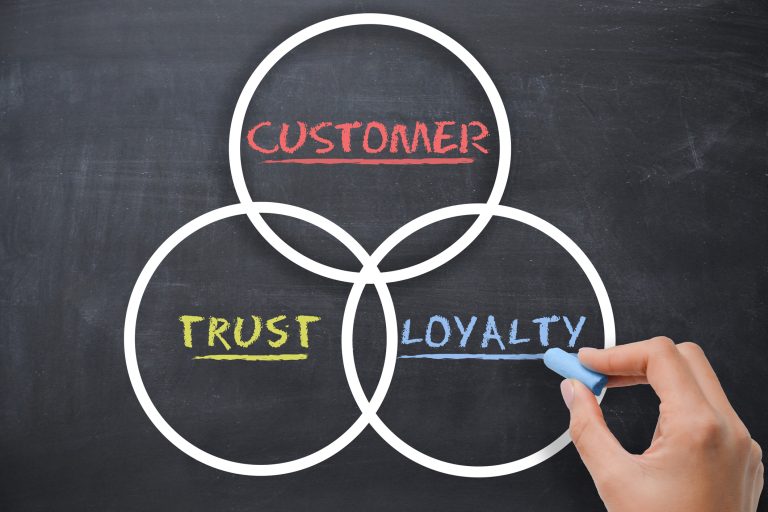
Maintaining customer loyalty is crucial for any business that wants to succeed in today’s competitive market. Loyal customers not only bring in repeat business, but they also act as brand ambassadors, spreading the word about your business to their friends and family. In this article, we will explore the various strategies that businesses can use to maintain customer loyalty.
Understanding customer loyalty is the first step towards maintaining it. Loyal customers are those who continue to do business with you even when there are other options available. They do so because they trust your brand and have had positive experiences with your products or services. It is important to note that customer loyalty is not just about repeat business, but also about emotional attachment to the brand. When customers feel a strong emotional connection to your brand, they are more likely to remain loyal.
To maintain customer loyalty, it is important to focus on providing excellent customer service. Customers want to feel valued and appreciated, and providing them with exceptional service is a great way to do so. Building trust through communication is another important aspect of maintaining customer loyalty. By keeping customers informed about new products or services, addressing their concerns in a timely manner, and being transparent about your business practices, you can build trust and strengthen your relationship with them.
Key Takeaways
- Customer loyalty is crucial for business success.
- Understanding customer loyalty is the first step towards maintaining it.
- Providing excellent customer service and building trust through communication are key strategies for maintaining customer loyalty.
Understanding Customer Loyalty
Maintaining customer loyalty is essential for any business that wants to retain its current customers. Customer loyalty is the degree to which a customer consistently purchases a product or service from a particular brand over time. It is the result of a positive experience that the customer has had with the brand, which has created an emotional connection that goes beyond just the product or service.
To understand customer loyalty, it is important to distinguish it from brand loyalty. While brand loyalty is the degree to which a customer consistently purchases a product or service from a particular brand, customer loyalty extends beyond just the product or service. It encompasses the customer’s overall experience with the brand, including customer service, product quality, and brand reputation.
Customer satisfaction is a key factor in building customer loyalty. When a customer is satisfied with a product or service, they are more likely to become loyal to the brand. Trust is also an important factor in building customer loyalty. When a customer trusts a brand, they are more likely to remain loyal to it.
Emotion plays a crucial role in customer loyalty. Customers who have an emotional connection with a brand are more likely to remain loyal to it. Emotional connections can be created through various means, such as personalised experiences, excellent customer service, and consistent product quality.
In conclusion, understanding customer loyalty is essential for maintaining a successful business. Customer loyalty is the result of a positive experience that a customer has had with a brand, which has created an emotional connection that goes beyond just the product or service. By focusing on customer satisfaction, trust, and emotional connections, businesses can build and maintain customer loyalty.
Importance of Customer Service
Maintaining customer loyalty is crucial for any business, and customer service plays a vital role in achieving this goal. Exceptional customer service can help create a positive service experience, which can lead to customer loyalty. In this section, we will discuss the importance of customer service and how it can help you maintain customer loyalty.
Delivering Exceptional Service
Delivering exceptional service is the cornerstone of maintaining customer loyalty. When customers receive excellent service, they are more likely to return to your business and recommend it to others. It is important to ensure that your customer service team is knowledgeable, confident, and able to provide prompt and effective support.
To deliver exceptional service, you should focus on the following:
- Listening to your customers and understanding their needs
- Responding to customer queries promptly and efficiently
- Providing accurate and relevant information to customers
- Being polite, friendly, and professional at all times
- Going above and beyond to exceed customer expectations
Proactive Support
Proactive support is another essential aspect of maintaining customer loyalty. Rather than waiting for customers to contact you with a problem, you should be proactive in identifying and resolving issues before they become a problem. This can help improve the overall service experience and demonstrate your commitment to customer satisfaction.
To provide proactive support, you should focus on the following:
- Monitoring customer feedback and reviews to identify potential issues
- Anticipating customer needs and providing relevant information or support
- Offering self-service options, such as FAQs or tutorials, to help customers resolve issues on their own
- Regularly updating your customers on the status of their queries or issues
- Following up with customers to ensure that their issues have been resolved to their satisfaction
In conclusion, exceptional customer service and proactive support are essential for maintaining customer loyalty. By focusing on these areas, you can create a positive service experience and demonstrate your commitment to customer satisfaction.
Building Trust Through Communication
Maintaining customer loyalty requires building trust with your customers. One of the most effective ways to do this is through communication. When you communicate with your customers, you show them that you care about their needs and are committed to meeting them. In this section, we will discuss two key aspects of building trust through communication: transparency and utilising social media platforms.
Transparency in Communication
Transparency is a crucial component of building trust with your customers. When you are transparent in your communication, you show your customers that you have nothing to hide and that you are committed to being honest with them. This means being open and honest about your products, services, and business practices.
To be transparent in your communication, you should consider the following:
- Be clear and concise in your messaging
- Provide accurate information
- Be responsive to customer inquiries and feedback
- Admit mistakes when they happen and take steps to rectify them
By being transparent in your communication, you can build a strong relationship with your customers based on trust and honesty.
Utilising Social Media Platforms
Social media platforms provide an excellent opportunity to communicate with your customers and build trust with them. By using social media, you can engage with your customers, respond to their inquiries and feedback, and provide them with valuable information about your products and services.
When utilising social media platforms, consider the following:
- Choose the right platforms for your business
- Be consistent in your messaging and branding
- Engage with your customers regularly
- Provide valuable content that is relevant to your customers
- Use social media to address customer complaints and concerns
By utilising social media platforms effectively, you can build a strong online presence and communicate with your customers in a way that builds trust and loyalty.
In conclusion, building trust through communication is essential for maintaining customer loyalty. By being transparent in your communication and utilising social media platforms effectively, you can build a strong relationship with your customers based on trust and honesty.
Customer Loyalty Programs
Customer loyalty programs are a popular way to retain customers and encourage repeat business. By offering rewards, perks, and other incentives, you can keep your customers engaged and coming back for more. In this section, we’ll explore the benefits of loyalty programs and how to implement a tiered loyalty program.
Benefits of Loyalty Programs
Loyalty programs can be incredibly effective at retaining customers and increasing sales. Here are some of the benefits of implementing a customer loyalty program:
- Increased customer retention: Customers are more likely to continue doing business with you if they feel valued and appreciated. A loyalty program can help you build a stronger relationship with your customers and keep them coming back.
- Higher customer spend: Customers who are part of a loyalty program tend to spend more money per transaction than those who aren’t. By offering rewards and other incentives, you can encourage customers to spend more with your business.
- Improved customer satisfaction: A well-designed loyalty program can improve customer satisfaction by making customers feel appreciated and valued. This can lead to positive reviews, word-of-mouth referrals, and increased brand loyalty.
- Valuable customer data: A loyalty program can provide you with valuable data about your customers, including their spending habits, preferences, and demographics. This data can help you make more informed business decisions and tailor your marketing efforts to better reach your target audience.
Implementing a Tiered Loyalty Program
A tiered loyalty program is a type of loyalty program that offers different rewards and perks based on a customer’s level of engagement. Here’s how to implement a tiered loyalty program:
- Define your tiers: Decide how many tiers you want to have and what rewards and perks will be offered at each level. Make sure that the rewards and perks are valuable enough to incentivize customers to move up to the next tier.
- Establish a point system: You’ll need to establish a point system that customers can use to move up the tiers. For example, customers might earn one point for every pound they spend with your business. Once they reach a certain number of points, they’ll move up to the next tier.
- Communicate with your customers: Make sure that your customers are aware of your loyalty program and how it works. You can do this through email, social media, or in-store signage.
- Track your results: Keep track of how many customers are participating in your loyalty program, how many points they’re earning, and how often they’re redeeming rewards. Use this data to make adjustments to your program as needed.
By implementing a tiered loyalty program, you can incentivize customers to spend more with your business, while also building stronger relationships with them. Just be sure to track your results and make adjustments as needed to ensure that your program is as effective as possible.
Leveraging Customer Feedback
Maintaining customer loyalty is essential for any business to succeed. One way to achieve this is by leveraging customer feedback. By listening to your customers and acting on their feedback, you can improve their experience, increase their satisfaction, and ultimately retain their loyalty.
Customer Surveys
One effective way to gather customer feedback is through surveys. Surveys allow you to ask specific questions about your products, services, and customer experience. They provide valuable insights into what your customers like and dislike about your business, and what you can do to improve.
When creating a survey, make sure to keep it short and to the point. Avoid asking too many questions or using complex language. Use clear and concise questions that are easy to understand and answer. You can also offer incentives, such as discounts or freebies, to encourage customers to participate.
Once you have collected the data, analyse it carefully. Look for patterns and trends in the responses, and use this information to make informed decisions about how to improve your business. Share the results with your team and use them as a basis for action.
Online Reviews and Testimonials
Another way to gather customer feedback is through online reviews and testimonials. These are powerful tools that can influence potential customers and help build trust in your brand. Positive reviews and testimonials can also be used as marketing material to attract new customers.
Make it easy for customers to leave reviews and testimonials by providing links on your website and social media pages. Respond to both positive and negative reviews in a timely and professional manner. Use negative feedback as an opportunity to learn and improve.
When using online reviews and testimonials as marketing material, be transparent and honest. Do not edit or manipulate reviews to make them sound more positive. Instead, use them as they are, and respond to any negative feedback with a plan for improvement.
In conclusion, leveraging customer feedback is an effective way to maintain customer loyalty. By using surveys, online reviews, and testimonials, you can gather valuable insights into what your customers want and need. Use this information to improve your business and retain their loyalty.
Strategies for Customer Retention
As a business owner, maintaining customer loyalty is essential to the growth and success of your business. A high customer retention rate means more repeat business, positive word-of-mouth advertising, and increased revenue. In this section, we’ll explore some effective strategies for customer retention.
Personalised Customer Experiences
One of the most effective ways to retain customers is by providing personalized experiences. Customers want to feel valued and appreciated, and personalizing their experience with your brand can go a long way in achieving this. Some ways to provide personalized experiences include:
- Addressing customers by name in communications
- Offering personalized recommendations based on their previous purchases or browsing history
- Providing tailored content, such as relevant blog posts or product suggestions
By providing a personalized experience, you can make your customers feel valued and increase their loyalty to your brand.
Incentives and Special Offers
Another effective strategy for customer retention is offering incentives and special offers. Customers love feeling like they’re getting a good deal, and offering discounts or rewards can help keep them coming back. Some examples of incentives and special offers include:
- Loyalty programs that reward customers for repeat purchases
- Free shipping or other perks for loyal customers
- Discounts on future purchases for leaving a review or referring a friend
By offering incentives and special offers, you can encourage customers to continue doing business with you and increase their loyalty to your brand.
In conclusion, providing personalized experiences and offering incentives and special offers are two effective strategies for maintaining customer loyalty. By implementing these strategies, you can increase your customer retention rate and build a strong, loyal customer base.
Role of Employees in Customer Loyalty
Your employees are the face of your brand and play a crucial role in maintaining customer loyalty. They are the ones who interact with your customers on a daily basis, and they can make or break the customer experience. Therefore, it is important to ensure that your employees are well-trained, knowledgeable, and motivated to provide excellent customer service.
One way to ensure that your employees are motivated is to make them feel like they are part of your brand. When your employees feel like they are part of the team, they are more likely to go above and beyond for your customers. You can achieve this by providing them with the necessary tools, resources, and training to do their job effectively.
Another way to motivate your employees is to recognise and reward their efforts. This can be done through incentives such as bonuses, promotions, and employee of the month awards. When your employees feel valued, they are more likely to provide excellent customer service and maintain customer loyalty.
Your employees are also your brand ambassadors. They represent your brand both inside and outside of the workplace. Therefore, it is important to ensure that they are knowledgeable about your brand and its values. This will help them to communicate your brand message effectively to your customers.
In conclusion, your employees play a vital role in maintaining customer loyalty. By providing them with the necessary tools, resources, and training, recognising and rewarding their efforts, and ensuring that they are knowledgeable about your brand, you can create a team of motivated brand ambassadors who will go above and beyond to provide excellent customer service.
Data-Driven Approach to Customer Loyalty
Maintaining customer loyalty is crucial for any business to succeed in the long run. One of the most effective ways to achieve this is through a data-driven approach. By leveraging customer data, you can gain valuable insights into their behaviour, preferences, and needs. This information can then be used to create personalised experiences that keep customers coming back for more.
Understanding Customer Data
To effectively utilise customer data, you first need to understand what it is and how to collect it. Customer data is any information that you gather about your customers, such as their name, contact details, purchase history, and preferences. This data can be collected through various channels, including surveys, social media, and website analytics.
Once you have collected customer data, you can use it to gain insights into their behaviour. For example, you can identify which products or services are most popular, which channels customers prefer to use, and what factors influence their purchasing decisions. By understanding these insights, you can tailor your marketing and sales strategies to better meet their needs.
Utilising CRM for Customer Loyalty
Customer relationship management (CRM) is a powerful tool for maintaining customer loyalty. A data platform that centralises customer data, CRM systems enable you to automate and streamline your customer interactions. This can significantly improve efficiency and reduce the risk of errors or oversights.
One of the key benefits of CRM is that it allows you to personalise your interactions with customers. By storing customer data in a centralised location, you can easily access information about their preferences and past interactions. This enables you to create tailored marketing campaigns, offer personalised recommendations, and provide exceptional customer service.
In conclusion, a data-driven approach is essential for maintaining customer loyalty. By leveraging customer data and utilising CRM systems, you can gain valuable insights into their behaviour and preferences. This information can then be used to create personalised experiences that keep customers coming back for more.
Brand Identity and Values
Your brand identity and values are crucial for maintaining customer loyalty. Your brand identity is how your customers perceive your brand, while your brand values are the guiding principles that define your brand’s purpose and mission. In this section, we will discuss how to communicate your brand values and build a community around your brand.
Communicating Your Brand Values
To maintain customer loyalty, you need to communicate your brand values effectively. Your brand values should be reflected in all aspects of your business, from your products and services to your marketing and customer service. You can communicate your brand values through:
- Your website: Your website is the face of your business, and it should reflect your brand values. Use your website to communicate your brand values through your mission statement, about page, and product descriptions.
- Social media: Social media is a powerful tool for communicating your brand values. Use your social media channels to share your brand values through posts, images, and videos.
- Advertising: Your advertising should reflect your brand values. Use your advertising to communicate your brand values through your messaging and visuals.
Building a Community Around Your Brand
Building a community around your brand is another effective way to maintain customer loyalty. A community forum can provide a platform for your customers to engage with your brand and each other. Here are some tips for building a community around your brand:
- Create a community forum: Create a community forum where your customers can ask questions, share feedback, and connect with each other.
- Encourage engagement: Encourage engagement by asking questions, starting discussions, and responding to your customers’ comments and feedback.
- Reward loyalty: Reward your loyal customers by offering exclusive discounts, early access to new products, and other perks.
- Be transparent: Be transparent with your community by sharing your brand values, mission, and goals.
In conclusion, your brand identity and values are essential for maintaining customer loyalty. Communicate your brand values effectively through your website, social media, and advertising, and build a community around your brand to encourage engagement and reward loyalty.
Impact of Customer Loyalty on Business Growth
Customer loyalty is a crucial element for the growth and success of any business. Loyal customers are more likely to continue to do business with you, refer others to your business, and even pay more for your products or services. In this section, we will explore the impact of customer loyalty on business growth.
Boosting Profits Through Customer Loyalty
One of the most significant benefits of customer loyalty is the boost it provides to your profits. Loyal customers are more likely to make repeat purchases, which can significantly increase your revenue. Additionally, loyal customers are more likely to purchase higher-priced products or services, boosting your profits even further.
Furthermore, loyal customers are less likely to be price-sensitive, meaning they are less likely to switch to a competitor simply because of a lower price. This allows you to maintain your prices and increase your profit margins, resulting in even greater profits.
Customer Loyalty and Revenue Growth
Customer loyalty also has a direct impact on revenue growth. Loyal customers are more likely to refer others to your business, resulting in new customers and increased revenue. Additionally, loyal customers are more likely to provide positive reviews and testimonials, which can attract even more customers.
Moreover, customer loyalty can increase the customer lifetime value (CLV) of each customer. CLV is the total amount of money a customer is expected to spend on your products or services during their lifetime. Loyal customers tend to have a higher CLV, as they are more likely to make repeat purchases and purchase higher-priced products or services.
In conclusion, customer loyalty is a crucial element for the growth and success of any business. By boosting profits and revenue growth, increasing CLV, and providing other benefits, customer loyalty can have a significant impact on your business. Therefore, it is essential to focus on maintaining customer loyalty and providing excellent customer service to ensure continued growth and success.
Frequently Asked Questions
What are some effective customer loyalty strategies?
There are several strategies that businesses can use to maintain customer loyalty. One approach is to offer rewards programs that incentivise customers to continue purchasing from the company. Another effective strategy is to provide excellent customer service, which can help build trust and establish a positive reputation. Additionally, companies can create a sense of community around their brand by engaging with customers on social media and hosting events.
What are some examples of brands with strong customer loyalty?
There are many brands that have successfully built strong customer loyalty. Apple, for example, has a dedicated following of customers who purchase their products time and time again. Amazon is another brand that has built a loyal customer base through its convenient and reliable service. Other examples include Nike, Starbucks, and Coca-Cola.
How can you improve customer satisfaction to increase loyalty?
Improving customer satisfaction is key to maintaining customer loyalty. One way to do this is to ensure that your products or services meet or exceed customer expectations. Another approach is to solicit feedback from customers and use that feedback to make improvements. Providing excellent customer service is also crucial, as it can help resolve any issues that customers may have and create a positive experience.
What factors contribute to customer loyalty?
Several factors contribute to customer loyalty, including product quality, customer service, brand reputation, and convenience. Customers are more likely to remain loyal to a company if they feel that the company values their business and provides a positive experience. Additionally, customers may be more likely to remain loyal if they feel a sense of connection to the brand or if they receive exclusive benefits or rewards.
What are the stages of building customer loyalty?
There are several stages to building customer loyalty. The first stage is awareness, where customers become aware of the brand and its products or services. The second stage is a consideration, where customers begin to consider purchasing from the brand. The third stage is the purchase, where customers make their first purchase. The fourth stage is retention, where the brand works to retain the customer’s business. The final stage is advocacy, where the customer becomes a loyal advocate for the brand and shares their positive experiences with others.
How can you manage and maintain customer loyalty over time?
Managing and maintaining customer loyalty requires ongoing effort and attention. One approach is to continue providing excellent customer service and ensuring that your products or services meet or exceed customer expectations. Additionally, companies should regularly communicate with their customers and solicit feedback to identify areas for improvement. Offering rewards programs and exclusive benefits can also help maintain customer loyalty over time.