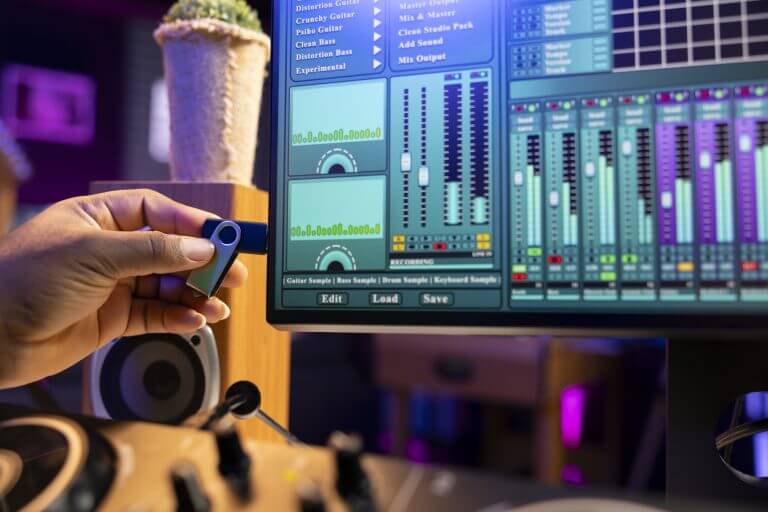
Sound editing plays a crucial role in how stories are told. Well-edited sound can enhance the emotional impact of a scene, making it more immersive and engaging for the audience. The quality of sound editing can determine whether viewers feel the tension in a thriller or the joy in a romantic scene. Mastering this skill allows you to use audio to support the narrative and create a lasting impression.
In film and media, sound editing is not just about cutting tracks; it’s about crafting a world that draws viewers in. Each sound, from dialogue to background noise, contributes to the atmosphere and depth of the storytelling experience. With effective sound editing, you can transform a simple scene into a dynamic moment that resonates.
As technology evolves, so too does the art of sound editing. Understanding its significance today prepares you for future innovations in storytelling. By embracing the technical and creative aspects of sound editing, you can elevate your projects and capture your audience’s attention like never before.
Key Takeaways
- Effective sound editing enhances the emotional impact of storytelling.
- A rich sound landscape creates a more immersive atmosphere for viewers.
- Mastering sound editing techniques is essential for future advancements in media.
The Role of Sound Editing in Storytelling
Sound editing plays a key part in storytelling by influencing the way audiences experience a narrative. It shapes the story’s flow, enhances emotional depth, and sets the mood, making it a vital component of audio production.
Crafting the Narrative
In storytelling, sound editing helps to craft the narrative by weaving together dialogue, sound effects, and music. You can cut, rearrange, or layer these elements to ensure coherence and clarity in the storyline.
Effective sound editing enhances the pacing, allowing crucial moments to resonate with the audience. For instance, carefully timed sound effects can draw attention to important plot points or transitions. This attention to detail ensures that your audience remains engaged and immersed in the story.
Enhancing Emotional Impact
Sound has a powerful effect on emotions. Through sound editing, you can amplify the emotional impact of key scenes. By selecting appropriate music and layering sound effects, you create a connection between the audience and the characters.
For instance, using a soft, melodic score during a tender moment can evoke feelings of love or sadness. Conversely, intense sound effects can heighten the tension during dramatic scenes. These choices guide your audience’s emotional responses, making the narrative more impactful.
Creating Atmosphere and Mood
The atmosphere and mood of a story are largely shaped by sound. You can use sound editing to create a specific environment, bringing scenes to life. Ambient sounds, such as birds chirping or waves crashing, help immerse the audience in the setting.
In addition, you can manipulate the volume and quality of sounds to evoke different moods. A heavy, rumbling sound can instil fear, while bright tones might suggest happiness. This careful curation of sound elements enriches the storytelling experience and transports your audience into the story’s world.
Technical Aspects of Sound Editing
Sound editing involves several detailed processes that enhance and refine audio for various media. Key elements include the editing process, sound mixing and mastering, and noise reduction techniques, each contributing to high-quality sound production.
The Editing Process
In the editing process, you begin by reviewing recorded audio tracks. This involves selecting the best takes and arranging them in a way that fits the desired flow of the project. You will need to trim clips, adjust timings, and ensure transitions are smooth.
Editing software allows you to cut and splice audio with precision. You can also apply basic effects like fading in or out, which helps maintain listener engagement. The use of EQ (equalisation) is crucial in this stage as it clarifies specific frequency ranges, making dialogues clearer and sounds more vibrant.
Sound Mixing and Mastering
Sound mixing blends multiple audio tracks into a final version. Here, you adjust levels, balance sound elements, and apply effects. This combines dialogue, music, and sound design into a cohesive piece. You might also use compression to even out volume levels, making quieter sounds more audible while controlling peaks.
Mastering follows mixing and ensures the final product sounds polished across different playback systems. You will focus on the overall loudness, frequency response, and tonal balance. You may also utilise audio effects, such as reverbs, to add depth to the sound, enhancing listener experience.
Noise Reduction Techniques
Noise reduction is vital to eliminate unwanted sounds that can distract from the main audio. Techniques like spectral editing allow you to identify and remove specific frequencies carrying noise. You can use dedicated software to isolate and reduce background noise.
Implementing filters helps further clean the audio. For instance, using a high-pass filter can remove low-frequency hums without affecting the clarity of dialogues. Ensuring a clean mix significantly increases the quality, making it more enjoyable for the audience. Employing these techniques enhances the overall listening experience in countless audio projects.
Sound Elements in Film Production
Sound plays a crucial role in film production. Understanding the different types of sound elements enhances the overall viewing experience. You need to consider diegetic sounds, the artistry of Foley, and the significance of dialogue and ADR. Each element contributes uniquely to the film’s soundscape.
Diegetic and Non-Diegetic Sounds
Diegetic sounds are those that originate within the film’s world. These sounds include dialogue, footsteps, and environmental noises. They can be heard by both the characters and the audience, making them essential for immersion.
Non-diegetic sounds, on the other hand, are not part of the film’s world. These include background music and voiceovers. They help set the mood or tone of a scene but are not perceived by the characters. Both types of sounds are critical for creating a rich and engaging audio experience.
The Importance of Foley Artistry
Foley artistry is the process of creating sound effects that are synchronised with the film. This involves recording everyday sounds, like footsteps or rustling clothes, in a studio setting. A Foley artist uses various props to reproduce these effects, adding realism to the visual elements.
Foley enhances immersion by filling in gaps that may not be captured during filming. Effective Foley work can make scenes feel more alive and dynamic. It’s an art that requires creativity and attention to detail, as the right sound can significantly affect a viewer’s emotional response.
Dialogue and ADR
Dialogue is a crucial sound element in film, conveying the characters’ thoughts and emotions. Clear dialogue helps the audience understand the story and connect with the characters. Ideally, this is captured during filming.
Sometimes, background noise or technical issues can affect audio quality. In these cases, ADR (Automated Dialogue Replacement) is used to re-record dialogue in post-production. This ensures that the conversation sounds natural and is free from distractions. By using ADR, you can maintain character consistency and enhance the overall audio experience.
Tools of the Trade
In sound editing, specific tools are essential for capturing and shaping audio. The right equipment can make a significant difference in the quality of your recordings. Below are crucial tools you need for effective sound editing.
Microphones and Field Recording
Microphones are your primary tool for capturing sound. Different types of microphones serve various purposes. Condenser microphones are ideal for studio recordings due to their sensitivity. In contrast, dynamic microphones are better suited for live sound and loud sources, such as instruments.
Field recording requires additional equipment, like portable recorders. These allow you to capture sounds in various environments. When selecting a microphone for field recording, consider factors like directionality and frequency response. A well-chosen microphone can significantly enhance the quality of your audio.
Audio Engineering Equipment
Audio engineering tools help you refine and manipulate recorded sound. Compressors are vital for controlling dynamic range. They help ensure that louder sounds do not overwhelm softer ones, creating a balanced audio mix.
In addition to compressors, you may use equalizers to adjust frequency levels. This allows you to enhance or reduce certain sounds in your recording. You may also require mixers, which enable you to combine multiple audio tracks seamlessly. Having quality audio engineering equipment ensures your recordings are polished and professional.
Software for Editing and Arranging
Editing and arranging software is critical for sound editing. Popular software options include Audacity, Pro Tools, and Adobe Audition. These programs offer various features like multi-track editing, effects processing, and arrangement capabilities.
You will need software that matches your skill level and project requirements. For beginners, Audacity is user-friendly and free. More advanced users may prefer Pro Tools for its comprehensive feature set. The right software allows you to manipulate recordings efficiently and creatively.
The Art of Sound Design
Sound design is crucial for creating an immersive experience in film, games, and other media. It involves developing a soundscape that complements the visuals while using music and sound effects to enrich the narrative.
Designing a Soundscape
When designing a soundscape, you aim to create an auditory environment that enhances the storytelling. This involves layering various audio elements, such as ambient sounds, dialogue, and sound effects.
Key components include:
- Ambience: Background noise that sets the scene, like birds chirping in a park or the hustle of a city.
- Foley: This is the recreation of everyday sound effects, like footsteps, to add realism.
- Spatialisation: Positioning sounds in a stereo or surround sound field to create a sense of depth and space.
As you put these together, you must consider how they interact. The right balance can make the audience feel tension, joy, or nostalgia.
Use of Music and Sound Effects
Music and sound effects play a critical role in shaping emotions. Music can guide viewers’ feelings, while sound effects (SFX) can punctuate actions or highlight specific moments.
Considerations for music and sound effects:
- Score: The musical background can signal important plot points and enhance emotional impact.
- Diegetic vs. Non-Diegetic: Diegetic sounds come from within the story (like a radio playing), while non-diegetic sounds are added for effect (like a suspenseful score).
- Timing and Synchronisation: The right sound effect at the right moment can amplify visual cues and make scenes more impactful.
By skillfully blending these audio elements, you engage the audience and deepen their connection to the story.
Realism and Immersive Experiences
Sound plays a crucial role in creating realism and enhancing immersive experiences in film, theatre, and virtual environments. By focusing on the specific elements of sound editing, you can significantly elevate the viewer’s emotional engagement and sense of presence.
Achieving Realism through Sound
To create a realistic sound environment, attention to detail is essential. You must consider factors like location-specific sounds and the nuances of acoustics. For example, a bustling city scene requires the sounds of traffic, chatter, and distant sirens.
Using ambisonic recordings can enhance this realism. These recordings capture sound from all directions, allowing for a more authentic representation of the environment. Positioning sounds accurately helps your audience feel as if they are part of the scene.
Incorporating dynamic range is also important. Quiet whispers contrast with loud noises, developing a more engaging soundscape that reflects the real world. Techniques like Foley, where everyday sounds are recreated, further enrich the auditory experience.
Crafting an Immersive Soundscape
An immersive soundscape goes beyond realism by enveloping your audience in a rich auditory experience. Creating ambience is key. Background sounds should complement the action without overpowering dialogue or primary sounds.
Layering various sound elements adds depth to the soundscape. For example, in a forest scene, include chirping birds, rustling leaves, and distant water sounds. This layering makes the environment feel more alive and dynamic.
Paying attention to the spatial placement of sounds can enhance immersion. Surround sound systems can create a 360-degree experience, allowing you to manipulate where sounds originate. This technique can make viewers feel like they are physically inside the scene, fully engaging their senses.
Production and Post-Production Workflow
Understanding the workflow between production and post-production is crucial for any project. This process ensures that every element, especially sound, is crafted for the best audience experience. You will need to focus on planning during pre-production and managing the timeline during post-production.
Pre-Production Planning
During pre-production, you should outline all aspects of your project. This includes creating a detailed script and planning your sound design. Consider the types of sounds you need, from dialogue to sound effects, which will guide your recording sessions.
Prepare a sound plan that identifies potential background noise and how to minimise it. Outline specific cuts and transitions between scenes, as these will affect how sound flows throughout your project. Collaborate with the sound team early to ensure everyone understands your vision for the audio.
Additionally, choose tools and equipment that will facilitate high-quality sound recording. Selecting the right microphones and sound mixers is essential to prevent issues down the line. Clear planning in this phase can save time during post-production.
The Post-Production Timeline
In post-production, managing your timeline efficiently is key to a successful project. Start by organising your audio files based on the pre-production sound plan. This will make it easier to locate and edit necessary sounds.
Once you gather your footage and audio, focus on sound editing. This involves cleaning up background noise and adjusting levels to create clarity. Effective sound mixing will bring harmony among dialogue, music, and effects.
Prepare for the necessary cuts and transitions to create smooth scene changes. Regularly review how these adjustments impact the overall flow of your film. Keep communication open with your team to ensure all audio elements align with the visual components, creating a cohesive final product.
The Future of Sound Editing
As technology advances, sound editing is set to evolve in significant ways. New tools and trends will shape how you create and manipulate audio for various media. Understanding these developments can enhance your skills and enable richer, more immersive experiences for audiences.
Emerging Technologies in Audio
You will see a rise in artificial intelligence (AI) in audio editing. AI tools can analyse and edit sound faster than traditional methods. This can save you time and ensure high-quality results.
Next, virtual reality (VR) and augmented reality (AR) are changing how sound is experienced. These technologies require precise sound placement to create a believable environment. As a sound editor, learning how to integrate sound with these technologies will be vital.
Additionally, 3D audio technology is gaining traction. This allows you to create more immersive soundscapes that surround the listener. Techniques like binaural recording can transport viewers into the scene, making sound editing even more critical in storytelling.
Evolving Trends in Sound for Media
Current trends indicate a shift towards more personalised audio experiences. This means you need to adapt sound design to cater for varied audience preferences, focusing on the emotional connection to sound.
In filmmaking, the use of location-specific sound is becoming increasingly popular. This ties the audio to the visual, enhancing the viewer’s experience. As an editor, you should focus on capturing authentic sound that resonates with the story being told.
Moreover, podcasts and new media are shaping sound editing skills. High-quality audio is now expected in audio storytelling. This calls for a strong grasp of editing methods, noise reduction, and sound mixing techniques.
As these trends unfold, keeping your skills updated will help you thrive in the ever-changing landscape of sound editing.
Frequently Asked Questions
Understanding sound editing helps clarify its importance and diverse applications. From enhancing communication to shaping the overall experience in music and film, sound editing techniques are fundamental in creating high-quality audio.
What role does sound editing play in enhancing communication?
Sound editing refines audio clarity and coherence. This process ensures that spoken dialogue, music, and sound effects work together seamlessly, making it easier for audiences to understand and engage with the content.
How does sound editing contribute to the overall experience of music production?
In music production, sound editing balances levels and fine-tunes the audio. This includes adjusting the volume, adding effects, and ensuring each element complements the others. A well-edited track elevates listener enjoyment and improves the final product’s quality.
Why is sound design pivotal in the production of films?
Sound design creates an immersive experience in film. By using sound effects, dialogue, and ambient noise, sound designers help convey emotions and set the scene. Effective sound design enhances storytelling and draws viewers into the narrative.
How does audio editing software improve the quality of sound?
Audio editing software offers a range of tools to enhance sound quality. These tools allow you to manipulate tracks, reduce unwanted noise, and apply effects that enrich audio. With user-friendly interfaces, you can achieve professional-sounding results even with minimal experience.
What are the various types of audio editing techniques?
Common audio editing techniques include cutting, fading, and equalising tracks. Editing techniques like mixing and layering help to create depth and texture in audio. Each technique serves a specific purpose in improving the overall sound.
What objectives does a sound editor aim to achieve in post-production?
A sound editor focuses on ensuring that audio is clear and polished. This includes synchronising sound to visuals, balancing levels, and enhancing effects. Ultimately, their goal is to create an engaging audio landscape that supports the project’s vision.