Starting a podcast can be a thrilling adventure, but it all begins with knowing what to say. The first few words of your podcast can hook your audience and set the tone for the entire show.
Introduce yourself, share the show’s theme, and give a brief overview of what listeners can expect. This helps your audience understand why they should stay tuned.
Engaging your listeners from the start is crucial. For example, you might say, “Welcome to [Your Podcast Name], where we explore [insert topic]. I’m [Your Name], and in today’s episode, we’ll be diving into [episode’s main subject].” This simple structure gives clarity and promotes a sense of anticipation.
Consider connecting with your audience by sharing a personal story or asking a question that relates to the episode’s topic. Providing a reason to keep listening can be as simple as, “Have you ever wondered about [topic]? Today, we’ll unravel those mysteries together.” Your opening sets the stage for a compelling and enjoyable listening experience.
Key Takeaways
- Engage your audience from the beginning.
- Clearly introduce your podcast and episode topic.
- Use personal stories or questions to attract interest.
Podcasting Fundamentals
Starting a podcast involves more than just speaking into a microphone. You need to understand the podcast medium, set clear goals, and identify your target audience to ensure your podcast resonates with potential listeners.
Understanding the Podcast Medium
Podcasts are audio-based content available on various platforms. They can include interviews, discussions, or storytelling. It’s crucial to understand audio quality and how to produce clear, engaging sound. Invest in a good microphone and learn basic editing skills.
Distribution is also key. Use platforms like Spotify and Apple Podcasts to reach a wider audience. Consistency matters, so develop a release schedule. Familiarise yourself with podcast directories and ensure your episodes are easily accessible.
Defining Your Podcast’s Goals
Your podcast’s goals shape its content and direction. Decide if you want to entertain, educate, or inform your audience. Set measurable objectives like listener numbers or engagement rates. Think about potential revenue streams.
Monetisation can include sponsorships, ads, or listener donations. Think about branding and how you present your podcast. A clear, consistent message helps attract and retain listeners. Always align your content with your goals to maintain focus.
Identifying Your Target Audience
Knowing your target audience helps tailor your content. Identify demographic details like age, gender, and interests. Understand their preferences and what they look for in a podcast. Engage with your audience through social media or feedback to understand their needs better.
Create listener personas to visualise your audience. This helps in content creation and marketing strategies. Focus on a niche topic to stand out. Topics should appeal to a specific group but have broad enough appeal to grow your listener base.
By understanding these fundamentals, you can create a podcast that is well-crafted, purposeful, and engaging for your audience.
Planning Your Podcast
Creating a podcast requires careful planning to ensure success. Focus on choosing a compelling topic and selecting the right format for your content.
Choosing a Podcast Topic
Selecting the right topic is crucial. Think about what interests you and what would engage your audience. Your podcast topic should be specific enough to attract a dedicated audience but broad enough to provide ongoing content.
Consider these points when picking a topic:
- Your Passion: Choose something you are passionate about. This will keep you motivated.
- Audience Interest: Research what potential listeners are interested in. Check related forums, social media, and existing podcasts.
- Niche Market: Find a unique angle or niche within a broader subject. This helps you stand out.
- Sustainability: Make sure you can consistently create content around this topic.
A focused topic helps define your podcast’s identity and makes it easier to attract listeners who share your interests.
Selecting the Right Format
The format of your podcast influences how you deliver your content. Different formats can cater to different topics and audience preferences.
Popular formats include:
- Single Host Talk: You speak directly to the audience. Good for storytelling or personal insights.
- Interview: You host guests and interview them on relevant topics. This can bring variety and expert opinions.
- Panel: Multiple hosts discuss a topic. It’s great for debates and diverse perspectives.
- Narrative: Scripted storytelling, often used for true crime or historical topics.
When deciding on a format, consider these factors:
- Your Strengths: Pick a format that plays to your strengths, whether it’s hosting solo or facilitating discussions.
- Audience Engagement: Think about how you want your audience to engage with your content. Interactive formats can foster community.
- Content Type: Certain formats fit specific content better. For example, interviews work well for expert advice.
Choose a format that aligns with your podcast’s concept and your ability to produce consistent, engaging episodes.
Technical Aspects of Podcasting
Getting the technical aspects of podcasting right is crucial for producing a professional show. You need the right equipment, software, and an understanding of the principles of good audio and video quality.
Essential Recording Equipment
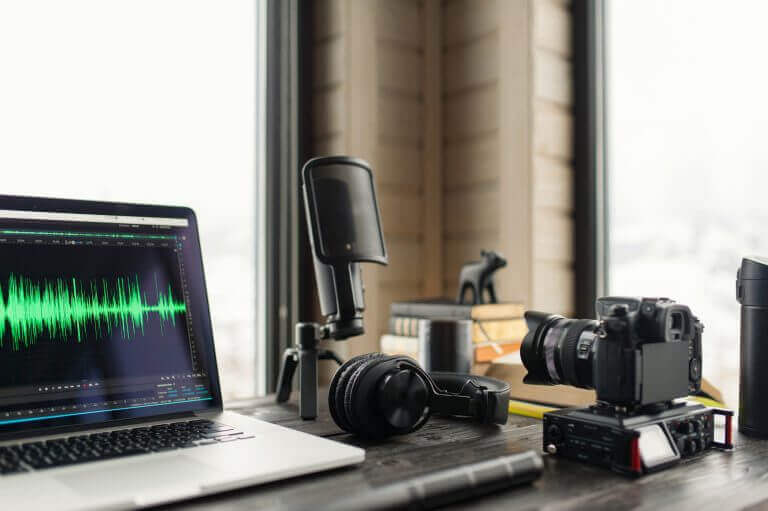
To start, you need a quality microphone. USB microphones are popular because they are easy to set up and offer good sound quality. Some well-known options include the Blue Yeti and Audio-Technica ATR2100.
A pop filter can help reduce unwanted noises like plosives. Headphones are important to monitor your audio while recording.
Another key component is a soundproofing setup. This can be as simple as recording in a quiet room with minimal echo. Mic stands ensure stability, preventing audio inconsistencies.
Software for Recording and Editing
Choosing the right software is just as important as the hardware. For recording, Audacity and GarageBand are popular free options. They are user-friendly and offer various tools for beginners.
For more advanced needs, consider Adobe Audition or Reaper. These programs offer many features for recording, editing, and mixing. They support multi-track recording, which is useful if you have multiple audio sources.
Editing involves cutting, splicing, and enhancing audio to ensure clarity. Look for software with noise reduction and equalisation features.
Audio and Video Quality Considerations
Maintaining good audio quality is essential. Ensure your microphone is set up correctly and you record in a quiet environment. Use noise reduction techniques to minimise background sound.
Video quality matters if you are creating video podcasts. A good webcam such as the Logitech C920 can provide high-definition video. Consider using lighting to improve video clarity. Soft, diffused lights help eliminate harsh shadows.
To ensure consistent quality, monitor audio levels and use proper settings for recording formats. Always save in high-quality formats like WAV for audio and MP4 for video. Consistency in your production setup helps maintain a professional standard.
Producing Your Podcast
Producing a podcast involves several careful steps to ensure high-quality content. Key aspects include the recording process and the tools needed to polish and edit your episodes effectively.
The Recording Process
Recording is crucial for good podcast production. First, choose a quiet space to minimise background noise. Invest in a quality microphone for clear audio.
Next, software plays a critical role in recording podcasts. Several options cater to different levels of expertise and budget. GarageBand and Audacity are popular choices for beginners, offering user-friendly interfaces and essential features. For those with more advanced needs, Adobe Audition provides a range of professional tools.
Always perform a test recording to spot any issues before the actual recording. This helps in adjusting levels and ensuring audio clarity. Save your recordings in high quality formats like WAV or AIFF for better results.
Branding and Packaging
Creating a podcast involves more than just recording episodes. Your brand and packaging elements, like the podcast description and artwork, are essential in attracting and retaining listeners.
Crafting a Compelling Podcast Description
Your podcast description is a concise summary that tells potential listeners what they can expect from your show. Aim to convey the essence and purpose of your podcast in the first few sentences, using keywords that capture the main topics or themes.
Incorporate your podcast name early to establish recognition. Listeners should know immediately who the podcast is for and why they should listen. Highlight any unique aspects, such as expert guests or distinctive formats.
Use bullet points to break down key features:
- Show format (interviews, solo episodes, etc.).
- Frequency of new episodes.
- Target audience (demographic or interest group).
A strong call to action encourages listeners to subscribe, follow, and share your podcast. Keep your language clear and engaging to spark interest.
Designing Your Podcast Artwork
Your podcast cover art is the first visual impression potential listeners will see. It needs to be eye-catching and informative, fitting within the standard size requirements for platforms like iTunes and Spotify (usually 3000×3000 pixels).
Incorporate your podcast name prominently, using a readable font. Choose colours and images that reflect your brand’s identity. Consistent branding elements, like logos or specific colour schemes, help in making your podcast easily recognisable.
Keep in mind:
- Clarity: Ensure the artwork is clear and not cluttered.
- Relevance: Images should relate directly to your podcast’s content and audience.
- Professionalism: High-quality images and design show that you are serious about your podcast.
By focusing on these elements, you create a visual identity that complements your podcast’s message and attracts listeners.
Hosting and Distribution
Selecting the right hosting service and effectively distributing your podcast are crucial steps to ensure your content reaches your audience seamlessly. The following key areas cover what you need to know.
Choosing a Podcast Hosting Service
A podcast hosting service stores your audio files and makes them available for listeners. When choosing one, consider storage space, bandwidth limits, and pricing. Buzzsprout, Libsyn, and Podbean are popular options. They offer various plans based on your needs.
Look for features like analytics, which help you understand your audience, and monetisation options. Some hosts also provide website integration and social media sharing tools to make your podcast more accessible and promotable.
Setting Up an RSS Feed
An RSS feed is essential for distributing your podcast. It is a file that contains all your podcast’s information, like episode titles, descriptions, and audio file links. Most podcast hosting services automatically generate an RSS feed for you.
You should ensure your RSS feed is valid and well-formatted. Use tools like FeedValidator to check. Your feed should include your podcast name, description, episode titles, and artwork. This information helps listeners find your podcast on platforms like Apple Podcasts and Spotify.
Distributing to Podcast Platforms
Once your RSS feed is set up, you need to submit it to various podcast directories. Start with major platforms such as Apple Podcasts, Spotify, and Google Podcasts. Each platform has its submission process, and it might take a few days to get your podcast approved.
Focus on consistent branding across platforms with your podcast name, logo, and description. Regularly update your feed with new episodes to keep your audience engaged.
Marketing and Promotion
Promoting your podcast is crucial for reaching a wider audience and building a loyal listenership. Strategies, social media engagement, and leveraging guest networks can all boost your podcast’s popularity.
Strategies to Promote Your Podcast
Develop a clear and consistent promotion strategy. Start by creating a launch plan that outlines steps from the pre-launch buzz to post-launch follow-ups. Use email newsletters, blog posts, and press releases to spread the word.
Invest in SEO by using relevant keywords in your podcast title, description, and episode notes. Engaging episode titles can grab attention and improve searchability. Encourage your existing audience to share your content by offering incentives or creating shareable snippets and quotes.
Also, consider paid advertising through platforms like Facebook or Google Ads. Target specific demographics that match your podcast’s audience to maximise impact.
Using Social Media for Engagement
Social media is a powerful tool for creating buzz and engaging with your audience. Identify where your target audience spends their time—be it Facebook, Twitter, LinkedIn, or Instagram—and focus your efforts there.
Create dedicated pages or profiles for your podcast. Post regularly with engaging content that includes episode teasers, behind-the-scenes looks, and polls or questions to engage your audience. Use hashtags effectively to increase the discoverability of your posts.
Live streaming on platforms like Instagram Live or Facebook Live can create a sense of community. Hosting live Q&A sessions or discussions related to your podcast topics helps build deeper connections with your listeners.
Leveraging Podcast Networks and Guests
Joining podcast networks can broaden your reach by tapping into an established audience. Look for networks that align with your podcast’s theme or genre to ensure relevant exposure.
Featuring guests on your podcast is another effective strategy. Guests bring their own audience, which helps increase your reach. Make sure to collaborate with guests who are active on social media and encourage them to promote the episode they appear in.
Building relationships with other podcasters and conducting cross-promotions can also benefit you. Exchanging short ads or mentions within each other’s episodes can introduce you to potential listeners who are already interested in podcast content.
Monetising Your Podcast
When it comes to making money from your podcast, there are several important strategies to consider, including securing sponsors and exploring additional revenue streams. Each method has its unique advantages and requires different approaches to implement effectively.
Finding and Securing Sponsors
Sponsors are a significant way to make money from your podcast. To attract sponsors, it’s essential to demonstrate that your podcast has a dedicated and engaged audience.
Start by identifying businesses or brands that align with your podcast’s topic and audience. Reach out with a professional pitch that includes your podcast’s statistics such as average downloads per episode, listener demographics, and any notable achievements.
Tips for Securing Sponsors:
- Create a Media Kit: Include information about your podcast, audience statistics, and advertising options.
- Network: Attend industry events and connect with potential sponsors.
- Offer Value: Show how sponsoring your podcast can benefit their business.
Alternative Revenue Streams
Beyond sponsorship, there are other ways to monetise your podcast. One popular method is listener support through platforms like Patreon, where fans can contribute financially in exchange for exclusive content or perks.
Other Revenue Streams:
- Merchandising: Sell branded merchandise like T-shirts, mugs, or stickers.
- Affiliate Marketing: Promote products or services and earn a commission on sales generated through your referral links.
- Online Courses and Coaching: Use your podcast to offer educational content or coaching services to your listeners.
These methods help diversify your income and can be used alongside sponsorship to maximise your podcast’s revenue potential.
By combining sponsors and alternative revenue streams, you can create a sustainable income from your podcast. It’s essential to continually engage with your audience and offer value to both listeners and potential business partners.
Maintaining Consistency and Growth
Achieving success with your podcast requires a consistent schedule and a focused effort on growing your listener base. These elements help keep your fans engaged and drive long-term success.
Committing to a Regular Schedule
Sticking to a regular schedule is crucial. Decide how often you can realistically release episodes. It may be weekly, bi-weekly, or monthly. Make sure each episode length is manageable within your time constraints.
Communicate your schedule to your audience clearly. This helps set expectations and build trust. Consistency encourages listeners to become regular followers and increases engagement. If you need to take a break, inform your fans in advance. This transparency keeps your audience loyal and understanding.
Using tools like editorial calendars or reminder apps can help you stay on track. Set specific goals for content creation and stick to them. Automating parts of your workflow, such as editing or social media posts, can also save time and maintain regularity.
Evaluating and Expanding Your Listener Base
To keep growing your podcast, regularly evaluate your listener base. Understand who they are and what they want. Use analytics tools to track metrics like downloads, listener demographics, and engagement rates.
Ask for feedback through surveys or social media to gain insights into your audience’s preferences. This information can guide content decisions and help ensure your episodes meet listener expectations.
Collaborating with other podcasters can also boost growth. Guest appearances and cross-promotions introduce your podcast to new audiences. Set clear goals for these collaborations and track their impact on your listener base. Regularly engaging with your audience through Q&A sessions or live events can also foster a sense of community and drive growth.
Frequently Asked Questions
When starting a podcast, your opening lines, engaging scripts, and introduction techniques are crucial in capturing your audience’s attention. Below are responses to common queries on how to create effective and memorable podcast beginnings.
How should I phrase my opening lines in a podcast?
Your opening lines should be clear and welcoming. Greet your listeners and introduce yourself. For example, “Hello and welcome to [Podcast Name]! I’m [Your Name], and today we’ll discuss…”
Can you provide examples of engaging podcast opening scripts?
Engaging scripts might include a hook or interesting fact. For instance, “Did you know that [interesting fact]? Today, we’ll explore this and more on [Podcast Name].”
What are some effective podcast introduction techniques?
Effective techniques include a catchy jingle, a brief summary of the episode, or a personal anecdote. These elements help set the tone and grab attention.
How can I create a humorous start to my podcast?
To add humour, you can start with a light-hearted joke or a funny story related to your episode topic. Ensure it aligns with your podcast’s theme and audience.
What elements make a strong beginning for a podcast episode?
Strong beginnings include a compelling hook, a brief introduction of the topic, and clarity about what listeners can expect. This helps maintain listener interest from the start.
How do I craft an attention-grabbing podcast intro?
Crafting an attention-grabbing intro involves using energetic language and a dynamic tone. Starting with a provocative question or surprising fact can also engage listeners effectively.