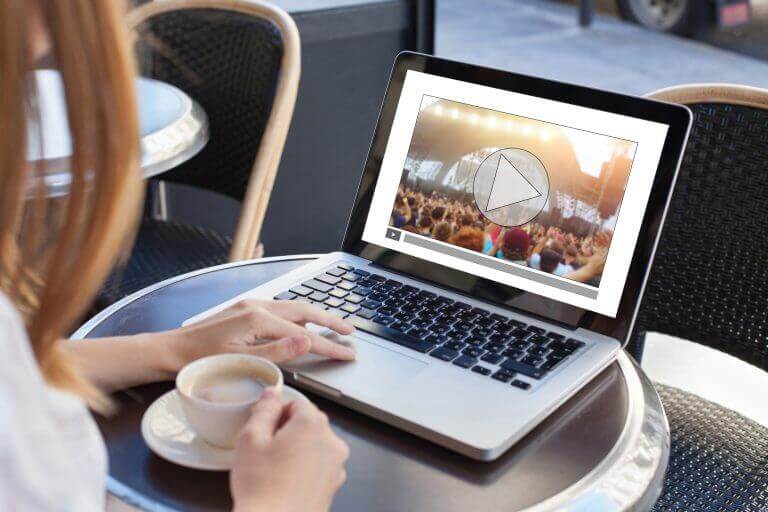
In the digital age, you might find yourself wondering about the differences between streaming and podcasting. Streaming delivers real-time content that users can access instantly, while podcasting offers pre-recorded audio files that can be downloaded and listened to at any time.
This fundamental difference impacts how people engage with each medium, and each has unique benefits and drawbacks.
Streaming typically includes live broadcasts such as radio shows, concerts, or other events. It allows for immediate interaction and often features real-time chat or commentary. On the other hand, podcasting involves episodes created in advance, giving creators more control over editing and fine-tuning the content before it reaches the audience.
Whether you’re interested in producing or consuming digital audio, understanding the distinct features of each medium can help you make informed choices.
For example, business professionals might use podcasts for on-demand learning, while live-streaming can be effective for real-time updates and engagement.
Key Takeaways
- Streaming delivers real-time content instantly.
- Podcasts are pre-recorded and edited before release.
- Each medium offers distinct advantages for creators and listeners.
Overview of Podcasting
Podcasting has rapidly grown as a medium, providing diverse audio content. Whether it’s diving into topics like technology or sharing personal stories, podcasts offer structured episodes, engaging hosts, and notable guests.
Defining Podcasts
Podcasts are digital audio files available for streaming or download. They are often part of a series, with new episodes released on a regular schedule. Each episode focuses on a specific theme or topic. Unlike traditional radio, you can listen to podcasts whenever and wherever you want, making them a flexible option for consuming content.
Podcasting Content and Structure
Podcasts cover a wide range of subjects, from news and education to entertainment and hobbies. Episodes can vary in length, from a few minutes to several hours. The structure typically includes an introduction, a main segment, and a conclusion. This format helps keep the listener engaged and provides a clear flow of information.
Common Podcast Elements:
- Intro music: Sets the tone for the episode.
- Main content: The core topic or interview.
- Outro music: Signals the end of the episode.
The Role of Podcast Hosts and Guests
Hosts are crucial to the success of a podcast. They guide the conversations, ask questions, and engage with the audience. Good hosts bring personality and expertise to their shows, helping to attract and retain listeners.
Guests also play an important role. They bring different perspectives and expertise to the podcast, making the content more interesting and informative. Regularly featuring guests can help a podcast stay fresh and relevant by introducing new voices and ideas.
Overview of Streaming
Streaming refers to the continuous delivery of audio or video content over the internet. It allows you to enjoy media without needing to download files, making it convenient for consuming live events and various forms of digital entertainment.
Defining Streaming
Streaming is a method where media content is delivered in a continuous flow via the internet. This technology enables you to watch videos or listen to audio in real-time without waiting for a full download. Common examples include platforms like YouTube, Netflix, and Spotify.
Streaming relies on a steady internet connection to feed content continuously to your device. Your device plays the first few seconds while the remaining content loads in the background. This method ensures fewer interruptions and smoother playback.
Forms of Streaming Content
Streaming encompasses various types of content, such as videos, music, and podcasts. More specifically, you can stream movies, TV shows, live sports, and radio shows. Each type offers different user experiences and levels of interactivity.
Video streaming is popular due to services like Netflix and Hulu. Music streaming platforms like Spotify provide instant access to vast libraries of songs. Meanwhile, podcast streaming allows you to catch up on your favourite talk shows on-demand, blending talk radio style with digital convenience.
Live Streaming as a Broadcast Alternative
Live streaming allows you to watch events as they happen in real-time. This technology is used for broadcasting sports, concerts, and even personal content through social media platforms like Facebook Live and Twitch.
Live streaming offers an interactive experience, allowing viewers to send comments and reactions during the broadcast. It serves as a popular alternative to traditional TV broadcasts, giving you more freedom to control what and when you watch. Accessing live streamed content typically requires only a device with internet connectivity, making it widely accessible and flexible.
Technical Aspects
Understanding the technical nuances between streaming and podcasting involves looking at the specific equipment and technology, as well as the software and platforms used in each medium.
Equipment and Technology
For streaming, you often need a high-quality camera and a reliable microphone. This is because streaming involves live video and audio, so the quality needs to be top-notch. You also need a powerful computer with a good processor to handle the live feed without lagging.
Podcasting, on the other hand, typically requires a good microphone and audio interface. Since podcasts are usually audio-only, the focus is on capturing clear sound. While you don’t necessarily need a powerful computer, a stable one is essential to ensure your recordings are smooth.
Both streaming and podcasting benefit from using soundproofing equipment like foam panels to reduce background noise. Additionally, good lighting is crucial for streaming to ensure your video quality is high, whereas, for podcasting, this is less of a concern.
Software and Platforms
For streaming, platforms like Twitch and YouTube are popular choices. These platforms offer built-in tools for live interaction, which is crucial for engaging with your audience in real-time. You will use software like OBS Studio or Streamlabs OBS to stream your content.
In podcasting, platforms like Anchor and Libsyn are commonly used to distribute podcasts. For recording, software like Audacity or Adobe Audition is widely used. These tools offer robust editing features to clean up and enhance your audio.
While streaming relies heavily on real-time software, podcasting focuses more on post-production software to create polished final products. Both require understanding of the respective platforms to maximise audience reach.
Production and Editing
When making a podcast or streaming, the steps include recording, producing, and editing. These steps vary with the type of content, whether it’s audio or video.
Podcast Recording and Editing
When creating podcasts, start with good quality recording gear. A microphone and audio interface are essential. Recording in a quiet setting helps avoid unwanted noise. Once recorded, the next step is editing.
Editing podcasts involves removing mistakes and adding effects. You use audio editing software like Audacity or Adobe Audition for this. Trimming silence, enhancing sound quality, and adding music are common tasks. After editing, export the final audio file in formats like MP3 or WAV.
The final audio file is then ready to be uploaded or shared through various platforms. Consistent editing improves listener experience significantly.
Video Production for Streaming
Video production for streaming demands a different set of tools. A good camera and lighting setup are crucial for clear visuals. Additionally, a decent microphone ensures your audience can hear you well.
Production involves planning the content and setting up the scene. You may also need a green screen for background effects. During live streaming, you need software like OBS Studio or Streamlabs.
Editing is critical in video production. Post-production includes trimming clips, adding transitions, and syncing audio. You can use software like Adobe Premiere Pro or Final Cut Pro for this. Edited video usually gets saved in MP4 or AVI formats, ensuring it is ready for streaming platforms.
Having a well-edited video not only enhances viewer engagement but also gives a professional touch to your content.
Content Marketing and Monetization
Streaming and podcasting each offer distinct ways to market and monetise content. You can leverage different strategies like advertising, sponsorships, and premium content to generate revenue from your audience.
Advertising and Sponsorships
Advertising and sponsorships are key revenue sources for both streams. In streaming, ads are typically played before, during, or after the content. Pre-roll ads start before the video, mid-roll ads run during the content, and post-roll ads play at the end. These ads are usually managed by the platform and can be targeted based on user data.
For podcasts, ads may be dynamically inserted into episodes. This means that different listeners might hear different ads based on their location or interests. Sponsorships often involve the host reading an ad copy during the episode, which can be more engaging since it sounds like a personal recommendation.
Monetization Strategies for Creators
Creators can also monetise their content through various methods. One method is offering premium content that users pay to access. This could include exclusive episodes, early access, or special behind-the-scenes content. Platforms like Patreon facilitate direct support from fans, allowing them to subscribe for more benefits.
Donations and patron funding are also common. These enable fans to support content they love without any mandatory commitment. Many platforms provide built-in tools for this. In streaming, integrated donation buttons make it simple for viewers to contribute during live broadcasts.
Additionally, selling merchandise related to your content can also generate revenue. These items could range from branded clothing to digital products like eBooks or courses. This not only helps in earning money but also promotes your brand further.
Audience and Engagement
Understanding the differences between streaming and podcasting can help you decide the best way to reach and connect with your audience. Each medium has unique ways of engaging listeners and targeting specific groups.
Understanding the Target Audience
When it comes to streaming services like Spotify and Apple Music, the focus is often on a broad audience. These platforms aim to reach as many users as possible, providing a wide range of music and audio content.
In contrast, podcasting tends to cater to more specific audiences. Podcasters often focus on niche topics, appealing to listeners with particular interests or hobbies. For instance, a podcast series on historical events will attract history enthusiasts. This targeted approach can result in higher levels of audience engagement because the content is more directly aligned with the listeners’ interests.
Knowing your target audience is crucial. With streaming, you may need to cater to general tastes and trends. With podcasting, you can tailor content more precisely to what your audience cares about.
Interactive Elements and Engagement
Engagement levels differ between streaming and podcasting due to the interactive elements each offers. Streaming services often include features like playlists, song recommendations, and social sharing. These elements help keep users engaged and allow them to discover new content easily.
Podcasting, on the other hand, offers various ways to connect with your audience on a deeper level. Many podcasts include call-ins, listener questions, and social media interactions. The personal and interactive nature of podcasts can lead to a stronger bond between the host and the audience.
Moreover, podcasts often create online communities around their content. Listeners might discuss episodes on forums or social media, creating a sense of belonging and further engagement.
Both mediums have their strengths in engaging audiences, but the choice depends on how you wish to interact with and reach your listeners. Streaming offers wide reach and convenience, while podcasting allows for deeper connections and niche targeting.
Business and Professional Use
Using podcasting and streaming can greatly impact various areas, including business promotions, professional development, educational purposes, events, and entertainment. Each medium offers unique benefits tailored to specific needs and goals.
Podcasting for Business and Education
Podcasting can be a powerful tool for business and educational purposes. As a business, you can use podcasts to establish authority in your industry. By sharing insights and advice, you enhance your brand’s reputation. Podcasts can also highlight customer stories, demonstrating how your products or services solve real-world problems.
In education, podcasts are useful for delivering lectures and supplementing course materials. Educators can provide additional context or explain complex concepts in an engaging way. This allows students to learn at their own pace and revisit material as needed.
Many professionals use podcasts for continuous learning. They listen during commutes or workouts, staying updated on industry trends and new skills. This flexibility makes podcasting a convenient tool for both professional development and educational enhancement.
Streaming for Events and Entertainment
Streaming is often used for live events and entertainment. Businesses can benefit from streaming by hosting live events, such as product launches, webinars, and training sessions. This can engage a global audience in real-time, fostering a sense of community and participation.
For entertainment, streaming brings concerts and live video content to fans who cannot attend in person. This expands the audience beyond geographical limitations. It is common for streaming services to broadcast live sports, concerts, and exclusive shows.
The interactive nature of live streaming enables immediate feedback and engagement. Viewers can ask questions or provide comments, creating a dynamic and engaging experience. This can enhance customer loyalty and satisfaction by making them feel more involved.
Using both podcasting and streaming strategically can significantly boost your business’s or educational institution’s reach and impact.
Key Differences and Similarities
Streaming and podcasting serve audiences in different ways, affecting how content is accessed, shared, and consumed. Understanding these differences can help you choose the best platform for your needs.
Format and Delivery
Streaming involves real-time interaction with content. You access media through online streaming services without waiting for it to download. This means content plays almost immediately as data is transferred in a continuous flow.
Podcasting, on the other hand, typically requires downloading episodes. You can listen offline once the download is complete. Podcasts are generally distributed as a series, allowing you to subscribe and receive new episodes automatically.
Key Difference: Streaming is instantaneous and dependent on internet connectivity, whereas podcasts can be pre-downloaded for offline consumption.
Content Accessibility and Usage
Content Accessibility in streaming is often linked to subscriptions or advertisements. Popular streaming services host vast libraries of music or video for real-time consumption. Your access can be influenced by your subscription level.
Podcasting accessibility is more straightforward. Most podcasts are available for free through various podcast streaming platforms. You can download episodes, stream them, or listen to archived content at your convenience.
Usage is another key area of difference. Streaming services often track your listening habits to recommend content. Podcasts offer more control over what you hear and when, making them ideal for specific, niche topics in a structured listening experience.
Key Difference: Streaming provides real-time access with algorithm-driven suggestions, whereas podcasts offer on-demand access with user-driven content choices.
Strategic Planning and Success Factors
Creating a strong plan and measuring success effectively are crucial for both streaming and podcasting. Focusing on clear goals, a well-defined schedule, and a proper strategy will help you find the best ways to engage your audience and build trust.
Developing a Content Strategy
When creating your streaming or podcasting content, it is important to have a clear strategy. Start by identifying your target audience and understanding their preferences. This will help you tailor your content to meet their needs.
Set specific goals about what you want to achieve, such as increasing listener numbers or improving engagement. A consistent schedule is crucial too. Plan your content release dates and stick to them to build trust with your audience.
Consider using a mix of content types, such as interviews, solo episodes, and guest appearances. This can keep your audience engaged and interested. Always research best practices within your niche to stay current and relevant.
Metrics for Success
To measure the success of your streaming or podcasting efforts, you need to track specific metrics. Key performance indicators (KPIs) like download numbers, listener retention rates, and audience engagement levels are essential.
For streaming platforms, pay attention to viewing time and viewer feedback. Regularly reviewing these metrics will help you understand what works and what doesn’t. For podcasts, consider metrics like the number of new subscribers, episode downloads, and listener reviews.
Setting clear goals for these metrics helps guide your efforts. Use tools and analytics to track your progress and adjust your strategies as necessary. Regularly review your performance against your goals to ensure you are on track for success.
Platform-Specific Considerations
Different platforms offer unique features and experiences for streaming and podcasting. Understanding these distinctions can help you decide which platform best suits your needs.
Popular Streaming Services
YouTube and Facebook are major players in video and audio streaming. YouTube allows creators to upload various content, including live streams, which users can access for free. Ads are prevalent, but YouTube Premium offers an ad-free experience and exclusive content.
Facebook also offers live streaming and video hosting. You can reach a large audience through followers and public posts. Engagement is driven by likes, shares, and comments, making it interactive.
Spotify focuses on music streaming but has expanded to include podcasts. It offers both a free version with ads and a premium subscription with higher sound quality, offline listening, and no ads.
Apple Music is another significant music streaming platform. It integrates well with iTunes, offering a vast library of songs and albums. It’s subscription-based, providing ad-free listening and exclusive releases.
Podcasting on iTunes and Spotify
Spotify has become a major hub for podcasts. It allows creators to upload episodes through services like Anchor. Spotify offers metrics on listener demographics, total streams, and engagement rates, helping you understand your audience better.
iTunes, managed by Apple, sets a benchmark for podcast distribution. You can submit your podcast to the Apple Podcasts directory, which provides a significant boost in discoverability. Apple offers analytics on downloads, total plays, and user retention rates, helping you fine-tune your content.
Both platforms support monetisation through ads and sponsorships. The choice between them can depend on where you believe your audience is more likely to engage with your content.
Frequently Asked Questions
Streaming and podcasting are two distinct forms of digital media. Understanding their key differences can help you decide which is more suitable for your needs.
How do live streaming platforms differ from podcasting services?
Live streaming platforms allow you to broadcast content in real-time. Viewers can interact immediately, making it dynamic and responsive. Podcasting services provide pre-recorded audio content that users can listen to at their convenience. This makes podcasts ideal for on-demand listening.
What constitutes a podcast as opposed to a streaming service?
Podcasts are audio recordings that you can download or stream on-demand. They are usually episodic and cover a specific topic or theme. Streaming services, on the other hand, include both audio and video content that can be accessed instantly without the need to download.
Can podcasts be streamed live, and if so, how does that process work?
Yes, podcasts can be streamed live. This is typically done using live broadcasting tools or platforms that support real-time audio streaming. After the live broadcast, the recording can be made available as a podcast episode for on-demand listening.
What are the distinguishing features between webcasting and streaming content?
Webcasting often refers to live broadcasting over the internet, similar to live streaming. However, it is usually more structured and can include various multimedia elements. Streaming content can be either live or on-demand and typically focuses more on continuous delivery of media.
In what ways do streaming and broadcasting diverge in the media industry?
Streaming offers on-demand access to content, allowing users to choose what and when to watch or listen. Broadcasting follows a set schedule and is typically transmitted over radio or television waves. This makes streaming more flexible while broadcasting reaches a broader audience simultaneously.
What are the unique characteristics of the audio streaming podcasting industry?
The audio streaming podcasting industry focuses on delivering high-quality audio content. Podcasts are often niche and cater to specific interests. The consumption can be both on-demand and subscription-based, allowing listeners to regularly follow their favourite shows. This industry has grown rapidly with the rise of smartphones and smart speakers.