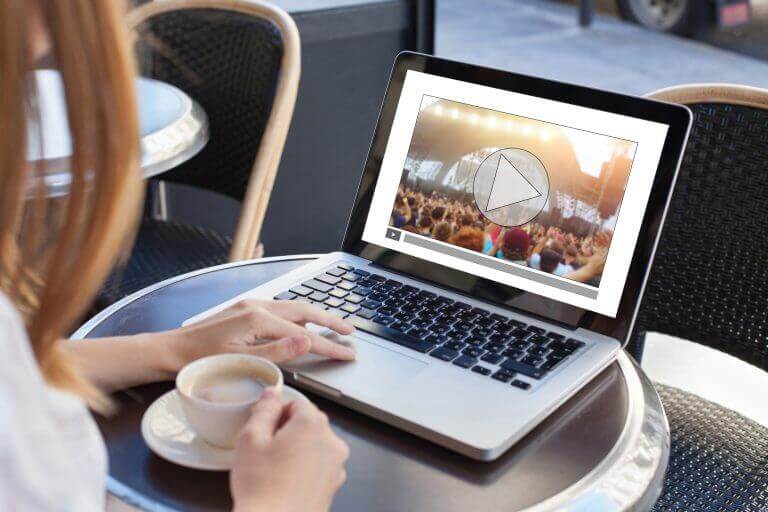
Starting a podcast might sound intimidating, but it’s very approachable for anyone. With the right guidance and a bit of effort, you can create, launch, and grow a podcast on any budget. Yes, a normal person can start a podcast, and it can be a rewarding and enjoyable endeavour.
You’ll want to ensure that your podcast is engaging and provides value to your audience. Concentration and planning are key to making the process run smoothly. Whether you’re looking to entertain, educate, or share your unique experiences, there’s a place for you in podcasting.
When setting up your podcast, think about your topic, audience, and the kind of content you want to produce. You’ll also need to consider the technical aspects, such as recording and editing equipment.
With the abundance of resources available, there are many ways to achieve a professional sound without a huge investment. Get started and see where your creativity takes you.
Key Takeaways
- Anyone can start a podcast with the right approach and resources.
- Plan your content and understand your audience to make an engaging podcast.
- With proper setup, you can achieve great audio quality on a budget.
Understanding Podcasting
This section explores what podcasts are, their history, and why you might want to start one. Each topic helps build a clear picture of podcasting for beginners.
Defining Podcasts and Podcasting
A podcast is a digital audio or video file available on the internet, often as a series. Podcasts are usually episodic, allowing listeners to subscribe and download new episodes automatically. The format can range from interviews and storytelling to news and education.
Podcasting involves creating, producing, and distributing these audio or video episodes. It requires recording equipment, editing software, and publishing tools. Anyone with a computer and internet connection can start a podcast. With platforms like Apple Podcasts and Spotify, sharing your content with a global audience is easier than ever.
History and Evolution of Podcasts
Podcasts began in the early 2000s. The term “podcast” was coined by journalist Ben Hammersley in 2004. Podcasts quickly grew in popularity due to the rise of portable media players like the iPod. The BBC and other broadcasters started offering shows as downloadable podcasts.
Over the years, podcasts have evolved significantly. Early podcasts were simple audio recordings, but today’s podcasts often include high-quality production elements. The introduction of smartphones and podcast apps has made accessing and listening to podcasts more convenient. Today, podcasts cover a vast range of topics and attract millions of listeners worldwide.
Benefits of Starting a Podcast
Starting a podcast has several benefits. First, it allows you to share your expertise and passions with a wider audience. It’s a powerful medium for storytelling and education. Podcasts can help you build a community of loyal listeners who engage with your content regularly.
Podcasting also offers flexibility. You can create content on your schedule and cover topics that interest you. The low-cost nature of podcasting makes it accessible; you only need a basic microphone and free editing software. Additionally, podcasts can be monetised through advertising, sponsorships, and listener donations, providing potential income opportunities.
Initial Considerations
When starting a podcast, think about why you want to do it and who you want to reach. Also, pick a unique name and find a specific angle for your content to stand out.
Identifying Your Purpose and Goals
First, ask yourself why you want to start a podcast. Are you looking to share knowledge, entertain, or build a community? Your goal could be to educate people on a specific subject, interview experts, or discuss trending topics. Clearly defining your purpose helps guide your content decisions and keeps you focused.
Setting clear goals is also important. Whether you aim to gain a certain number of subscribers or aim to release episodes regularly, having measurable goals can keep you motivated and on track.
Researching Your Target Audience
Knowing who you want to reach is crucial. Are your listeners young adults, professionals, or hobbyists? Research your potential audience’s preferences, habits, and challenges. This information helps you tailor your content to meet their needs and interests.
You can use online surveys, social media polls, or even community forums to gather insights about your audience. Understanding your audience will help you create content that resonates and keeps them coming back.
Choosing a Memorable Podcast Name
A good podcast name should be memorable and reflect the content of your show. Consider using keywords related to your topic to make it easier for potential listeners to find you. Make sure the name is short, easy to spell, and easy to pronounce.
Check if the name is already in use to avoid confusion and potential legal issues. Additionally, look for an available domain name if you plan to create a website for your podcast.
Focusing on a Specific Niche
Narrowing down to a specific niche helps you stand out in a crowded market. Instead of covering broad topics, you can focus on a particular aspect that interests you and your audience. For example, rather than a general tech podcast, you might focus on start-ups or smart home technology.
Being specific allows you to build a loyal following who are interested in exactly what you have to offer. This also makes it easier to position yourself as an expert in your chosen field.
Planning Your Podcast
Planning is crucial to ensure your podcast is engaging and well-organised. This includes deciding on your podcast format, writing a detailed plan and script, and structuring your episodes effectively.
Developing Your Podcast Format
Choosing the right format for your podcast is essential. You could opt for an interview-style format, a solo show, a co-hosted dialogue, or narrative storytelling. Consider what suits your topic and audience best. For example, an interview format works well if you want to bring in expert opinions.
Your podcast format should align with your branding and title. If your podcast is light-hearted, a solo show with a humorous tone might be ideal. Make sure your format is consistent, as it helps build familiarity and trust with your listeners. Identify elements like segment lengths, themes, and regular features to keep your episodes engaging.
Writing a Podcast Plan and Script
A podcast plan maps out your goals, target audience, and content strategy. Start by defining your podcast’s purpose and identifying your target listeners. This aids in creating content that resonates. Your plan should include a branding strategy, which encompasses your podcast’s title, logo, and visual elements.
Scripts are also vital. They provide a backbone to your episodes, ensuring you cover all key points and stay on track. It’s not necessary to write every word, but bullet points or an outline can be beneficial. This structure keeps the conversation flowing naturally while sticking to the main topics.
Creating Episode Structures and Titles
Structured episodes make your podcast easy to follow. Start with an engaging introduction, followed by the main content, and conclude with a clear wrap-up. Each episode should have a strong title that grabs attention. Episode titles are like headlines; they should be catchy and reflective of the content.
Consider having consistent sections within each episode, like a Q&A segment, guest interviews, or a closing message. This helps listeners know what to expect every time they tune in. Also, think of interesting and descriptive episode titles that entice listeners to click and listen. Ensure titles are not misleading but intriguing enough to spark curiosity.
By focusing on these elements, you can create a well-planned and compelling podcast.
Branding and Design
Creating a strong podcast brand and designing compelling cover art are crucial steps. These elements help attract listeners and make your podcast stand out.
Crafting a Consistent Podcast Brand
Your podcast brand should reflect your podcast topic and appeal to your target audience. Start by choosing a memorable name that aligns with your content. Keep it simple and easy to remember.
Develop a clear mission statement. This should summarise what your podcast is about and what listeners can expect. It helps guide your content and ensures consistency across episodes.
Maintain consistency in your podcast branding. Use the same colours, fonts, and logos across all platforms, including social media and your website. This recognisable visual identity will build trust and loyalty among your audience.
Designing Attractive Podcast Cover Art
Your podcast cover art is the first thing potential listeners see. It needs to be eye-catching and professional. Stick to simple, bold designs that convey your podcast’s theme and tone.
Use high-resolution images and avoid clutter. Incorporate your podcast name in a readable font, ensuring the text is visible even as a small thumbnail.
Consider hiring a graphic designer if possible. They can help create a polished look that can set your podcast apart. Refer to this book for more detailed instructions on podcast design strategies.
Technical Setup
To start a podcast, you’ll need to choose the right equipment, understand microphones, and decide between audio and video formats. These choices will shape the quality and nature of your podcast.
Choosing the Right Podcast Equipment
Choosing the right podcast equipment can be straightforward. First, consider your budget. Essential items include a microphone, headphones, and a computer or recording device.
USB microphones are user-friendly and connect directly to your computer. They are great for beginners due to their simplicity and low cost. If you want higher sound quality, consider XLR microphones. These require additional equipment like an audio interface or mixer, which can be more complex to set up.
Headphones are crucial for real-time monitoring of your audio. Closed-back headphones are recommended to prevent sound leakage.
Remember to also include a pop filter or windscreen to reduce unwanted noises. A mic stand or boom arm will help position the microphone properly.
Understanding Microphones and Audio Recording
Understanding the different types of microphones and audio recording techniques is key. Condenser microphones are sensitive and capture a wide range of frequencies, which is ideal for studio settings. They require phantom power, usually supplied by an audio interface.
Dynamic microphones are more robust and handle high sound pressure levels well, making them suitable for loud environments or live recordings. They are generally more durable and less susceptible to moisture and rough handling.
When recording, ensure your space is quiet and echo-free. Soundproofing your recording area with foam panels, carpets, or even blankets can make a significant difference.
Digital audio workstations (DAWs) like Audacity or GarageBand can help you record and edit your podcasts. These programs offer various features to enhance audio quality and edit out mistakes.
Audio vs Video Podcasting Considerations
Deciding between audio and video podcasting affects your equipment needs. Audio-only podcasts are simpler and require less equipment. You need a good microphone, headphones, and recording software.
Video podcasts need additional gear such as cameras, lighting, and video editing software. A decent webcam can suffice, but for higher quality, consider using a DSLR camera. Good lighting is essential; softbox lights or ring lights can improve your video’s look.
Consider your audience and content when choosing. Video podcasts can attract more viewers and offer visual engagement, but they also demand more effort in editing and production. Audio podcasts are easier to produce and consume, especially on the go.
Recording and Editing
Recording and editing are key steps in creating a professional podcast. Good audio quality and effective editing make a big difference in how your content is received by listeners.
Setting Up for Quality Recording
Quality recording starts with the right equipment. A decent microphone is essential. USB microphones are popular because they are easy to use and offer good sound quality. A pop filter helps to reduce popping sounds caused by the pronunciation of plosive letters like “P” and “B.”
Background noise can ruin your audio. You should record in a quiet environment to avoid capturing unnecessary sounds. Adding soundproofing materials, like foam panels, to your recording space can further improve audio quality.
Always monitor your recordings with headphones to catch issues in real-time. This way, you can immediately detect and correct any problems with audio levels or interference.
Editing Techniques and Editing Software
After recording, you will need to edit your audio to enhance its quality and remove any mistakes. Basic editing tasks include cutting out ums and ahs, trimming long pauses, and balancing audio levels among different speakers.
There are many podcast editing software options available. Audacity is a popular free choice, offering robust tools like noise reduction and normalisation. For paid options, Adobe Audition provides advanced features that can streamline the editing process and improve the final product.
Use editing tools to adjust the frequency of your audio, reducing background noise and enhancing clarity. Don’t forget to add intros, outros, and music where necessary, as these elements can help to polish your podcast and make it more engaging for your audience.
Producing Your Podcast
When producing your podcast, focus on crafting engaging episodes, integrating interviews and co-hosts, and managing your podcast production and schedule. These elements ensure a smooth and professional delivery for your audience.
Crafting Engaging Podcast Episodes
Creating engaging podcast episodes starts with a clear and compelling concept. Outline your episode structure to keep the content focused and interesting. Begin with a strong introduction to hook your listeners. Include a mix of storytelling, factual information, and possibly some light humour to keep the audience engaged.
Use a consistent format. This helps listeners know what to expect. Whether you break your episodes into segments or have a free-flowing conversation, consistency is key.
Consider using music or sound effects to enhance your podcast. These elements can add depth and make your episodes more memorable. Keep each episode between 20-60 minutes. This range typically works well for maintaining listener interest without overwhelming them.
Integrating Interviews and Co-hosts
Including interviews or co-hosts can add variety and depth to your podcast. For interviews, invite guests who are experts in their field or who have interesting stories to share. Prepare questions in advance to steer the conversation effectively and ensure you cover important points.
When choosing a co-host, make sure they complement your style and add value to the podcast. A good co-host can provide different perspectives and make the conversation more dynamic.
Establish clear roles and responsibilities for both you and your co-host. This will prevent misunderstandings and ensure smooth recording sessions. Coordinate schedules and rehearse if necessary.
Managing Podcast Production and Schedule
Effective management of your podcast production and publishing schedule is crucial. Create a content calendar to plan your episodes in advance. This helps you stay organised and ensures a regular release schedule.
Set deadlines for each stage of production, from research and scripting to recording and editing. Stick to these deadlines to avoid last-minute rushes and maintain a consistent output.
Invest in good quality recording equipment. Clear audio is essential for a professional-sounding podcast. Editing is equally important. Use editing software to remove background noise and unwanted pauses.
Regularly analyse listener feedback and download statistics to understand what’s working and what might need improvement. Adjust your content and schedule based on this data to better meet your audience’s preferences.
For more tips on setting up and producing your podcast, check out Podcast solutions.
Publishing and Distribution
To successfully publish and distribute your podcast, you need to focus on setting up an RSS feed with a hosting site, distributing to podcast directories and platforms, and creating descriptive episode descriptions.
Setting Up RSS Feed and Hosting Site
First, you need an RSS feed, which is essential for distributing your episodes. Choose a reliable hosting site like Buzzsprout, Podbean, or Libsyn to manage your feed. These platforms store your audio files and generate the RSS feed automatically.
When selecting a hosting site, consider storage limits, pricing, and ease of use. Hosting sites often provide analytics to track listener data, which is crucial for growth. Once set up, these platforms simplify the process of maintaining and updating your podcast feed.
Distributing to Podcast Directories and Platforms
Next, you need to distribute your podcast to directories like Apple Podcasts, Spotify, and Google Podcasts. Submitting to these platforms increases your visibility and audience reach.
Apple Podcasts requires a valid Apple ID and RSS feed link submission through Podcasts Connect. Each platform has similar submission processes, usually involving the RSS link, podcast logo, and some basic details. Regularly update these directories with new episodes to keep your content fresh and engaging for listeners.
Writing Descriptive Episode Descriptions
Write concise and informative episode descriptions to attract and retain listeners. The description should summarise the episode’s main points, key guests, and any noteworthy segments. Include relevant keywords to enhance searchability within directories.
Avoid long paragraphs in your descriptions. Break up text for easier reading and include bullet points for important topics. Adding timestamps for key moments can also help listeners navigate longer episodes. Engaging descriptions encourage new listeners to give your podcast a chance and keep returning audience members informed and interested.
Marketing and Growth
Promoting your podcast and developing its audience are key to its success. Specific strategies such as building a robust social media presence, leveraging SEO, and collaborating with others can significantly enhance your podcast’s visibility and growth.
Building a Following on Social Media
Social media is crucial to promoting your podcast and growing your audience. Platforms like Instagram, Twitter, and Facebook help you connect with listeners. Create engaging content related to your podcast episodes. Share behind-the-scenes looks, episode highlights, and listener shout-outs.
Interacting with your followers through comments and messages builds a strong community. Run contests or giveaways to increase engagement. Use relevant hashtags to reach a broader audience. Partner with influencers or other podcasters to expand your reach.
Regularly posting and maintaining an active presence keeps your podcast on your audience’s radar. This consistent engagement helps build a loyal following.
Utilising SEO for Podcast Visibility
SEO helps new listeners find your podcast. Use keyword-rich titles and descriptions for your episodes. These should reflect common search terms within your podcast niche.
Submit your podcast to popular directories like Apple Podcasts and Spotify to improve visibility. Optimise your podcast website with relevant keywords, metadata, and tags.
Include transcripts of your episodes on your website. This makes your content searchable by search engines. Blog posts related to your podcast topics can also drive traffic to your site.
By improving your podcast’s SEO, you can attract more listeners who are searching for the topics you cover.
Developing a Network and Collaborating
Networking with other podcasters and industry professionals can foster growth. Attend industry events and join podcasting groups online. Introduce yourself and your podcast, and look for collaboration opportunities.
Guest appearances on other podcasts can help you reach new audiences. Invite guests from other shows to appear on yours. These collaborations introduce your podcast to their followers and listeners.
Cross-promote episodes with other podcasts. Joint marketing efforts can boost visibility for both parties involved. Building a network within the podcasting community can lead to valuable partnerships and audience growth.
Monetisation Strategies
Starting a podcast can lead to several revenue paths including sponsorship, affiliate marketing, and generating business leads. Here’s how you can effectively monetise your podcast and turn your passion into profit.
Exploring Monetisation Opportunities
Podcasts offer diverse ways to make money. One common method is advertising, where companies pay to have their ads played during your podcast episodes. You can set your rates based on the number of downloads or listeners per episode, often calculated as cost per mille (CPM), which means cost per thousand listeners.
Another popular method is through crowdfunding platforms like Patreon. Here, loyal listeners support you financially in exchange for exclusive content or other perks.
Affiliate marketing is also a viable option. By promoting products or services relevant to your audience and sharing tracked links, you earn a commission on any sales made through those links.
Engaging with Brands for Sponsorship
Sponsorship from brands can provide a steady income stream. To attract sponsors, you need a clear pitch that highlights your listener demographics, download statistics, and engagement rates. Brands are interested in podcasts with loyal, engaged audiences who match their target market.
Begin by reaching out to brands directly or using platforms like Podcorn, which connects podcasters with potential sponsors. Always ensure that the brands you approach align with your content and audience interests to maintain authenticity and trust.
Consider creating a media kit that includes details about your podcast, listener statistics, and case studies of previous successful campaigns. This can help persuade potential sponsors of the value you offer.
Generating Leads and Business from Podcasting
Podcasting is an effective way to generate leads and grow your business. By discussing topics relevant to your industry, you position yourself as an expert, attracting potential clients or customers who value your insights.
Use call-to-actions (CTAs) in your episodes to direct listeners to your website, newsletter, or services. Offering free resources, such as e-books or webinars, can capture leads and move them into your sales funnel.
Additionally, podcasting facilitates networking with other industry professionals. Inviting guests from your field can lead to collaborations or new business opportunities, further expanding your reach and influence.
Effective monetisation of a podcast involves diversifying income streams and strategically engaging with brands and your audience to maximise revenue.
Frequently Asked Questions
Starting a podcast may seem daunting, but it is achievable even for beginners. Below are some common questions and concise answers to get you started on your podcasting journey.
What equipment is essential for a beginner to launch a podcast?
You need a good quality microphone, headphones, and a computer. A basic audio interface and recording software can also be very helpful. An affordable but good option is the Audio-Technica AT2020 microphone.
What are the key steps to creating a podcast for a novice?
First, decide on your podcast’s topic and format. Next, draft a script or outline for your episodes. Record your content using the equipment mentioned earlier, then edit your audio using software like Audacity. Finally, upload your podcast to a hosting platform and submit it to directories such as Apple Podcasts and Spotify.
How can an individual monetise a podcast on platforms such as Spotify?
You can monetise your podcast through sponsorships, listener donations, and premium content. For instance, Spotify for Podcasters provides avenues for sponsorship deals and listener support options. Using platforms like Patreon can also help to generate income from loyal listeners.
What expenses should one anticipate when initiating a podcast?
Expect to invest in good quality recording equipment and editing software. Hosting fees are also something to bear in mind, as platforms like Libsyn charge for distributing your podcast. Marketing costs could also arise if you choose to promote your podcast through ads or social media campaigns.
Could a podcast be successfully managed by a solo individual?
Yes, many successful podcasts are run by solo hosts. Tools like automated scheduling software and podcasting platforms can help manage tasks. It requires good time management and consistency, but it is entirely possible to handle all aspects from recording to publishing on your own.
What common challenges might one face when starting a new podcast?
You might struggle with finding and maintaining an audience initially. Technical issues during recording or editing can also be challenging. Additionally, coming up with regular content ideas and managing time effectively are common hurdles for new podcasters. Patience and persistence are key.