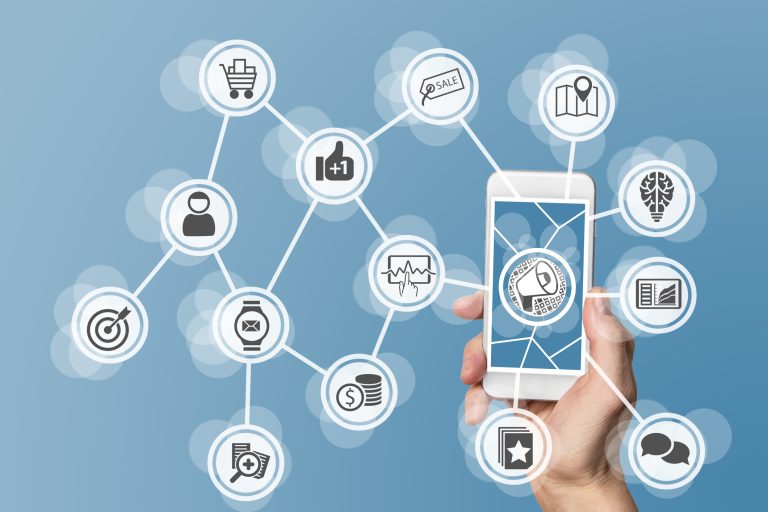
Mobile marketing is a digital marketing strategy that targets customers through their mobile devices such as smartphones and tablets. It involves reaching out to customers through various channels such as SMS, mobile applications, social media, and mobile-optimized websites.
With the increasing use of mobile devices, mobile marketing has become an essential part of any successful marketing strategy.
Understanding mobile marketing requires a good knowledge of its components and how they work together. These components include SMS marketing, mobile applications, mobile web marketing, QR codes, and push notifications. SMS marketing involves sending text messages to customers with promotional content.
Mobile applications are software applications designed to run on mobile devices, while mobile web marketing involves optimizing websites for mobile devices. QR codes and push notifications are other components of mobile marketing used to engage customers.
Key Takeaways
- Mobile marketing is a digital marketing strategy that targets customers through their mobile devices.
- Components of mobile marketing include SMS marketing, mobile applications, mobile web marketing, QR codes, and push notifications.
- Mobile marketing is an essential part of any successful marketing strategy due to the increasing use of mobile devices.
Understanding Mobile Marketing
Mobile marketing is a form of digital marketing that involves promoting products or services through mobile devices such as smartphones and tablets. It is a subset of online marketing and advertising that has become increasingly popular due to the widespread use of mobile devices.
Mobile marketing can take many forms, including SMS marketing, mobile apps, mobile web advertising, and mobile search ads. SMS marketing involves sending text messages to customers who have opted in to receive them. Mobile apps are software applications that are designed to run on mobile devices and provide a range of services, such as games, social networking, and shopping. Mobile web advertising involves placing ads on websites that are designed for mobile devices. Mobile search ads are ads that appear in mobile search results.
One of the key benefits of mobile marketing is that it allows businesses to reach customers wherever they are, at any time. Mobile devices are always with us, and we use them to communicate, shop, and access information. This means that mobile marketing can be highly targeted, reaching customers who are most likely to be interested in a particular product or service.
Another benefit of mobile marketing is that it can be highly interactive. Mobile apps and mobile web ads can be designed to provide a rich user experience, with features such as video, audio, and interactive graphics. This can help to engage customers and build brand loyalty.
Overall, mobile marketing is an increasingly important part of the digital marketing landscape. It offers businesses a range of opportunities to reach customers in new and innovative ways, and to build stronger relationships with them over time.
Components of Mobile Marketing
Mobile marketing refers to the process of promoting goods and services through mobile devices such as smartphones and tablets. It is a vital aspect of any digital marketing strategy, and it uses various components to reach out to customers. The following are some of the components of mobile marketing:
Mobile Devices
Mobile devices are the primary tools used to access mobile marketing content. The screen size of mobile devices varies depending on the type of device, which makes it essential to ensure that mobile marketing content is optimised for different screen sizes. Service providers use mobile devices to offer various services to their clients, including promotions, deals, and coupon codes.
Mobile Apps and Websites
Mobile apps and websites are essential components of mobile marketing. They are designed to be mobile-friendly and optimised for mobile devices. Brands can use mobile apps and websites to increase brand awareness, customer loyalty, and purchases. Mobile marketing campaigns can be designed to be location-specific using proximity systems and location-based services.
Social Media Platforms
Social media platforms such as Facebook, Twitter, Instagram, and WhatsApp are popular platforms used for mobile marketing. Brands can use social media platforms to promote their goods and services through social media ads and social media marketing. Social media platforms are also used to engage with customers and build customer loyalty.
SMS and MMS Marketing
SMS and MMS marketing refer to the use of short message service (SMS) and multimedia messaging service (MMS) to promote goods and services. SMS messages have a high open rate and are time-sensitive, making them an effective tool for promoting time-sensitive offers, deals, and promotions. MMS messages can be used to send multimedia content such as images, videos, and voice messages.
In-Game Mobile Marketing
In-game mobile marketing refers to the use of mobile games as an advertising channel. Brands can use in-game mobile marketing to promote their goods and services to gamers. In-game mobile marketing can be used to increase brand awareness, customer retention, and customer loyalty. Mobile games offer a unique opportunity to engage with customers and promote goods and services in a fun and interactive way.
In conclusion, mobile marketing is an essential aspect of any digital marketing strategy. It uses various components such as mobile devices, mobile apps and websites, social media platforms, SMS and MMS marketing, and in-game mobile marketing to promote goods and services. Brands can use mobile marketing to increase brand awareness, customer loyalty, and purchases.
QR Codes and Push Notifications
Mobile marketing is a fast-paced industry that is constantly evolving. Two of the most popular mobile marketing strategies are QR codes and push notifications. Understanding how these strategies work can help you to increase conversions and improve your landing pages.
Understanding QR Codes
QR codes are a type of barcode that can be scanned by a smartphone camera. They are an easy and effective way to direct users to a specific landing page or website. By including a QR code on your marketing materials, you can encourage users to engage with your brand and learn more about your products or services.
When creating a QR code, it’s important to ensure that it is scannable and easy to read. You should also make sure that the landing page or website that the QR code directs users to is optimised for mobile devices.
Push Notifications
Push notifications are messages that are sent directly to a user’s smartphone or tablet. They can be used to promote products, announce sales, or encourage users to engage with your brand. Push notifications are an effective way to reach users who have already shown an interest in your brand and can help to improve conversions.
When creating push notifications, it’s important to ensure that they are relevant and engaging. You should also make sure that they are not too frequent or intrusive. Too many push notifications can lead to users unsubscribing from your service.
Overall, QR codes and push notifications are two effective mobile marketing strategies that can help to improve conversions and engage users. By understanding how these strategies work and using them effectively, you can take your mobile marketing to the next level.
Advantages and Disadvantages of Mobile Marketing
Mobile marketing has become an essential part of the marketing mix for businesses of all sizes. It is a cost-effective way to reach a large audience and engage with customers in real-time. However, like any marketing strategy, mobile marketing has its advantages and disadvantages. In this section, we will discuss some of the key advantages and disadvantages of mobile marketing.
Advantages of Mobile Marketing
- Wide Reach: Mobile marketing allows businesses to reach a large audience quickly and easily. With the increasing use of smartphones and tablets, businesses can target their audience anytime, anywhere.
- Cost-Effective: Mobile marketing is a cost-effective way to reach customers. It is much cheaper than traditional advertising methods such as TV, radio or print ads.
- Real-Time Engagement: Mobile marketing allows businesses to engage with customers in real-time. This means that businesses can respond to customer queries and feedback immediately, leading to better customer satisfaction.
- Personalization: Mobile marketing allows businesses to personalize their messages and offers to individual customers. This leads to better engagement and a higher conversion rate.
Disadvantages of Mobile Marketing
- Privacy Concerns: Mobile marketing can sometimes be seen as intrusive, leading to privacy concerns among customers. It is important for businesses to be transparent about their data collection and use policies.
- Technical Challenges: Mobile marketing requires technical expertise to be effective. This can be a challenge for businesses that do not have the necessary resources.
- Limited Screen Size: Mobile devices have a limited screen size, which can make it difficult to display complex messages or graphics.
- Competition: Mobile marketing is becoming increasingly popular, which means that businesses face stiff competition for customers’ attention.
In conclusion, mobile marketing has both advantages and disadvantages. It is a cost-effective way to reach a large audience and engage with customers in real-time. However, businesses need to be aware of the privacy concerns and technical challenges associated with mobile marketing. By using mobile marketing effectively, businesses can increase their reach and engagement with customers.
Privacy Issues and Spam in Mobile Marketing
Mobile marketing has become one of the most popular ways for businesses to reach their target audience. However, it has also raised concerns about privacy and spam. As a user, you may have experienced receiving unsolicited messages or advertisements on your phone, which can be annoying and intrusive.
Privacy Issues
Privacy is a major concern when it comes to mobile marketing. Businesses collect personal data such as your name, email address, phone number, and location to target their advertising campaigns. However, this data can also be misused or shared with third parties without your consent, which can lead to privacy violations.
To address these concerns, governments have enacted laws and regulations to protect users’ privacy. For example, the General Data Protection Regulation (GDPR) in the European Union requires businesses to obtain explicit consent from users before collecting and using their personal data.
Spam
Mobile spam refers to unsolicited messages or advertisements sent to users’ phones without their consent. This can be a major annoyance for users and can also lead to privacy concerns.
To combat mobile spam, businesses must follow regulations and guidelines set by governments and mobile network operators. For example, the Mobile Marketing Association (MMA) has developed guidelines for businesses to follow when conducting mobile marketing campaigns. These guidelines include obtaining explicit consent from users before sending them messages and providing an opt-out option for users who no longer wish to receive messages.
In conclusion, privacy issues and spam are major concerns in mobile marketing. As a user, it is important to be aware of your rights and to take measures to protect your privacy. As a business, it is important to follow regulations and guidelines to ensure that your mobile marketing campaigns are ethical and effective.
Frequently Asked Questions
What are the different mobile advertising formats used in mobile marketing?
Mobile advertising formats include banner ads, interstitial ads, video ads, native ads, and rewarded video ads. Banner ads are small ads that appear at the top or bottom of a mobile screen. Interstitial ads are full-screen ads that appear between content. Video ads are ads that play before, during, or after video content. Native ads are ads that match the look and feel of the content around them. Rewarded video ads are ads that offer users rewards for watching them.
What are the goals of mobile marketing?
The goals of mobile marketing are to increase brand awareness, drive traffic to a website or app, generate leads, increase sales, and improve customer engagement and loyalty. Mobile marketing can also be used to gather customer data and feedback.
What are some of the best examples of successful mobile marketing campaigns?
Some of the best examples of successful mobile marketing campaigns include Nike’s “Nike Run Club” app, which offers personalized coaching and rewards for running; Coca-Cola’s “Share a Coke” campaign, which allowed customers to personalize Coke cans with their names; and Starbucks’ mobile app, which allows customers to order and pay for their drinks ahead of time.
What are the disadvantages of mobile marketing?
The disadvantages of mobile marketing include the potential for intrusive ads, the need for constant updates to keep up with changing technology, and the difficulty in measuring the effectiveness of campaigns. Additionally, mobile marketing can be expensive, especially for small businesses.
What is the technology behind mobile marketing?
The technology behind mobile marketing includes mobile apps, mobile websites, SMS messaging, push notifications, and location-based services. Mobile marketing also relies on data analytics to track user behaviour and measure the effectiveness of campaigns.
Why is mobile marketing important for businesses?
Mobile marketing is important for businesses because it allows them to reach customers where they are spending the most time – on their mobile devices. With the rise of mobile usage, businesses need to adapt their marketing strategies to stay relevant and competitive. Mobile marketing also offers businesses the opportunity to gather valuable data on customer behaviour and preferences, which can inform future marketing efforts.