If you’re a business owner, you’ve likely heard of guerrilla marketing, an unconventional and creative approach to marketing that aims to capture the attention of your target audience. Guerrilla marketing has been around for decades, but with the rise of the internet and social media, guerrilla web marketing has become increasingly popular. But why would a company employ guerrilla web marketing?
The answer is simple: to stand out from the competition. In today’s fast-paced digital world, traditional marketing methods such as print ads, billboards, and radio commercials are no longer enough to capture the attention of your target audience. Guerrilla web marketing offers a unique and creative way to grab people’s attention and make your brand memorable.
By using unconventional tactics such as viral videos, social media campaigns, and interactive websites, you can create a buzz around your brand and generate interest and excitement among your target audience.
In this article, we’ll explore the world of guerrilla web marketing, including its advantages, strategies, and tactics. We’ll also compare guerrilla marketing to traditional marketing and provide case studies and examples to illustrate how it works in practice.
Finally, we’ll discuss the challenges and considerations of guerrilla web marketing and how to measure its success and ROI. Whether you’re a small business owner or a marketing professional, this article will provide you with the knowledge and tools you need to succeed in the world of guerrilla web marketing.
Key Takeaways
- Guerrilla web marketing is an unconventional and creative approach to marketing that aims to capture the attention of your target audience.
- The advantages of guerrilla web marketing include standing out from the competition, generating buzz and excitement, and reaching a wider audience.
- Strategies and tactics for guerrilla web marketing include viral videos, social media campaigns, and interactive websites. Measuring success and ROI is important, but can be challenging.
Understanding Guerrilla Web Marketing
Definition and Origins
Guerrilla marketing is an unconventional and low-cost marketing technique that aims to create a buzz and generate interest in a product or service. The term “guerrilla marketing” was coined by Jay Conrad Levinson in his 1984 book “Guerrilla Marketing.” The idea behind guerrilla marketing is to use creativity and surprise to grab people’s attention, rather than relying on traditional marketing methods such as print or television ads.
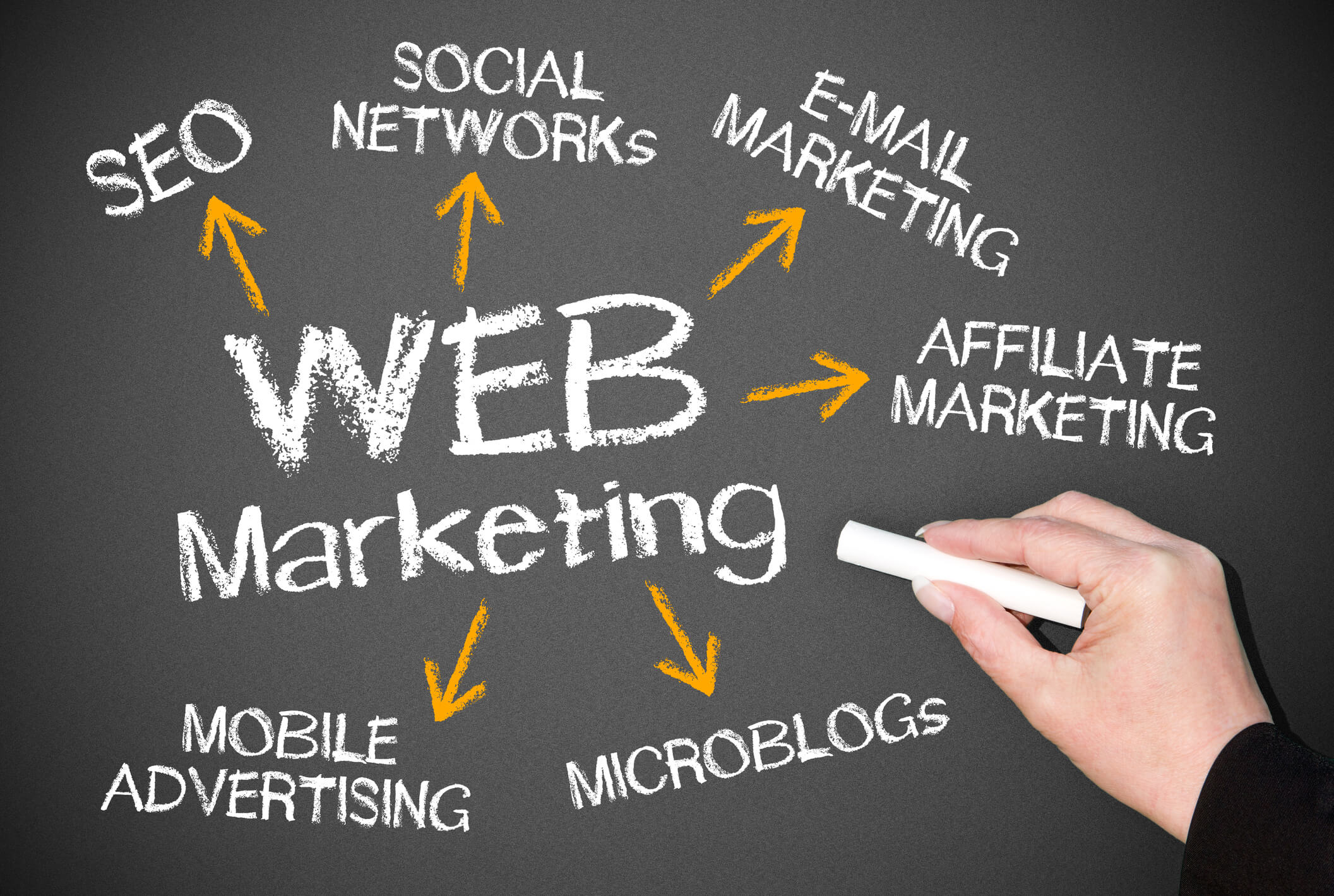
Guerrilla web marketing is a variation of guerrilla marketing that is specifically designed for the online world. It involves using unconventional tactics to drive traffic to a website or social media page. These tactics can include viral marketing, social media marketing, search engine optimization, and content marketing.
Principles of Guerrilla Marketing
The principles of guerrilla marketing are based on the idea that creativity and surprise are the keys to success. By using unconventional tactics, you can create a buzz and generate interest in your product or service without spending a lot of money on traditional marketing methods.
One of the key principles of guerrilla marketing is to think outside the box. Instead of relying on traditional marketing methods, you need to be creative and come up with new and innovative ideas that will grab people’s attention.
Another principle of guerrilla marketing is to focus on low-cost tactics. Instead of spending a lot of money on advertising, you need to find ways to promote your product or service that are affordable and effective.
Finally, guerrilla marketing is all about creating a sense of surprise. By doing something unexpected or unconventional, you can capture people’s attention and generate interest in your product or service.
Overall, guerrilla web marketing is an effective way to promote your product or service online without spending a lot of money on traditional marketing methods. By using creativity, surprise, and low-cost tactics, you can generate interest and drive traffic to your website or social media page.
Advantages of Guerrilla Web Marketing
Guerrilla Web Marketing is a low-cost, high-impact marketing strategy that can help businesses create a lasting impression on their target audience. Here are some of the advantages of employing guerrilla web marketing:
Cost-Effectiveness
One of the most significant advantages of guerrilla web marketing is its cost-effectiveness. Unlike traditional marketing methods, guerrilla marketing does not require a large budget. You can use social media platforms, email marketing, and other online tools to reach out to your target audience without spending a lot of money. This makes it an ideal marketing strategy for small businesses and startups that have limited resources.
High Impact and Memorability
Guerrilla web marketing is all about creating a memorable experience for your target audience. By using surprise, humour, or an element of surprise, you can create a lasting impression on your audience. This can help you stand out from your competitors and increase brand awareness. By creating a memorable experience, you can also encourage your audience to share your content with others, which can help your message go viral.
Enhanced Reach and Virality
Another advantage of guerrilla web marketing is its enhanced reach and virality. By creating content that is shareable and engaging, you can encourage your audience to share your content with others. This can help your message reach a wider audience and increase your brand’s visibility. Social media platforms like Facebook, Twitter, and Instagram are ideal for guerrilla marketing as they allow you to reach a large audience quickly and easily.
In conclusion, guerrilla web marketing is a cost-effective, memorable, and viral marketing strategy that can help businesses create a lasting impression on their target audience. By using surprise, humour, or an element of surprise, you can create a memorable experience for your audience and encourage them to share your content with others. Social media platforms are ideal for guerrilla marketing as they allow you to reach a large audience quickly and easily.
Strategies and Tactics
When it comes to guerilla web marketing, there are a variety of strategies and tactics that companies can employ to get their message across in a unique and attention-grabbing way. Here are a few of the most effective:
Leveraging Social Media
Social media platforms such as Facebook, Twitter, and Instagram can be incredibly powerful tools for guerilla marketing. By creating viral marketing campaigns that encourage users to share content with their friends and followers, companies can generate buzz and get their message in front of a wider audience.
Ambient and Experiential Approaches
Ambient marketing and experiential marketing are both powerful tools for guerilla web marketing. Ambient marketing involves placing ads or messages in public environments where they will be seen by a large number of people, such as on the sides of buildings or on public transport. Experiential marketing, on the other hand, involves creating immersive experiences that allow customers to interact with a brand in a unique and memorable way.
Employing Shock and Surprise
One of the most effective tactics for guerilla web marketing is to employ shock and surprise. By creating publicity stunts or other attention-grabbing events, companies can generate buzz and get their message in front of a wider audience. This can be particularly effective when combined with social media campaigns, as users are more likely to share content that is surprising or shocking.
Overall, the key to successful guerilla web marketing is to think outside the box and come up with creative, attention-grabbing ways to get your message in front of your target audience. By leveraging social media, ambient and experiential approaches, and shock and surprise tactics, companies can generate buzz and increase their visibility in a crowded online marketplace.
Comparing Guerrilla Marketing to Traditional Marketing
When it comes to marketing your business, there are two main approaches you can take: traditional marketing and guerrilla marketing. While traditional marketing relies on conventional advertising methods, guerrilla marketing takes a more unconventional approach to promote your brand.
Differences in Approach
Traditional marketing typically involves using paid advertising methods such as TV commercials, print ads, and billboards to promote your brand to a wide audience. This approach is often expensive and may not be effective in reaching your target audience.
On the other hand, guerrilla marketing takes a more creative and unconventional approach to advertising. This approach involves using low-cost tactics such as social media, street art, and flash mobs to engage your target audience and create a buzz around your brand.
Effectiveness and Engagement
While traditional marketing may be effective in creating brand awareness, it may not engage your target audience in the same way as guerrilla marketing. Guerrilla marketing often creates a more memorable and engaging experience for your audience, which can lead to increased brand awareness and customer loyalty.
Moreover, guerrilla marketing can be more cost-effective than traditional marketing, as it involves using low-cost tactics that can be executed with minimal resources. This can be especially beneficial for small businesses with limited marketing budgets.
In conclusion, both traditional marketing and guerrilla marketing have their strengths and weaknesses. While traditional marketing may be effective in creating brand awareness, it may not engage your target audience in the same way as guerrilla marketing. Guerrilla marketing, on the other hand, can be more cost-effective and engaging, making it a great option for small businesses looking to promote their brand in a creative and unconventional way.
Case Studies and Examples
Guerilla web marketing can be a highly effective way for companies to stand out and grab the attention of their target audience. Successful campaigns have been run by various companies, including Burger King and Coca-Cola.
Successful Campaigns
One of the most famous examples of guerilla web marketing is Burger King’s “Subservient Chicken” campaign. The campaign involved a website where users could type in commands for a man in a chicken suit to perform. The campaign was a massive success, with over 1 billion hits to the website and a significant boost in sales for Burger King.
Coca-Cola is another company that has successfully employed guerilla web marketing tactics. In one campaign, the company used a flash mob to surprise and delight commuters in a train station. The flash mob danced to a choreographed routine, which was filmed and shared on social media. The campaign was a huge success, with the video going viral and generating millions of views.
Lessons Learned
One of the key insights from successful guerilla web marketing campaigns is the importance of brand association. Burger King’s “Subservient Chicken” campaign was successful because it was an extension of the company’s irreverent and humorous brand identity. Similarly, Coca-Cola’s flash mob campaign was successful because it aligned with the company’s brand values of happiness and joy.
Another important factor to consider when running a guerilla web marketing campaign is public perception. Companies need to be aware of how their campaign will be perceived by the public and take steps to mitigate any negative reactions. For example, Burger King’s “Subservient Chicken” campaign was controversial in some circles, but the company was able to weather the storm by responding quickly and effectively to criticism.
Overall, guerilla web marketing can be a highly effective way for companies to reach their target audience and generate buzz around their brand. By following the lessons learned from successful campaigns and being mindful of public perception, companies can create campaigns that are both engaging and effective.
Challenges and Considerations
Guerilla marketing strategies can be highly effective in generating buzz and attracting attention. However, there are several challenges and considerations that companies must take into account before employing these tactics.
Legal and Ethical Issues
One of the main challenges of guerilla marketing is navigating the legal and ethical issues that may arise. Ambush marketing, for example, can be controversial and may lead to legal action if not executed carefully. It is important to ensure that your guerilla marketing campaign does not infringe on any existing trademarks or intellectual property rights. Additionally, it is important to consider the potential backlash from consumers who may view your tactics as deceptive or manipulative.
Balancing Creativity and Risk
Another consideration when employing guerilla marketing is balancing creativity with risk. Guerilla marketing campaigns are often designed to be attention-grabbing and unconventional, which can be risky if not executed carefully. It is important to consider the potential risks associated with your campaign and weigh them against the potential benefits. Additionally, it is important to ensure that your campaign aligns with your brand values and messaging to avoid public backlash.
In conclusion, guerilla web marketing can be a highly effective way to generate buzz and attract attention to your brand. However, it is important to carefully consider the legal and ethical implications of your campaign, as well as balancing creativity with risk. By taking these considerations into account, you can create a successful guerilla marketing campaign that generates positive results for your business.
Measuring Success and ROI
When it comes to guerilla web marketing, measuring success and ROI is crucial. By tracking metrics and analytics, you can determine whether your marketing strategies are effective or not. This information can help you make adjustments to your tactics for optimal results.
Metrics and Analytics
To measure the success of your guerilla web marketing campaign, you need to track various metrics and analytics. These include:
- Sales: The number of products or services sold as a result of your marketing campaign.
- Leads: The number of potential customers who have shown interest in your product or service.
- Profits: The amount of money your company has earned from the campaign.
- Marketing Strategies: The tactics you have used to promote your product or service.
- Target Market: The specific audience you are trying to reach with your marketing campaign.
By tracking these metrics, you can determine which strategies are working and which ones need to be adjusted. For example, if you notice that your campaign is generating a lot of leads but not many sales, you may need to adjust your tactics to better convert those leads into paying customers.
Adjusting Strategies for Optimal Results
Once you have tracked your metrics and analytics, it’s time to adjust your strategies for optimal results. This may involve tweaking your messaging, targeting a different audience, or using a different marketing channel altogether.
For example, if you notice that your campaign is generating a lot of leads but not many sales, you may need to adjust your messaging to better address the pain points of your target market. Alternatively, you may need to target a different audience altogether if your current audience is not responding to your messaging.
By making these adjustments, you can improve the ROI of your guerilla web marketing campaign and ensure that you are getting the most out of your marketing budget.
Future of Guerrilla Web Marketing
Guerrilla web marketing has been a successful strategy for companies looking to promote their brand and products in a creative and cost-effective way. As technology continues to evolve, the future of guerrilla web marketing is looking bright. In this section, we will explore some emerging trends and how companies can adapt to changing technologies to ensure their guerrilla web marketing campaigns remain effective.
Emerging Trends
One of the emerging trends in guerrilla web marketing is the use of social media. With the rise of social media platforms like Facebook, Twitter, and Instagram, companies can now reach a wider audience with their guerrilla marketing campaigns. Social media platforms provide an excellent opportunity for companies to engage with their audience and create a buzz around their brand.
Another emerging trend is the use of innovative technology. Augmented reality, virtual reality, and AI are just a few examples of the technologies that companies can use to create unique and engaging guerrilla marketing campaigns. These technologies provide a new level of interactivity and engagement to customers, making it easier for companies to grab their attention.
Adapting to Changing Technologies
To remain effective, companies must adapt to changing technologies. This means constantly innovating and experimenting with new ideas and strategies. With the rapid pace of technological advancements, companies must stay up-to-date with the latest trends and technologies to remain relevant.
One way to adapt to changing technologies is to embrace digital marketing. Digital marketing provides companies with a cost-effective way to reach a wider audience. Companies can use techniques like SEO, PPC, and content marketing to promote their brand and products online.
Another way to adapt is to be flexible and willing to change. Guerrilla web marketing is all about being creative and thinking outside the box. Companies that are willing to take risks and try new things are more likely to succeed with their guerrilla marketing campaigns.
In conclusion, the future of guerrilla web marketing is looking bright. With the emergence of new technologies and the rise of social media, companies have more opportunities than ever to create unique and engaging guerrilla marketing campaigns. By adapting to changing technologies and being flexible, companies can ensure their guerrilla marketing campaigns remain effective and continue to drive results.
Frequently Asked Questions
What are the benefits of employing guerrilla marketing tactics for businesses?
Guerrilla marketing tactics can be a cost-effective way for businesses to reach a wider audience and generate buzz around their brand or products. By using unconventional marketing techniques, businesses can create a memorable experience for their target audience, which can lead to increased brand recognition and customer loyalty.
How can guerrilla marketing contribute to brand awareness?
Guerrilla marketing tactics are often designed to be attention-grabbing and memorable, which can help to increase brand awareness. By creating a unique and memorable experience for their target audience, businesses can generate buzz around their brand and products, which can lead to increased visibility and customer engagement.
In what situations is guerrilla marketing most effective for a company?
Guerrilla marketing can be most effective for companies that are looking to generate buzz around a new product or service, or for companies that are looking to reach a wider audience with a limited marketing budget. Guerrilla marketing tactics can be particularly effective for businesses that are targeting a younger, tech-savvy audience.
Which industries have successfully adopted guerrilla marketing strategies?
Guerrilla marketing tactics have been successfully adopted by a wide range of industries, including retail, hospitality, entertainment, and technology. Some examples of successful guerrilla marketing campaigns include Red Bull’s “Stratos” campaign, which involved a high-altitude skydive from the edge of space, and Airbnb’s “Van Gogh’s Bedroom” campaign, which recreated Van Gogh’s famous painting in a real-life bedroom.
What are the risks associated with guerrilla marketing for companies?
Guerrilla marketing tactics can be risky for companies, as they often involve unconventional or controversial marketing techniques. If not executed carefully, these tactics can backfire and damage a company’s reputation. Additionally, guerrilla marketing campaigns can be difficult to measure in terms of their impact on sales and revenue, which can make it difficult for companies to justify the cost of these campaigns.
How does guerrilla marketing differ from traditional marketing approaches?
Guerrilla marketing differs from traditional marketing approaches in that it focuses on creating a unique and memorable experience for the target audience, rather than simply promoting a product or service. Guerrilla marketing tactics are often designed to be attention-grabbing and unconventional, which can help to generate buzz around a brand or product. Traditional marketing approaches, on the other hand, typically involve more traditional advertising methods, such as print or television ads.