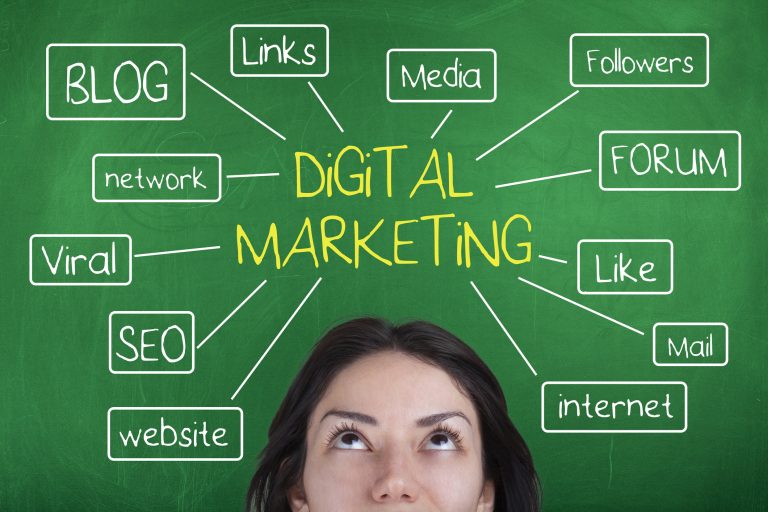
Faceless digital marketing refers to marketing strategies that prioritise anonymity and privacy while still reaching potential customers. This approach focuses on utilising digital channels without revealing the identities of marketers or brands, allowing for a unique way to engage audiences.
As consumers become more aware of their online privacy, faceless digital marketing presents an opportunity to connect with them in a less intrusive manner.
Many businesses are exploring this tactic to effectively build trust and engagement while navigating the challenges of modern consumer behaviour. By leveraging various platforms and content types, you can create impactful marketing campaigns that resonate with your target audience. Understanding this strategy can enhance your marketing efforts and lead to meaningful business growth.
Key Takeaways
- Faceless digital marketing prioritises privacy while engaging audiences.
- Effective strategies can lead to increased trust and community building.
- This approach can support monetisation and sustainable business growth.
Understanding Faceless Digital Marketing
Faceless digital marketing focuses on promoting products or services without personal representation. This approach prioritises privacy and anonymity, offering brands a way to connect with audiences while maintaining a level of distance. It is crucial to explore its definition, the role of privacy, and how it compares to personal branding.
Defining Faceless Marketing
Faceless marketing involves engaging customers without revealing individual identities. Brands often use avatars, generic images, or unbranded content to create a connection. This type of marketing can be especially effective for audiences valuing privacy. By not showcasing personal identities, businesses can focus on the message rather than the messenger.
Faceless marketing can be beneficial in several ways. It attracts a wider audience, allows for creativity without the pressure of personal branding, and offers flexibility concerning content creation. Companies can adapt their strategies without being tied to a specific persona, enabling innovative campaigns that resonate with diverse groups.
Privacy and Anonymity
Privacy and anonymity are central to faceless digital marketing. Your audience may prefer to engage with brands that respect their data and identity. By not attaching personal names or histories to marketing efforts, companies create a safe space for consumers to explore products or services without fear of judgment or data breaches.
This method also helps brands avoid potential biases. Without personal identities in play, the focus shifts to the quality of what you are offering. Brands can develop trust through consistent messaging rather than relying on an individual’s reputation or appearance.
Comparison with Personal Branding
Faceless marketing stands in contrast to personal branding. While personal branding emphasises individual identity and reputation, faceless marketing centres on the product or service itself. Personal branding often involves building a following based on the individual’s characteristics and expertise.
In contrast, faceless approaches can appeal to those wanting authenticity without the trappings of personality. This method can sometimes lead to more inclusive marketing. By removing personal biases, you can create campaigns that resonate on a broader level. Each approach serves unique goals, depending on the target audience’s preferences and the brand’s mission.
Benefits and Challenges
Faceless digital marketing offers distinct advantages and several challenges. Understanding these aspects will help you decide if this approach suits your goals.
Advantages of Going Faceless
One main benefit is the scalability of your marketing efforts. Without a personal brand, you can focus on creating content that appeals to a wider audience. This strategy allows you to quickly adapt your messaging based on analytics and audience feedback.
Content creation can also be more streamlined. You don’t need to worry about maintaining a personal image, letting you experiment with various styles and formats. This flexibility can often lead to more creative and engaging campaigns.
Privacy and anonymity are further advantages. By keeping your identity hidden, you reduce personal risk and can protect your data. This aspect can be particularly appealing in today’s digital landscape, where privacy concerns are paramount.
Potential Drawbacks
While there are clear benefits, challenges exist. Trust and credibility can suffer when your brand is faceless. Consumers often gravitate towards brands with a personal touch. They seek authenticity, and a lack of visibility can deter potential customers.
Additionally, content creation may become disjointed. Without a consistent voice or personality, your audience might struggle to connect with your messaging. This can lead to confusion over brand identity and diminish engagement.
Lastly, the lack of a personal connection can make it harder to build loyal relationships. In a world saturated with choices, brands that connect personally often retain customers more effectively than faceless ones.
Strategies for Effective Faceless Marketing
Ineffective faceless marketing, you focus on creating strong connections without revealing personal identities. Key approaches involve producing high-quality content, utilising SEO, leveraging automation, and incorporating AI and technology. Each of these strategies can enhance your digital marketing efforts.
Content Quality and Engagement
Creating high-quality content is crucial for attracting and retaining your audience. Focus on delivering value through informative articles, engaging videos, and eye-catching graphics. Your content should be relevant and tailored to the interests of your target market.
Engagement is another key factor. Encourage interaction through comments, polls, and social media shares. This not only fosters connections but can also lead to increased engagement rates. When users feel involved, they are more likely to share your content, amplifying your reach.
Utilising SEO and Analytics
Search Engine Optimisation (SEO) helps your content rank higher on search engines, making it easier for potential customers to find you. Use keyword research to identify terms that your audience searches for. Incorporate these keywords into titles, headers, and body text to improve visibility.
Analytics play a significant role in understanding how your content performs. Use tools like Google Analytics to track user behaviour. This will inform your digital marketing strategy by showing you what works and what doesn’t, allowing for ongoing improvement.
Leveraging Automation
Automation can streamline your marketing processes. Schedule posts using automation tools to maintain a consistent online presence. This not only saves time but also allows you to focus on creating content.
Consider using marketing automation software to manage email campaigns and customer relationships. Automated responses can engage users promptly, enhancing their experience without requiring constant personal oversight.
Incorporating AI and Technology
AI tools can significantly boost your marketing efforts. They help you analyse large sets of data, making it easier to identify trends and consumer preferences. This data can inform your content strategy and improve targeting.
Using AI-driven tools can also enhance your customer interactions. Chatbots provide instant responses, ensuring that user queries are addressed quickly. This not only improves engagement but also enhances the overall user experience, making your marketing efforts more effective.
Platforms and Content Types
Choosing the right platforms and types of content is crucial in faceless digital marketing. You must focus on where your audience spends their time and how to engage them effectively through various content forms.
Selecting Social Media Platforms
When selecting social media platforms, consider your target audience. Different platforms attract different demographics. For instance, Instagram and TikTok are popular with younger users, while Facebook has a broader age range.
Identify which platforms align best with your marketing goals. You might choose Instagram for visual content or LinkedIn for professional networking.
Do not forget the impact of user-generated content. Encouraging customers to share their experiences can enhance brand visibility on these platforms.
Regularly analyse engagement metrics to measure success. Adjust your approach based on which platforms yield the best results for your campaigns.
Variety in Content Creation
Diverse content types can significantly enhance your digital marketing strategy. Consider using video editing to create engaging videos. They can effectively demonstrate your products, share testimonials, or provide educational content.
In addition to videos, think about creating e-books or e-book templates that offer valuable information to your audience. This can position you as an authority in your field.
User-generated content can also play a vital role. Sharing posts made by your customers showcases real-life use and satisfaction with your products.
Mixing these formats keeps your audience engaged and makes your brand more relatable. It demonstrates versatility and helps you connect on multiple levels.
Building Trust and Engagement
In the realm of faceless digital marketing, building trust and engaging your audience is crucial. You can achieve this by developing a strong brand voice and utilising effective storytelling techniques. These elements help create emotional connections with your audience, even without a physical presence.
Cultivating a Brand Voice
Your brand voice is the unique way you communicate with your audience. It reflects your values and personality. Establishing a consistent voice helps create familiarity and trust.
Key aspects of cultivating a brand voice include:
- Define Your Tone: Decide whether your brand should sound professional, friendly, or quirky. This sets expectations for your audience.
- Stay Consistent: Use the same language and style across all platforms. This builds recognition and reliability.
- Listen to Your Audience: Pay attention to feedback and adapt your voice to resonate better. This shows you value their opinions.
When your audience recognises and feels comfortable with your voice, they are more likely to engage with your content.
Storytelling without a Face
Storytelling is an effective way to connect with your audience without needing a physical representation. You can create narratives that resonate emotionally, drawing people in.
To enhance storytelling, consider the following:
- Focus on Relatable Experiences: Share stories that reflect your audience’s challenges and aspirations. This fosters a sense of understanding.
- Use Visuals: Incorporate images, videos, or infographics that complement your story. These can strengthen the emotional impact.
- Create a Journey: Guide your audience through a narrative that invokes feelings and piques interest. This keeps them engaged and eager to follow along.
Effective storytelling, even in a faceless context, can significantly enhance audience engagement and trust.
Monetisation and Business Growth
In the world of faceless digital marketing, monetisation and business growth are crucial for success. Understanding diverse methods to make money and strategies for scaling can help you thrive in the online landscape.
Diverse Monetisation Methods
There are several monetisation strategies you can implement in your online business. Affiliate marketing is popular, allowing you to earn a commission by promoting products or services from other companies. You can use your website or social media for this purpose.
You may also explore ad placement on your platforms. This involves displaying ads and earning revenue based on clicks or impressions. Offering digital products, such as e-books or online courses, can create passive income.
Subscription models can also work well, where users pay for premium content or services. These diverse methods can enhance your revenue streams and provide stability for your side hustle.
Measuring and Scaling Success
To measure success in faceless digital marketing, focus on key performance indicators (KPIs). Conversions are vital, indicating how many visitors take action, such as buying a product. Tracking these metrics helps you understand what works and what doesn’t.
Utilise tools like Google Analytics to gather data on user behaviour. This insight allows you to refine your strategies and improve conversions.
Scaling your efforts involves investing in tools or services that automate processes. For example, using email marketing software can help you reach a broader audience efficiently. Evaluating and updating your strategies will support continuous growth in your online business.
Content Focus and Niche Selection
Focusing on content and selecting the right niche are key steps for success in faceless digital marketing. You must understand your target audience and align your content with their needs while building a strong brand identity.
Identifying and Targeting a Niche
To choose a niche, start by researching areas that interest you and have market demand. Consider your brand values and what makes your business unique. Look for niche ideas that blend your interests with potential customer needs.
Use tools like Google Trends or keyword planners to analyse search volumes. This helps you pinpoint what users are looking for and identify gaps in the market. Once you define your niche, target specific audiences for tailored messaging that resonates with them.
Content Focus and Customisation
Content focus is about creating material that aligns with your niche and speaks directly to your audience. To achieve this, develop a clear content strategy that reflects your brand identity.
Your content should engage your audience through various formats like blogs, videos, and social media posts. Customise content to reflect the preferences of your target market, such as their language, culture, and interests.
Regularly assess engagement metrics to adjust your content strategy. By focusing on relevant content and customising it for your audience, you strengthen your brand’s connection and credibility, leading to better results in your digital marketing efforts.
Marketing Campaigns and Community
Creating effective marketing campaigns hinges on understanding how to engage your audience and foster a sense of community. You need to focus on designing campaigns that resonate and building community connections that inspire loyalty.
Designing Impactful Campaigns
When designing marketing campaigns, start by defining clear goals. What do you want to achieve? Use insights from your target audience to shape your strategy. Identify their needs, preferences, and behaviours.
Incorporate various digital marketing strategies like social media, email, and content marketing. Tailor your messaging for each platform to maximise engagement. Consider using user-generated content. This not only builds trust but encourages participation from your community.
You should also track the success of your campaigns through metrics. Analyse engagement rates, conversions, and feedback to refine future efforts. By continually adjusting your approach, you maintain relevance and effectiveness in your marketing.
Fostering a Community Around Content
Building a community is about more than just broadcasting your message. It involves creating a space where your audience feels valued. Start by curating relevant content that speaks directly to their interests.
Encourage discussions through community engagement. This can be in the form of comments on your content, social media interactions, or forums. Respond actively to feedback to strengthen those connections.
Consider hosting events or creating exclusive content for your community. This approach deepens relationships and fosters loyalty. Additionally, spotlighting user-generated content highlights community members and their contributions, reinforcing their importance to your brand.
Doing so not only enriches your content marketing efforts but also transforms your audience into a vibrant community around your brand.
Trending Topics and Evergreen Content
In content marketing, it is essential to balance trending topics with evergreen content. Trending topics can attract immediate attention, while evergreen content provides lasting value. Understanding how to effectively leverage both can enhance your online presence.
Leveraging Trending Topics
Trending topics can drive significant traffic to your digital platforms. By tapping into current events or popular discussions, you can create relevant content that resonates with your audience.
To successfully leverage trending topics:
- Monitor Social Media: Use tools like Twitter Trends or Google Trends to identify what is gaining traction.
- Use Hashtags: Incorporate popular hashtags to increase visibility.
- Be Quick: Act fast to create content, as trends can fade quickly.
By aligning your content with what people are currently interested in, you can increase engagement and reach a wider audience.
Creating Sustainable Evergreen Content
Evergreen content remains relevant over time, providing continuous value. This type of content often answers common questions, offers tutorials, or explains essential concepts in your field.
Key points for creating evergreen content include:
- Identify Core Topics: Focus on subjects that have long-term interest, such as “How to Start a Blog” or “Basics of SEO”.
- Update Regularly: Refresh content to keep it accurate and relevant.
- Use Clear and Engaging Formats: Infographics, listicles, and how-to guides perform well.
By producing evergreen content, you ensure that your audience can always find useful information, strengthening your brand’s authority in your niche.
Supplementary Resources and Education
In today’s digital marketing world, staying informed and educated is crucial. You can enhance your knowledge through courses and materials focused on digital marketing strategies, especially in a faceless context. Additionally, keeping up-to-date with advancements in AI and technology will empower you to leverage new tools effectively.
Courses and Learning Material
You can find numerous online courses tailored to faceless digital marketing. Platforms like Coursera and Udemy offer courses on topics such as SEO, content marketing, and social media strategies. These courses often include video lessons, quizzes, and forums to discuss ideas with peers.
Many educators create free resources, such as blogs and webinars, providing insights into the latest techniques and trends. Websites like HubSpot Academy offer certifications at no charge. You can use these educational materials to build your skills, giving you a solid foundation for your marketing efforts.
Updates in AI and Technology
AI is transforming digital marketing, providing tools that enhance efficiency and strategies. You should follow reputable tech news sites and blogs for the latest updates. For instance, tools like chatbots and personalised marketing software are becoming more common.
Staying informed will help you adapt to changes in the market. Subscribing to newsletters or attending webinars on AI advancements can deepen your understanding. This knowledge can guide you in selecting the right tools to improve your marketing strategies and maintain a competitive edge.
Frequently Asked Questions
Faceless digital marketing allows you to engage in marketing activities without revealing your personal identity. This section answers common questions about how to start and implement a faceless digital marketing strategy successfully.
How can one initiate a digital marketing strategy without revealing personal identity?
To begin a faceless digital marketing strategy, create a brand identity that doesn’t tie back to you personally. Use a business name and logo rather than your own name. Establish social media profiles and websites that focus on your products or services while maintaining anonymity.
What constitutes faceless digital marketing and how is it implemented?
Faceless digital marketing includes tactics such as content marketing, social media advertising, and search engine optimisation (SEO) that are carried out without associating your personal identity. You can use tools like scheduling software and anonymous accounts to manage your marketing efforts effectively.
Are there recognised examples where faceless digital marketing has succeeded?
Yes, numerous brands have successfully used faceless digital marketing. Companies such as Dollar Shave Club and many e-commerce sites operate without a visible founder or owner. They focus on brand messaging and customer engagement rather than personal identity.
What are the legal considerations to bear in mind when engaging in faceless digital marketing?
You should adhere to advertising laws and regulations, which vary by region. Ensure transparent communication with your audience and comply with data protection laws. It is vital to keep your marketing practices ethical, even if your identity remains hidden.
In what ways can Instagram be utilised for marketing without showcasing an individual’s identity?
You can create an Instagram business account that focuses on your products or services. Post high-quality images, use relevant hashtags, and engage with your audience through comments and stories. Collaborating with influencers can also help promote your brand without revealing your identity.
How to start a digital marketing endeavour with minimal to no budget?
Begin by leveraging free tools available online, such as social media platforms and email marketing services. Create quality content that can attract organic traffic. Focus on building a community through engagement and valuable content rather than spending on paid advertising.