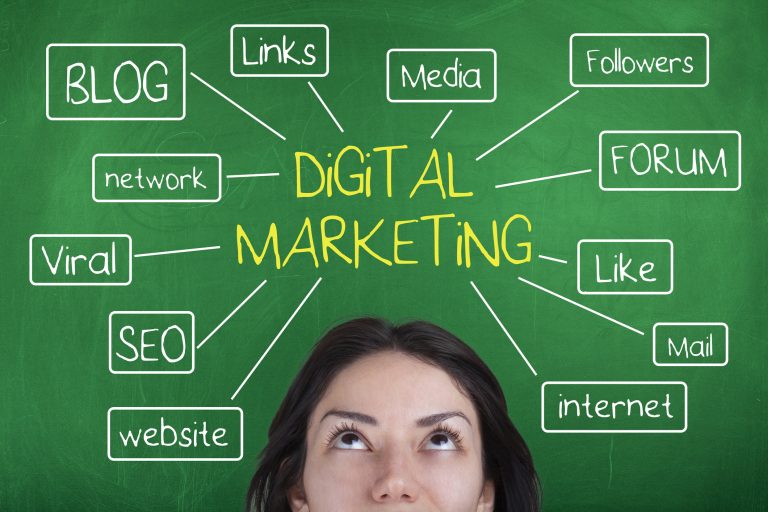
Starting your digital marketing journey from home is both exciting and achievable. Learn the basics of digital marketing, set up a dedicated workspace, and create a strategy tailored to your goals. With the right tools and resources, you can begin attracting customers and building your brand online.
As you dive into this field, it’s essential to develop your skills and understand the different aspects of digital marketing, such as social media, SEO, and content creation. You can effectively execute marketing campaigns that resonate with your audience. Measuring and analysing results will help you refine your approach and grow your home-based marketing efforts.
The opportunities in digital marketing are vast, and you can scale your efforts as you gain more experience. Whether you’re looking to promote a small business or launch a full-fledged marketing career, the digital landscape offers many pathways to success.
Key Takeaways
- Understand the fundamentals of digital marketing to create effective strategies.
- Measure your results to continually improve your marketing efforts.
- Build your skills and knowledge to advance in your digital marketing career.
Setting Up Your Home Office
Creating a productive home office is essential for successful remote work in digital marketing. A well-organised space enhances focus and efficiency, while the right technologies and tools can streamline your tasks.
Choosing a Dedicated Workspace
Select a specific space in your home that is free from distractions. This could be a spare room, a corner of the living room, or even a separate office if available. Ensure it has enough room for a desk and chair.
Consider factors such as natural light and ventilation, as these contribute to comfort. Keep your workspace organised and clutter-free. Use storage solutions like shelves and filing cabinets to maintain a tidy environment.
Personalise your space with motivational items, such as a vision board or plants. This can boost your creativity and make your work area inviting.
Essential Technologies and Tools
The right technologies are crucial for efficient home-based digital marketing. Start with a reliable computer, whether a laptop or desktop, that can handle the software you need.
Invest in high-speed internet for smooth video calls and quick file uploads. Consider using project management tools like Trello or Asana to keep track of tasks and deadlines.
Communication tools, such as Slack or Zoom, are vital for collaborating with colleagues. Familiarise yourself with digital marketing tools such as Hootsuite to manage social media or Google Analytics for tracking website performance.
By ensuring you have the right technology and a dedicated workspace, you set the foundation for a successful digital marketing career from home.
Understanding Digital Marketing Fundamentals
Digital marketing is essential for anyone looking to build a successful online business. It encompasses various strategies and tools that can help you reach your target audience effectively. Grasping the fundamentals will enable you to set a strong foundation for your marketing efforts.
Types of Digital Marketing
Digital marketing includes several types that cater to different audience needs. Here are the main types:
- Search Engine Optimisation (SEO): This improves your website’s visibility on search engines. By using the right keywords, you can attract organic traffic.
- Content Marketing: This focuses on creating valuable content that engages your audience. Blog posts, videos, and infographics are useful tools.
- Social Media Marketing: Using platforms like Facebook and Instagram allows you to interact with your audience directly. It’s a powerful tool for building your brand.
- Email Marketing: This involves sending targeted messages to your audience. It’s effective for nurturing leads and promoting products.
- Pay-Per-Click (PPC) Advertising: This is a paid strategy that allows you to appear in search results quickly. Google Ads is a common platform for this.
Understanding these types can help you choose the best strategy for your business.
Building an Online Presence
Creating a strong online presence is crucial for success. Here are some key elements to consider:
- Professional Website: Your website should be user-friendly and reflect your brand. Ensure it has clear navigation and compelling content.
- Social Media Profiles: Establishing profiles on platforms where your target audience engages enhances visibility. Post regularly to maintain engagement.
- Personal Brand: Building a personal brand sets you apart from competitors. Share your expertise and showcase your personality.
Having a solid online presence increases your chances of reaching potential customers and enhances your credibility.
Digital Marketing Skills and Experience
To succeed in digital marketing, you need a blend of skills and experience. Here are essential skills:
- SEO Skills: Knowing how to optimise your content can drive traffic to your site.
- Content Creation: Being able to create engaging content is vital for attracting and retaining visitors.
- Copywriting: Good copywriting persuades users to take action, whether that’s clicking a link or making a purchase.
- Graphic Design: Visuals are crucial online. Basic design skills can aid in creating appealing graphics.
Certifications, like Google Ads Certification, can also boost your credibility and showcase your knowledge in digital marketing.
Creating a Digital Marketing Strategy
To effectively launch your digital marketing efforts from home, crafting a well-thought-out strategy is essential. This involves understanding who your audience is and how you plan to reach them. Key elements include identifying your target market and developing a comprehensive marketing plan that outlines your approach.
Identifying Your Target Market
Identifying your target market is crucial for the success of your digital marketing strategy. Start by conducting thorough market research to understand who your potential customers are. This includes analysing demographics like age, gender, and location.
Use tools like surveys and social media insights to gather data. Competitive analysis can also provide insights into what works for others in your field. Focus on understanding their needs and preferences.
Once you know your audience, create specific buyer personas. These personas will help tailor your marketing strategies to resonate with your audience effectively, improving brand awareness and engagement.
Developing a Comprehensive Marketing Plan
A well-defined marketing plan guides your efforts towards measurable results. Begin by outlining your goals and objectives. Make sure they align with your overall business plan.
Choose appropriate marketing strategies that fit your budget and goals. Consider options such as content marketing, social media, and email campaigns. Specify which platforms you will use and what kind of content you need to create.
Be sure to include metrics for tracking your results. Setting measurable targets will help you assess your success and make adjustments. A strong plan not only directs your efforts but also reinforces your digital marketing strategy in achieving sustained growth.
Building and Maximising Your Skills
To succeed in digital marketing from home, it’s crucial to focus on developing your skills and expanding your network. Both areas play significant roles in enhancing your career prospects and staying up-to-date with industry trends.
Continuous Learning and Development
The digital marketing field is always changing. To keep up, you should engage in continuous learning. Enrol in online courses that cover essential topics such as social media management and SEO. Websites like Coursera, Udemy, and LinkedIn Learning offer a variety of courses.
Certifications can also boost your credibility. Consider programmes from Google Analytics, HubSpot, or the Digital Marketing Institute.
Participate in webinars and workshops to learn from industry experts. These sessions often cover the latest marketing trends and effective strategies. Always keep an eye on upcoming industry events or conferences. These events not only offer valuable content but also networking opportunities.
Expanding Your Network
Networking is just as important as acquiring new skills. Connect with others in the field through social media platforms like LinkedIn. Joining relevant groups can lead to valuable discussions and insights on current industry trends.
Attend virtual meetups and industry events to meet professionals who can offer guidance or collaboration opportunities.
Don’t hesitate to reach out to mentors who can help you navigate your career in digital marketing. Building relationships with others can lead to job opportunities and partnerships.
By creating a solid network, you can stay informed and support each other in your digital marketing journeys.
Executing Marketing Campaigns
Executing successful marketing campaigns is vital for reaching your audience and boosting conversions. Focus on creating valuable content, leveraging digital channels like email and social media, and employing targeted advertising strategies to maximise your reach.
Creating High-Quality Content
Creating high-quality content is the foundation of effective marketing. Valuable content can attract and engage potential customers. This includes articles, blog posts, videos, and infographics that address your audience’s needs.
Set clear goals for your content. Use keyword research to identify what your target audience is searching for. Incorporate these keywords naturally in your writing for better search engine optimisation (SEO).
Consistency is key. Develop a content calendar to help maintain a regular publishing schedule. This will not only keep your current audience engaged but also improve your online visibility.
Leveraging Email and Social Media
Email campaigns and social media accounts are powerful tools to connect with your audience. Start by building an email list through newsletters or downloadable resources. Make sure your messages are relevant and personalised.
Social media platforms allow for direct interaction with your audience. Use these channels to share your content, promote your products, and engage with followers. Post regularly, and consider using paid ads for targeted advertising.
Incorporate messaging strategies that resonate with your audience. Use analytics tools like Google Analytics to track engagement and refine your approach based on what works best.
Search and Advertisement Tactics
Search engine optimisation (SEO) and pay-per-click (PPC) advertising are essential for driving traffic to your website. SEO focuses on improving your website’s ranking in organic search results. Research relevant keywords and optimise your site accordingly.
PPC advertising, like Google Ads, allows you to create targeted ads that appear on search engine results. This can be a cost-effective way to gain visibility quickly. Set a budget, and monitor your campaigns using Google Analytics to assess their performance.
Combine these tactics for a well-rounded approach. Use the insights gathered to continuously optimise your campaigns, ensuring you reach your desired audience effectively.
Measuring and Analysing Results
To succeed in digital marketing from home, it is essential to measure and analyse your results effectively. This process involves understanding how to gather and interpret valuable data. You can then adjust your strategies to improve performance and reach your target audience more efficiently.
Understanding Analytics and Feedback
A key tool in measuring results is Google Analytics. This platform helps you track user behaviour on your website, providing insights into traffic sources, visitor demographics, and engagement patterns. Monitoring metrics such as conversion rates and bounce rates will inform you about your audience’s preferences and experiences.
Using this data, you can identify which marketing approaches are working and which need improvement. Feedback from your audience, which can be collected via surveys or comments, is also crucial. This qualitative data complements your analytics by giving personal insights into user experiences.
Adjusting Strategies Based on Performance
Once you have gathered your analytical data, the next step is to adjust your marketing strategies. For example, if you notice certain content drives more traffic, focus on creating similar material. Low-performing campaigns may need a fresh angle or different keywords for better SEO.
Stay updated on digital marketing trends to inform your changes. Regularly comparing your results against industry benchmarks helps identify areas for improvement. Additionally, data analysis allows you to experiment with different approaches, ensuring you remain agile and responsive to your audience’s needs.
Launching Your Digital Marketing Career
Starting your digital marketing career from home involves various steps that can lead to a successful and profitable business. It’s crucial to know how to find clients, set competitive pricing, and establish a strong personal brand.
Finding Clients and Jobs
To find clients, consider using freelance websites such as Upwork, Freelancer, and Fiverr. These platforms offer a steady stream of opportunities.
Networking is key. Join online communities and forums related to digital marketing. Platforms like LinkedIn can help you connect with potential clients and industry professionals. Attend virtual marketing events to expand your network and learn from others.
Create a portfolio showcasing your past work. You can include case studies or mock projects that display your skills. This will make you more appealing to potential clients.
Setting Pricing and Service Offerings
When deciding your pricing structure, research market rates for digital marketing services in your area. Consider offering packages that bundle services like social media management, search engine optimisation (SEO), and content creation.
Your pricing should reflect your experience and the value you provide. Start with competitive rates to attract clients but ensure you adjust your prices as you gain more experience. This helps you build a profitable business.
You might also offer introductory discounts to entice new customers and gain a foothold in the market. Just remember to keep your services and pricing transparent.
Establishing a Personal Brand
Building a strong personal brand differentiates you from the competition. Start by defining your niche and the specific digital marketing services you offer. This could include areas like email marketing or SEO.
Consistently share valuable content on social media to position yourself as a thought leader. This will not only attract clients but also build your reputation.
Your website should reflect your brand, showcasing testimonials, case studies, and a clear list of services. Engage with your audience to build trust and demonstrate your expertise in the digital marketing field.
Advancing and Scaling Your Business
As you begin your journey in digital marketing, recognising growth opportunities and innovating with emerging trends is crucial for success. These approaches will help you create a strong foundation and expand your reach in the competitive online landscape.
Exploring Growth Opportunities
To advance your business, identify avenues for growth. One effective method is through e-commerce, where you can set up an online store. This allows for a wider audience reach without geographical limitations.
Consider embracing mobile marketing. With many consumers using mobile devices to shop, ensure your website is mobile-friendly and consider app development to enhance user experience.
Influencer marketing is another route. Collaborate with influencers in your niche to reach their audience. This can provide authenticity and trust for your brand.
Networking and forming partnerships can also unlock new opportunities. Attend industry events to meet potential collaborators and share resources to benefit both parties.
Innovating with Emerging Trends and Technologies
Keeping up with industry trends is vital. Video marketing is gaining traction, so consider incorporating videos to showcase your products effectively. Live streaming and tutorials can engage customers and provide value.
Implement data analytics tools to track user behaviour. This will help you adapt your marketing strategies based on real insights, enhancing your efforts.
Consider exploring automated marketing tools. These technologies can streamline your campaigns, allowing you to scale efficiently. By automating processes like email marketing, you free up time for strategic planning.
Stay informed about marketing trends by subscribing to relevant newsletters and following industry leaders. This knowledge enables you to pivot your strategies and ensures you remain competitive in a rapidly changing environment.
Frequently Asked Questions
Starting digital marketing from home involves understanding the initial steps, available resources, and opportunities. You can build a career without previous experience or financial investment. Here are some common questions that can guide you.
What are the initial steps for a beginner to engage in digital marketing from home?
Begin by defining your goals. Decide what you want to achieve, whether it’s selling products, promoting services, or building a brand.
Next, choose a niche that interests you. This helps you to create content and connect with your target audience more effectively.
Finally, set up your online presence through a website or social media pages. This is crucial for engaging with potential customers.
Can digital marketing be self-taught, and if so, what are the best resources?
Yes, you can self-teach digital marketing. Online platforms offer many courses on topics like SEO, social media, and email marketing.
Websites like Google’s Digital Garage and HubSpot Academy provide free resources. YouTube is also a great place for tutorials and insights from industry experts.
What opportunities are available for conducting digital marketing remotely, and how can one access them?
Remote opportunities in digital marketing include roles as a social media manager, content writer, or SEO specialist.
You can find these jobs on platforms like LinkedIn, Indeed, or freelance sites like Upwork and Fiverr. Networking on social media can also help you discover opportunities.
How can individuals with no prior experience begin a career in digital marketing from their own homes?
Start by building your skills through online courses and practical projects.
Create your own blog or social media profile to experiment with different strategies. This hands-on experience can be invaluable when applying for jobs.
Without financial investment, how can one start practising digital marketing from home?
You can utilise free tools and resources available online. For instance, social media platforms allow you to create accounts at no cost.
Participating in online communities and offering to help local businesses with their digital needs can also provide practical experience.
What are effective strategies for students to embark on digital marketing from home?
Students can balance their studies with digital marketing by scheduling time each week for learning and practice.
Joining student clubs focused on marketing can enhance knowledge and provide useful networking opportunities. Volunteering for projects or internships provides real-world experience to complement your studies.