Outbound marketing campaigns are a type of traditional marketing strategy that involves reaching out to prospective customers through various forms of advertising. This approach is often contrasted with inbound marketing, which aims to attract customers to a brand through content marketing, social media, and other digital channels.
Outbound marketing, on the other hand, involves actively pursuing customers through tactics such as direct mail, telemarketing, and television advertising.
Understanding outbound marketing is essential for any business looking to reach a broad audience and generate leads. While outbound marketing has been around for decades, it remains a popular approach for businesses of all sizes. However, with the rise of digital marketing, many companies are now turning to inbound marketing strategies to attract customers.
Despite this, outbound marketing can still be an effective way to reach new customers and promote your brand.
Key Takeaways
- Outbound marketing involves actively pursuing customers through advertising and other tactics.
- While traditional, outbound marketing can still be an effective way to reach a broad audience.
- Outbound and inbound marketing strategies can be used together to create a comprehensive marketing campaign.
Understanding Outbound Marketing
Definition and Scope
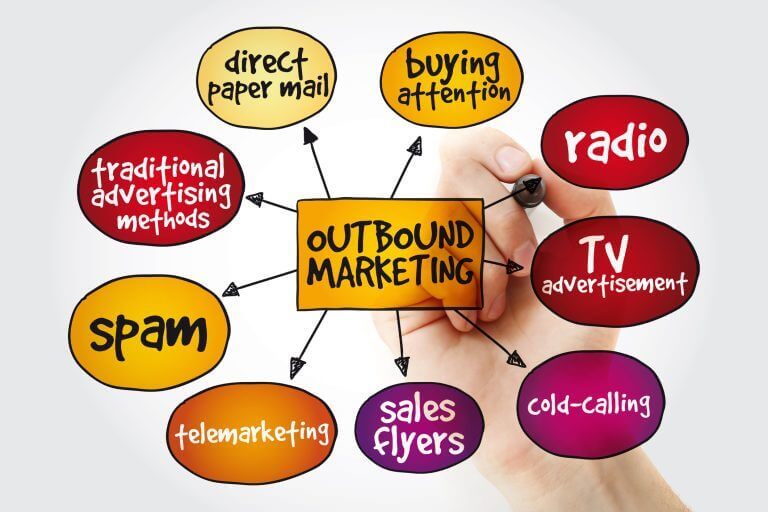
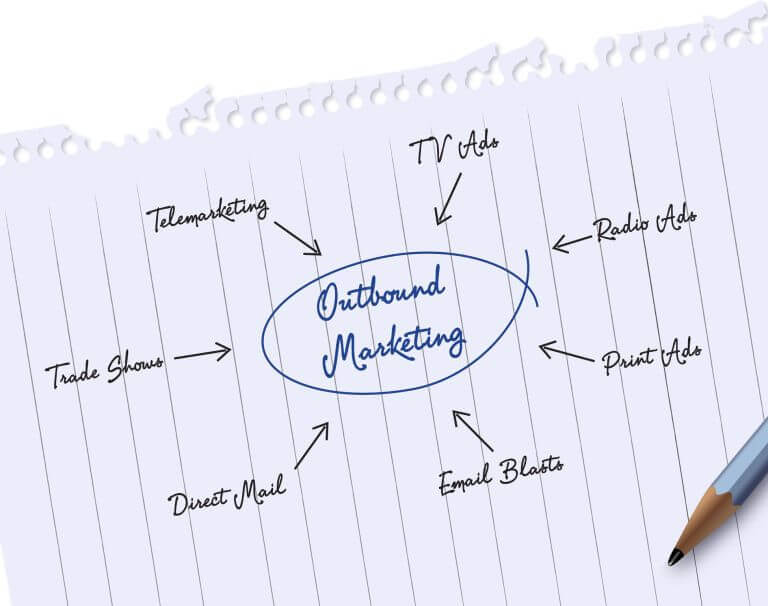
Outbound marketing refers to the traditional marketing approach that involves pushing a message or advertisement out to a large audience through various channels such as TV, radio, print media, billboards, and telemarketing. The focus is on reaching as many people as possible, regardless of whether they are interested in the product or service being offered.
The scope of outbound marketing is vast and includes a wide range of tactics such as cold calling, direct mail, email blasts, and display advertising. The goal is to grab the attention of the audience and generate leads or sales by interrupting their daily routine with a message that is often unsolicited.
Outbound vs Inbound Marketing
Outbound marketing is often contrasted with inbound marketing, which is a newer approach that focuses on attracting potential customers through valuable content, search engine optimization (SEO), social media, and other channels. Inbound marketing is all about creating a relationship with the customer, rather than just pushing a message out to them.
While outbound marketing can be effective in generating leads and sales, it is often seen as intrusive or annoying by customers. In contrast, inbound marketing is seen as more helpful and informative, as it provides value to the customer before asking for anything in return.
In summary, outbound marketing is a traditional approach that involves pushing a message out to a large audience, while inbound marketing is a newer approach that focuses on attracting potential customers through valuable content and building a relationship with them. Both approaches have their strengths and weaknesses, and the choice of which to use will depend on the product or service being offered and the target audience.
Strategies and Tactics
When it comes to outbound marketing, there are several strategies and tactics that you can employ to reach your target audience. Here are some of the most common ones:
Email Marketing
Email marketing is a popular outbound marketing tactic that involves sending promotional emails to a list of subscribers. This can include newsletters, product updates, and special offers. The key to successful email marketing is to make sure that your emails are targeted and relevant to your audience. You should also make sure that your emails are visually appealing and easy to read.
Cold Calling and Cold Emailing
Cold calling and cold emailing are outbound marketing tactics that involve reaching out to potential customers who have not expressed an interest in your product or service. This can be an effective way to generate leads, but it requires a lot of effort and can be time-consuming. The key to success with cold calling and cold emailing is to have a clear pitch and to be persistent.
Social Media and Search Ads
Social media and search ads are outbound marketing tactics that involve placing ads on social media platforms and search engines. These ads can be targeted to specific demographics and interests, making them a highly effective way to reach your target audience. The key to success with social media and search ads is to make sure that your ads are visually appealing and relevant to your audience.
Traditional Advertising Channels
Traditional advertising channels, such as TV commercials, radio ads, billboards, and print ads, are outbound marketing tactics that have been around for decades. While these channels can be effective, they can also be expensive and difficult to measure. The key to success with traditional advertising channels is to make sure that your ads are visually appealing and memorable.
Overall, there are many different strategies and tactics that you can use for your outbound marketing campaign. The key is to choose the ones that are most effective for your target audience and to make sure that your messaging is clear, concise, and visually appealing.
Campaign Planning and Execution
When it comes to planning and executing an outbound marketing campaign, there are several key factors that you need to consider. In this section, we’ll take a closer look at some of the most important aspects of campaign planning and execution.
Targeting and Messaging
One of the most critical elements of any outbound marketing campaign is targeting the right audience with the right message. To do this effectively, you need to have a deep understanding of your target market, including their needs, pain points, and preferences. By tailoring your messaging to resonate with your target audience, you can increase the likelihood of converting them into customers.
Budgeting and Cost Management
Another crucial factor in campaign planning and execution is budgeting and cost management. You need to determine how much you’re willing to spend on your campaign and allocate your resources accordingly. This includes deciding on your advertising channels, creating your ad creatives, and setting your bidding strategies.
Creating Offers and Landing Pages
Your campaign’s offers and landing pages are essential elements that can make or break your campaign’s success. Your offers should be compelling and relevant to your target audience, while your landing pages should be optimised for conversions. This means designing your pages to be visually appealing, easy to navigate, and mobile-friendly.
Measuring Effectiveness
Finally, measuring your campaign’s effectiveness is crucial for understanding what’s working and what’s not. You can use tools like Google Analytics to track your campaign’s ROI, conversion rate, and other key metrics. This data will help you make informed decisions about future campaigns and optimise your strategies for maximum impact.
Overall, planning and executing an outbound marketing campaign requires careful consideration of several key factors. By targeting the right audience with the right message, managing your budget effectively, creating compelling offers and landing pages, and measuring your effectiveness, you can increase your chances of success.
Benefits and Challenges
Advantages of Outbound Marketing
Outbound marketing campaigns can be an effective way to generate leads and drive traffic to your website. By using traditional advertising methods such as TV and radio commercials, billboards, and print ads, you can increase brand awareness and reach a wider audience. Outbound marketing is also a great way to promote new products or services to potential customers.
One of the main benefits of outbound marketing is that it can produce quick results. Unlike inbound marketing, which can take time to build up momentum, outbound marketing can create an immediate impact. This can be particularly useful if you are trying to reach a specific audience or promote a time-sensitive offer.
Another advantage of outbound marketing is that it can be highly targeted. By using techniques such as direct mail and email marketing, you can reach out to customers who have already shown an interest in your products or services. This can increase the chances of converting leads into sales.
Potential Drawbacks
Despite its benefits, outbound marketing also has its drawbacks. One of the main drawbacks is the high cost. Traditional advertising methods such as TV commercials and billboards can be expensive, and may not be suitable for small businesses with limited budgets.
Another potential drawback of outbound marketing is the risk of email spam complaints and violating do not call lists. This can damage your brand’s reputation and result in legal issues. It is important to ensure that your outbound marketing campaigns are compliant with relevant regulations.
Overall, outbound marketing can be a useful tool for businesses looking to generate leads and increase brand awareness. However, it is important to weigh the pros and cons of outbound marketing before deciding whether it is the right strategy for your business.
Integrating Outbound with Digital Strategies
Outbound marketing can be combined with digital strategies to create a more effective and comprehensive marketing plan. By utilising digital platforms, outbound techniques can reach a wider audience and achieve greater results.
Combining with Inbound Techniques
One way to integrate outbound with digital strategies is by combining with inbound techniques. Inbound marketing focuses on attracting customers through valuable content and experiences, whereas outbound marketing focuses on reaching out to potential customers directly. By combining the two, you can create a more well-rounded marketing plan that covers both approaches.
For example, you can use outbound techniques like email marketing or direct mail to reach out to potential customers, but include links to your website or blog where they can find more information and valuable content. This can help build trust and establish your brand as a thought leader in your industry.
Utilising Digital Platforms
Another way to integrate outbound with digital strategies is by utilising digital platforms. Digital marketing encompasses a range of techniques, including SEO, content marketing, social media campaigns, Google ads, LinkedIn, Facebook, YouTube videos, and retargeting. By using these platforms, you can reach a wider audience and achieve greater results with your outbound marketing.
For example, you can use social media campaigns to promote your outbound marketing efforts, or use Google ads to target specific keywords and demographics. You can also create blogs or podcasts that provide valuable information to your audience, which can help establish your brand as a trusted source of information in your industry.
In conclusion, integrating outbound with digital strategies can help create a more effective and comprehensive marketing plan. By combining with inbound techniques and utilising digital platforms, you can reach a wider audience and achieve greater results with your marketing efforts.
Optimisation and Personalisation
When it comes to outbound marketing campaigns, optimisation and personalisation are key to crafting effective messages that resonate with your target audience. By leveraging customer data, you can tailor your messaging to ensure it is relevant and engaging, improving brand recall and building stronger customer relationships.
Crafting Effective Messages
One of the most important aspects of any outbound marketing campaign is crafting effective messages that grab your audience’s attention. This starts with your subject lines, which should be short, snappy and to the point. Use action-oriented language and make sure your subject line accurately reflects the content of your message.
When it comes to the body of your message, keep it concise and focused on the benefits of your product or service. Use bullet points and bold text to highlight key points, and make sure your messaging is consistent with your brand voice and values.
Leveraging Customer Data
To truly personalise your outbound marketing campaigns, you need to leverage customer data. Customer relationship management software (CRM) can help you collect, store and analyse data on your customers, including their preferences, behaviours and purchase history.
By using this data to segment your audience, you can tailor your messaging to specific groups, ensuring it is relevant and engaging. For example, you might create different messaging for new customers versus repeat customers, or for customers who have shown an interest in a particular product or service.
Overall, optimisation and personalisation are essential components of any effective outbound marketing campaign. By crafting messages that resonate with your audience and leveraging customer data to personalise your messaging, you can improve brand recall, build stronger customer relationships and drive better results for your business.
Regulatory Compliance and Ethical Considerations
When planning an outbound marketing campaign, it is important to consider regulatory compliance and ethical considerations to avoid legal issues and maintain customer trust.
Adhering to Legal Standards
When conducting outbound marketing campaigns, it is crucial to adhere to legal standards and regulations. For example, in the UK, you must comply with the Privacy and Electronic Communications Regulations (PECR) when sending marketing emails or making unsolicited calls. PECR requires you to obtain prior consent from individuals before sending them marketing communications.
In addition, the General Data Protection Regulation (GDPR) requires you to obtain explicit consent from individuals before using their personal data for marketing purposes. You must also provide individuals with the option to opt-out of further communications.
To ensure compliance with legal standards, you should keep records of consent and regularly review your marketing practices to ensure they are up-to-date with any changes in regulations.
Maintaining Customer Trust
Maintaining customer trust is crucial for the success of your outbound marketing campaign. Unsolicited calls or emails can be seen as intrusive and may damage your reputation.
To maintain customer trust, you should ensure that your outbound marketing campaign is relevant and targeted to the recipient. You should also provide clear and concise information about what you are offering and how it can benefit the recipient.
Expertise is also important when conducting outbound marketing campaigns. You should ensure that your staff are knowledgeable about your products or services and can answer any questions the recipient may have. This will help to build trust and increase the likelihood of a successful conversion.
By adhering to legal standards and maintaining customer trust, you can ensure the success of your outbound marketing campaign while avoiding legal issues and maintaining a positive reputation.
Frequently Asked Questions
What distinguishes outbound marketing from inbound marketing?
Outbound marketing is a traditional marketing strategy that involves reaching out to a large audience through various channels, such as TV, radio, print, and billboards, to promote a product or service. On the other hand, inbound marketing is a modern marketing strategy that focuses on attracting potential customers through content marketing, search engine optimization, and social media marketing.
Which channels are most effective for outbound marketing?
The most effective channels for outbound marketing depend on the target audience and the product or service being promoted. However, some common outbound marketing channels include TV, radio, print, and billboards. Email, telemarketing, and direct mail marketing are also effective channels for outbound marketing.
Can you provide examples of successful outbound marketing strategies?
Some successful outbound marketing strategies include TV commercials during prime time, billboards in high traffic areas, and print ads in popular magazines. Email marketing campaigns and telemarketing campaigns can also be successful if executed properly.
What tools are essential for executing an outbound marketing campaign?
The essential tools for executing an outbound marketing campaign include a strong marketing message, a well-defined target audience, a comprehensive marketing plan, and a budget for advertising and promotion. You may also need to use tools such as email marketing software, telemarketing software, and direct mail marketing services.
How do outbound marketing strategies differ for B2B companies?
Outbound marketing strategies for B2B companies typically involve targeting decision-makers within a specific industry or company. This may involve attending trade shows, conferences, and industry events, as well as using targeted email and telemarketing campaigns.
What are the key components of an outbound sales campaign?
The key components of an outbound sales campaign include identifying the target audience, creating a strong sales pitch, developing a comprehensive marketing plan, and using effective sales techniques such as cold calling and follow-up emails. It is also important to track and measure the success of the campaign to make necessary adjustments and improvements.