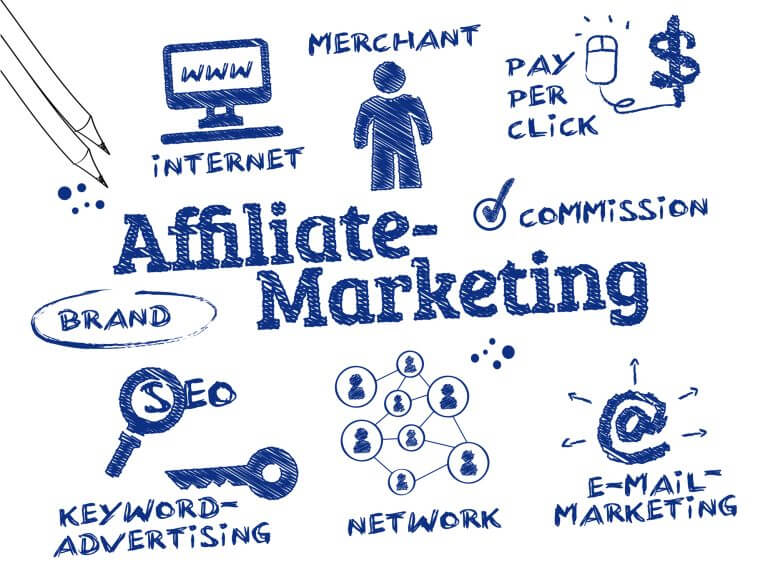
Affiliate marketing is a type of performance-based marketing where a business rewards one or more affiliates for each customer brought about by the affiliate’s marketing efforts.
In other words, it is a way for companies to promote their products or services through affiliates who promote them to their audience. The affiliate earns a commission for each sale made through their unique affiliate link.
Understanding Affiliate Marketing is crucial to making the most of this marketing strategy. It is important to know the mechanics of Affiliate Marketing, the strategies for success, maximizing earnings, and legal and ethical considerations.
With the right knowledge and approach, Affiliate Marketing can be a lucrative source of income for businesses and affiliates alike.
Key Takeaways
- Affiliate marketing is a performance-based marketing strategy where businesses reward affiliates for each customer brought about by their marketing efforts.
- Understanding the mechanics of affiliate marketing, strategies for success, and legal and ethical considerations is crucial to maximizing earnings.
- Affiliate marketing can be a lucrative source of income for businesses and affiliates when approached with the right knowledge and strategies.
Understanding Affiliate Marketing
Defining Affiliate Marketing
Affiliate marketing is a type of performance-based marketing where an affiliate marketer or publisher promotes a product or service of a business, and in return, earns a commission for every successful sale or conversion. In simpler terms, affiliate marketing is a way for businesses to reach a wider audience by partnering with individuals or companies who have an established audience or platform.
The Role of Affiliate Marketers
Affiliate marketers act as intermediaries between businesses and potential customers. They create content that promotes the products or services of the business they are affiliated with, and then share this content with their audience. The content can be in the form of blog posts, reviews, social media posts, videos, and more. Affiliate marketers can earn a commission for every successful sale or conversion that results from their promotional efforts.
Types of Affiliate Marketing
There are several types of affiliate marketing, including pay-per-click (PPC), pay-per-lead (PPL), and pay-per-sale (PPS).
- Pay-per-click (PPC): In PPC affiliate marketing, the affiliate marketer earns a commission every time a user clicks on an affiliate link and lands on the business’s website. The commission is usually a small amount, but it can add up over time.
- Pay-per-lead (PPL): In PPL affiliate marketing, the affiliate marketer earns a commission for every lead they generate for the business. A lead could be a user who fills out a form, signs up for a newsletter, or downloads an app.
- Pay-per-sale (PPS): In PPS affiliate marketing, the affiliate marketer earns a commission for every successful sale that results from their promotional efforts. The commission is usually a percentage of the sale price.
Overall, affiliate marketing is a win-win situation for both businesses and affiliate marketers. Businesses can reach a wider audience and increase their sales, while affiliate marketers can earn a commission for their promotional efforts.
Getting Started with Affiliate Marketing
Affiliate marketing is a great way to earn money online by promoting other people’s products. In this section, we will guide you through the steps you need to take to get started with affiliate marketing.
Choosing Your Niche
The first step in getting started with affiliate marketing is to choose your niche. A niche is a specific topic or area of interest that you will focus on. It is important to choose a niche that you are passionate about and that has a large audience.
To choose your niche, start by brainstorming topics that interest you. Then, research the competition and demand for each topic. Choose a niche that has a large audience and low competition.
Building a Website or Blog
The next step is to build a website or blog. Your website or blog will be the platform where you will promote your affiliate products. You can build a website using platforms like WordPress, Wix, or Squarespace.
When building your website or blog, make sure it is user-friendly and easy to navigate. Use clear and concise language to describe your niche and the products you are promoting. Add high-quality images and videos to make your website more engaging.
Selecting an Affiliate Program
The final step is to select an affiliate program. There are many affiliate programs available, so it is important to choose one that is relevant to your niche. Some popular affiliate programs include Amazon Associates, Clickbank, and ShareASale.
When selecting an affiliate program, look for one that offers high commissions and has a good reputation. Read the terms and conditions carefully to make sure you understand the commission structure and payment terms.
In summary, choosing your niche, building a website or blog, and selecting an affiliate program are the key steps to getting started with affiliate marketing. With the right approach and dedication, you can earn a steady income through affiliate marketing.
The Mechanics of Affiliate Marketing
Affiliate marketing is a type of performance-based marketing where an affiliate promotes a company’s product or service and earns a commission for each sale made through their unique affiliate link. In this section, we will discuss the mechanics of affiliate marketing, including how affiliate links work, how commissions are calculated, and the importance of quality content.
How Affiliate Links Work
An affiliate link is a unique URL that contains the affiliate’s ID or username. When a customer clicks on an affiliate link and makes a purchase, the affiliate earns a commission. The affiliate link is used to track the referral and ensure that the affiliate receives credit for the sale.
Affiliate links can be placed in a variety of locations, including blog posts, social media, email marketing campaigns, and banner ads. It is important to disclose that the link is an affiliate link to comply with advertising regulations.
Understanding Commissions
Commissions are the primary way that affiliates earn money through affiliate marketing. Commission rates vary depending on the company and product being promoted. Some companies offer a flat rate commission, while others offer a percentage of the sale.
It is important to understand the commission structure before promoting a product or service. Some products may have a low commission rate but a high conversion rate, while others may have a high commission rate but a low conversion rate.
The Importance of Quality Content
Quality content is essential for a successful affiliate marketing campaign. Content can include blog posts, social media updates, videos, and email marketing campaigns. The content should be relevant to the product or service being promoted and provide value to the customer.
In addition to providing value to the customer, quality content can also help to establish the affiliate as an authority in their niche. This can lead to increased trust and credibility, which can result in more conversions and higher commissions.
In summary, affiliate marketing is a performance-based marketing strategy where affiliates promote a company’s product or service and earn a commission for each sale made through their unique affiliate link. Understanding the mechanics of affiliate marketing, including how affiliate links work, how commissions are calculated, and the importance of quality content, is essential for a successful campaign.
Strategies for Success
To achieve success in affiliate marketing, you need to have a solid strategy in place. Here are some effective strategies that you can use to increase your chances of success:
Content Marketing for Affiliates
Content marketing is one of the most effective ways to promote affiliate products. By creating high-quality content that is relevant to your audience, you can attract more visitors to your website and increase your chances of making a sale.
When creating content, it’s important to focus on providing value to your audience rather than just promoting products. By providing helpful information, you can build trust with your audience and increase the likelihood that they will make a purchase.
Leveraging Social Media
Social media is another powerful tool that you can use to promote affiliate products. By building a strong social media presence and engaging with your audience, you can increase your reach and attract more visitors to your website.
When using social media, it’s important to focus on building relationships with your audience rather than just promoting products. By providing value and engaging with your followers, you can build a loyal following that is more likely to make a purchase.
SEO and Affiliate Marketing
Search engine optimization (SEO) is another important strategy that you can use to increase your chances of success in affiliate marketing. By optimizing your website for search engines, you can attract more organic traffic and increase your chances of making a sale.
When optimizing your website for search engines, it’s important to focus on providing high-quality content that is relevant to your audience. By using relevant keywords and optimizing your website structure, you can increase your chances of ranking higher in search engine results pages (SERPs).
By using these strategies, you can increase your chances of success in affiliate marketing. However, it’s important to remember that success in affiliate marketing takes time and effort. By staying consistent and focusing on providing value to your audience, you can achieve your goals and build a successful affiliate marketing business.
Maximising Earnings
Affiliate marketing is a highly rewarding business model that can generate a substantial amount of income for you. When it comes to affiliate marketing, maximising earnings is the ultimate goal. There are several strategies that you can implement to achieve this goal. In this section, we will discuss some of the most effective ways to maximise your earnings.
Optimising for Conversions
One of the most important factors that can impact your earnings in affiliate marketing is the conversion rate. It is essential to optimise your affiliate marketing campaigns for conversions. You can achieve this by creating high-quality content that is relevant to your target audience. You should also ensure that your affiliate products are well-matched to the needs of your audience.
Diversifying Affiliate Products
Diversifying your affiliate products is another effective way to maximise your earnings. By promoting a variety of affiliate products, you can increase your chances of making a sale. It is important to choose affiliate products that are relevant to your niche and are of high quality. You should also ensure that you promote products that are in demand and have a high conversion rate.
Passive Income Strategies
Passive income is another way to maximise your earnings in affiliate marketing. You can achieve this by promoting products that offer recurring commissions or by creating your own digital products. By promoting products that offer recurring commissions, you can earn passive income on a regular basis. Creating your own digital products, such as eBooks or courses, can also generate passive income for you.
In conclusion, maximising your earnings in affiliate marketing requires a combination of strategies. By optimising for conversions, diversifying your affiliate products, and implementing passive income strategies, you can increase your chances of success. Remember to always choose high-quality products that are relevant to your audience and provide value to them.
Affiliate Marketing Platforms
When it comes to affiliate marketing, choosing the right platform is essential. There are a number of popular affiliate networks available, each with its own unique features and benefits.
Popular Affiliate Networks
Some of the most popular affiliate networks include:
- Amazon Associates: This is one of the largest and most well-known affiliate networks, with millions of products available for promotion.
- ClickBank: This platform is known for its digital products, such as e-books and online courses.
- ShareASale: ShareASale is a popular affiliate network that offers a wide variety of products and services for promotion.
- Commission Junction: This platform is known for its large selection of advertisers and offers.
Choosing the Right Platform
When choosing an affiliate marketing platform, there are several factors to consider. Firstly, consider the products or services that you want to promote. Some platforms may have a wider selection of products in your niche than others.
Another important factor to consider is the commission structure. Different platforms may offer different commission rates, and some may have minimum payout thresholds that you need to meet before you can receive your earnings.
It’s also important to consider the platform’s reputation and track record. Look for platforms that have a good reputation among affiliates and advertisers, and that have a proven track record of paying out commissions on time.
Overall, choosing the right affiliate marketing platform is key to your success as an affiliate marketer. Take the time to research your options, and choose a platform that aligns with your goals and values.
Legal and Ethical Considerations
When it comes to affiliate marketing, there are a number of legal and ethical considerations that you need to keep in mind. Being aware of these considerations will help you to maintain trust with your audience and ensure that you are complying with the law.
Disclosure Requirements
One of the most important things to keep in mind when it comes to affiliate marketing is disclosure. Disclosure is the act of letting your audience know that you are promoting a product or service in exchange for a commission.
In the UK, the Advertising Standards Authority (ASA) has strict rules around disclosure. According to the ASA, if you are promoting a product or service in exchange for a commission, you must make it clear that you are doing so. This means that you need to disclose your relationship with the advertiser in a clear and prominent way.
There are a number of ways that you can disclose your relationship with the advertiser. For example, you could include a statement such as “This post contains affiliate links” at the top of your post. Alternatively, you could include a disclaimer at the bottom of your post, stating that you may receive a commission if someone clicks on one of your links and makes a purchase.
Maintaining Trust with Your Audience
Another important consideration when it comes to affiliate marketing is maintaining trust with your audience. Your audience trusts you to provide them with honest and unbiased information, and it is important that you do not betray that trust.
To maintain trust with your audience, it is important that you only promote products and services that you truly believe in. You should never promote a product or service simply because you will receive a commission for doing so.
It is also important that you are transparent with your audience about your relationship with the advertiser. As mentioned earlier, you should always disclose your relationship with the advertiser in a clear and prominent way.
By following these legal and ethical considerations, you can ensure that you maintain trust with your audience and comply with the law.
Analysing Performance
Once you have set up your affiliate marketing programme, it is important to analyse the performance of your affiliates. This will help you to determine which affiliates are generating the most sales and traffic, and which ones are not performing as well. By analysing performance, you can make informed decisions about which affiliates to keep and which ones to replace.
Tracking Sales and Traffic
One of the most important metrics to track is sales. By tracking sales, you can determine which affiliates are generating the most revenue for your business. You can also track traffic, which will help you to determine which affiliates are driving the most traffic to your website. This information can be used to make decisions about which affiliates to focus on and which ones to drop.
Tracking sales and traffic can be done using a variety of tools, such as Google Analytics, affiliate network tracking software, or your own custom tracking software. It is important to choose a tracking tool that is reliable and accurate, so that you can make informed decisions about your affiliate programme.
Using Analytics for Improvement
Once you have tracked your sales and traffic, you can use analytics to improve your affiliate programme. Analytics can help you to identify trends and patterns in your data, which can be used to make informed decisions about your affiliate programme.
For example, if you notice that one affiliate is generating a lot of traffic but not many sales, you may want to investigate why this is happening. Perhaps the affiliate is not targeting the right audience, or maybe their content is not persuasive enough. By identifying the problem, you can work with the affiliate to improve their performance.
Another way to use analytics is to identify top-performing affiliates and reward them for their efforts. You can offer incentives such as higher commission rates or exclusive access to new products or services. This can help to motivate your affiliates to continue promoting your products and services.
In conclusion, analysing performance is an important part of running a successful affiliate marketing programme. By tracking sales and traffic, and using analytics to identify trends and patterns, you can make informed decisions about your affiliate programme and improve its performance over time.
Challenges in Affiliate Marketing
Affiliate marketing can be a lucrative business, but it also comes with its own set of challenges. Here are some of the most common challenges you may face as an affiliate marketer.
Dealing with Competition
Competition is one of the biggest challenges in affiliate marketing. With so many affiliates promoting the same products, it can be difficult to stand out from the crowd. To overcome this challenge, you need to find a unique angle that sets you apart from the competition. You can do this by providing valuable content that is not available elsewhere, or by offering exclusive bonuses that are not available to other affiliates.
Another way to deal with competition is to focus on a niche market. By targeting a specific audience, you can become an authority in that niche and build a loyal following. This can help you stand out from the competition and attract more customers.
Adapting to Market Changes
The affiliate marketing industry is constantly evolving, and it’s important to stay up-to-date with the latest trends and changes. This can be a challenge, especially if you’re new to the industry. However, by keeping a close eye on industry news and trends, you can stay ahead of the curve and adapt your strategies accordingly.
One of the biggest trends in affiliate marketing is the shift towards mobile devices. With more and more people using smartphones and tablets to browse the internet, it’s important to ensure that your website and marketing campaigns are mobile-friendly.
Another trend to watch out for is the rise of social media influencers. These individuals have large followings on social media platforms such as Instagram and YouTube, and they can be a valuable asset for affiliate marketers. By partnering with influencers in your niche, you can reach a wider audience and drive more sales.
In conclusion, while affiliate marketing can be a lucrative business, it also comes with its own set of challenges. By staying up-to-date with industry trends and finding a unique angle that sets you apart from the competition, you can overcome these challenges and build a successful affiliate marketing business.
Future of Affiliate Marketing
As technology advances, affiliate marketing is expected to continue to grow and evolve. Here are some emerging trends and technologies to keep an eye on:
Emerging Trends and Technologies
1. Mobile Optimization
With the increasing use of mobile devices, it is becoming more important for affiliate marketers to optimize their campaigns for mobile users. This includes creating mobile-friendly landing pages, using mobile-specific ad formats, and incorporating mobile tracking technology.
2. Influencer Marketing
Influencer marketing is becoming an increasingly popular way for brands to reach new audiences. By partnering with influencers, brands can tap into their existing audiences and benefit from their credibility and trust.
3. AI and Machine Learning
AI and machine learning are already being used in affiliate marketing to optimize campaigns, track user behaviour, and improve targeting. As these technologies continue to evolve, they will likely become even more important in the future of affiliate marketing.
The Evolution of Affiliate Strategies
As the affiliate marketing landscape continues to change, it is important for marketers to adapt their strategies accordingly. Here are some ways that affiliate strategies are evolving:
1. Niche Marketing
As the affiliate marketing industry becomes more competitive, it is becoming increasingly important for marketers to focus on niche markets. By targeting specific niches, marketers can reach more engaged audiences and increase their chances of success.
2. Content Marketing
Content marketing is becoming an increasingly important part of affiliate marketing. By creating high-quality content that is relevant to their target audience, marketers can build trust and credibility, and increase their chances of success.
3. Data-Driven Marketing
Data-driven marketing is becoming more important in the affiliate marketing industry. By using data to track user behaviour and optimize campaigns, marketers can improve their targeting and increase their chances of success.
Overall, affiliate marketing is expected to continue to grow and evolve in the coming years. By staying up-to-date with emerging trends and technologies, and adapting their strategies accordingly, marketers can continue to succeed in this dynamic industry.
Frequently Asked Questions
How can one begin in affiliate marketing without initial investment?
Affiliate marketing is one of the few business models that requires little to no initial investment. You can start by joining an affiliate program for free. This allows you to promote products or services and earn a commission on each sale made through your unique affiliate link. You can promote these links through various channels, including social media, email marketing, or your own website.
What responsibilities does an affiliate marketer have?
As an affiliate marketer, your primary responsibility is to promote the products or services of the company you are affiliated with. This includes creating content that drives traffic to the company’s website and encourages people to make a purchase. You should also disclose your affiliation with the company to your audience to remain transparent.
Can you provide a real-world example of affiliate marketing in action?
One real-world example of affiliate marketing is when a blogger promotes a product on their website and includes an affiliate link. If a reader clicks on the link and makes a purchase, the blogger earns a commission on the sale. Another example is when an influencer promotes a product on social media and includes an affiliate link. If their followers make a purchase through the link, the influencer earns a commission.
What are the primary categories of affiliate partnerships?
The primary categories of affiliate partnerships include pay-per-click (PPC), pay-per-lead (PPL), and pay-per-sale (PPS). PPC affiliates earn a commission for each click on their unique affiliate link. PPL affiliates earn a commission for each lead generated through their link, such as filling out a form or subscribing to a newsletter. PPS affiliates earn a commission for each sale made through their link.
Are there any legal considerations one should be aware of when engaging in affiliate marketing in the UK?
Yes, there are legal considerations when engaging in affiliate marketing in the UK. The Advertising Standards Authority (ASA) requires affiliates to disclose their affiliation with the company they are promoting. This means that you must clearly state that you are promoting the product or service as an affiliate. Additionally, you must ensure that any claims made about the product or service are accurate and not misleading.
What are high-ticket affiliate programmes, and how do they differ from standard ones?
High-ticket affiliate programmes are those that offer high commission rates for promoting high-priced products or services. These programmes typically require more effort to promote, but the potential earnings are much higher than standard affiliate programmes. Standard affiliate programmes offer lower commission rates for promoting lower-priced products or services.