
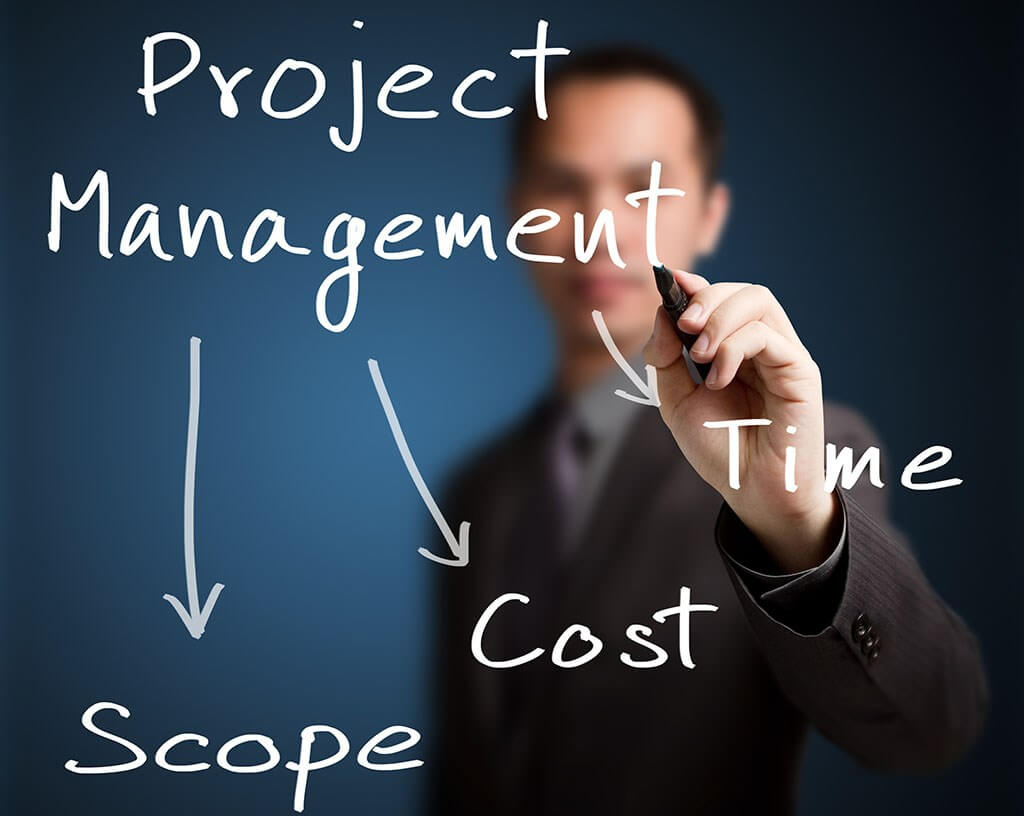
A scoping statement is a crucial document that outlines the boundaries of a project. It clearly defines what is included in the project, what is excluded, and sets the stage for effective project management. This document helps ensure that everyone involved has a shared understanding of the project’s objectives and limitations.
Creating a well-defined scoping statement can significantly reduce misunderstandings and conflicts later in the project. By outlining key deliverables, stakeholders, and constraints, you pave the way for smoother execution and better outcomes. It serves as your project’s roadmap, guiding you from start to finish while keeping your goals in focus.
Developing this statement is not just a formality; it is a vital part of comprehensive planning that leads to project success. As you navigate project management, understanding the importance of a scoping statement will empower you to manage changes effectively while ensuring all stakeholders are on the same page.
Key Takeaways
- A scoping statement outlines the project’s boundaries and key objectives.
- It helps manage stakeholders and ensures everyone shares the same understanding.
- A well-crafted scope statement is essential for project success and effective planning.
Understanding Project Scope
When managing any project, grasping the project scope is crucial. This includes its key components, the boundaries that define it, and distinguishing what is included versus what is excluded from the scope. Understanding these elements helps ensure that project objectives are met efficiently.
Key Components of Project Scope
The project scope consists of several essential components. First, the scope of work outlines the specific tasks, deliverables, and required resources. This helps define what needs to be accomplished to meet the project objectives.
You also need to consider stakeholder requirements. These are the expectations and needs of everyone involved in the project, including clients and team members. Including them in the scope helps ensure all perspectives are considered.
A well-defined project scope also includes timelines and budget constraints. These components establish the limits within which the project must be completed. Keeping all these elements aligned helps maintain focus and clarity throughout the project.
Project Boundaries and Scope Baseline
Project boundaries define what is included and excluded in your project. This helps avoid scope creep, which is when additional tasks are added without proper approval. Clearly defining boundaries ensures you stay on track and can deliver the project on time and within budget.
The scope baseline is a crucial document that includes the approved version of the project scope. It acts as the reference point for any changes during the project. Changes to the scope must be documented and approved to ensure project integrity and accountability.
Establishing boundaries and a scope baseline allows for better project planning. It directs your efforts toward achieving project objectives within set limits.
In-Scope vs Out of Scope Elements
Identifying in-scope elements is vital for understanding what tasks will be addressed in your project. These include any activities, deliverables, or resources that are necessary for the successful completion of the project.
On the other hand, out of scope elements are tasks or deliverables not included in the project. Knowing these helps prevent misunderstandings and miscommunications with stakeholders. You may also want to document any requests made during the project that fall outside the defined scope.
By clearly outlining both in-scope and out-of-scope items, you reinforce focus and clarity, which can significantly enhance the likelihood of achieving project success.
Crafting the Scope Statement
A well-crafted scope statement is essential for any project. It defines the boundaries and expectations, ensuring that all stakeholders have a clear understanding of the project’s goals and deliverables. This section covers the essential components of an effective scope statement, including its structure, project description and objectives, as well as deliverables and milestones.
Structure of a Robust Scope Statement
A robust scope statement should be clear and detailed. Begin with the project title and a concise description that outlines the essence of the project.
Next, define the project goals. These are the broad outcomes you aim to achieve. Ensure they are specific and measurable.
Following the goals, include a section on the major deliverables. This section lists the tangible outputs you will produce, such as reports, prototypes, or completed tasks.
Finally, it is important to note any constraints or exclusions, clearly stating what is not included in the project scope to avoid misunderstandings.
Project Description and Objectives
The project description provides context and helps stakeholders understand the need for the project. Begin with a concise background that explains why the project is necessary.
Next, outline your specific objectives. These should be SMART: Specific, Measurable, Achievable, Relevant, and Time-bound. For instance, instead of saying “improve sales,” state “increase sales by 20% in six months.”
Address who the project impacts and any relevant stakeholders. Identifying these groups early can help in managing expectations and ensuring alignment throughout the project.
Deliverables and Milestones
In this section, list the key deliverables and milestones that mark significant points in the project.
Your deliverables should be clear and specific. For example, you might say “a completed user manual” or “three training sessions.”
Key milestones serve as checkpoints in the project timeline. They can include phases like the completion of the initial research or the signing of a contract.
Defining these clearly helps maintain focus and facilitates project tracking, making it easier for you to communicate progress to stakeholders.
Defining Project Constraints and Assumptions
In project management, understanding constraints and assumptions is crucial for effective scope management. Constraints limit your project’s options, while assumptions provide a foundation for your planning process. Identifying and documenting them properly ensures better decision-making throughout the project lifecycle.
Identifying Constraints
Project constraints refer to restrictions that can impact your project. These may include factors such as budget, time, resources, and specific requirements set by stakeholders. For example, if your project has a limited budget, it can affect the quality and timeline of deliverables.
To identify constraints, you should:
- Engage Stakeholders: Discuss with team members and key stakeholders to gather insights.
- Review Documentation: Check previous project records and organisational policies for helpful information.
- Analyse Risks: Identify potential risks that could become constraints and impact your project.
Being aware of these constraints allows you to develop a realistic project plan.
Documenting Assumptions
Project assumptions are beliefs you hold to be true for project planning but that may not be verified. These can include expectations about resource availability, technology performance, or stakeholder engagement. Clearly documenting assumptions helps manage uncertainty and make informed decisions.
To effectively document assumptions, consider the following steps:
- State Clearly: Write down each assumption in simple language to avoid any ambiguity.
- Review Regularly: Revisit and validate assumptions throughout the project’s progress and adjust as necessary.
- Include in Scope Management Plan: Ensure your assumptions are part of your scope management plan to maintain clarity and focus.
By documenting assumptions, you promote transparency and create a better foundation for project execution.
Comprehensive Project Planning
Effective project planning is vital for successful project execution. It involves breaking down tasks, managing resources, estimating costs, and establishing a clear timeline. Each of these components plays a critical role in ensuring that your project meets its objectives without exceeding the budget or timeline.
Work Breakdown Structure (WBS)
A Work Breakdown Structure (WBS) is an essential tool for project management. It divides your project into smaller, manageable components. This allows you to focus on each task individually while maintaining an overview of the project’s overall progress.
A typical WBS may include levels such as phases, deliverables, and tasks. For instance, if you are running a construction project, you might break it down into planning, design, and construction stages.
Using a WBS helps identify all necessary tasks, ensuring nothing is overlooked. You can also use it to assign responsibilities and track progress, making adjustments as necessary to keep the project on track.
Resource Allocation and Costs
Resource allocation involves determining what resources (human, financial, and physical) are needed for your project. A clear understanding of your resource requirements helps you avoid bottlenecks and ensures smooth project execution.
You should create a comprehensive list of resources and estimate their costs. This includes salaries, equipment, and materials. By accurately estimating these costs, you can develop a realistic project budget.
Monitoring resource allocation is crucial during the project. Regularly check if resources are being used efficiently and make adjustments when necessary. This oversight helps you stay within budget and on schedule, maximising project success.
Establishing a Realistic Timeline
A realistic timeline is key to successful project management. Begin by listing all tasks identified in your WBS. Then, estimate how long each task will take. Be sure to consider potential risks and delays.
Use a Gantt chart to visualize your project timeline. This tool helps you plan and adjust schedules easily.
In addition to task duration, factor in dependencies. Some tasks must be completed before others can start, which affects the overall timeline. A well-defined timeline keeps your project organised and ensures that all team members are aligned in their efforts.
Identifying Project Stakeholders
Identifying project stakeholders is crucial for the success of any project. Knowing who these individuals are helps in understanding their influence and the specific roles they play throughout the project lifecycle. Effective communication with stakeholders ensures that their needs and expectations are met.
Roles of Key Stakeholders
Key stakeholders include individuals or groups that have a direct interest in the project. This group often consists of project sponsors, the project owner, and team members. Each key stakeholder has particular responsibilities that can influence project outcomes.
- Project Sponsors: They provide financial resources and support. Their buy-in is vital for project approval and ongoing funding.
- Project Owners: They are responsible for the project’s vision and objectives. Their decisions guide the overall direction.
- Team Members: These individuals execute tasks and deliver results. Their expertise is essential for meeting project goals.
Recognising these roles allows you to engage effectively and tailor your strategies to each stakeholder’s interests.
Communication Protocols
Establishing clear communication protocols is essential for stakeholder management. You need to define how, when, and what information will be shared with each stakeholder.
- Regular Updates: Schedule weekly or bi-weekly meetings to keep stakeholders informed.
- Feedback Mechanisms: Create avenues for stakeholders to share their input and concerns. This fosters a collaborative atmosphere.
- Status Reports: Use email or project management tools to deliver concise progress reports. These should highlight achievements, challenges, and any changes to the project scope.
Implementing these protocols keeps stakeholders aligned and engaged, which is key for effective change management throughout the project.
Establishing Milestones and Deliverables
In project management, clearly defined milestones and deliverables are essential for tracking progress and ensuring success. These elements provide direction and help maintain focus throughout the project lifecycle.
Setting Clear Milestones
Milestones are key points in your project’s timeline. They mark significant achievements or phases that indicate progress. It’s important to set milestones that are both realistic and achievable.
To set effective milestones, determine the critical stages of your project. Break down the overall project into smaller, manageable segments. Consider using a timeline or Gantt chart to visually represent these milestones.
Examples of common project milestones include:
- Completion of a project phase
- Finalising designs
- Conducting reviews or approvals
Setting these milestones helps you and your team stay aligned and motivated, making it clear when you have reached certain goals.
Specifying Deliverables
Deliverables are tangible outputs produced during the project. They can be reports, documents, products, or services that you must complete to meet project objectives. Specifying these deliverables upfront is crucial.
Start by defining what you need to produce for each project phase. Include detailed descriptions of each deliverable, along with formats, deadlines, and responsibilities.
A well-defined list might look like this:
- Deliverable 1: Project plan document due by [date].
- Deliverable 2: Design mock-up submitted for review on [date].
- Deliverable 3: Final project report to stakeholders by [date].
By being clear about what must be delivered, you help ensure accountability and prevent misunderstandings.
Creating Acceptance Criteria
Acceptance criteria outline the conditions that need to be met for deliverables to be accepted. This is important for ensuring quality and satisfaction with the project output.
To create effective acceptance criteria, involve stakeholders to understand their expectations. Conditions might include functionality, performance standards, or compliance specifications.
For example, consider the following acceptance criteria:
- Must meet specified project requirements.
- Should undergo quality assurance testing.
- Must be delivered within budget and on time.
By establishing clear acceptance criteria, you help to provide a benchmark for evaluation, ensuring that all project deliverables meet the agreed-upon standards before final approval.
Managing Scope and Change
Managing the scope and change in a project is crucial to its success. You must control how changes are made to the project while ensuring that the project stays on track and within budget. This requires clear processes and documentation.
Controlling Scope Creep
Scope creep occurs when new features or tasks are added without proper approval. To manage this, you should establish strict boundaries for what is included in the project.
You can use a scope management plan to outline these limits. Regularly review the project’s progress against this plan. If changes arise, assess their impact on the timeline and budget.
Training your team to recognise scope creep is also beneficial. Encourage them to communicate any changes early. This proactive approach helps maintain focus and keeps the project aligned with its original goals.
Change Request Process
A clear change request process is essential for managing modifications. This process should define how changes are proposed, reviewed, and approved.
Start by creating a change request form. This form should include details such as the reason for the change, impact analysis, and resource implications.
Once a change request is submitted, evaluate its necessity against the project goals. You may need to gather input from stakeholders. After evaluation, decide whether to approve, reject, or modify the change before implementation.
Scope Management Plan
The scope management plan acts as a guiding document throughout the project lifecycle. It defines what is included and excluded in the project, helping you avoid misunderstandings.
Begin by setting project objectives and identifying deliverables. Include criteria for accepting completed tasks. Having these details written down helps manage expectations with stakeholders.
Additionally, review this plan regularly. If the project’s circumstances change, updates may be necessary. A well-maintained scope management plan ensures you remain focused and can accommodate essential adjustments without derailing progress.
Documenting Exclusions and Change Controls
Documenting exclusions is as important as defining what is included in your project. Clearly outline what is not part of the project scope. This prevents confusion about the project’s boundaries.
You should create a list of all project exclusions and maintain it in your scope management plan. This record helps team members and stakeholders understand limitations.
In addition, establish a change control process. This process involves steps for submitting, reviewing, and implementing changes. Ensure all changes are documented and communicated effectively. This practice reduces the risk of misunderstandings and keeps the project aligned with its objectives.
Evaluating Project Success
To evaluate project success, you focus on measuring project performance and analysing project outcomes. Both aspects are essential to understand how well a project meets its goals and the processes behind its completion.
Measuring Project Performance
Measuring project performance involves tracking various metrics throughout the project lifecycle. Key performance indicators (KPIs) might include:
- Time: Was the project completed on schedule?
- Budget: Did the project stay within the allocated budget?
- Quality: Did the deliverables meet the agreed-upon standards?
These metrics help you determine effectiveness. If a project fails to meet its deadlines or exceeds costs, it can prompt a review of the approval process and methodologies used. Regular monitoring allows you to spot potential issues early, reducing the risk of project failure.
Analyzing Project Outcomes
Analysing project outcomes means looking at the project’s final results. This step should confirm if the original objectives and goals were met. Important areas to consider include:
- Stakeholder Satisfaction: Were the clients or stakeholders happy with the results?
- Return on Investment (ROI): Did the project provide the expected financial benefits?
- Lessons Learned: What worked well, and what didn’t?
This analysis helps you refine future projects. By identifying strengths and weaknesses, you can improve processes and aim for higher project success rates. Staying proactive in these evaluations allows you to enhance overall project performance.
Documentation and Project Management Artifacts
In project management, proper documentation is essential for ensuring clarity and direction. Key documents offer a structured approach to managing projects effectively. Understanding these artefacts will help you navigate the project lifecycle with greater ease and assurance.
Project Charter and Management Plan
The Project Charter is a foundational document that authorises the project. It outlines the project’s objectives, key stakeholders, and high-level requirements. By establishing the scope and limits, this document acts as a contract between stakeholders and the project team.
The Project Management Plan expands on the charter. It includes details on how the project will be executed, monitored, and closed. Key components might include schedules, quality criteria, risk management strategies, and resource allocation. Together, these documents ensure that everyone involved understands their roles, the project’s vision, and how to achieve success.
Scope Documents and Project Justification
A scoping document defines the specific boundaries and deliverables of the project. It clarifies what is included and what is excluded, helping to manage stakeholder expectations. This document serves as a reference for measuring project progress against its defined scope.
Project justification provides the rationale for the project’s existence. It explains the benefits, costs, and value to stakeholders. This justification supports decision-making and secures buy-in from those involved. Together, these artefacts create a comprehensive understanding of the project, ensuring that objectives are clear and aligned with stakeholder needs.
Frequently Asked Questions
This section addresses common questions about scoping statements, offering clear answers to guide you. Understanding these aspects can help you create effective scoping documents for your projects.
How does one compose a scoping document for a project?
To compose a scoping document, start by clearly defining the project objectives. List the tasks needed to achieve these goals and identify the resources required. Specify the timeline and establish the boundaries of the project to maintain focus.
What constitutes the scope statement within a research context?
In a research context, the scope statement outlines the research goals and objectives. It defines what the study will cover, including specific questions, methodologies, and target populations. This helps set clear expectations for both researchers and stakeholders.
Can you provide an illustration of a scope statement for project management?
An example of a scope statement in project management might include the construction of a new office building. It details the project’s purpose, key deliverables, timelines, and budget constraints. This clarity ensures that all stakeholders understand the project’s focus and limitations.
What are the primary components of a scope document template?
A scope document template typically includes sections like project objectives, deliverables, milestones, and stakeholder roles. It should also address budget considerations, risks, and constraints. This structured format helps keep the project on track and aligned with its goals.
For what purpose is a scoping document employed?
A scoping document is used to define and communicate the project’s parameters. It guides project teams in understanding what is included and excluded. This clarity helps to prevent scope creep and ensures that everyone is working towards the same objectives.
What are the steps involved in drafting a scoping note?
Drafting a scoping note involves several steps. Begin by identifying the project’s purpose and objectives. Next, gather input from stakeholders, outline deliverables, and set a project timeline. Finally, review and revise the document for clarity and completeness before sharing it with your team.


