Project managers play a crucial role in ensuring that projects run smoothly and successfully. They are responsible for planning, executing, and overseeing every aspect of a project, which includes coordinating teams, managing resources, and communicating with stakeholders. Many people question whether project managers really do any work, thinking they might just oversee from the sidelines, but their responsibilities are extensive and vital.
In fact, project managers are actively involved in various stages of a project lifecycle. From defining the project goals to assessing risks and ensuring quality, your project manager’s work can significantly impact the outcome. Their ability to communicate effectively and collaborate with diverse teams is essential for keeping projects on track and meeting deadlines.
As you explore the different facets of project management, you will discover how these professionals contribute to a project’s success. Understanding their role can provide valuable insight into how projects are managed in various industries.
Key Takeaways
- Project managers plan, execute, and oversee projects to ensure success.
- Effective communication and collaboration are key to managing projects well.
- The role of a project manager varies across different industries and contexts.
Understanding the Role of a Project Manager
A project manager plays a vital role in ensuring that projects are completed successfully. They not only oversee project execution but also coordinate teams, manage resources, and mitigate risks. Below are key aspects of the project manager’s role.
Defining Project Management
Project management involves planning, executing, and closing projects effectively. As a project manager, you will use specific methodologies to guide the team through each project phase. This includes defining goals, setting timelines, and allocating resources. You must understand the project lifecycle and apply best practices to drive success.
The aim is to deliver results on time and within budget while meeting stakeholder expectations. Effective project management also involves adapting to changes and finding solutions to unforeseen challenges that may arise.
Key Responsibilities of Project Managers
Project managers have a range of responsibilities that ensure project goals are met. These responsibilities include:
- Planning and Scheduling: Creating a detailed project plan that outlines tasks, deadlines, and resources required.
- Resource Management: Allocating human and material resources efficiently to maximise productivity.
- Risk Management: Identifying potential risks and developing strategies to mitigate them.
- Communication: Keeping stakeholders informed through regular updates and progress reports.
Project managers must also lead their teams by fostering collaboration and resolving conflicts. Your ability to manage these responsibilities effectively can determine a project’s success or failure.
The Importance of Leadership in Project Management
Leadership is a core element of effective project management. As a project manager, you are expected to inspire your team and guide them towards achieving project objectives. This means setting a clear vision, motivating team members, and creating a positive work environment.
Strong leadership fosters trust and encourages open communication among team members. You should be adaptable and open to feedback, allowing your team to contribute their ideas. By demonstrating effective leadership, you can navigate challenges and drive your projects toward success, ensuring that everyone remains aligned with the project’s goals.
The Project Lifecycle and Management Processes
In project management, understanding the lifecycle is crucial. Each phase plays a specific role, from initiation to completion, ensuring that projects are delivered successfully. This section will explore the key phases and processes involved in managing a project.
Initiation and Planning Phases
The initiation phase begins with defining the project goals and scope. You must identify stakeholders and gather their requirements. This sets the foundation for the entire project.
During the planning phase, you create a detailed project management plan. This includes timelines, budgets, and resources needed. Techniques like Gantt charts or resource allocation tables are helpful. You also need to assess risks and develop mitigation strategies to address potential issues.
Effective planning ensures that everyone understands their roles. Clear communication during this stage is vital to achieve project objectives.
Execution and Monitoring
Once the planning is complete, you move into the execution phase. Here, tasks begin to be carried out according to the project plan. You are responsible for coordinating resources and managing team performance.
Monitoring during this phase involves tracking progress and ensuring that the project stays on schedule. You should regularly check project milestones and make adjustments as needed. This could include reallocating resources or altering timelines to meet goals.
Effective communication with your team helps ensure everyone is aligned with the project’s objectives. Proper execution and monitoring lead to greater success in delivering the final product.
Completion and Delivery
The completion phase involves finalising all project activities. You will need to verify that all deliverables meet the expected standards. This includes conducting quality checks and obtaining necessary approvals from stakeholders.
Once everything is complete, you hand over the project deliverables. This requires thorough documentation and reporting on the project outcomes. It’s essential to review what went well and what could be improved for future projects.
Customer satisfaction is key during this phase, as it impacts the project’s success. Focus on delivering a product that meets or exceeds expectations.
Monitoring and Control
Monitoring and control run alongside the execution phase. This process helps you track project performance against the baseline set during planning. You must identify and respond to variances in scope, time, and cost promptly.
Regular status meetings and report generation help you communicate progress to stakeholders. If issues arise, you’ll need to implement corrective actions immediately to keep the project on track.
Utilising tools such as performance dashboards can help visualise progress. This ensures that any changes or adjustments are made efficiently, ultimately contributing to project success.
Communication and Collaboration
In project management, clear communication and effective collaboration are essential for success. Engaging with stakeholders and leading your team are key elements in ensuring projects run smoothly and effectively.
Effective Communication with Stakeholders
Effective communication with stakeholders involves more than just sharing updates. You need to ensure that all parties understand their roles and responsibilities.
Start by identifying all stakeholders and their interests. Clear channels of communication help prevent misunderstandings. Use regular meetings and progress reports to keep everyone informed. Tailor your communication style to fit your audience, ensuring clarity.
Also, be open to feedback. This means actively listening and making adjustments based on what stakeholders say. Understanding their concerns builds trust and strengthens relationships. Aim for transparency to promote a collaborative environment.
Team Coordination and Leadership
As a project manager, your ability to coordinate and lead your team is critical. Strong leadership inspires confidence and fosters collaboration among team members.
Establish clear goals and expectations from the start. This helps everyone stay aligned and focused. Encourage open dialogue, where team members feel comfortable sharing their ideas and challenges.
Use team-building activities to strengthen relationships. This not only promotes collaboration but also enhances overall productivity. Regular check-ins can help you address any issues promptly. Being proactive is key to maintaining team morale and performance.
Utilising Project Management Tools
Project management tools are invaluable for enhancing communication and collaboration. These tools facilitate information sharing, task tracking, and progress monitoring.
Consider using platforms like Trello, Asana, or Microsoft Teams. They offer features that help organise tasks and facilitate discussions among team members.
Integrating these tools into your workflow streamlines processes. You can assign tasks, set deadlines, and allow for real-time updates. This reduces the risk of miscommunication. Additionally, dashboards can provide stakeholders with visual progress reports. This keeps everyone engaged and informed about project status.
Strategic and Operational Planning
Effective strategic and operational planning is essential for project managers. It helps you define project goals clearly and align all team efforts towards achieving them. Through detailed planning, you can ensure that every aspect of the project is covered, from scope to timelines.
Setting Project Goals and Objectives
When you start a project, defining clear goals and objectives is crucial. Goals give you a direction, while objectives help you measure progress. Use the SMART criteria—Specific, Measurable, Achievable, Relevant, and Time-bound—to create effective objectives. For instance, instead of stating a goal like “improve customer service,” set an objective such as “reduce response time to customer inquiries to under 24 hours by the end of Q2.” This approach provides clarity and focus for your team’s efforts.
Creating a Detailed Project Plan
A detailed project plan acts as a roadmap for your project. It outlines all tasks, resources, and milestones. Begin by breaking your project into phases, assigning responsibilities, and setting deadlines for each task. Use project management tools to help keep everything organised. Include charts or lists to visualise progress. A Gantt chart is particularly effective in illustrating the timeline and dependencies between tasks. This comprehensive plan will guide your team and help ensure nothing is overlooked during project execution.
Project Scope and Timelines
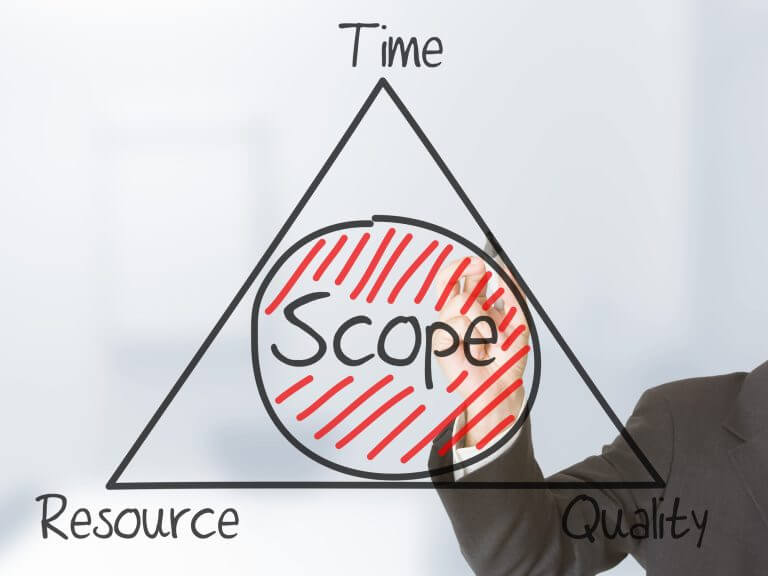
Defining the project scope is vital to avoid scope creep, whereby unplanned tasks can derail your project. Clearly outline what is included in the project and, just as importantly, what is not. This keeps everyone on the same page. Additionally, establish a realistic timeline that factors in potential delays and dependencies. Use a timeline approach that highlights key milestones, which keeps the team motivated and focused on achieving each stage of the project. By setting a clear project scope and timeline, you lay the groundwork for a successful project outcome.
Risk and Quality Management
Managing risks and ensuring quality are crucial tasks for project managers. You need to identify potential risks, assess their impact, and maintain quality standards throughout the project. This section explores the key components of effective risk management and quality management.
Identifying and Assessing Risks
The first step in risk management is identifying potential risks. This often includes brainstorming sessions with your team and stakeholders. You can also review past project data to spot common issues.
Once risks are identified, you should assess their likelihood and impact. Use a risk assessment matrix to categorise risks by severity and probability. This will help you prioritise which risks require the most attention. A detailed analysis allows you to make informed decisions and prepares you for any challenges ahead.
Developing a Risk Management Plan
A risk management plan outlines how you will address identified risks. This document should detail specific strategies for mitigation, monitoring, and communication. Clearly assign roles to team members for managing various risks.
Regularly review and update this plan. As your project progresses, new risks may arise, and existing ones may change. A flexible approach allows you to adapt to these dynamics while keeping your project on track.
Maintaining Quality Standards
Quality management is essential to ensuring that deliverables meet both your requirements and stakeholder expectations. Establish clear quality standards based on industry benchmarks and client needs.
Implement quality control measures throughout the project. This includes regular inspections, testing, and feedback loops. Encourage your team to focus on continuous improvement, which can lead to better outcomes.
Monitoring quality standards should be part of your project’s daily operations. This proactive approach helps catch potential issues early, ensuring that deliverables maintain the highest quality possible.
Performance, Productivity, and Time Management
Effective performance and productivity in project management rely heavily on how well time is managed. You can directly impact project success by focusing on specific areas like team productivity, the importance of time management, and the value of regular progress reports.
Maximising Team Productivity
To maximise your team’s productivity, it’s essential to establish clear goals. When each member understands their role, they can work efficiently towards a common objective. Regular communication also plays a vital role. Consider daily stand-up meetings to discuss tasks and address any obstacles.
Tips for Improving Team Productivity:
- Set SMART Goals: Ensure goals are Specific, Measurable, Achievable, Relevant, and Time-bound.
- Encourage Collaboration: Foster an environment where team members can share ideas and problem-solve together.
- Use Productivity Tools: Additionally, project management software can streamline tasks and keep everyone on track.
Importance of Time Management
Time management is crucial for both you and your team. It allows you to allocate time effectively among daily tasks. By prioritising activities, you can minimise wasted time and improve focus on critical tasks.
To manage your time better:
- Prioritise Tasks: Use techniques like the Eisenhower Matrix to distinguish between urgent and important tasks.
- Set Boundaries: Limit distractions by creating a dedicated workspace and establishing ‘do not disturb’ periods.
This structured approach will help you maintain productivity throughout the project.
Regular Progress Reports
Regular progress reports are essential for tracking your project’s status. They allow you to assess what has been achieved and identify areas needing attention. Provide updates to your team and stakeholders to ensure everyone is aligned.
Components of an Effective Progress Report:
- Project Highlights: Summarise major accomplishments since the last report.
- Challenges Faced: Be transparent about any issues and how they are being addressed.
- Next Steps: Clearly outline upcoming tasks and deadlines.
These reports not only keep your team accountable but also enhance overall project success. By incorporating these practices into your project management routine, you can greatly improve performance and productivity.
Professional Development and Education
In project management, continuous professional development and education are essential for success. Certifications and ongoing learning help you improve skills and stay updated with industry trends. Networking also plays a vital role in building connections that can enhance your career.
Required Certifications and Education
To succeed in project management, you need a solid educational foundation and relevant certifications. Most project managers hold at least a bachelor’s degree in a related field, such as business, engineering, or information technology.
Certifications can further boost your credentials. Many employers prefer candidates with recognised qualifications. Key certifications include the Project Management Professional (PMP) and Certified Associate in Project Management (CAPM). These qualifications demonstrate your knowledge and commitment to the profession.
Investing in your education and obtaining relevant certifications can lead to better job opportunities and career growth.
Project Management Professional (PMP)
The Project Management Professional (PMP) certification is one of the most sought-after credentials in the industry. It is awarded by the Project Management Institute (PMI) and is recognised globally.
To qualify for the PMP, you must meet specific educational and experience requirements. You need several thousand hours of leading projects and a relevant degree.
The PMP exam tests your understanding of project management principles, practices, and techniques. Earning this certification demonstrates your ability to manage complex projects effectively. It can significantly enhance your marketability and earning potential in the field.
Continuous Learning and Networking
Project management is an evolving field, making continuous learning crucial. You should seek out workshops, webinars, and courses to stay current with new tools and methodologies.
Networking is equally important. Joining professional organisations, attending conferences, and engaging with other project managers can provide valuable insights and opportunities.
Building a network helps you share knowledge and experiences, which can enhance your skills and career prospects. Both learning and networking are key to long-term success in project management.
Resource Allocation and Budgeting
Resource allocation and effective budgeting are crucial for successful project management. Understanding how to manage project resources and budgets can greatly impact an organisation’s ability to deliver projects on time and within scope.
Managing Project Resources
Effective resource management involves identifying, allocating, and tracking resources needed for your projects. You must evaluate the resources available, including human, financial, and material assets.
Start by developing a resource plan that specifies:
- Resource types: personnel, equipment, or facilities
- Resource availability: factors such as scheduling conflicts or holidays
- Skill requirements: ensuring team members have the skills needed
Regularly reviewing your resource usage helps avoid shortages or bottlenecks. If an issue arises, promptly adjust allocations to maintain project momentum. Efficient management leads to better productivity and project success.
Budgeting and Financial Reporting
Creating a project budget involves estimating costs and securing financial resources. This step is vital, as an inaccurate budget can lead to project failure.
Begin with:
- Defining costs: break down expenses into categories like labour, materials, and overheads
- Tracking progress: keep an eye on actual spending versus budgeted amounts
- Adjustments: make necessary changes based on financial reports to stay on track
Clear financial reporting allows you and your stakeholders to see where funds are allocated. Maintaining transparency with your budget helps build trust and ensures proper financial management throughout the project’s lifecycle.
Change Management
Change is inevitable in project management, and being prepared for it is essential. Improper handling of changes can disrupt resource allocation and affect your budget.
To manage change effectively, consider these steps:
- Assess impacts: analyse how changes will affect resources and budget
- Communicate clearly: inform your team and stakeholders about changes and their implications
- Document changes: keep a record of all adjustments, including reasons and expected outcomes
By staying adaptable and organised, you can minimise disruption and keep projects aligned with your organisation’s goals.
Diverse Contexts of Project Management
Project management varies significantly across different sectors. The role changes based on context, industry demands, and specific organisational goals. This section explores key areas in project management, highlighting these differences.
Construction Versus Digital Project Managers
Construction project managers often deal with physical assets and infrastructure. They oversee projects that involve planning, risk management, and compliance with safety regulations. Their work may require on-site presence, ensuring that timelines and budgets are adhered to.
In contrast, digital project managers focus on software development and digital products. Their tasks revolve around coordinating teams remotely, managing timelines, and utilising tools to monitor progress. They often need a strong grasp of technology tools and methodologies like Agile or Scrum, helping keep teams aligned in a fast-paced environment.
Adaptability to Different Sectors
Adaptability is a crucial skill for project managers, regardless of their industry. Each sector—be it construction, IT, healthcare, or others—has unique challenges. For instance, healthcare project managers must comply with strict regulations, while those in IT focus on rapid development cycles.
A project manager’s ability to shift their approach based on the industry enhances efficiency and effectiveness. Professional certifications can also support this adaptability, proving expertise and providing frameworks relevant to specific sectors.
Building Professional and Organisational Networks
Networking is essential for project managers. Building strong professional relationships helps in gaining insights, resources, and support. For construction project managers, connections with subcontractors and suppliers can lead to better project outcomes.
In the digital realm, networking may involve engaging with technology partners and industry peers. Developing organisational networks fosters collaboration, aids in problem-solving, and drives innovation. By leveraging these connections, you enhance your ability to meet project goals and ensure success across diverse contexts.
Career Prospects and Industry Outlook
Project management is a growing field offering various opportunities. Understanding salaries, the role of portfolio managers, and the career path can help you assess this profession’s potential.
Project Manager Salaries and Growth
As a project manager, your salary can vary widely based on experience, industry, and region. In the UK, the average salary for a project manager is around £45,000, with the potential to exceed £70,000 in senior roles.
The demand for project managers is increasing, especially in sectors like construction, IT, and healthcare. Job growth in project management is projected at 11% from 2016 to 2026, reflecting rising demand for skilled professionals. Developing strong organisational and leadership skills can enhance your earning potential and career progression.
The Role of Portfolio Managers
Portfolio managers play a vital role in overseeing multiple projects within an organisation. They ensure that projects align with the company’s strategy and objectives.
As a project manager, you might collaborate closely with portfolio managers to prioritise projects and allocate resources effectively. Understanding their role helps you grasp the bigger picture of project management and how your work contributes to organisational goals. This partnership can lead to enhanced project success and improved career growth.
Project Management as a Career Path
Choosing a career in project management offers numerous benefits. This role requires a mix of technical and soft skills, such as leadership, communication, and problem-solving.
Many professionals start in related fields, such as business analysis or engineering, before transitioning to project management. Certifications like PRINCE2 or PMP can boost your credentials and make you more competitive in the job market. This career path allows you to work across various industries, making it a flexible and valuable option for your future.
Frequently Asked Questions
This section addresses common questions about the role of project managers. You will find specific details on their daily responsibilities, qualifications, and the overall nature of their work.
What are the daily responsibilities of a project manager?
Your daily responsibilities as a project manager include planning, executing, and closing projects. You will coordinate tasks, manage team members, and communicate progress to stakeholders.
You also need to monitor project timelines and budgets. This ensures that projects stay on track and meet their objectives.
How does one become a qualified project manager?
To become a qualified project manager, you typically need a bachelor’s degree in a related field. Some choose to further their education with a master’s degree in project management or business.
Professional certifications, such as PRINCE2 or PMP, can enhance your qualifications. These credentials show your expertise and commitment to the profession.
What is involved in a project manager’s job on a regular basis?
Regular tasks in a project manager’s role include setting project goals and objectives. You will create detailed project plans outlining tasks and timelines.
Additionally, you will engage in risk management. This means identifying potential issues before they arise and developing strategies to address them.
Can project managers maintain a balanced work-life relationship?
Maintaining a balanced work-life relationship can be challenging for project managers. The role often involves long hours and tight deadlines.
However, effective time management and setting boundaries can help you achieve balance. It’s essential to prioritise your well-being alongside your project responsibilities.
What constitutes the majority of a project manager’s tasks?
The majority of your tasks as a project manager revolve around communication and coordination. You will spend a significant amount of time liaising with team members and stakeholders.
Additionally, monitoring project progress and addressing issues play a crucial part in your role. These tasks help ensure that projects run smoothly and meet their goals.
What qualifications are essential for a career in project management?
Essential qualifications for a career in project management include relevant degrees and certifications. A background in business, engineering, or a similar field can be beneficial.
Moreover, strong communication and leadership skills are vital. They help you manage teams effectively and facilitate successful project outcomes.