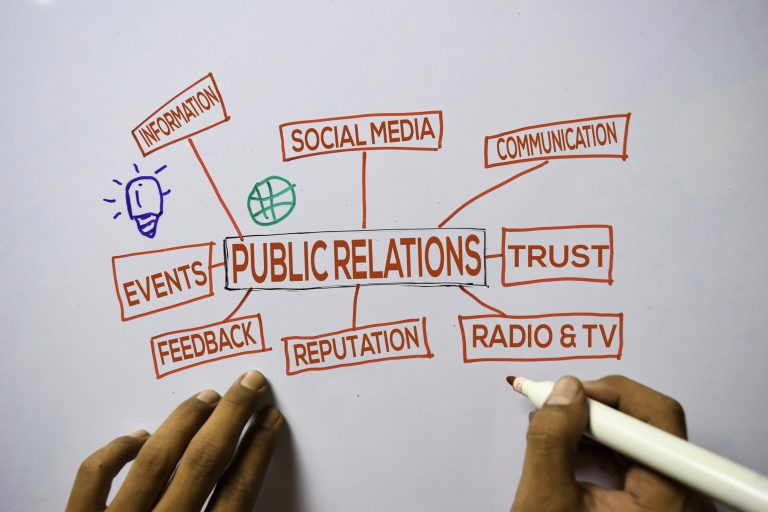
Digital PR has become increasingly important in today’s world, where social media and other digital platforms have become the primary means of communication. However, with this shift to digital comes a new set of challenges that PR professionals must navigate.
Understanding these challenges is crucial to developing effective digital PR strategies that can help businesses and individuals build their brands and reputations online.
One of the biggest challenges of digital PR is the impact of artificial intelligence (AI) on the industry. AI has the potential to revolutionize the way PR is done, from automating routine tasks to analyzing data and predicting trends.
However, it also presents new challenges, such as the need to adapt to new technologies and the risk of losing the human touch that is so important in building relationships with clients and customers.
Another challenge of digital PR is the role of social media in shaping public opinion and driving brand awareness. With billions of users worldwide, social media platforms like Facebook, Twitter, and Instagram have become powerful tools for PR professionals to reach their target audiences and engage with them in real-time.
However, social media also presents new challenges, such as the need to monitor and respond to online conversations, deal with negative feedback and criticism, and maintain a consistent brand voice across multiple channels.
Key Takeaways
- AI is transforming the digital PR industry, presenting both opportunities and challenges.
- Social media is a powerful tool for PR professionals, but it also requires careful management and monitoring.
- Building a strong digital PR strategy requires a deep understanding of the challenges and opportunities presented by the digital age.
Understanding Digital PR
In the digital age, public relations (PR) and communications have become more complex than ever before. Digital PR involves managing a brand’s online presence and reputation through various digital channels, such as social media, email, and search engines. However, with the benefits of digital PR come challenges that need to be overcome.
One of the biggest challenges of digital PR is the speed at which information travels. In the digital age, news can spread like wildfire, and it can be difficult to control the narrative once it is out there. This means that brands need to be proactive in monitoring their online reputation and responding quickly to any negative comments or feedback.
Another challenge of digital PR is the need to understand and adapt to the constantly changing digital landscape. New social media platforms and technologies are emerging all the time, and it can be difficult to keep up with the latest trends and best practices. This means that brands need to be agile and flexible in their approach to digital PR, and be willing to experiment with new strategies and tactics.
In addition to these challenges, digital PR also requires a deep understanding of the target audience. With so much noise and competition online, it can be difficult to cut through the clutter and reach the right people with the right message. This means that brands need to invest time and resources into researching their audience and developing targeted messaging that resonates with them.
Overall, digital PR presents a range of challenges that require careful planning, execution, and monitoring. By understanding these challenges and developing strategies to overcome them, brands can build a strong online reputation and engage with their audience in meaningful ways.
The Impact of AI on Digital PR
Artificial Intelligence (AI) is a strategic disruption in the field of public relations (PR). With the rise of digital intelligence, the PR industry is facing new challenges that need to be addressed. AI has the potential to revolutionize the way PR professionals work, but it also poses a threat to their jobs.
One of the biggest impacts of AI on digital PR is the rise of bots and social bots. These automated systems can collect and analyze data at a much faster rate than humans, making them ideal for tasks such as sentiment analysis, media monitoring, and content creation. However, the use of bots also raises ethical concerns around data collection and privacy.
Another challenge posed by AI in digital PR is the use of big data. The sheer volume of data available to PR professionals can be overwhelming, and AI can help to filter and analyze this data to extract insights and identify trends. However, this also requires a shift in the skillset of PR professionals to be able to work with and interpret data effectively.
In addition, the use of AI in digital PR requires careful consideration of the ethical implications. Data collection and analysis can be used to target vulnerable customers, and there is a risk of perpetuating bias and discrimination if not used responsibly. PR professionals need to be aware of these risks and take steps to mitigate them.
Overall, the impact of AI on digital PR is significant. While it offers many benefits, such as increased efficiency and accuracy, it also poses challenges that need to be addressed. PR professionals need to adapt to the changing landscape of digital PR and embrace new technologies while also being mindful of the ethical implications.
Social Media’s Role in Digital PR
Social media has become an indispensable tool for digital PR. It allows you to reach a wider audience and engage with them in real-time. However, it also presents several challenges that you need to overcome to achieve your digital PR goals.
Social Media Influencers
One of the biggest challenges of social media in digital PR is finding the right influencers. Social media influencers are individuals who have a significant following on social media platforms. They can help you reach your target audience and promote your brand. However, finding the right influencers can be difficult. You need to identify influencers who have a genuine interest in your brand and are willing to promote it.
Followers
Another challenge of social media in digital PR is building a loyal following. You need to create content that resonates with your target audience and encourages them to engage with your brand. This requires a deep understanding of your target audience and their needs.
Social Listening
Social listening is another challenge of social media in digital PR. Social listening involves monitoring social media platforms for mentions of your brand or relevant keywords. This allows you to identify trends, track sentiment, and respond to customer feedback. However, social listening can be time-consuming and requires a dedicated team to manage.
Crisis Management
Social media can also be a double-edged sword when it comes to crisis management. On one hand, it allows you to respond quickly to negative comments and address customer complaints. On the other hand, social media can also amplify negative publicity and damage your brand’s reputation. Therefore, it is essential to have a crisis management plan in place to handle negative publicity on social media.
In conclusion, social media plays a crucial role in digital PR. However, it also presents several challenges that you need to overcome to achieve your digital PR goals. By understanding these challenges and developing a comprehensive strategy, you can use social media to build a strong brand and engage with your target audience.
Communicating in the Digital Age
In today’s world, digital communication has become an essential part of public relations (PR) and marketing strategies. The advancement of technology has created new opportunities for businesses to reach their target audience through various digital channels, including social media, email, and mobile applications. However, with these opportunities come new challenges that businesses must overcome to effectively communicate in the digital age.
One of the biggest challenges of digital PR is feedback. In the digital age, customers have more power than ever before. They can easily share their opinions and experiences with others through social media, review sites, and forums. This means that businesses must be prepared to handle both positive and negative feedback in a timely and professional manner.
Another challenge is transparency. With the rise of social media, customers expect businesses to be transparent about their practices and policies. This means that businesses must be open and honest about their products, services, and operations. Failure to be transparent can quickly damage a company’s reputation and credibility.
Digital communication also requires businesses to be more agile and adaptable. With new technologies and platforms emerging all the time, businesses must be prepared to quickly pivot their strategies and tactics to stay ahead of the competition.
Finally, digital communication requires businesses to be more creative and engaging. With so much content available online, businesses must find ways to stand out and capture their audience’s attention. This means creating content that is both informative and entertaining, and using creative tactics like video and interactive experiences to engage their audience.
In conclusion, the challenges of digital PR are many, but with the right strategies and tactics, businesses can effectively communicate in the digital age and build strong relationships with their customers. By embracing transparency, agility, creativity, and responsiveness, businesses can stay ahead of the competition and thrive in the digital landscape.
Digital PR Strategy Challenges
As a PR professional, you know that digital PR is crucial for building brand awareness and reputation. However, digital PR comes with its own set of challenges that you need to navigate to ensure your strategy is effective. Here are some of the most common challenges you may face when developing and implementing a digital PR strategy:
Keeping Up with the Latest Trends and Technologies
Digital PR is constantly evolving, and new technologies and trends emerge all the time. Keeping up with these changes can be a challenge, especially when you have other responsibilities to manage. To stay ahead of the curve, you need to invest time in research and training to ensure you are up to date with the latest tools and techniques.
Balancing Traditional and Digital PR
While digital PR is becoming increasingly important, it’s essential not to neglect traditional PR. Balancing the two can be a challenge, especially if you have limited resources. However, it’s important to find the right balance to ensure you reach your target audience effectively.
Managing Your PR Team’s Responsibilities
Managing a PR team can be challenging, especially when it comes to digital PR. You need to ensure your team is equipped with the right skills and knowledge to manage digital PR effectively. You may need to invest in training and development to ensure your team is up to the task.
Building and Maintaining Your Network
Networking is an essential part of digital PR, and building and maintaining relationships with influencers, journalists, and other key players can be a challenge. You need to invest time and effort in building your network and nurturing these relationships to ensure your digital PR strategy is effective.
In conclusion, digital PR comes with its own set of challenges, but with the right strategy and approach, you can overcome these challenges and achieve your goals. By staying up to date with the latest trends and technologies, balancing traditional and digital PR, managing your team’s responsibilities, and building and maintaining your network, you can develop an effective digital PR strategy that delivers results.
Press and Media Challenges
In the digital age, the press and media face numerous challenges that affect their ability to provide accurate, reliable, and timely news coverage. These challenges include:
1. Speed and Accuracy
Journalists and media outlets are under constant pressure to break news stories as quickly as possible. However, this often comes at the expense of accuracy. With the rise of social media and citizen journalism, misinformation can spread rapidly, causing confusion and harm. As a result, it is essential to ensure that the information released is accurate and verified before being published.
2. Press Releases
Press releases are a vital tool for public relations professionals to communicate with journalists. However, in the digital age, the sheer volume of press releases can be overwhelming. As a result, journalists may not have the time or resources to read every press release they receive. Therefore, it is crucial to ensure that press releases are targeted, concise, and relevant to the journalist’s beat.
3. Media Coverage
Earned media coverage is essential for businesses and organizations to build their brand and reputation. However, in the digital age, it can be challenging to secure media coverage due to the sheer volume of content available. Therefore, it is crucial to ensure that your story is newsworthy, relevant, and timely.
4. Media Monitoring Tool
Media monitoring tools are essential for tracking media coverage, identifying trends, and measuring the effectiveness of PR campaigns. However, with the vast amount of data available, it can be challenging to identify the most relevant information. Therefore, it is crucial to use media monitoring tools that are accurate, reliable, and provide actionable insights.
In conclusion, the press and media face numerous challenges in the digital age. To overcome these challenges, it is essential to ensure that the information released is accurate and verified, press releases are targeted and relevant, your story is newsworthy, and media monitoring tools are accurate and reliable.
Marketing in the Digital PR Industry
Digital PR has revolutionized the way businesses interact with their customers and stakeholders. The rise of social media platforms, online communities, and mobile devices has created new opportunities for businesses to connect with their target audience. However, digital PR also poses several challenges that businesses must overcome to succeed in the digital age.
As a marketing director, you must be aware of the challenges that the digital PR industry faces. Some of the significant challenges include:
1. Managing Online Reputation
In the digital age, online reputation is everything. Negative reviews, comments, and feedback can spread like wildfire and damage a brand’s reputation. Managing online reputation requires businesses to monitor their online presence, respond to customer feedback promptly, and take corrective action when necessary.
2. Creating Engaging Content
With the rise of social media platforms, businesses must create engaging content that resonates with their target audience. Creating engaging content requires a deep understanding of the target audience’s needs, interests, and pain points. Businesses must also tailor their content to suit different social media platforms and formats.
3. Measuring ROI
Measuring the return on investment (ROI) of digital PR campaigns can be challenging. Unlike traditional PR, digital PR campaigns can generate a vast amount of data, making it difficult to identify the most critical metrics. Businesses must use analytics tools to track the performance of their digital PR campaigns and measure their impact on the bottom line.
4. Keeping Up with Technology
The digital PR industry is constantly evolving, with new technologies and platforms emerging all the time. Businesses must keep up with the latest trends in digital PR and adopt new technologies and platforms to stay ahead of the competition.
In conclusion, the digital PR industry poses several challenges that businesses must overcome to succeed in the digital age. As a marketing director, you must be aware of these challenges and take steps to address them. By managing online reputation, creating engaging content, measuring ROI, and keeping up with technology, businesses can succeed in the digital PR industry.
Influence and Credibility in Digital PR
In the digital age, influence and credibility are crucial for the success of any public relations (PR) campaign. In the world of digital PR, influencers play a significant role in shaping the opinions and attitudes of the target audience. However, the challenge lies in identifying the right influencers who can effectively communicate your message to the target audience.
Credibility is another critical factor in digital PR. With the rise of fake news and misinformation, it is essential to ensure that the information you provide is accurate and trustworthy. The credibility of your message can influence the perception of your brand and impact your reputation in the long run.
To establish credibility, it is essential to maintain authenticity in your communication. Authenticity is the key to building trust with your audience. It is crucial to be transparent in your communication and avoid making exaggerated or false claims.
In addition to authenticity, it is also essential to monitor and manage your online reputation. In the digital age, your online reputation can make or break your brand. It is crucial to have a proactive approach to managing your online reputation by responding promptly to any negative feedback and addressing any concerns raised by your audience.
In conclusion, influence and credibility are critical factors in digital PR. To succeed in the digital age, it is essential to identify the right influencers, maintain authenticity in your communication, and monitor and manage your online reputation. By doing so, you can establish credibility, build trust with your audience, and achieve your PR goals.
The Role of Ethics in Digital PR
When it comes to digital PR, ethics plays a crucial role in ensuring the success of your campaigns. As a PR practitioner, you need to be aware of the ethical challenges that come with using digital communication tools and practices.
One of the main ethical challenges in digital PR is the issue of privacy. With the increasing amount of personal data available online, it is important to ensure that you are not violating anyone’s privacy rights. This means that you need to be transparent about the data you collect and how you use it. You should also obtain consent from individuals before collecting their data.
Another ethical challenge in digital PR is the issue of fake news. In the era of social media, it is easy for false information to spread quickly. As a PR practitioner, it is your responsibility to ensure that the information you share is accurate and truthful. You should also be transparent about the sources of your information.
To navigate these ethical challenges, it is important to follow ethical guidelines. The Chartered Institute of Public Relations (CIPR) has a code of conduct that outlines the ethical principles that PR practitioners should follow. These include being honest and transparent, respecting privacy, and ensuring accuracy and truthfulness.
In addition to following ethical guidelines, it is important to consider your personal values when conducting digital PR campaigns. Your personal values should guide your decision-making process and help you make ethical choices.
In summary, ethics plays a crucial role in digital PR. As a PR practitioner, you need to be aware of the ethical challenges that come with using digital communication tools and practices. By following ethical guidelines and considering your personal values, you can ensure that your campaigns are ethical and successful.
Challenges of Growth and Competition
As the digital PR industry continues to grow, it faces a number of challenges related to growth and competition. Here are some of the key challenges you may encounter as you strive to grow your digital PR business:
Managing Growth
One of the biggest challenges of growth is managing the increasing demands on your time and resources. As your business grows, you’ll need to be able to scale your operations in order to keep up with demand. This may involve hiring new staff, investing in new technology, or developing new processes and procedures to streamline your workflow.
Competition
As the digital PR industry becomes more crowded, competition for clients and talent is increasing. This means that you’ll need to work harder than ever to stand out from the crowd and differentiate your business from your competitors. This may involve developing a unique value proposition, investing in marketing and advertising, or building strong relationships with key influencers and thought leaders in your industry.
Recruitment
As your business grows, you’ll need to recruit new talent in order to keep up with demand. This can be a challenge in an industry where there is a shortage of skilled professionals. To attract and retain the best talent, you’ll need to offer competitive salaries and benefits, provide opportunities for professional development and growth, and create a positive and supportive work environment that fosters creativity and innovation.
Overall, the challenges of growth and competition in the digital PR industry can be significant. However, with the right strategies and tactics in place, you can overcome these challenges and build a successful and sustainable digital PR business.
Navigating PR in the Covid-19 Pandemic
The Covid-19 pandemic has presented unprecedented challenges for businesses and organizations worldwide. The sudden shift to remote working and the need for social distancing has changed the way we communicate and interact with each other. For PR professionals, this has meant navigating uncharted waters and adapting to new ways of working.
One of the biggest challenges of digital PR during the Covid-19 pandemic has been the need to stay informed and up-to-date with the latest developments. With the situation changing rapidly, it’s important to keep a close eye on the news and government guidelines, and to be prepared to respond quickly to any changes that may affect your organization.
Another challenge has been the need to maintain a human connection with your audience. With face-to-face interactions limited, PR professionals have had to find new ways to engage with their audience and build relationships. This has meant making greater use of digital channels such as social media, email, and video conferencing, and finding creative ways to connect with people in a virtual environment.
In addition to these challenges, PR professionals have also had to be mindful of the impact of the pandemic on their messaging. With so much uncertainty and anxiety in the world, it’s important to strike the right tone and avoid coming across as insensitive or out of touch. This has meant being sensitive to the needs and concerns of your audience, and tailoring your messaging accordingly.
Overall, navigating PR in the Covid-19 pandemic has required a combination of agility, creativity, and empathy. By staying informed, staying connected, and staying sensitive to the needs of your audience, you can help your organization weather the storm and emerge stronger on the other side.