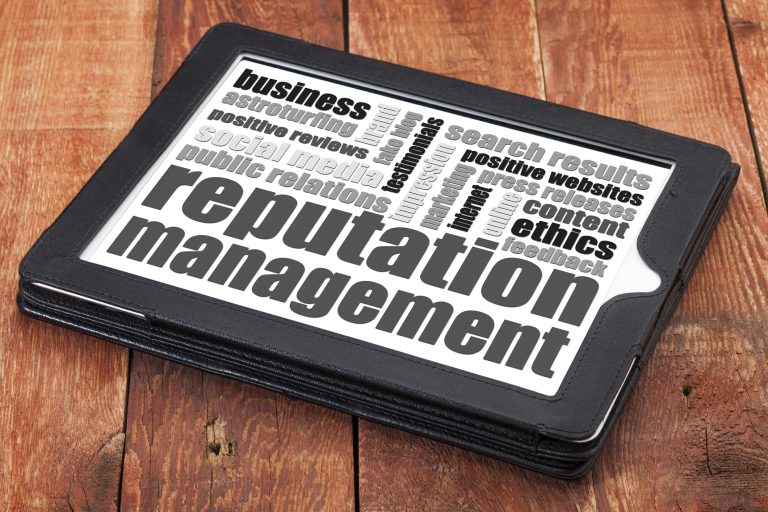
If you’re a business owner, you know that your reputation is everything. In today’s digital age, your online reputation is just as important as your offline reputation. This is where online reputation management comes into play.
Online reputation management involves monitoring and managing your online presence to ensure that your brand is accurately represented and that any negative feedback is addressed promptly.
The benefits of online reputation management are numerous. First and foremost, it can help you build trust with your customers. When you have a positive online reputation, potential customers are more likely to trust you and do business with you. This can lead to increased sales and revenue. Additionally, online reputation management can help you attract and retain top talent.
In today’s job market, job seekers are looking for companies with a positive reputation. By managing your online reputation, you can show potential employees that you are a great place to work.
Key Takeaways
- Online reputation management helps build trust with customers and can increase sales and revenue.
- A positive online reputation can also attract and retain top talent.
- By managing your online reputation, you can show potential employees that you are a great place to work.
Understanding Online Reputation Management
Online Reputation Management (ORM) is the process of monitoring, influencing, and protecting your online reputation. It involves the management of your online presence, including your website, social media profiles, and other online platforms. ORM is a vital aspect of any business or individual’s online presence, as it can greatly impact your credibility and reputation.
Reputation management is crucial in today’s digital age, where people rely heavily on the internet to make purchasing decisions and form opinions about businesses and individuals. A negative online reputation can result in lost business opportunities, decreased trust, and damage to your brand image. On the other hand, a positive online reputation can lead to increased visibility, customer loyalty, and improved sales.
Online reputation management involves various techniques and strategies, such as monitoring online reviews and comments, responding to customer feedback, creating high-quality content, and leveraging social media platforms to engage with your audience. By implementing these strategies, you can build a strong online presence and establish a positive reputation.
One of the key benefits of online reputation management is that it allows you to control the narrative surrounding your brand or personal image. By actively managing your online reputation, you can address negative feedback and prevent it from spreading, while also highlighting positive feedback and reviews. This can help to build trust and credibility with your audience, leading to increased brand loyalty and customer retention.
Another benefit of online reputation management is that it can improve your search engine rankings. By creating high-quality content and engaging with your audience on social media, you can boost your online visibility and improve your search engine rankings. This can lead to increased traffic to your website and improved brand exposure.
In conclusion, online reputation management is a crucial aspect of any business or individual’s online presence. By actively managing your online reputation, you can build trust and credibility with your audience, improve your search engine rankings, and establish a positive reputation that can lead to increased sales and customer loyalty.
The Importance of Online Reputation Management
In today’s digital age, having a strong online reputation is crucial for any business or individual. Online reputation management (ORM) is the practice of monitoring, influencing, and maintaining your online presence to ensure that it accurately reflects your brand or personal identity. Here are some reasons why online reputation management is important:
Builds Trust and Credibility
When potential customers or clients search for your brand or name online, they expect to find accurate and trustworthy information. Your online reputation can either build or break trust. By managing your online reputation, you can ensure that your online presence reflects your values and expertise, building trust and credibility with your target audience.
Increases Brand Awareness
Online reputation management can also help increase brand awareness. By monitoring and responding to online reviews, comments, and feedback, you can engage with your audience and show that you value their opinions. This can lead to increased visibility and brand recognition.
Shapes Brand Image
Your online reputation can shape your brand image. Negative reviews or comments can damage your brand’s reputation, while positive reviews and feedback can enhance it. By managing your online reputation, you can ensure that your brand image is consistent with your values and goals.
Provides Social Proof
Social proof is a psychological concept that refers to the idea that people tend to follow the actions of others. Positive online reviews, ratings, and feedback can serve as social proof, influencing potential customers or clients to choose your brand over competitors. By managing your online reputation, you can encourage positive social proof and increase your brand’s credibility.
In conclusion, online reputation management is an important practice for any business or individual looking to build trust, increase brand awareness, shape brand image, and provide social proof. By monitoring and maintaining your online presence, you can ensure that your online reputation accurately reflects your brand or personal identity.
Role of Reviews in Online Reputation Management
Online reputation management involves monitoring and managing your online presence to ensure that your brand is perceived positively. One of the most crucial elements of online reputation management is reviews. Reviews can be positive or negative, and they can significantly impact your online reputation. In this section, we will discuss the role of reviews in online reputation management.
Positive Reviews
Positive reviews are an essential component of online reputation management. They can help build trust and credibility with potential customers. Positive reviews can also improve your search engine rankings and increase your online visibility. When customers leave positive reviews, it shows that they are satisfied with your products or services, and this can encourage others to do business with you.
To make the most of positive reviews, you should respond to them promptly and thank the customer for their feedback. You can also share positive reviews on your website and social media channels to showcase your brand’s strengths.
Negative Reviews
Negative reviews can be damaging to your online reputation. They can discourage potential customers from doing business with you and harm your search engine rankings. However, negative reviews can also be an opportunity to improve your brand’s reputation.
When you receive a negative review, it’s essential to respond promptly and professionally. Address the customer’s concerns and offer a solution to their problem. By responding to negative reviews, you can show that you care about your customers and are willing to go above and beyond to resolve any issues.
In conclusion, reviews play a vital role in online reputation management. Positive reviews can help build trust and credibility, while negative reviews can be an opportunity to improve your brand’s reputation. It’s essential to monitor and respond to reviews promptly to ensure that your online reputation remains positive.
Platforms for Online Reputation Management
When it comes to online reputation management, there are various platforms that you can use to monitor and manage your digital presence. Here are some of the most popular platforms:
Social Media Platforms
Social media is a powerful tool that can help you build your brand and connect with your audience. However, it can also be a double-edged sword if you don’t manage it properly. By monitoring your social media accounts and responding to feedback in a timely manner, you can improve your online reputation and build trust with your customers. Popular social media platforms include Facebook, Twitter, Instagram, LinkedIn, and YouTube.
Review Sites
Online review sites have become an increasingly important source of consumer information over the last decade. Review sites like Yelp, TripAdvisor, and Google Reviews allow customers to leave feedback about your business, which can impact your online reputation. By monitoring these sites and responding to feedback, you can improve your reputation and show your customers that you care about their experience.
News Sites
News sites can be a great way to build your brand and get your message out to a wider audience. However, negative news stories can also damage your reputation. By monitoring news sites and responding to negative stories in a timely manner, you can mitigate the damage and protect your online reputation.
Blogs and Forums
Blogs and forums can be a great way to connect with your audience and build your brand. However, they can also be a breeding ground for negative comments and feedback. By monitoring these sites and responding to feedback in a professional and timely manner, you can improve your online reputation and build trust with your customers.
Overall, by monitoring and managing your online reputation across these platforms, you can build trust with your customers and protect your brand from negative feedback.
Utilising AI and Automation in Online Reputation Management
Online reputation management can be a time-consuming and challenging task, especially for businesses with a large online presence. Utilising AI and automation can help streamline the process and provide real-time feedback to help manage your online reputation more effectively.
AI-powered tools can help monitor and analyse online reviews, social media mentions, and other online content related to your business. This can help you identify potential issues and respond to them quickly before they escalate. By automating the process, you can save time and resources while still maintaining a positive online reputation.
Real-time feedback is essential in online reputation management. With AI and automation, you can receive instant notifications when someone mentions your business online. This allows you to respond quickly and effectively to any negative comments or reviews, which can help prevent further damage to your reputation.
AI and automation can also help you track your online reputation over time. By analysing trends in online reviews and social media mentions, you can identify areas where your business is excelling and areas where you need to improve. This can help you make more informed decisions about your business and improve your overall reputation online.
In summary, utilising AI and automation in online reputation management can provide numerous benefits, including saving time and resources, providing real-time feedback, and tracking your online reputation over time. By taking advantage of these tools, you can maintain a positive online reputation and ensure the success of your business in the digital age.
Monitoring and Managing Online Reputation
In today’s digital age, online reputation management has become an essential aspect of running a business. Monitoring and managing your online reputation can help you to maintain a positive image and build trust with your customers. Here are some of the benefits of monitoring and managing your online reputation:
1. Stay informed with monitoring tools
Monitoring tools such as Google Alerts and social listening tools can help you keep track of what people are saying about your business online. By setting up alerts for your business name, products, or services, you can receive notifications when someone mentions you online. This can help you to stay informed about any negative comments or reviews and respond to them promptly.
2. Respond to negative feedback
When negative feedback is left unaddressed, it can damage your business’s reputation. However, by monitoring your online presence, you can respond to negative feedback and turn a negative experience into a positive one. By acknowledging the issue and offering a solution, you can show your customers that you care about their experience and are willing to make things right.
3. Identify trends
By monitoring your online reputation, you can identify trends in customer feedback and adjust your business strategy accordingly. For example, if you notice that customers are frequently complaining about a particular aspect of your product or service, you can take steps to address the issue and improve your offering.
4. Build trust with your customers
A positive online reputation can help you to build trust with your customers. By responding to feedback, addressing issues, and maintaining a positive image, you can show your customers that you are committed to providing excellent service and value their feedback.
Overall, monitoring and managing your online reputation can help you to maintain a positive image, build trust with your customers, and improve your business’s offerings. By using tools such as Google Alerts and social listening, you can stay informed about what people are saying about your business and take proactive steps to address any issues.
Online Reputation Management Strategy
In today’s digital age, online reputation management strategy is crucial for businesses to maintain a positive image and attract potential customers. Your online reputation is how people perceive your business, and it can have a significant impact on your success. Here are some of the benefits of having an online reputation management strategy.
Building Trust and Transparency
One of the main benefits of having an online reputation management strategy is building trust and transparency with your customers. When you respond to customer feedback, whether it is positive or negative, it shows that you care about their opinions and are willing to take action to improve their experience. This can help to build trust and loyalty with your customers, which can lead to increased sales and revenue.
Another way to build trust and transparency is by being open and honest about your business practices. This can include sharing information about your products and services, your company culture, and your business goals. By being transparent, you can show your customers that you have nothing to hide, which can help to build trust and credibility.
Crisis Response and Management
Another benefit of having an online reputation management strategy is being prepared for a crisis. No business is immune to negative publicity, and it is essential to have a plan in place for how to respond. By having a crisis management plan, you can quickly and effectively respond to negative feedback and prevent it from spiralling out of control.
Your crisis management plan should include steps to take when negative feedback arises, such as responding promptly and professionally, apologising if necessary, and taking action to address the issue. By responding in a timely and appropriate manner, you can show your customers that you take their feedback seriously and are committed to improving their experience.
In conclusion, having an online reputation management strategy is essential for businesses to maintain a positive image and attract potential customers. By building trust and transparency with your customers and being prepared for a crisis, you can help to ensure the long-term success of your business.
Impact of Online Reputation Management on Business Growth
As a business owner, you know that maintaining a good reputation is crucial for the growth and success of your business. In today’s digital age, where customers can easily share their experiences online, managing your online reputation has become more important than ever before. Online reputation management (ORM) refers to the process of monitoring, influencing, and managing your online presence to ensure that your business is viewed positively by customers and potential customers.
ORM can have a significant impact on your business growth. Here are some of the benefits of doing online reputation management:
Increased Sales and Revenue
A positive online reputation can lead to increased sales and revenue for your business. When potential customers search for your business online, they are likely to read reviews and ratings from other customers. If your business has a good reputation, customers are more likely to choose your business over competitors. According to a study by Harvard Business School, a one-star increase in a business’s Yelp rating leads to a 5-9% increase in revenue.
Stronger Brand Image
ORM can help you build a strong brand image for your business. When customers see positive reviews and ratings for your business online, they are more likely to trust and recommend your business to others. This can help you establish your business as a leader in your industry and create a competitive advantage over other businesses.
Improved Customer Relationships
ORM can also help you improve your customer relationships. By responding to customer feedback and addressing any negative reviews or comments, you can show your customers that you value their opinions and are committed to providing excellent customer service. This can lead to increased customer loyalty and repeat business.
Increased Profit
ORM can have a direct impact on your business’s profit. By improving your online reputation, you can attract more customers, increase sales, and reduce marketing costs. According to a study by Moz, businesses that have a 5-star rating on Google My Business earn 39% more in annual revenue than businesses with a 1-star rating.
In conclusion, online reputation management is a crucial aspect of business growth in today’s digital age. By monitoring and managing your online presence, you can improve your reputation, attract more customers, and increase your revenue and profit.
Influence of Online Reputation Management on SEO
Online reputation management (ORM) has a direct impact on the visibility of your brand in search engine results pages (SERPs). When you manage your online reputation effectively, you are able to control what people find when they search for your brand on search engines like Google. This is because search engines like Google consider the online reputation of a brand when ranking websites in their search results.
By improving your online reputation, you can improve your search engine optimization (SEO) efforts. This means that you can improve your website’s ranking on search engines, which can lead to increased traffic and more potential customers. By managing your online reputation, you can also ensure that the right information about your brand is presented to potential customers.
ORM can also help you to identify and target the right keywords for your brand. By monitoring what people are saying about your brand online, you can identify the keywords that people are using to search for your brand. This information can then be used to optimize your website for those keywords, which can help to improve your SEO efforts.
Furthermore, ORM can help you to build a strong online presence. By managing your online reputation, you can ensure that your brand is visible on multiple online platforms. This can help to increase your brand’s visibility and reach, which can lead to more potential customers finding your brand online.
In conclusion, effective online reputation management can have a significant impact on your SEO efforts. By managing your online reputation, you can improve your website’s ranking on search engines, target the right keywords for your brand, and build a strong online presence.
Online Reputation Management and Customer Experience
Online reputation management (ORM) is the practice of monitoring and improving how your brand is perceived online. By managing your online reputation, you can influence how customers perceive your brand, which can have a significant impact on customer experience.
Customer experience (CX) refers to the overall experience a customer has with your brand, from initial contact through to post-purchase support. CX is a crucial factor in customer satisfaction, which in turn can impact customer loyalty and advocacy.
ORM can have a significant impact on customer sentiment, which is how customers feel about your brand. By monitoring and responding to online reviews and feedback, you can address customer concerns and improve customer sentiment. This can lead to increased customer satisfaction and loyalty.
Effective ORM can also help you to provide better customer service. By monitoring online reviews and feedback, you can identify areas where your customer service may be falling short. This can help you to improve your customer service processes and provide a better overall customer experience.
In summary, effective ORM can have a significant impact on customer experience, customer sentiment, customer satisfaction, and customer service. By monitoring and improving your online reputation, you can create a more positive perception of your brand, which can lead to increased customer loyalty and advocacy.
Relevance of Online Reputation Management in Attracting Talent
In today’s competitive job market, attracting the best talent is crucial to the success of any business. One way to attract top talent is by maintaining a positive online reputation. Online reputation management (ORM) is the practice of monitoring and improving the way your business is perceived online. This includes managing your social media presence, responding to customer reviews, and addressing negative comments or complaints.
By having a positive online reputation, you can attract better talent to your business. Potential employees are likely to research your company online before deciding to apply for a job. A positive online reputation can help to build trust and credibility with potential candidates. In fact, a study by Corporate Responsibility Magazine found that 69% of job seekers would reject a job offer from a company with a bad reputation, even if they were unemployed.
ORM can also help to showcase your company culture and values. By highlighting positive reviews and testimonials from current employees, you can demonstrate that your business is a great place to work. This can be particularly important for attracting younger generations who place a high value on workplace culture and work-life balance.
In addition to attracting better talent, ORM can also help to retain your current employees. By responding to negative comments or complaints online, you can show your employees that you value their feedback and are committed to addressing their concerns. This can help to improve employee satisfaction and reduce turnover rates.
Overall, investing in online reputation management can have significant benefits for attracting and retaining top talent. By maintaining a positive online presence and demonstrating your company culture and values, you can build trust and credibility with potential candidates and improve employee satisfaction.
Online Reputation Management and Branding
Online reputation management (ORM) is the practice of monitoring and managing your online presence. It involves monitoring what people are saying about you or your brand online and taking steps to ensure that your online reputation is positive. ORM is an essential aspect of branding and can greatly impact your brand perception, recommendations, and ultimately your bottom line.
One of the benefits of doing online reputation management is that it helps you to build a positive brand image. By monitoring what people are saying about you online, you can identify any negative comments or reviews and take steps to address them. This can help to improve your brand perception and make your brand more attractive to potential customers.
Another benefit of online reputation management is that it can help you to identify areas where you can improve your brand. By monitoring what people are saying about you online, you can identify any areas where your brand may be falling short. This can help you to make improvements and ensure that your brand is meeting the needs of your customers.
Online reputation management can also help to increase brand recommendations. Positive reviews and comments can help to build trust and credibility with potential customers. This can lead to increased brand recommendations and ultimately increased sales.
In summary, online reputation management is an essential aspect of branding that can greatly impact your brand perception, recommendations, and bottom line. By monitoring what people are saying about you online and taking steps to address any negative comments or reviews, you can build a positive brand image and increase brand recommendations.
Managing Negative Comments and Criticism
When it comes to online reputation management, one of the most important aspects is managing negative comments and criticism. Negative comments and criticism can be painful and frustrating, but they can also be an opportunity to improve your business and your reputation.
One of the benefits of managing negative comments and criticism is that it can help you identify pain points in your business. By listening to what your customers are saying, you can learn about areas where you need to improve and make changes to better meet their needs. This can ultimately lead to a better customer experience and a stronger reputation.
Another benefit of managing negative comments and criticism is that it can help you build trust with your customers. When you respond to negative comments and criticism in a professional and helpful way, you show your customers that you care about their concerns and are committed to addressing them. This can help build trust and loyalty, which can ultimately lead to more positive reviews and recommendations.
It’s important to remember that negative comments and criticism are not necessarily a bad thing. While they can be painful, they can also be an opportunity to learn and grow. By listening to your customers and addressing their concerns, you can improve your business and your reputation, which can ultimately lead to greater success in the long run.
Online Reputation Management Over Time
Managing your online reputation is not a one-time event, but rather an ongoing process. Your digital reputation is constantly evolving, and it is essential to keep a close eye on it to ensure that it remains positive and reflects your brand’s values and mission.
Over time, your online reputation can be impacted by a variety of factors, including customer reviews, social media posts, news articles, and more. Negative feedback or reviews can harm your reputation, while positive feedback can enhance it. It is crucial to monitor your online presence regularly and respond to any negative comments or reviews promptly.
One of the benefits of online reputation management over time is that it allows you to identify potential issues before they become significant problems. By monitoring your online presence, you can detect negative feedback or reviews early and take corrective action before they escalate. This proactive approach can help you maintain a positive reputation and avoid any long-term damage to your brand.
Another advantage of online reputation management over time is that it allows you to build trust and credibility with your customers. By responding to feedback and reviews, you demonstrate that you value your customers’ opinions and are committed to providing excellent service. This can help build customer loyalty and encourage positive word-of-mouth referrals, which can further enhance your reputation over time.
In conclusion, managing your online reputation over time is a critical component of any digital marketing strategy. By monitoring your online presence, responding to feedback, and building trust with your customers, you can maintain a positive reputation and enhance your brand’s credibility and reputation over time.
Conclusion
In conclusion, online reputation management offers numerous benefits to your business. By monitoring and managing your online reputation, you can ensure that your target audience and buyers have a positive perception of your brand. This can attract new customers and improve customer relationships, ultimately leading to increased sales and revenue.
One of the key benefits of online reputation management is that it allows you to respond to negative feedback in a timely and professional manner. By addressing customer complaints and concerns, you can demonstrate that you value their feedback and are committed to providing excellent customer service.
Another benefit of online reputation management is that it can help you attract new customers. Positive reviews and ratings can serve as social proof, encouraging potential customers to choose your business over your competitors. By actively managing your online reputation, you can ensure that your brand is well-represented across all online platforms.
Finally, online reputation management can help you build stronger customer relationships. By engaging with customers and responding to their feedback, you can show that you value their opinion and are committed to meeting their needs. This can lead to increased loyalty and repeat business.
Overall, online reputation management is an essential aspect of modern business. By investing in your online reputation, you can ensure that your brand is well-represented online and that your customers have a positive perception of your business.
Frequently Asked Questions
How can digital marketing help improve your reputation online?
Digital marketing can help improve your online reputation by increasing your brand’s visibility, engagement, and positive sentiment. By using various digital marketing techniques such as search engine optimization (SEO), content marketing, social media marketing, and online advertising, you can promote your brand, engage with your audience, and build a positive reputation. By creating valuable content, responding to customer feedback, and managing your online presence, you can establish yourself as a trusted and authoritative brand in your industry.
What are the advantages of managing your online image?
Managing your online image can have several advantages, such as improving your brand’s credibility, increasing customer trust, and attracting new customers. By monitoring and controlling your online presence, you can ensure that your brand’s messaging is consistent, accurate, and positive. By addressing negative feedback and responding to customer concerns, you can show that you value your customers and are committed to providing excellent service.
Why is it important for companies to maintain a positive digital reputation?
Maintaining a positive digital reputation is crucial for companies because it can affect customer perception, sales, and overall success. With the rise of social media and online review sites, customers have more power than ever to share their experiences and opinions about brands. Negative feedback and reviews can damage a company’s reputation and deter potential customers. By actively managing your online reputation, you can mitigate negative feedback and promote positive sentiment, which can improve customer loyalty and trust.
What benefits can online reputation management services provide?
Online reputation management services can provide several benefits, such as monitoring your online presence, addressing negative feedback, and promoting positive sentiment. By using advanced tools and techniques, these services can help you identify and address potential reputation threats before they become major issues. They can also help you improve your online visibility, engage with your audience, and build a positive reputation over time.
What are the key factors to consider when conducting an online reputation audit?
When conducting an online reputation audit, it’s important to consider several key factors, such as your brand’s messaging, online presence, customer feedback, and competitor analysis. By evaluating these factors, you can identify potential reputation threats, address any issues, and develop a strategy for improving your online reputation. It’s also important to consider the impact of social media privacy and data protection laws on your online reputation and take appropriate measures to protect your brand’s reputation.
How does social media privacy impact your online reputation?
Social media privacy can have a significant impact on your online reputation, as customers are increasingly concerned about data privacy and security. By ensuring that your social media profiles are secure and compliant with privacy laws, you can build trust with your audience and protect your brand’s reputation. It’s also important to be transparent about how you handle customer data and to take appropriate measures to protect customer privacy. By prioritizing data privacy and security, you can improve your brand’s reputation and build customer trust.