If you’re looking to monetize your website or social media presence, affiliate marketing might be the perfect solution. By promoting other people’s products and services, you can earn a commission on each sale that comes from your unique affiliate link. However, creating affiliate links can be confusing if you’re new to the world of affiliate marketing.
Fortunately, setting up affiliate links is a straightforward process that can be broken down into a few simple steps. First, you’ll need to join an affiliate program or network that’s relevant to your niche. Once you’re approved, you’ll be given a unique affiliate link that you can use to promote the products or services you’ve signed up to promote.
From there, you can create custom affiliate links for specific products or pages, or use a link generator tool to create multiple links at once.
Creating affiliate links is just one aspect of a successful affiliate marketing strategy. To make the most of your affiliate presence, you’ll need to focus on promoting your links effectively, analyzing and optimizing your performance, and building strong relationships with the merchants and networks you work with.
With the right approach, affiliate marketing can be a lucrative way to earn passive income and grow your online presence.
Key Takeaways
- Affiliate marketing involves promoting other people’s products and services in exchange for a commission.
- To create affiliate links, you’ll need to join an affiliate program or network and generate a unique link for each product or page you want to promote.
- To succeed in affiliate marketing, you’ll need to focus on promoting your links effectively, analyzing and optimizing your performance, and building strong relationships with merchants and networks.
Understanding Affiliate Marketing
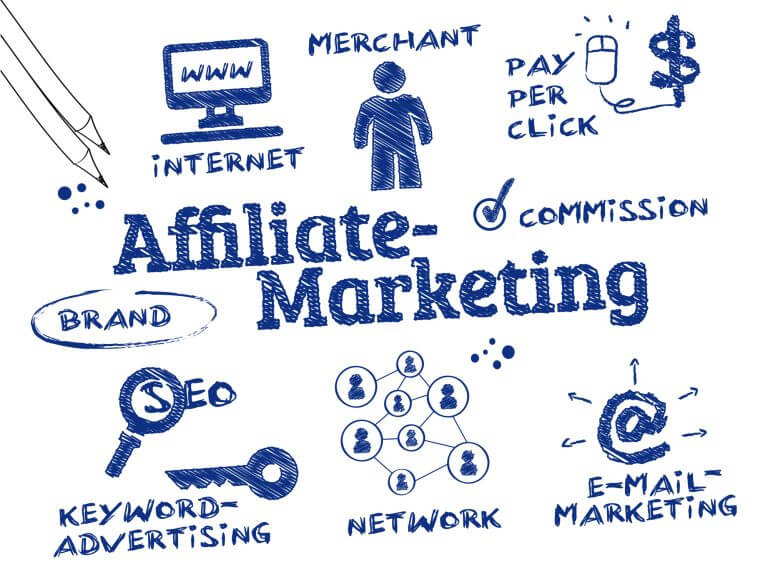
Affiliate marketing is a type of online marketing where an affiliate promotes a merchant’s products or services and receives a commission for each sale made through their unique affiliate link. In this section, we will discuss the basics of affiliate programs, commission structures, and payment models.
The Basics of Affiliate Programmes
Affiliate programs are created by merchants to increase sales and revenue. When you join an affiliate program, you will be given a unique affiliate link that you can use to promote the merchant’s products or services. When someone clicks on your affiliate link and makes a purchase, you will earn a commission.
Most affiliate programs are free to join, and you can promote multiple products or services from different merchants. However, before joining an affiliate program, it is essential to read and understand the terms and conditions, commission rates, and payment models.
Commission Structures and Payment Models
Commission structures and payment models vary depending on the merchant and the affiliate program. The most common commission structure is a percentage of the sale. For example, if you promote a product that costs £100 and the commission rate is 10%, you will earn £10 for each sale made through your affiliate link.
Another commission structure is a flat fee per sale. For example, if you promote a service that costs £500 and the commission rate is £50 per sale, you will earn £50 for each sale made through your affiliate link.
Payment models also vary depending on the merchant and the affiliate program. Some merchants pay their affiliates every time a sale is made, while others pay their affiliates on a recurring basis. Recurring commission is when you earn a commission every time the customer makes a payment, such as a subscription service.
In conclusion, affiliate marketing is a great way to earn passive income by promoting products or services through your unique affiliate link. By understanding the basics of affiliate programs, commission structures, and payment models, you can make informed decisions and maximise your earnings.
Setting Up Your Affiliate Presence
Setting up your affiliate presence is an essential step in creating affiliate links that generate revenue. This section will guide you through the process of building a strong affiliate presence that attracts the right audience.
Choosing the Right Niche and Brand
Choosing the right niche and brand is critical to your affiliate marketing success. You need to select a niche that you are passionate about and that has a large audience. Once you have identified your niche, you need to choose a brand that aligns with your values and resonates with your audience.
Building an Engaging Website
Your website is the cornerstone of your affiliate presence. You need to create a website that is visually appealing, easy to navigate, and provides valuable content to your audience. Your website should include a clear call to action that encourages your audience to click on your affiliate links.
Leveraging Social Media and Blogs
Social media and blogs are powerful tools for building your affiliate presence. You need to create engaging content that resonates with your audience and encourages them to share your content. You can also leverage social media influencers and bloggers to promote your affiliate links to their audience.
In conclusion, setting up your affiliate presence is crucial to generating revenue through affiliate links. By choosing the right niche and brand, building an engaging website, and leveraging social media and blogs, you can create a strong affiliate presence that attracts the right audience and generates revenue.
Joining Affiliate Programmes
If you are looking to monetize your website or blog, joining an affiliate programme can be a great way to earn money. In this section, we will guide you through the process of joining affiliate programmes.
Finding Suitable Affiliate Networks
The first step is to find a suitable affiliate network. There are many affiliate networks available, such as Rakuten and ShareASale, which offer a wide range of affiliate programmes for different niches. You can search for affiliate networks using search engines or by asking for recommendations from other affiliates.
Before joining an affiliate network, make sure to check their terms and conditions, commission rates, payment methods, and cookie duration. You should also check if they offer any support or resources for affiliates, such as marketing materials or training.
Applying to Affiliate Programmes
Once you have found a suitable affiliate network, you can apply to join their affiliate programmes. Most networks require you to fill out an application form and provide information about your website or blog, traffic sources, and marketing strategies.
Make sure to provide accurate and detailed information, as some networks may reject applications that do not meet their criteria. You should also read the programme terms and conditions carefully, as they may contain restrictions or guidelines on how to promote the products or services.
Understanding the Affiliate Dashboard
After you have been accepted into an affiliate programme, you will be provided with an affiliate dashboard. This is where you can find your unique affiliate links, track your earnings, and access marketing materials.
Make sure to familiarise yourself with the dashboard and its features, as it can help you to optimise your campaigns and track your performance. You should also check if the network offers any reporting tools or analytics, which can provide valuable insights into your audience and conversions.
In summary, joining affiliate programmes can be a lucrative way to monetise your website or blog. By finding suitable affiliate networks, applying to affiliate programmes, and understanding the affiliate dashboard, you can start earning commissions from your referrals.
Creating Affiliate Links
Affiliate marketing is a powerful way to generate income online. Creating affiliate links is an essential part of this process. In this section, we’ll discuss how to generate unique affiliate links, customise links for different platforms, and ensure proper link tracking.
Generating Unique Affiliate Links
To generate a unique affiliate link, you’ll need to create a unique ID for each link. This ID is used to track clicks and conversions. Affiliate programs usually provide you with a unique ID that you can use to generate your links. You can also use a URL shortener to create a unique link.
Customising Links for Different Platforms
Different platforms have different requirements for affiliate links. For example, social media platforms like Twitter have character limits, so you’ll need to customise your links accordingly. You can use a URL shortener to create a shorter link, or you can use a custom link that redirects to your affiliate link.
Ensuring Proper Link Tracking
Proper link tracking is essential for affiliate marketing success. You need to track clicks and conversions to know which links are working and which ones aren’t. Most affiliate programs use cookies to track clicks and conversions. Make sure your links have the proper tracking parameters and that your landing pages are set up to track conversions.
In summary, creating affiliate links is an essential part of affiliate marketing. To generate unique affiliate links, create a unique ID for each link or use a URL shortener. Customise your links for different platforms and ensure proper link tracking by using tracking parameters and setting up your landing pages to track conversions.
Promoting Affiliate Offers
Once you have created your affiliate links, the next step is to promote your offers. Here are some effective ways to promote your affiliate offers:
Creating Content That Converts
One of the most effective ways to promote your affiliate offers is by creating high-quality content that converts. This could be in the form of blog posts, videos, or social media posts. Your content should be informative, engaging, and relevant to your target audience. You should also include your affiliate links within your content in a way that feels natural and not pushy.
Utilising Email and Influencer Marketing
Email marketing and influencer marketing are two powerful tools that can help you promote your affiliate offers. With email marketing, you can send targeted emails to your subscribers with your affiliate links included. Influencer marketing involves partnering with influencers in your niche to promote your offers to their followers. This can help you reach a wider audience and generate more conversions.
Leveraging SEO for Affiliate Success
Search engine optimisation (SEO) is another effective way to promote your affiliate offers. By optimising your website and content for relevant keywords, you can increase your visibility in search engine results pages and attract more targeted traffic to your site. This can lead to higher conversions and more affiliate revenue.
In conclusion, promoting your affiliate offers requires a combination of strategies that are tailored to your target audience and niche. By creating high-quality content, utilising email and influencer marketing, and leveraging SEO, you can increase your chances of success and grow your affiliate marketing campaign.
Analysing and Optimising Performance
As an affiliate marketer, analysing and optimising your performance is critical to your success. By tracking clicks and conversions, understanding analytics and reports, and improving conversion rates, you can increase your earnings and grow your business.
Tracking Clicks and Conversions
Tracking clicks and conversions is the first step to analysing and optimising your affiliate marketing performance. By tracking clicks, you can see how many people are clicking on your affiliate links. By tracking conversions, you can see how many of those clicks are resulting in sales or leads.
There are many tools available to help you track clicks and conversions, including Google Analytics, affiliate networks, and third-party tracking software. By using these tools, you can get a better understanding of your marketing performance and make data-driven decisions to improve your results.
Understanding Analytics and Reports
Understanding analytics and reports is critical to improving your affiliate marketing performance. By analysing your site traffic, marketing performance, and conversion rates, you can identify areas for improvement and make data-driven decisions to optimise your results.
Google Analytics is a powerful tool for understanding your site traffic and marketing performance. By tracking your click-through rates, conversion rates, and other statistics, you can identify which marketing channels are driving the most traffic and sales. You can also use Google Analytics to track conversions and set up goals to measure your performance.
Improving Conversion Rates
Improving conversion rates is the key to increasing your affiliate marketing earnings. By optimising your landing pages, improving your calls to action, and testing different marketing strategies, you can increase your conversion rates and earn more commissions.
One effective way to improve your conversion rates is to test different landing pages and calls to action. By creating multiple versions of your landing pages and testing different headlines, images, and copy, you can identify which elements are most effective at driving conversions. You can also test different marketing strategies, such as email marketing, social media, and paid advertising, to see which channels are most effective at driving traffic and sales.
In conclusion, by tracking clicks and conversions, understanding analytics and reports, and improving conversion rates, you can optimise your affiliate marketing performance and increase your earnings. Use the tools and strategies available to you, and make data-driven decisions to grow your business.
Scaling Your Affiliate Business
Once you have established your affiliate marketing business, it is essential to scale up your activities to maximise your income and boost sales. Here are some tips to help you expand your affiliate business, build credibility and trust, and maximise your income and sales.
Expanding Your Affiliate Activities
One of the most effective ways to scale up your affiliate business is to expand your activities. Look for new products and services to promote, and find new affiliate programs to join. Consider promoting complementary products or services to your existing audience, or target new audiences by promoting products in different niches.
To manage your expanding activities, you may want to consider investing in affiliate software or SaaS tools. These tools can help you track your campaigns, monitor your performance, and manage your commissions more efficiently.
Building Credibility and Trust
To succeed as an affiliate marketer, you need to build credibility and trust with your audience. One way to do this is to provide high-quality content that is relevant and helpful to your audience. This can include product reviews, tutorials, and how-to guides.
Another way to build credibility is to be transparent about your compensation. Let your audience know that you receive a commission when they make a purchase through your affiliate link. This can help build trust and establish your reputation as a trustworthy affiliate marketer.
Maximising Income and Sales
To maximise your income and sales, you need to focus on promoting the right products to the right audience. This means understanding your audience’s needs and preferences and promoting products that meet those needs.
You can also maximise your income by negotiating higher commission rates with your affiliate partners. If you are driving significant sales or have a large audience, you may be able to negotiate a higher commission rate or exclusive offers for your audience.
In conclusion, scaling up your affiliate marketing business requires a combination of expanding your activities, building credibility and trust, and maximising your income and sales. By following these tips, you can take your affiliate marketing business to the next level and achieve greater success.
Managing Affiliate Relationships
As an affiliate marketer, managing your relationships with merchants and networks is crucial to your success. Building strong relationships with your partners can help you maximise your earnings and ensure that you are providing your audience with the best possible experience.
Communicating with Merchants and Networks
Clear and effective communication is key to building strong relationships with your merchants and networks. Make sure to keep them informed about your promotional plans, any issues you encounter, and any feedback you receive from your audience. This will help them better understand your needs and goals, and allow them to provide you with the support and resources you need to succeed.
Providing Excellent Customer Support
Providing excellent customer support is essential to building trust with your audience and ensuring that they continue to use your affiliate links. Make sure to respond promptly to any questions or concerns that your audience may have, and provide them with accurate and helpful information. This will help you build a loyal following and increase your earnings over time.
Ensuring Compliance and Authenticity
Ensuring compliance and authenticity is another important aspect of managing your affiliate relationships. Make sure to follow all of the rules and regulations set out by your merchants and networks, and avoid any practices that could be seen as spammy or unethical. This will help you maintain your credibility and build trust with your audience, which is essential to your long-term success as an affiliate marketer.
By following these tips and building strong relationships with your merchants and networks, you can maximise your earnings and ensure that you are providing your audience with the best possible experience. Remember to always communicate clearly, provide excellent customer support, and maintain compliance and authenticity in everything you do.
Frequently Asked Questions
What steps are involved in setting up an affiliate programme for my business?
Setting up an affiliate program for your business involves several steps. First, you need to choose an affiliate network that suits your business needs. Then, you need to create an account and set up your affiliate program. You will also need to decide on the commission structure and set up payment options. Finally, you need to promote your affiliate program to attract affiliates who will promote your products or services.
Can I engage in affiliate marketing without owning a website, and if so, how?
Yes, you can engage in affiliate marketing without owning a website. One way to do this is by promoting affiliate links on social media platforms such as Instagram or YouTube. Another way is by using email marketing to promote affiliate links to your subscribers. You can also promote affiliate links on forums, blogs, and other online communities.
What are the best practices for integrating affiliate links into my Shopify store?
When integrating affiliate links into your Shopify store, it is important to make sure that the links are relevant to your products and services. You should also use clear and concise language to describe the products or services being promoted. It is also important to disclose that you are using affiliate links to your customers. Lastly, make sure that the affiliate links are working correctly and that they are not broken.
How can I generate affiliate links for products I wish to promote as an influencer?
To generate affiliate links for products you wish to promote as an influencer, you first need to join an affiliate program. Once you have joined the program, you will be given a unique affiliate link that you can use to promote the products. You can then share the link on your social media platforms or blog to promote the products to your followers.
What methods are available for creating affiliate links at no cost?
There are several methods available for creating affiliate links at no cost. One way is to join an affiliate program that offers free affiliate links. Another way is to use a free link shortener service such as Bitly or TinyURL to create affiliate links. You can also create affiliate links using Google Analytics or other tracking platforms.
Is it possible for anyone to earn revenue from affiliate links, and what are the requirements?
Yes, it is possible for anyone to earn revenue from affiliate links. However, to be successful in affiliate marketing, you need to have a significant following on social media or a high-traffic website. You also need to have a good understanding of your target audience and the products or services you are promoting. Additionally, you need to be able to create engaging content that will attract customers to click on your affiliate links.