If you’re looking to increase your sales, building a sales funnel from scratch is a must. A sales funnel is a marketing strategy that guides potential customers through a series of steps towards making a purchase. By creating a sales funnel, you can increase your chances of converting leads into paying customers.
To build a sales funnel, you need to start by understanding the process. A typical sales funnel consists of four stages: awareness, interest, decision, and action. At each stage, you need to provide potential customers with the right information and incentives to move them to the next stage. This requires you to identify your target audience, create engaging content, and build a landing page that converts visitors into leads.
Once you have generated leads, you need to nurture them through the funnel. This involves a combination of lead generation strategies and tactics to keep potential customers engaged and interested.
Finally, you need to close the sale by using conversion and closing strategies that encourage customers to take action. By following these steps, you can build a sales funnel that is effective at converting leads into paying customers.
Key Takeaways
- Understanding the sales funnel process is crucial to building an effective sales funnel.
- Identifying your target audience and creating engaging content are key to generating leads.
- Nurturing prospects through the funnel and using conversion strategies are essential for closing sales and retaining customers.
Understanding a Sales Funnel
Definition and Importance
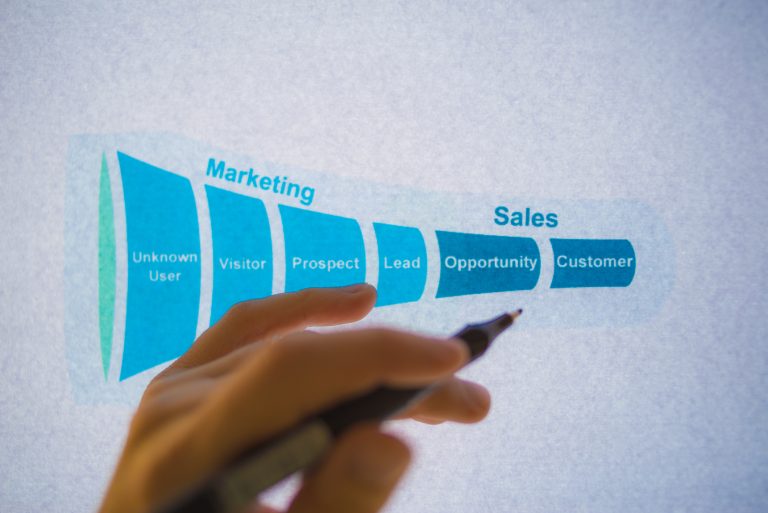
A sales funnel is a marketing model that represents the journey a customer takes from being aware of a product or service to making a purchase. It is a visual representation of the process of converting leads into customers. A sales funnel is important because it helps businesses to understand their customers’ needs and behaviour, and to develop strategies to build valuable relationships with them.
The funnel is divided into stages, each of which represents a different stage in the customer journey. Understanding the stages of a sales funnel is crucial to building an effective funnel.
Stages of a Sales Funnel
A typical sales funnel has four stages: awareness, interest, decision, and action.
Awareness
The awareness stage is the first stage of the funnel. At this stage, the customer becomes aware of the product or service. This can happen through various channels such as social media, advertising, or word-of-mouth. The goal of this stage is to attract the attention of potential customers and to make them aware of the product or service.
Interest
The interest stage is the second stage of the funnel. At this stage, the customer shows an interest in the product or service. This can be through signing up for a newsletter, following the business on social media, or visiting the website. The goal of this stage is to nurture the customer’s interest and to provide them with more information about the product or service.
Decision
The decision stage is the third stage of the funnel. At this stage, the customer is considering whether or not to purchase the product or service. This is where businesses need to provide the customer with the information they need to make an informed decision. This can include product demos, reviews, and case studies.
Action
The action stage is the final stage of the funnel. At this stage, the customer makes a purchase. The goal of this stage is to make the purchasing process as smooth and easy as possible. This can include offering various payment options, providing excellent customer service, and following up with the customer after the purchase.
In conclusion, understanding the stages of a sales funnel is crucial to building an effective funnel. By understanding the customer journey, businesses can develop strategies to build valuable relationships with their customers and convert leads into customers.
Identifying Your Target Audience
One of the most important steps in building a sales funnel from scratch is identifying your target audience. Your target audience is the group of people who are most likely to buy your product or service. Identifying your target audience allows you to create a sales funnel that is tailored to their needs and interests, which will increase your chances of making a sale.
To identify your target audience, you first need to determine your niche. Your niche is the specific area of the market that your product or service occupies. For example, if you sell organic skincare products, your niche is the natural beauty market. Once you have identified your niche, you can start to research your target audience.
Researching your target audience involves identifying their pain points. Pain points are the problems or challenges that your target audience faces, and that your product or service can solve. For example, if your target audience is busy working mothers, their pain points might include lack of time, stress, and fatigue. Your organic skincare products can solve these pain points by providing a quick and easy way for mothers to take care of their skin.
Once you have identified your target audience and their pain points, you can start to create a sales funnel that addresses their needs and interests. This might involve creating targeted content that speaks directly to your target audience, such as blog posts, social media posts, and email newsletters. You might also want to create lead magnets, such as free e-books or webinars, that provide value to your target audience and encourage them to sign up for your email list.
In summary, identifying your target audience is a crucial step in building a sales funnel from scratch. By researching your niche and your target audience’s pain points, you can create a sales funnel that is tailored to their needs and interests. This will increase your chances of making a sale and help you to build a loyal customer base.
Creating Engaging Content
Creating engaging content is a crucial part of building a successful sales funnel. Your content should be informative, relevant, and targeted towards your audience. By creating content that resonates with your potential customers, you can attract them to your website and keep them engaged throughout the sales process.
Blogs and Articles
Blogs and articles are a great way to create engaging content for your sales funnel. By publishing regular blog posts on your website, you can establish yourself as an authority in your industry and provide valuable information to your readers. Your blog posts should be informative, well-researched, and relevant to your target audience.
When creating blog posts, it’s important to use a clear and concise writing style. Use subheadings, bullet points, and tables to break up your content and make it easier to read. You should also include images and videos to make your blog posts more engaging.
Webinars
Webinars are another effective way to create engaging content for your sales funnel. By hosting webinars, you can provide in-depth information to your potential customers and answer their questions in real-time. Webinars are also a great way to build trust with your audience and establish yourself as an authority in your industry.
When creating webinars, it’s important to choose a topic that is relevant to your audience. You should also promote your webinar through social media and email marketing to attract as many attendees as possible. During the webinar, be sure to provide valuable information and answer any questions that your audience may have.
Free Ebooks
Free ebooks are a great way to create engaging content and generate leads for your sales funnel. By offering a free ebook on your website, you can attract potential customers and provide them with valuable information. Your ebook should be well-written, informative, and relevant to your target audience.
When creating an ebook, it’s important to choose a topic that is relevant to your audience. You should also use a clear and concise writing style, and include images and graphs to make your content more engaging. Finally, be sure to promote your ebook through social media and email marketing to attract as many readers as possible.
In conclusion, creating engaging content is a crucial part of building a successful sales funnel. By publishing blogs and articles, hosting webinars, and offering free ebooks, you can attract potential customers and keep them engaged throughout the sales process. Remember to use a clear and concise writing style, and to promote your content through social media and email marketing to attract as many readers as possible.
Building Your Landing Page
When building a sales funnel from scratch, one of the most important steps is creating a landing page. A landing page is a single web page designed to capture a visitor’s attention and convert them into a lead or customer. In this section, we will discuss the importance of a landing page and the key elements that should be included.
Importance of a Landing Page
A landing page is crucial because it is the first thing a potential customer sees when they click on your ad or search result. It sets the tone for the rest of the sales funnel and can make or break a conversion. A well-designed landing page can increase your conversion rates and improve your SEO.
Key Elements of a Landing Page
There are several key elements that should be included in a landing page to make it effective:
- Headline: The headline should be clear and attention-grabbing. It should communicate the value proposition of your product or service.
- Subheadline: The subheadline should provide more detail about your offering and reinforce the message of the headline.
- Call to Action: The call to action (CTA) should be prominently displayed and clearly communicate what the visitor should do next. Examples of CTAs include “Download Now” or “Get Started Today”.
- Form: The form should be simple and easy to fill out. Only ask for the information you need to follow up with the lead.
- Images: Use high-quality images that are relevant to your product or service. Images can help to break up the text and make the page more visually appealing.
- Social Proof: Include testimonials or case studies to provide social proof and build trust with the visitor.
- Navigation: Remove any navigation links that could distract the visitor from the main goal of the page.
By including these key elements, you can create a landing page that is optimized for conversion and sets the stage for the rest of your sales funnel.
Lead Generation Strategies
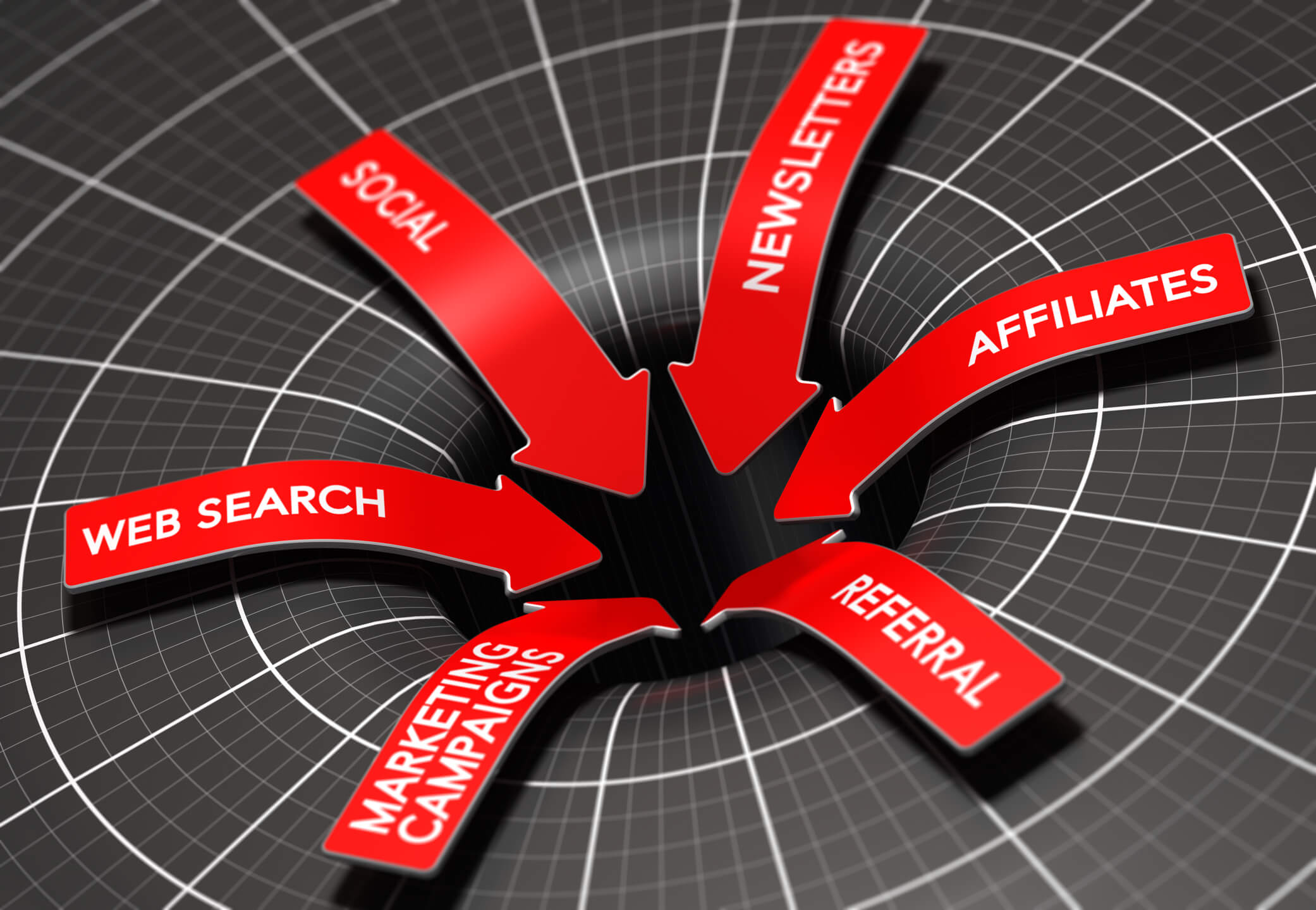
Once you have identified your target audience, the next step is to generate leads. Lead generation is the process of attracting and converting strangers into potential customers who have shown interest in your product or service. In this section, we will discuss some effective lead generation strategies that you can use to build a sales funnel from scratch.
Email Marketing
Email marketing is one of the most effective ways to generate leads. It involves sending promotional messages or newsletters to a list of subscribers who have opted-in to receive your emails. To get started with email marketing, you need to create a lead magnet, which is a valuable resource that your target audience would be interested in. This could be a free e-book, a webinar, or a discount code. Once you have created your lead magnet, you can use it to entice people to sign up for your email list.
Once you have built your email list, you can start sending promotional emails to your subscribers. Make sure your emails are personalised, relevant, and engaging. Use a catchy subject line, and include a clear call-to-action that encourages your subscribers to take action.
Social Media Marketing
Social media marketing is another effective way to generate leads. It involves promoting your product or service on social media platforms such as Facebook, Twitter, and LinkedIn. To get started with social media marketing, you need to create a business page on the platform of your choice. Make sure your page is complete with all the necessary information about your business.
Once you have created your business page, you can start sharing content that is relevant to your target audience. Make sure your content is engaging and valuable. You can also use paid advertising to promote your posts and reach a larger audience.
Word of Mouth Marketing
Word of mouth marketing is one of the oldest and most effective forms of marketing. It involves getting your existing customers to recommend your product or service to their friends and family. To get started with word of mouth marketing, you need to provide excellent customer service and deliver a high-quality product or service.
You can also incentivise your existing customers to refer their friends and family to your business. This could be in the form of a discount code or a free gift. Make sure your referral programme is easy to use and has clear instructions on how to refer friends and family.
In conclusion, lead generation is an essential component of building a successful sales funnel. By using effective lead generation strategies such as email marketing, social media marketing, and word of mouth marketing, you can attract and convert strangers into potential customers.
Nurturing Prospects through the Funnel
Once you have attracted prospects to your sales funnel, the next step is to nurture them through the funnel. This involves guiding them towards a purchase by providing them with relevant information, building trust, and addressing their concerns.
Email Drip Campaigns
One effective way to nurture prospects is through email drip campaigns. These are a series of automated emails that are sent to prospects at regular intervals. The emails should be informative and engaging, and should provide prospects with valuable content that helps them understand the benefits of your product or service.
It’s important to segment your email list and tailor the content to each segment. For example, you may want to send different emails to prospects who have already shown interest in your product compared to those who are just starting to explore their options.
Free Trials and Discounts
Offering free trials and discounts is another effective way to nurture prospects through the funnel. This allows them to try your product or service before committing to a purchase.
Make sure that the trial period is long enough for prospects to fully experience your product, but not so long that it becomes a burden on your resources. Discounts can also be effective, but make sure that they are not so steep that they devalue your product or service.
Upselling Techniques
Once a prospect has made a purchase, you can use upselling techniques to encourage them to buy more. This involves offering complementary products or services that enhance the value of their initial purchase.
Make sure that the upsell is relevant to the prospect’s needs and interests. For example, if they have purchased a fitness tracker, you may want to offer them a discounted gym membership or a nutrition plan.
Remember that the goal of upselling is not to pressure the prospect into buying something they don’t need, but rather to provide them with additional value that they may not have considered before.
Nurturing prospects through the funnel is a critical part of building a successful sales funnel. By using email drip campaigns, offering free trials and discounts, and using upselling techniques, you can guide prospects towards a purchase while building trust and providing them with value.
Conversion and Closing Strategies
Once you’ve successfully attracted potential customers to your sales funnel, the next step is to convert them into paying customers. This is where conversion and closing strategies come into play. In this section, we’ll cover two key strategies that can help you increase your conversion rates: creating an irresistible offer and optimizing the checkout page.
Creating an Irresistible Offer
Your offer is the heart of your sales funnel. It’s what entices potential customers to take action and move through your funnel. To create an irresistible offer, you need to focus on the following elements:
- Value proposition: Clearly communicate the unique value your product or service provides. Highlight how it solves a specific problem or meets a certain need of your target audience.
- Pricing: Set a price that is competitive and aligns with the perceived value of your offer. Consider offering different pricing tiers to accommodate different budgets and needs.
- Bonuses and incentives: Offer additional bonuses or incentives to sweeten the deal. This could include free trials, discounts, or exclusive access to content or services.
- Guarantees: Provide a strong guarantee that reduces the perceived risk for potential customers. This could be a money-back guarantee, satisfaction guarantee, or other type of assurance.
By focusing on these elements, you can create an offer that is difficult for potential customers to resist.
Optimising the Checkout Page
Once a potential customer has decided to make a purchase, the checkout page is where the conversion happens. To optimize your checkout page, consider the following tips:
- Simplify the process: Make it as easy as possible for customers to complete their purchase. Remove any unnecessary steps or distractions that could cause them to abandon their cart.
- Reduce form fields: Only ask for the essential information needed to complete the purchase. The more form fields you have, the more likely customers are to abandon their cart.
- Provide clear instructions: Clearly communicate what customers need to do to complete their purchase. Use clear and concise language, and provide visual cues where possible.
- Offer multiple payment options: Provide a variety of payment options to accommodate different preferences and needs. This could include credit card, PayPal, or other payment methods.
By optimizing your checkout page, you can improve your conversion rates and reduce cart abandonment.
In summary, creating an irresistible offer and optimizing the checkout page are two key strategies for increasing your conversion rates and closing more sales. By focusing on these elements, you can create a sales funnel that effectively moves potential customers through the buying process and turns them into paying customers.
Post-Purchase Customer Retention
Congratulations! You’ve successfully converted a lead into a customer. But the journey doesn’t end here. It’s essential to retain your customers and keep them coming back for more. Customer retention is crucial to the success of your business, and it’s much more cost-effective to retain existing customers than to acquire new ones. In this section, we’ll discuss two effective ways to retain customers post-purchase: Automated Emails and Customer Success Stories.
Automated Emails
Automated emails are a powerful tool to keep your customers engaged and informed. You can set up automated emails to be sent at specific intervals after a purchase, such as a follow-up email a few days after the purchase, or a reminder email a few weeks later to repurchase a product. These emails can be personalised and tailored to the customer’s purchase history and preferences.
Some examples of automated emails that can help with customer retention are:
- Welcome emails: Thank your customer for their purchase and provide them with information about your brand and the products they’ve purchased.
- Review request emails: Encourage your customers to leave a review of their purchase, which can help build social proof and increase trust in your brand.
- Upsell/Cross-sell emails: Recommend complementary products to your customers based on their purchase history.
- Loyalty program emails: Reward your customers for their loyalty with exclusive discounts and offers.
Automated emails are an efficient way to keep your customers engaged and informed while saving time and effort. However, it’s crucial to strike a balance between staying in touch and overwhelming your customers with too many emails.
Customer Success Stories
Customer success stories are a powerful tool to build trust and credibility with your audience. Sharing stories of satisfied customers can help potential customers see the value of your products and services. These stories can be shared on your website, social media, or email marketing campaigns.
When sharing customer success stories, it’s essential to showcase the benefits and outcomes of your products or services. You can include before-and-after photos, testimonials, and metrics to demonstrate the effectiveness of your products.
Creating customer success stories can be a time-consuming process, but it’s worth the effort. By sharing the stories of satisfied customers, you can build trust and credibility with your audience and increase customer retention.
In conclusion, post-purchase customer retention is crucial to the success of your business. By using automated emails and customer success stories, you can keep your customers engaged and informed while building trust and credibility with your audience.
Measuring Sales Funnel Success
Once you have built your sales funnel, it’s essential to measure its success. Measuring the success of your sales funnel will help you identify areas that need improvement and optimize your sales process. In this section, we will discuss the key metrics to track, sales funnel optimization, and choosing the right sales funnel software.
Key Metrics to Track
To measure the success of your sales funnel, you need to track the following key metrics:
- Conversion Rate: The percentage of visitors who take the desired action, such as filling out a form or making a purchase.
- Average Order Value (AOV): The average amount of money a customer spends on each purchase.
- Customer Acquisition Cost (CAC): The cost of acquiring a new customer, including marketing and sales expenses.
- Lifetime Value (LTV): The total amount of money a customer is expected to spend on your products or services over their lifetime.
Tracking these metrics will help you understand how well your sales funnel is performing and identify areas that need improvement.
Sales Funnel Optimization
Optimizing your sales funnel involves identifying areas of the funnel that are underperforming and making changes to improve them. Here are some tips for optimizing your sales funnel:
- Identify Bottlenecks: Use analytics tools to identify where visitors are dropping off in the sales funnel. This will help you identify bottlenecks and areas that need improvement.
- Simplify the Process: Simplify your sales funnel by reducing the number of steps and making it easy for visitors to complete the desired action.
- Use Social Proof: Use social proof, such as customer testimonials and reviews, to build trust and credibility with visitors.
- Personalize the Experience: Personalize the sales funnel experience by using data to deliver targeted messaging and offers.
By optimizing your sales funnel, you can improve the conversion rate and increase revenue.
Choosing the Right Sales Funnel Software
Choosing the right sales funnel software is essential to the success of your sales funnel. Here are some factors to consider when choosing sales funnel software:
- Ease of Use: Choose software that is easy to use and requires minimal technical expertise.
- Features: Look for software that offers the features you need, such as A/B testing, analytics, and email marketing automation.
- Integration: Choose software that integrates with your existing tools, such as your CRM and marketing automation software.
- Pricing: Consider the pricing of the software and choose one that fits your budget.
Systeme.io is an all-in-one sales funnel software that offers a range of features, including landing pages, email marketing automation, and analytics. It is easy to use and integrates with other tools, making it an excellent choice for building and optimizing your sales funnel.
In conclusion, measuring the success of your sales funnel is essential to improving your sales process and increasing revenue. By tracking key metrics, optimizing your sales funnel, and choosing the right sales funnel software, you can build a successful sales funnel from scratch.
Conclusion
Congratulations! You have successfully learned how to build a sales funnel from scratch. By following the steps outlined in this article, you are now equipped with the knowledge to create a sales pipeline that can help your business grow.
Building a sales funnel is an essential investment for any business looking to increase revenue and achieve long-term growth. It can help you to identify where your potential customers are in the sales process, and provide you with insights into their needs and preferences. By understanding your customers better, you can tailor your marketing efforts to meet their specific needs, which can lead to more conversions and higher sales.
Remember, building a sales funnel is not a one-time process. It requires ongoing monitoring and optimization to ensure that it is working effectively. You should regularly review your sales funnel to identify areas that need improvement, and make changes accordingly.
Investing time and resources into building a sales funnel can be a game-changer for your business. It can help you to streamline your sales process, increase conversions, and ultimately drive business growth. So what are you waiting for? Start building your sales funnel today and take your business to the next level!
Frequently Asked Questions
What are the key stages involved in building an effective sales funnel?
Building an effective sales funnel involves several key stages. The first step is to identify your target audience and create buyer personas. Once you have a clear understanding of your target audience, you can create awareness through various marketing channels such as social media, email marketing, and content marketing. The next stage is lead generation, where you attract potential customers to your website and capture their contact information. After that, you need to nurture these leads by providing them with valuable content and building a relationship with them. Finally, you can convert these leads into paying customers by offering them a product or service that meets their needs.
How can I identify the target audience for my sales funnel?
To identify your target audience, you need to create buyer personas. This involves researching and understanding your ideal customer’s demographics, interests, pain points, and buying behaviour. You can use tools like Google Analytics and social media analytics to gather data about your website visitors and social media followers. You can also conduct surveys and interviews with your existing customers to gain insights into their needs and preferences.
What are some effective strategies for lead generation in a sales funnel?
There are several effective strategies for lead generation in a sales funnel. You can create valuable content such as blog posts, ebooks, and webinars that address your target audience’s pain points and interests. You can also offer free trials or demos of your product or service to entice potential customers to try it out. Another strategy is to use social media advertising and pay-per-click (PPC) advertising to drive traffic to your website and capture leads.
What are the best tools and software to use for building a sales funnel?
There are several tools and software available for building a sales funnel. Some popular options include ClickFunnels, Leadpages, Unbounce, and HubSpot. These tools offer features such as landing page builders, email marketing automation, and lead capture forms. However, the best tool for you will depend on your specific needs and budget.
How can I measure the success of my sales funnel and make improvements?
To measure the success of your sales funnel, you can track metrics such as website traffic, lead conversion rates, and customer acquisition costs. You can use tools like Google Analytics and CRM software to gather and analyse this data. Based on your analysis, you can make improvements to your sales funnel by adjusting your marketing strategies, improving your website design, and refining your lead nurturing process.
What are some common mistakes to avoid when building a sales funnel from scratch?
Some common mistakes to avoid when building a sales funnel from scratch include not understanding your target audience, not providing valuable content, not following up with leads, and not testing and optimising your funnel. It’s also important to avoid making false or exaggerated claims about your product or service, as this can damage your credibility and reputation.