If you’re a business owner, you already know that marketing is an essential part of your operations. However, what you might not know is how much outbound marketing costs.
Outbound marketing is a traditional form of marketing that involves reaching out to potential customers through various channels, such as TV ads, billboards, cold calling, and direct mail. While outbound marketing can be effective, it can also be expensive, which is why it’s important to understand the costs involved.
Understanding outbound marketing costs can help you make informed decisions about your marketing budget. The truth is that outbound marketing costs can vary widely depending on the channels you use, your target audience, and the level of competition in your industry.
For example, digital outbound marketing costs may be lower than traditional outbound marketing costs, but they can still add up quickly if you’re not careful.
In this article, we’ll take a closer look at outbound marketing costs and how you can budget for them effectively.
Key Takeaways
- Outbound marketing can be an effective way to reach potential customers, but it can also be expensive.
- Outbound marketing costs can vary widely depending on the channels you use, your target audience, and the level of competition in your industry.
- To budget for outbound marketing effectively, you need to understand the costs involved and be strategic about how you allocate your resources.
Understanding Outbound Marketing
Definition and Scope
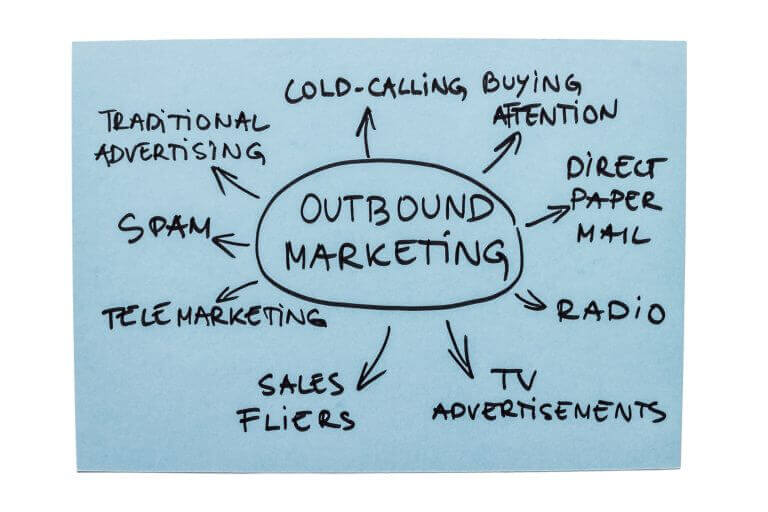
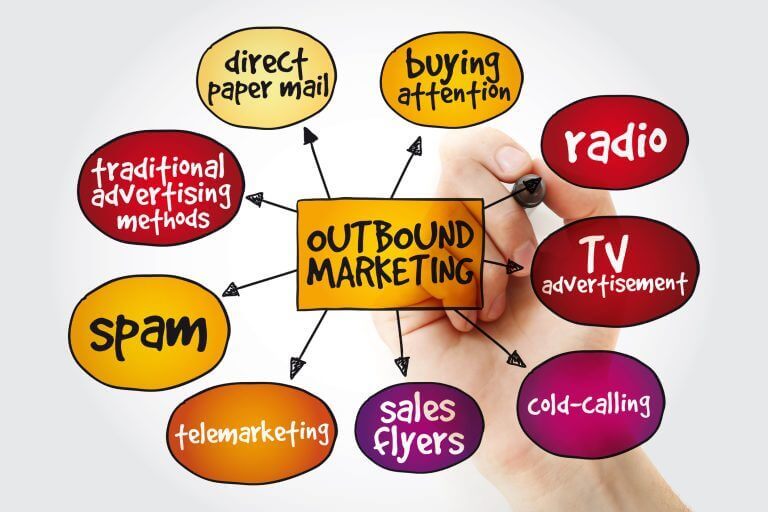
Outbound marketing, also known as traditional marketing, refers to the practice of reaching out to potential customers through various channels such as TV, radio, print, direct mail, cold calling, and trade shows. It involves pushing a message out to a large audience with the hope of generating leads and sales. Outbound marketing is often associated with interruptive advertising, where the message is forced upon the audience, whether they are interested or not.
The scope of outbound marketing is vast and can include anything from a simple flyer to a full-blown advertising campaign. The cost of outbound marketing can vary greatly depending on the type of channel used, the size of the audience, and the complexity of the message. For example, a TV ad during prime time can cost thousands of pounds, while a direct mail campaign may only cost a few hundred.
Outbound vs Inbound Marketing
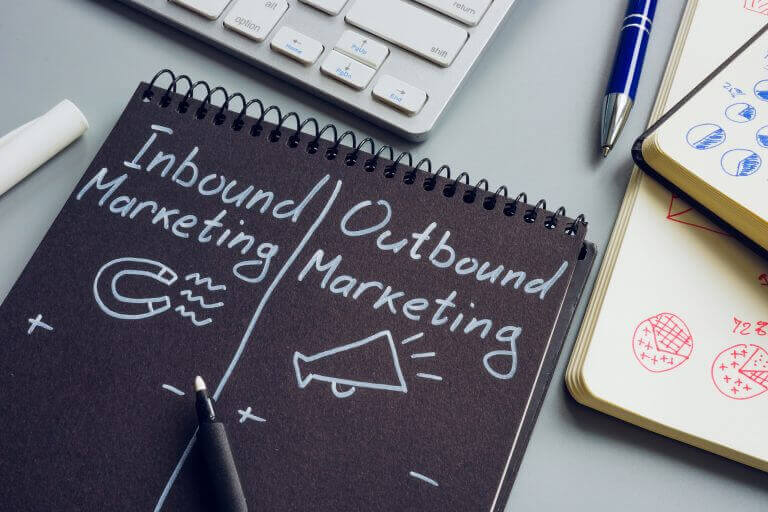
In contrast to outbound marketing, inbound marketing is a strategy that focuses on attracting customers through the creation of valuable content and experiences. Instead of pushing a message out to a large audience, inbound marketing seeks to pull in potential customers by providing them with helpful information and solutions to their problems. This approach is often seen as more effective, as it targets people who are already interested in the product or service being offered.
The cost of inbound marketing can also vary depending on the type of content being created and the channels used to distribute it. For example, a blog post can be created for free, but promoting it on social media may require a budget for paid advertising.
In summary, outbound marketing can be an effective way to reach a large audience, but it can also be costly and interruptive. Inbound marketing, on the other hand, can be more targeted and cost-effective, but it requires a long-term investment in content creation and distribution. Ultimately, the choice between outbound and inbound marketing will depend on your business goals, target audience, and budget.
Components of Outbound Marketing Costs
When it comes to outbound marketing, there are several factors that contribute to the overall cost of your marketing campaign. Here are the three main components of outbound marketing costs:
Advertising Expenses
One of the biggest expenses in outbound marketing is advertising. This can include ads on social media, radio, print, billboards, and more. The cost of advertising will depend on the medium you choose, the size of the ad, and the frequency of the ad.
Sales Outreach
Another significant cost of outbound marketing is sales outreach. This includes the cost of hiring and training salespeople, as well as the cost of any tools or software used to manage sales outreach efforts. The cost of sales outreach can vary widely depending on the size of your sales team and the complexity of your sales process.
Marketing Materials
The final component of outbound marketing costs is marketing materials. This includes any collateral you create for your marketing campaign, such as brochures, flyers, and direct mail pieces. The cost of marketing materials will depend on the quantity and quality of the materials you produce, as well as any design or printing costs.
Overall, the cost of outbound marketing can be significant, but it is important to remember that the return on investment (ROI) can be substantial if your campaign is successful. By carefully managing your advertising expenses, sales outreach, and marketing materials, you can create a successful outbound marketing campaign that maximizes your ROI.
Digital Outbound Marketing Costs
When it comes to outbound marketing, digital channels have become increasingly popular due to their cost-effectiveness. Here’s a breakdown of the costs associated with three common types of digital outbound marketing techniques.
Email Marketing
Email marketing is a cost-effective way to reach a large audience. The costs associated with email marketing can vary depending on the size of your email list and the frequency of your emails. Most email marketing platforms charge a monthly fee, which can range from £10 to £100 depending on the platform and the size of your email list. Additionally, you may need to pay for email design services or copywriting.
Social Media Advertising
Social media advertising is a great way to reach a highly targeted audience. The cost of social media advertising can vary depending on the platform you choose, your target audience, and the type of ad you create. On Facebook, for example, the cost per click (CPC) can range from £0.10 to £5.00 depending on your industry and target audience. On Twitter, the cost per engagement (CPE) can range from £0.50 to £4.00.
Search Engine Advertising
Search engine advertising, also known as pay-per-click (PPC) advertising, is a cost-effective way to drive traffic to your website. The cost of search engine advertising can vary depending on the keywords you choose, your target audience, and the competition for those keywords. On Google Ads, for example, the cost per click (CPC) can range from £0.50 to £10.00 depending on the industry and competition.
Overall, digital outbound marketing can be a cost-effective way to reach your target audience. By choosing the right channels and creating effective campaigns, you can reach your audience without breaking the bank.
Traditional Outbound Marketing Costs
When it comes to outbound marketing, there are some traditional methods that businesses have been using for decades. While these methods can be effective, they can also be quite costly. In this section, we will explore the costs associated with some of the most common traditional outbound marketing methods.
Direct Mail Campaigns
Direct mail campaigns involve sending physical mail to potential customers. This can include postcards, letters, and brochures. While direct mail campaigns can be effective, they can also be quite expensive. According to research, the average cost per piece of direct mail is £1.26. This can add up quickly, especially if you are sending out a large number of mailers.
Trade Show Participation
Trade shows are events where businesses can showcase their products or services to potential customers. While trade shows can be a great way to generate leads, they can also be quite expensive. According to Exhibitor Magazine, the average cost to participate in a trade show is £26,000. This includes expenses such as booth rental, travel, and marketing materials.
Print and Broadcast Advertising
Print and broadcast advertising are two of the most common forms of outbound marketing. This can include placing ads in newspapers, magazines, and on the radio or television. While these methods can be effective, they can also be quite expensive. According to Marketing Week, UK businesses spent £23.5 billion on advertising in 2019. This includes both print and broadcast advertising.
In conclusion, traditional outbound marketing methods can be effective, but they can also be quite costly. Direct mail campaigns, trade show participation, and print and broadcast advertising are just a few examples of the costs associated with outbound marketing. It is important to weigh the costs and benefits of each method before deciding which ones to use for your business.
Calculating Return on Investment
When it comes to outbound marketing, calculating your return on investment (ROI) is essential to determine the effectiveness of your campaigns. In this section, we will discuss the three key metrics to consider when calculating ROI: cost per lead, conversion rates, and sales metrics.
Cost Per Lead
The cost per lead (CPL) is the amount you spend on each lead generated from your outbound marketing efforts. This metric helps you understand how much you are spending to acquire new leads and can be calculated by dividing your total campaign spend by the number of leads generated.
To reduce your CPL, you can try targeting a more specific audience, refining your messaging, or adjusting your campaign tactics. Keep in mind that a lower CPL does not always equate to higher ROI, as you also need to consider the quality of the leads generated.
Conversion Rates
Conversion rates are the percentage of leads that take the desired action, such as making a purchase or filling out a form. This metric helps you understand how effective your outbound marketing campaigns are at driving conversions.
To improve your conversion rates, you can try optimizing your landing pages, simplifying your forms, or adjusting your messaging. It’s important to track your conversion rates over time to identify trends and make informed decisions about your outbound marketing strategy.
Sales Metrics
Ultimately, the success of your outbound marketing campaigns comes down to sales. Tracking sales metrics, such as revenue generated and customer lifetime value, can help you determine the overall ROI of your campaigns.
To improve your sales metrics, you can try adjusting your pricing strategy, targeting a different audience, or refining your messaging. Keep in mind that it may take time to see the full impact of your outbound marketing efforts on sales metrics.
By tracking these key metrics, you can gain a better understanding of the effectiveness of your outbound marketing campaigns and make data-driven decisions to improve your ROI.
Budgeting for Outbound Marketing
Allocating resources for outbound marketing can be a challenging task, especially when you are working with limited budgets. To make the most out of your marketing budget, you need to have a clear understanding of your target audience, marketing goals, and the resources available to you.
Allocating Resources
When allocating resources for outbound marketing, you need to consider the different channels that you will be using to reach your target audience. Some of the most common channels for outbound marketing include print advertising, television and radio ads, direct mail, and telemarketing. Each channel has its own advantages and disadvantages, and the cost of each channel can vary significantly.
To determine which channels to use, you need to consider your target audience and the message that you want to convey. For example, if your target audience is primarily older adults, print advertising and direct mail may be more effective than social media ads. On the other hand, if you are targeting younger audiences, social media ads and influencer marketing may be more effective.
Cost Control Strategies
To keep your outbound marketing costs under control, you need to have a clear understanding of your budget and the resources available to you. One way to reduce costs is to focus on the most effective channels for your target audience. By focusing on the channels that are most likely to reach your target audience, you can reduce your overall marketing spend while still achieving your desired results.
Another cost control strategy is to negotiate with vendors and suppliers. By negotiating with vendors and suppliers, you may be able to secure better pricing and terms, which can help you to stretch your marketing budget further. You can also consider outsourcing some of your marketing activities to freelancers or agencies, which can be more cost-effective than hiring full-time staff.
In conclusion, budgeting for outbound marketing requires careful planning and resource allocation. By focusing on the most effective channels for your target audience and implementing cost control strategies, you can make the most out of your marketing budget while still achieving your desired results.
Integrating Outbound with Inbound Tactics
When it comes to marketing, it’s not a question of whether to use outbound or inbound tactics, but rather how to integrate them to maximise your impact. By combining outbound and inbound tactics, you can create a more comprehensive and effective marketing strategy.
Content Marketing and SEO
Content marketing is a powerful inbound marketing tactic that involves creating and sharing valuable content to attract and engage your target audience. By creating high-quality content that resonates with your audience, you can establish your brand as a thought leader in your industry and build trust with your customers.
One of the key benefits of content marketing is that it can help improve your SEO. By creating content that is optimised for relevant keywords and phrases, you can improve your search engine rankings and drive more organic traffic to your website.
When integrating outbound tactics with content marketing, you can use outbound channels such as email marketing or direct mail to promote your content and drive traffic to your website. By targeting your outbound messages to specific segments of your audience, you can increase the likelihood that they will engage with your content and take action.
Leveraging Social Media
Social media is another powerful inbound marketing tactic that can help you build relationships with your customers and grow your brand. By leveraging social media channels such as Facebook, Twitter, and LinkedIn, you can connect with your audience on a more personal level and share valuable content that resonates with them.
When integrating outbound tactics with social media, you can use outbound channels such as paid social media ads to promote your social media profiles and drive more followers to your accounts. By targeting your ads to specific segments of your audience, you can increase the likelihood that they will engage with your content and follow your brand.
Another way to integrate outbound tactics with social media is to use social media to promote your landing pages or blog posts. By creating compelling social media posts that link to your landing pages or blog posts, you can drive more traffic to your website and increase your chances of converting visitors into customers.
In conclusion, integrating outbound tactics with inbound tactics can help you create a more comprehensive and effective marketing strategy. By leveraging the strengths of both approaches, you can maximise your impact and achieve your marketing goals.
Outbound Marketing for B2B
If you’re in the B2B industry, outbound marketing can be a great way to generate leads and attract new customers. However, it’s important to understand the costs involved and how to optimize your strategy to get the best results.
Understanding B2B Buyers
Before you start any outbound marketing campaign, it’s crucial to understand your target audience. B2B buyers are often looking for solutions to specific problems, so it’s important to tailor your messaging to address those pain points. This can include highlighting the benefits of your product or service, as well as demonstrating your expertise in the industry.
Lead Generation Strategies
When it comes to outbound marketing for B2B, there are a few different strategies you can use to generate leads. These include:
- Cold Calling: This involves reaching out to potential customers over the phone. While it can be effective, it’s important to be respectful of people’s time and avoid being too pushy.
- Cold Email Outreach: Sending cold emails can be an effective way to reach potential customers, but it’s important to craft a compelling message that will grab their attention. This can include highlighting the benefits of your product or service, as well as demonstrating your expertise in the industry.
- Direct Mail: While it may seem outdated, direct mail can still be an effective way to reach potential customers. This can include sending postcards, brochures, or other marketing materials to businesses in your target market.
When it comes to outbound marketing for B2B, it’s important to keep in mind the costs involved. This can include the cost of hiring a sales team or outsourcing your marketing efforts, as well as the cost of any advertising or promotional materials. However, by tailoring your messaging to your target audience and using the right lead generation strategies, you can generate high-quality leads and attract new customers to your business.
Measuring Success and Optimisation
When it comes to outbound marketing, measuring success and optimisation is crucial to ensure that you are getting the most out of your marketing budget. There are two key factors to consider when measuring success and optimisation: marketing automation tools and data-driven decision making.
Marketing Automation Tools
Marketing automation tools such as HubSpot and Google Analytics can help you track your outbound marketing campaigns and measure their success. These tools can help you identify which campaigns are driving the most traffic and conversions, and which ones are not performing as well. By using these tools, you can make data-driven decisions about which campaigns to continue running and which ones to cut.
Data-Driven Decision Making
Data-driven decision making is the process of using data to inform your marketing decisions. By analysing data such as ROI and conversion rates, you can identify which campaigns are generating the most revenue and which ones are not. This information can then be used to make informed decisions about where to allocate your marketing budget.
In conclusion, measuring success and optimisation is essential when it comes to outbound marketing. By using marketing automation tools and making data-driven decisions, you can ensure that you are getting the most out of your marketing budget and driving the best possible results for your business.
Future Trends in Outbound Marketing
As outbound marketing continues to evolve, there are a number of future trends to keep in mind. These trends will help you to stay ahead of the competition and ensure that your marketing tactics remain effective.
Technological Advancements
One of the key trends in outbound marketing is the increasing use of technology. With the rise of social media and other online platforms, it has become easier than ever to reach out to potential customers and engage with them in a meaningful way. As a result, it is essential that you stay up-to-date with the latest technological advancements in order to remain competitive.
One way to do this is to invest in marketing automation software. This can help you to streamline your outbound marketing efforts, allowing you to reach more people with less effort. Additionally, it can help you to personalise your marketing messages, making them more effective and engaging.
Adapting to Market Changes
Another key trend in outbound marketing is the need to adapt to changing market conditions. As consumer preferences and behaviours continue to evolve, it is important to stay ahead of the curve and adjust your marketing tactics accordingly.
For example, many consumers now expect a more personalised and engaging customer experience. This means that outbound marketing efforts must be tailored to the needs and preferences of each individual customer. Additionally, competition in many industries is becoming increasingly fierce, making it essential to have the expertise and knowledge needed to stand out from the crowd.
By keeping these trends in mind and adapting your outbound marketing efforts accordingly, you can ensure that your marketing tactics remain effective and relevant in the years to come.
Frequently Asked Questions
What are the typical expenses associated with outbound marketing compared to inbound marketing?
Outbound marketing is typically more expensive than inbound marketing due to the costs associated with traditional advertising methods, such as print and direct mailing. In contrast, inbound marketing methods, such as content marketing, social media, and search engine optimization, can be more cost-effective.
What constitutes the basic principle of marketing costs?
The basic principle of marketing costs is that the more you spend, the more exposure and leads you will generate. However, it is important to balance the cost of marketing with the potential return on investment.
Are outbound leads significantly more costly than inbound leads, such as the cited 39% figure?
According to a study by HubSpot, inbound leads cost 39% less than outbound leads. However, the cost of leads can vary depending on the industry, target audience, and marketing strategy.
What does a standard marketing fee entail?
A standard marketing fee typically includes the cost of creating and implementing a marketing campaign, including advertising, content creation, and analytics. The exact cost will depend on the scope of the campaign and the marketing agency used.
Does the cost of inbound marketing generally exceed that of outbound strategies?
Inbound marketing can be more cost-effective than outbound strategies, as it focuses on attracting customers through engaging content and social media instead of interrupting them with unwanted advertisements. However, the cost of inbound marketing can vary depending on the specific tactics used.
What factors influence the overall cost of outbound marketing campaigns?
The overall cost of outbound marketing campaigns can be influenced by factors such as the size and scope of the campaign, the target audience, the marketing channels used, and the creative and production costs associated with creating advertisements.