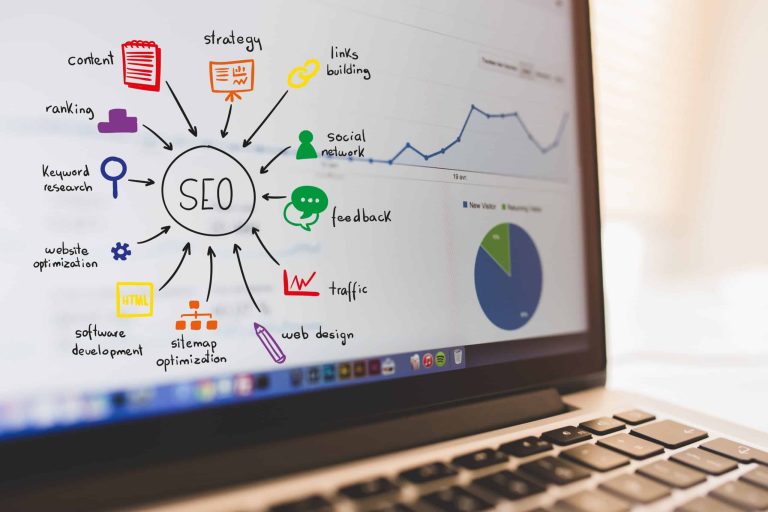
Link building is much more than just a technical aspect of search engine optimisation (SEO). It plays a crucial role in your website’s ability to rank higher on Google and other search engines.
Without effective link building, even the most well-designed websites may struggle to gain visibility in search results and attract valuable organic traffic.
When you build links, you are essentially creating pathways for search engines to discover and index the pages on your website. This process not only improves your site’s visibility but also enhances its credibility and authority in the eyes of search engines.
When high-quality, relevant websites link to your content, it signals to search engines that your content is trustworthy and worth promoting.
It’s important to develop a strategic approach to link building. Random or unethical link-building practices can harm your website’s reputation. Learning proper techniques for acquiring quality backlinks is essential for a successful SEO strategy.
Adopting ethical link-building practices ensures long-term benefits and maintains your site’s integrity.
Key Takeaways
- Effective link building improves website visibility and authority.
- Quality backlinks enhance your website’s credibility and ranking.
- Ethical link-building practices are crucial for long-term success.
Understanding Link Building
Link building is a vital part of Search Engine Optimisation (SEO). It involves acquiring hyperlinks from other websites to your own. This practice can significantly improve your website’s rank on search engines.
Definition and Importance
Link building refers to the process of getting other websites to link back to your site. These links, often called backlinks, act like votes of confidence to search engines. The more quality backlinks you have, the more credible your site appears.
This credibility can improve your search engine rank. High-quality backlinks from reputable sites can drive more traffic to your website. In SEO, acquiring strong links is one of the most effective strategies for increasing visibility and establishing online authority.
Principles of Effective Link Building
Effective link building involves several key principles. First, focus on getting quality backlinks from authoritative websites. Links from reputable sites carry more weight with search engines. Avoid low-quality links or spammy practices as these can harm your site’s rank.
Second, use a strategic approach to link building. Consider the relevance of the linking site to your own content. Links from related industries or topics will have a greater impact. Create high-quality, engaging content that others want to link to.
Lastly, diversify your linking strategies. Use a mix of guest posts, collaborations, and content marketing to build a robust backlink profile. Consistent effort and a strategic mindset are essential for effective link building in SEO.
The Relationship Between Link Building and SEO
Link building is a crucial aspect of SEO that directly affects your search engine rankings. By obtaining quality backlinks, you can improve your site’s authority and visibility, which in turn drives more traffic.
How Link Building Affects Search Rankings
Search engines use backlinks as a way to measure the authority and relevance of a website. When your site has many high-quality links pointing to it, search engines like Google view it as a trusted and valuable resource. This helps your site rank higher in search results.
Link building also helps search engines discover new pages on your site as they crawl the web, following links from other sites. This improves the indexing process and ensures that your new content gets found and ranked quickly.
Link Quality Vs. Quantity
When it comes to link building, quality is more important than quantity. Quality links come from reputable sites with high domain authority and relevant content. They are more likely to boost your site’s ranking.
On the other hand, quantity of links can also be impactful but only if they come from diverse and relevant sources. Hundreds of low-quality links from spammy sites can harm your ranking. Metrics like page authority and the relevance of the linking site are essential to consider.
Building fewer, high-quality backlinks is better than having numerous low-quality links. Search engines prioritise the relevancy and trustworthiness of the links more than the sheer number of them.
Developing a Link Building Strategy
Before embarking on a link building strategy, you need to identify clear goals and choose techniques that will help you meet those goals. A targeted approach helps ensure that your efforts are effective and aligned with your marketing strategy.
Identifying Goals and Objectives
To start, establish what you want to achieve with link building. Common goals could include increasing website traffic, improving search engine rankings, or building authority in your industry.
Identify specific objectives:
- Increase website traffic: Aim for a set percentage increase in visitors from organic search results.
- Improve search engine rankings: Target higher positions for specific keywords.
- Build authority: Seek backlinks from high-authority sites in your field.
Creating measurable objectives ensures you can track progress and adjust your tactics as needed. You may also want to consider the timeframe for your goals, breaking them into short-term and long-term plans.
Choosing Appropriate Techniques
Once your goals are clear, the next step is selecting link building techniques that match those objectives.
Popular link building strategies:
- Content marketing: Create high-quality content that others will want to link to. This can include blog posts, infographics, and research reports.
- Guest posting: Write articles for other websites in your niche. Ensure these posts include backlinks to your site.
- Social sharing: Promote your content on social media to attract organic backlinks.
Each technique has its own set of best practices. For content marketing, focus on producing valuable and shareable content. With guest posting, target sites with strong domain authority. When using social sharing, engage with your audience to build a network of followers who may link back to your content.
Techniques for Acquiring Quality Backlinks
To improve your website’s authority and search ranking, you can use several effective techniques to gain quality backlinks. Each method focuses on different strategies to build credibility and drive traffic.
Content Creation and Promotion
Creating high-quality content is crucial. Focus on producing informative, engaging, and original articles, blog posts, or infographics. Well-researched content attracts backlinks naturally because people want to reference valuable information on their own sites.
Promote your content through social media channels, newsletters, and by reaching out to industry influencers. This increases the visibility of your content, making it more likely that others will link to it. By consistently publishing exceptional content, you build a reputation, encouraging others to share and link to your work.
Guest Blogging and Outreach
Guest blogging is a reliable way to gain backlinks. Search for reputable sites in your niche that accept guest posts. Pitch relevant and high-quality content ideas to the site owners or editors.
When your guest post is published, it usually includes a link back to your website. This not only provides a valuable backlink but also exposes you to a new audience. Additionally, building relationships through outreach can lead to more guest blogging opportunities and collaborations, further increasing your backlink profile.
Broken Link Building
Broken link building involves finding broken links on other websites and suggesting your content as a replacement. Start by identifying relevant websites and use tools to locate broken links in their content.
Contact the webmaster politely, informing them of the broken link. Offer your content as a useful replacement. This helps the webmaster by fixing the link and can earn you a valuable backlink. This method requires effort but can be very effective since webmasters appreciate you notifying them of issues on their site.
Leveraging Social Media and Forums
Social media and forums are powerful tools for building backlinks. Share your content on platforms like Twitter, LinkedIn, and Facebook. Engaging with online communities provides opportunities for others to see and link to your content.
Participating in relevant forums and discussion boards allows you to share your expertise. When you contribute valuable information, you can naturally include links to your website. Ensure your links are relevant and add value to the discussion to avoid being seen as spammy.
Best Practices and Ethical Considerations
In link building, it’s essential to focus on quality and ethical strategies to avoid penalties and maintain a strong link profile. Two key aspects of successful link building are avoiding spammy tactics and maintaining a natural link profile.
Avoiding Spammy Tactics
Using spammy tactics can lead to significant penalties. Search engines like Google have algorithms, such as Penguin, specifically designed to detect and penalise unethical link-building practices. Ensure that your links come from reputable websites to avoid being flagged as spam.
Avoid buying links, as this is considered a manipulation of search engine results. Instead, earn links through valuable content. Guest blogging is a useful method when done ethically. Make sure the contributions are of high quality and provide value to the readers.
Also, use the nofollow attribute for sponsored or non-editorial links. This tells search engines not to pass on any ranking influence, which helps avoid potential penalties.
Maintaining a Natural Link Profile
A natural link profile is essential for long-term success. It includes a mix of inbound links from various sources, giving your site credibility across different domains.
Ensure your link-building strategy targets websites relevant to your niche. Links from unrelated sites can appear unnatural and may trigger penalties. Consistency is key, so aim for a gradual build-up of links rather than a sudden influx, which can raise red flags.
Diversity in anchor text is also important. Relying on a single keyword can look suspicious. Use a mix of branded, generic, and keyword-rich anchors to maintain a balanced profile.
Evaluating and Measuring Link Building Success
To understand the effectiveness of your link building efforts, you need to look at specific metrics and use reliable tools. This helps you see how link building impacts your site’s SEO, authority, and traffic.
Key Performance Metrics
When evaluating link building success, you should focus on several important metrics. Domain Authority (DA) and Page Authority (PA) are useful indicators of the strength and quality of your website, as higher values often mean better search engine ranking.
Referral traffic is another critical metric. This measures the number of visitors coming to your site through external links. Increased referral traffic shows that your links on other sites are effective and engaging.
Backlink count is also essential. It’s not just about quantity but quality. High-quality backlinks from authoritative sites boost your SEO performance.
Monitor your site’s search engine rankings. Improved rankings for targeted keywords often indicate successful link building. Pay attention to Google’s updates in their algorithms as these can impact your rankings.
Tools for Tracking and Analysis
Several tools can help you track and analyse your link building efforts. Google Analytics is invaluable for assessing referral traffic and understanding visitor behaviour from different sources. It offers detailed reports that show the impact of your link building over time.
SEMrush and Ahrefs are popular tools for monitoring backlinks and evaluating their quality. They provide insights into your backlink profile, highlight which links are valuable, and identify potential link building opportunities.
Moz can help track Domain Authority and Page Authority. These metrics quantify the strength of your site and help you understand how your link building strategy is improving your site’s authority.
Majestic offers another perspective by focusing on link quality and trust flow. Its metrics help you ensure that your backlinks come from trusted and relevant sources.
Advanced Link Building Tactics
Advanced link building involves techniques that go beyond basic strategies, such as creating content that naturally attracts links and leveraging specific platforms for outreach.
The Skyscraper Technique
The Skyscraper Technique involves creating content that is superior to what is already available. Start by identifying popular content in your niche. Look for articles with many backlinks and high engagement. Next, create a piece that is more comprehensive, updated, or visually appealing.
By enhancing the original content, you make it more valuable and link-worthy. Reach out to the sites that linked to the original articles, letting them know about your improved version. This can increase the chances of them linking to your content instead. This method not only helps in gaining more backlinks but also establishes your site as an authority in your niche.
Utilising Resource Pages and HARO
Resource page link building involves finding existing pages that list useful resources in your field and getting your content included. Search for resource pages relevant to your niche using queries like “keyword + resources.” Contact the page owners, presenting your content as a valuable addition.
Help a Reporter Out (HARO) is another effective tactic. You sign up as a source and respond to journalists’ queries with expert insights. If your response is used, your site gets a backlink from high-authority media outlets. This not only brings quality traffic but also enhances your site’s credibility and authority.
By focusing on these advanced techniques, you can significantly improve your SEO and online presence.
The Future of Link Building
Advancing technology continues to shape how we approach link building, focusing more on quality and relevance. Key trends include adapting to algorithm updates and leveraging artificial intelligence for better strategies.
Adapting to Algorithm Updates
Search engines, especially Google, frequently update their algorithms to deliver more accurate and relevant search results. For example, Google’s PageRank algorithm evaluates the quality and quantity of links to a webpage to determine its importance.
To stay ahead, you must focus on quality over quantity. Building links from reputable sites is crucial. Moreover, staying updated with algorithm changes helps you adjust your strategies accordingly to maintain or improve your site’s ranking.
Frequent updates mean you need to keep learning and adapting to maintain the effectiveness of your link-building strategies. Ignoring them might result in penalties and a drop in rankings.
The Role of Artificial Intelligence
Artificial intelligence (AI) is becoming paramount in SEO, including link building. By analysing vast amounts of data, AI helps identify the most effective link-building opportunities. Tools powered by AI can forecast trends, evaluate link quality, and even spot new niches.
AI can also personalise outreach efforts, making them more efficient. For instance, SEO tools use AI to find potential link partners who are a good match for your website’s content and audience.
Using AI-driven strategies can save you time and increase the success rate of your link-building campaigns. It’s important to integrate AI into your process to stay competitive in the ever-evolving landscape of SEO.
Frequently Asked Questions
Link building is vital for enhancing your website’s visibility, improving authority, and boosting rankings. Below are common questions about link building and their answers.
How does link building enhance digital marketing effectiveness?
Link building can drive more traffic to your site by making your content more visible to a broader audience. When authoritative sites link to yours, it signals to search engines that your content is valuable, improving your search engine rankings.
What roles do link builders play within SEO strategies?
Link builders focus on acquiring high-quality backlinks from reputable websites. They use outreach, content creation, and other techniques to secure these links, which helps improve your site’s credibility and search engine ranking.
In what ways does link building contribute to off-page SEO?
Link building is a crucial component of off-page SEO. It helps to show search engines that your site is credible and trustworthy through external backlinks, which are votes of confidence from other websites.
What are the core types of link building tactics used in SEO?
Some common link building tactics include guest blogging, broken link building, and creating high-quality content that others want to link to. These methods help to acquire valuable backlinks that can improve your website’s SEO.
How can link building impact site authority and ranking?
Links from high-authority sites can significantly boost your website’s authority. Search engines consider these links endorsements; hence, the more quality links you have, the higher your site is likely to rank.
Why is link building considered a critical aspect of SEO?
Link building is essential because it helps search engines determine the relevance and authority of your site. It is one of the primary factors search engines use to rank your site, making it indispensable for effective SEO.