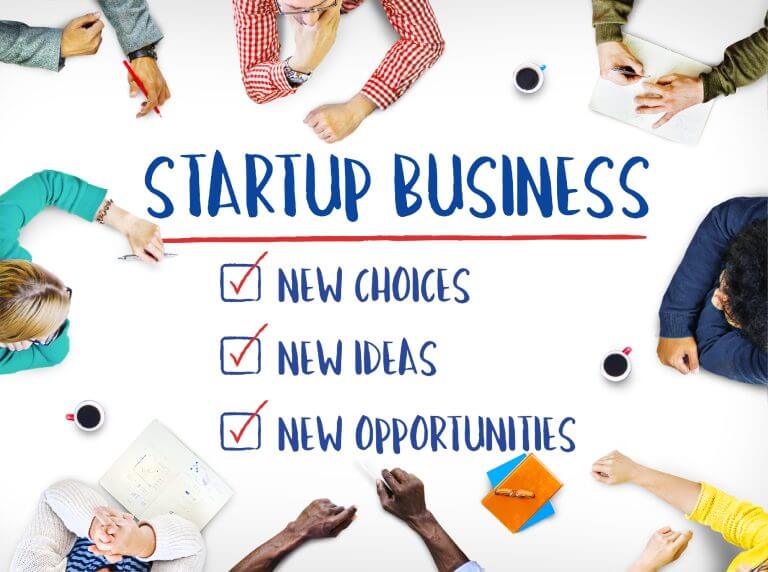
Choosing the best form of business depends on your goals, risk tolerance, and how you plan to manage your company. For most new business owners, a limited liability company (LLC) is often the best choice because it offers personal asset protection while being simpler to run than a corporation. However, if you want to attract investors or go public, a corporation might be more suitable.
You should also think about taxes, liability, and how much control you want over decision-making. Sole proprietorships and partnerships are easy and cheap to set up, but offer less protection for your personal assets. Understanding these differences can save you time and money in the long run.
By looking at how your business will grow and what responsibilities you’re willing to accept, you can pick the structure that fits you best. This choice affects how you pay taxes, raise money, and handle legal risks, so it’s a decision worth careful thought.
Key Takeaways
- Your business structure affects your legal responsibility and asset protection.
- Tax treatment varies greatly depending on your chosen business form.
- The right business type supports your growth and operational needs.
Understanding Business Structures
When you choose a business structure, it shapes how your business operates, how you pay taxes, and your legal responsibilities. You need to understand the main types of business entities, the legal rules you must follow, and why your choice affects everything from liability to growth.
Key Types of Business Entities
You can pick from several common business structures. The main types are:
- Sole Trader: You own and run the business alone. It’s simple to set up, but you are personally responsible for any debts.
- Partnership: Two or more people share ownership. Each partner is liable for business debts, and profits are shared.
- Limited Company: The company is a separate legal entity. Your personal assets are protected, but you face more rules and formalities.
- Limited Liability Partnership (LLP): Combines partnership flexibility with limited liability protection.
Each structure has pros and cons depending on how much risk you want to take and how you plan to raise money.
Legal Requirements and Compliance
Every business needs to meet certain legal rules. When you register your business, you declare its structure. Each type has different registration requirements:
- Sole traders register with the tax authorities only.
- Limited companies must register with Companies House and submit annual reports.
- Partnerships usually require a signed agreement and tax registration.
You must keep clear records and follow employment, health, and safety laws. Failure to comply can lead to fines or legal trouble. It’s often wise to consult professionals or business consultants to handle your legal duties properly.
The Importance of Selecting the Right Structure
Choosing the right structure affects how you pay tax, how much paperwork you manage, and your personal risk. For example, if protecting your personal assets is a priority, a limited company might be better than a sole trader.
Your structure also influences your ability to get investment or hire employees. If your business grows, you may need to switch structures.
Think carefully about how your business goals match legal and financial responsibilities. This decision can save you money and avoid problems later.
For more details about business forms and their impacts, you can explore Understanding Business Structures: Which form of business is best?
Sole Proprietorship: Features and Considerations
A sole proprietorship is the simplest business form you can choose. It means you alone own and control your business. This structure affects your personal finances, taxes, and how you run daily activities.
Liability and Personal Risk
As a sole trader, you are personally responsible for all debts your business might incur. This means your personal assets, such as your house or savings, could be at risk if your business owes money or faces legal claims.
You do not have limited liability like a company. Your personal and business finances are legally the same. This makes it easier to start, but increases your financial exposure.
You should weigh the convenience against the personal risk. If you want to protect personal assets, you may want to explore other business structures. However, for low-risk activities, a sole proprietorship can be effective.
Taxation for Sole Traders
You report your business income on your personal income tax return. When you file your tax returns, all profit from your sole trader business is counted as your income.
You will pay income tax on this profit according to individual tax rates. This can include national insurance contributions if your earnings exceed certain thresholds.
You can claim tax deductions for some business expenses like materials, office costs, or a portion of your home costs if you work from home. Keeping clear records is important to maximise these deductions.
Day-to-Day Operations
Running a sole proprietorship is straightforward. You often only need a business licence to start, depending on the local regulations.
You have full control over business decisions, but you also carry all responsibility alone. This means you handle everything from marketing to accounting and customer service.
There is no requirement to file separate business accounts, but keeping accurate financial records is important for tax purposes and managing your business well.
Using simple tools or software can help you track income, expenses, and deadlines. This keeps your business compliant and efficient while you focus on growth.
For more detailed planning on sole proprietorships and their traits, see this guide on choosing the right legal form of business.
Partnerships: Types and Implications
Understanding the types of partnerships and how they affect your business liability and control is crucial. Each form offers different levels of risk and responsibility, which can impact your personal assets and decision-making power. A clear agreement is also essential to define roles and avoid conflicts.
General Partnership
In a general partnership, you and your partners share equal responsibility for running the business. This means you all have the right to make decisions and manage daily operations.
However, you are also equally responsible for any debts or legal actions the business faces. Your personal assets could be at risk because there is no personal liability protection in this type of partnership.
Profits and losses are shared according to the partnership terms, but usually, all partners share them equally. This structure is simple to establish but requires a high level of trust between partners due to shared risks.
Limited Partnership and Liability Partnership
A limited partnership has two types of partners: general partners and limited partners. You, as a general partner, manage the business and have unlimited personal liability for debts. Limited partners invest money but do not take part in daily management and have liability only up to their investment amount.
A limited liability partnership (LLP) offers all partners protection from personal liability. This means if the business owes money or faces legal issues, your personal assets are generally safe. LLPs are common in professional services like law or accounting.
Both structures provide flexibility but vary in how much liability protection you and your partners receive. Choosing between them depends on how much control and risk you want to share.
Partnership Agreements
A partnership agreement is a written document that outlines each partner’s roles, responsibilities, and share in profits and losses. You should make this agreement clear and detailed to prevent misunderstandings.
Key elements to include are decision-making processes, how profits are split, dispute resolution methods, and exit plans if a partner wants to leave. This agreement can also define how additional partners are added.
Having a strong partnership agreement protects your interests and supports smooth business operations. It acts as a legal reference, reducing the chance of conflicts that could harm the partnership’s stability. For more details, see examples of effective partnership agreements.
Limited Liability Company (LLC): Pros and Cons
An LLC offers a mix of protection, flexibility, and tax choices that many business owners find valuable. You will see how its structure shields you from personal risk and what tax benefits you can expect. This helps you decide if it fits your business goals.
What Is an LLC?
A limited liability company (LLC) is a type of business structure that blends features of a corporation and a partnership. It lets you protect your personal assets from business debts or legal claims.
LLCs can have one owner (single-member LLC) or many members. You control the business according to an operating agreement, which sets out rules and ownership roles.
Compared to corporations, LLCs have fewer formalities. You don’t need a board or annual meetings, which keeps the business running simpler.
Limited Liability Protection
LLCs give you limited liability protection, meaning you are usually not personally responsible for debts and lawsuits the business faces. This shields your personal home, savings, and other assets.
However, limited liability is not absolute. If you personally guarantee loans or commit fraud, you can still be held liable. It is important to follow business rules carefully to protect yourself.
Your protection also depends on your operating agreement and how well you separate your personal and business finances. Mixing them can weaken your limited liability.
Tax Status and Options
One key benefit of an LLC is its tax flexibility. By default, single-member LLCs pay taxes as sole traders, and multi-member LLCs as partnerships. This means profits pass through to your personal tax return, avoiding double taxation.
You can also choose to have your LLC taxed as a corporation, which might reduce your overall tax bill in some cases.
This pass-through taxation simplifies filing and often lowers taxes, but it depends on your income and business type. You must file forms with tax authorities to make or change your tax election.
For more details on forming and running an LLC, see the book on how to form your own limited liability company.
Corporation Structures: S Corporation, C Corporation, and More
Choosing the right type of corporation affects your taxes, liability, and how you run your business. You need to understand different corporate types, how to set them up, and the role of governance.
Understanding S Corporations
An S corporation offers limited liability protection like other corporations, but is taxed differently. Instead of paying corporate tax, income and losses pass through to your personal tax return. This means you avoid double taxation.
You must meet specific requirements to qualify as an S corporation. These include having no more than 100 shareholders who must be US citizens or residents. You also need to have only one class of stock.
S corporations are ideal if you want liability protection but prefer simpler tax treatment. You still have formal rules about how the business is run and taxed, so compliance is important.
Exploring C Corporations
C corporations are standard corporations separate from their owners for tax purposes. The corporation pays its own taxes on profits. Then shareholders pay taxes again on dividends, which is double taxation.
This form allows unlimited shareholders, different classes of stock, and foreign ownership. C corporations are common for bigger businesses or those planning to raise capital from investors.
Although tax treatment is complex, C corporations provide flexibility in ownership. You also get limited liability protection, shielding your personal assets from business debts and lawsuits.
Setting Up a Corporation
To form a corporation, you must file articles of incorporation with your state or country. This legal document includes your business name, purpose, stock details, and registered agent.
After incorporation, you create bylaws that govern how the corporation operates. Bylaws cover meetings, voting procedures, and the roles of officers.
You may choose different corporate forms like private limited companies or close corporations, depending on your country’s laws. Some corporations can also be non-profit if they serve public or charitable goals.
Board of Directors and Governance
The board of directors oversees the corporation’s major decisions and protects shareholders’ interests. You elect directors at the annual meeting or as prescribed in your bylaws.
Boards set corporate policies, approve budgets, and hire executives. Directors owe fiduciary duties, meaning they must act in the best interests of the corporation.
Governance rules vary but often include rights like veto powers and appointing the chairman. Good governance ensures your corporation runs smoothly and legally, helping avoid conflicts and mistakes.
For more details on governance, consider how boards balance power among shareholders and managers in different jurisdictions. This can affect your corporation’s structure and strategy over time.
Learn more about corporation law and structures at The Structure of Corporation Law.
Comparing Liability and Asset Protection
When choosing a business form, knowing how liability and asset protection affect you is crucial. You must understand how your personal assets relate to business debts and what legal protections shield you from financial risks.
Personal Versus Business Liability
In many business structures, your personal liability means you are personally responsible for debts and legal claims against the business. For sole traders and general partnerships, there is no separation between you and your business. If the business owes money, creditors can claim your personal assets, such as your home or savings.
By contrast, in limited companies, the business is a separate legal entity. This separation means the company is liable for debts, not you personally, except in cases of fraud or personal guarantees. You need to know your liability exposure before picking a business type, as it affects your financial security.
Limited Liability Options
Limited liability is a key feature in company structures like limited companies (Ltd). It limits your losses to the amount you invested, protecting your personal wealth. Even if the business fails or owes debts, your personal assets remain protected under normal circumstances.
Other forms, such as limited liability partnerships (LLPs), also offer protection but combine partnership flexibility with limited liability. Choosing a business form with limited liability can reduce your risks, especially if you plan to borrow money or hire employees.
Impact on Personal Assets
Your choice of business structure directly affects the risk to your personal assets. With unlimited liability, you risk losing personal assets if the business fails. This risk can influence your decisions on borrowing, investing, or even daily operations.
Limited liability protects your personal assets, but you must maintain proper business records and avoid mixing personal and business finances. Creditors cannot usually claim your personal property if your company faces debts, which is a significant advantage in protecting your wealth.
For more details on managing assets and liabilities in business, see this study on asset-liability management.
Tax Considerations Across Business Types
When choosing your business type, understanding how taxes will affect your finances is crucial. Various business forms handle taxation, tax returns, and deductions differently. Knowing these details helps you plan better and avoid surprises at tax time.
Tax Returns and Business Tax Obligations
Your obligation to file tax returns depends on your business structure. If you own a sole trader or a partnership, the business income is reported on your personal tax return. You do not file a separate business tax return, but you must keep thorough records.
Corporations, including both C and S corporations, must file separate tax returns using forms like the Corporation Tax Return (CT600) in the UK. They pay corporation tax on their profits.
Some business types, such as limited liability companies (LLCs) in the US, can choose how they want to be taxed. This option affects how and when you file returns.
Knowing your filing deadlines and what forms to submit is essential to avoid penalties and interest from HMRC or other tax authorities.
Pass-Through Versus Double Taxation
Pass-through taxation means the business itself does not pay tax. Instead, profits “pass through” to you and other owners. You then report and pay income tax on your share. Sole traders, partnerships, and many LLCs benefit from this. It reduces the risk of being taxed twice.
Corporations typically face double taxation. The company pays corporation tax on its profits. When profits are distributed to shareholders as dividends, you pay personal income tax on those dividends as well.
Choosing a pass-through entity can reduce your overall taxes but might limit access to certain business benefits available only to corporations.
Available Tax Deductions
Different business types allow various tax deductions. Sole traders and partnerships can deduct expenses like equipment, rent, and travel directly from their income before paying tax.
Corporations have more options to deduct salaries paid to employees, pension contributions, and other business costs before calculating taxable profits.
In some cases, tax planning involves balancing compensation versus dividends to minimise taxes. You should look into which expenses are fully deductible and how your business structure affects your ability to claim them.
For detailed insight on tax planning, look at guidance on the form of business under US laws.
Raising Capital and Attracting Investors
When you start a business, securing funds and gaining investor interest are critical steps. Understanding different types of investors and how to access both private and public capital helps you choose the best strategy. You also need to consider how your business name influences these efforts.
Investors and Funding Options
You have several choices to raise capital, depending on your business needs and stage. Angel investors are individuals who provide early funding, often bringing experience and advice. Venture capitalists invest larger sums but expect rapid growth and ownership stakes.
You can also seek loans or crowdfunding. Each option has different risks and benefits. Angel investors usually want to be involved, while crowdfunding relies on many small contributions. Knowing which suits your business model will save time and attract the right backers.
Private Versus Public Capital
Private capital involves funding from individuals or private firms. This type is quicker to access but may come with strict control terms. Public capital means raising money by offering shares to the public, often requiring compliance with government rules.
If you go public, you must register with regulatory bodies, which can be costly and time-consuming. Private funding is more flexible but may carry higher interest or equity costs. Understanding the trade-offs helps you decide based on your company’s growth plan.
Fictitious Name and Branding
Your business name can affect investor attraction and capital raising. A clear, professional fictitious name helps establish credibility and brand recognition. It must be registered properly to avoid legal issues.
A strong brand can make your business more appealing to investors by showing market potential and serious intent. Consider names that reflect your industry and values, as this can support marketing and fundraising efforts effectively.
For further reading on raising capital strategies, explore raising capital.
Business Decisions and Operational Factors
When setting up your business, several key choices affect how you operate and grow. You must think about your business structure, how you work with others, and how easily your business can expand over time. These decisions shape how your business functions every day and secures its future.
Choosing the Right Business Structure
Selecting the right business structure is crucial because it affects your taxes, legal liability, and control. You can choose from sole trader, partnership, limited company, or other forms.
As a sole trader, you keep full control but carry all risks. Partnerships share decisions and risks but need trust and clear agreements. Limited companies offer liability protection but require more paperwork and legal compliance.
Think about how much risk you’re willing to take and how much control you want. Also, consider how your choice impacts tax and funding options. Your decision should match your business goals and your personal preferences.
Business Partnerships and Collaboration
If you plan to work with others, partnerships can be beneficial. They bring shared skills, resources, and ideas. You can divide tasks based on each partner’s strengths, improving efficiency.
However, partnerships need clear agreements on decision-making and profit sharing. Without this, conflicts can arise. You should write a formal partnership agreement that covers responsibilities and procedures for disagreements.
Collaboration can extend beyond formal partners. Working with suppliers, customers, and other businesses can help your small business grow. Effective communication and trust are vital in all these relationships.
Scalability and Growth Potential
Your business structure affects how well you can grow. Some models, like limited companies, make it easier to raise funds by selling shares. This can support large-scale growth.
Small businesses aiming to expand need a structure that allows investment and takes advantage of tax benefits. You should plan how your operations can handle more customers or products without losing quality.
Scalability also means having flexible processes and enough management support. Choosing a structure that fits your future plans helps you avoid costly changes later.
For more on operational strategy choices, see The main aspects of choosing the enterprises’ operating strategy.
Frequently Asked Questions
Choosing a business type affects your control, taxes, legal duties, and ability to grow. You will weigh factors like liability, costs, and flexibility to find what fits your goals and situation.
What are the advantages and disadvantages of different business structures?
Sole traders have a simple setup and total control but carry personal liability. Partnerships share responsibilities but risk disagreements. Limited companies limit your liability but require more paperwork and costs. Each has trade-offs between risk, control, and complexity.
How does one determine the most suitable business format for a start-up?
Consider your business goals, capital needs, and how much risk you can accept. You also need to look at who will manage the business and potential future changes. Evaluating these can clarify which structure matches your start-up’s needs.
Which business structure is most advantageous for tax purposes?
Tax benefits depend on profits, allowances, and personal circumstances. Limited companies might pay lower tax rates overall, but have dividend rules. Sole traders have simpler tax filings but may face higher rates on profits.
What legal considerations are important when choosing a business entity type?
You must understand liability protection, the formalities of registration, and record-keeping rules. Some structures require annual reports and audits while others do not. Knowing legal duties helps avoid problems later.
How does the size of the business impact the choice of business structure?
Small businesses often start as sole traders or partnerships due to ease. As businesses grow, they tend to form limited companies to protect personal assets and raise capital. Size affects which legal and financial frameworks fit best.
What are the implications of choosing a business model in terms of scalability and flexibility?
Some structures like limited companies allow easier growth and investment. Sole traders may struggle to expand due to personal risk and funding limits. Flexible models suit changing markets, while rigid ones might slow development.
For more detailed insights on asking the right questions when selecting a business structure, see this guide on frequently asked questions about business forms.