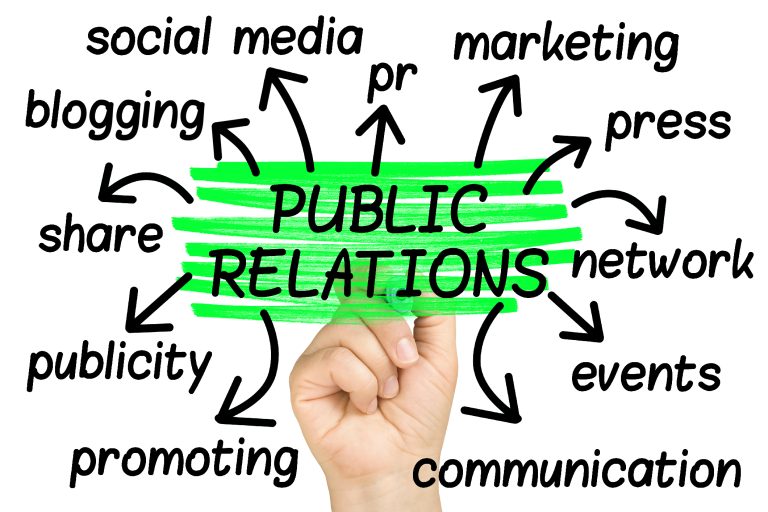
If you’re interested in pursuing a career in public relations, you may be wondering what types of jobs are available in this field. Public relations is a dynamic and diverse industry that encompasses a wide range of roles and responsibilities.
From media relations and corporate communications to event planning and crisis management, there are many different paths you can take in this exciting field.
To understand the different types of jobs available in public relations, it’s important to first have a solid understanding of what public relations is and the key skills that are required to be successful in this industry.
Public relations involves managing the reputation and communication of an individual, organisation, or brand. This can involve developing and implementing communication strategies, building relationships with key stakeholders, and managing crises and issues that may arise.
Once you have a solid understanding of what public relations is and the key skills required to succeed in this field, you can begin to explore the different types of jobs that are available. Whether you’re interested in media relations, corporate communications, or event planning, there are many different paths you can take in this exciting and dynamic industry.
Key Takeaways
- Public relations encompasses a wide range of roles and responsibilities, from media relations and corporate communications to event planning and crisis management.
- To succeed in public relations, you need to have strong communication, relationship-building, and strategic thinking skills.
- There are many different types of jobs available in public relations, and the path you choose will depend on your interests, skills, and experience.
Understanding Public Relations
Public relations (PR) is an essential aspect of any business or organization that aims to build and maintain a positive public image. It is a strategic communication process that helps to establish and maintain relationships between an organization and its target audience.
In the field of PR, professionals are responsible for managing the reputation of their clients. This includes creating and implementing communication strategies that promote brand awareness, manage crises, and build relationships with the public. PR professionals work in a variety of industries, including communications, marketing, and advertising.
The primary goal of PR is to create a positive image of the organization in the eyes of the public. This can be achieved through various means, such as media relations, social media management, and event planning. PR professionals also work to manage crises and negative publicity, which can have a significant impact on an organization’s reputation.
There are various types of jobs available in the field of PR, including public relations managers, media relations specialists, event planners, and social media managers. Each of these roles requires different skills and expertise, but all are essential to the success of a PR campaign.
Overall, understanding public relations is crucial for any business or organization that wants to build and maintain a positive public image. PR professionals play a vital role in managing the reputation of their clients and ensuring that they are seen in a positive light by the public.
Key Skills in Public Relations
To succeed in a career in public relations, you need to have a range of skills that are essential to the job. These skills can be broadly divided into two categories: communication skills and writing skills.
Communication Skills
Communication skills are essential in public relations, as you will be dealing with a range of stakeholders, including clients, journalists, and members of the public. You need to be able to communicate effectively with these groups, and to be able to tailor your communication style to suit the audience.
In particular, you need to be able to:
- Listen actively to other people’s concerns and opinions
- Build rapport with clients and stakeholders
- Negotiate effectively to achieve the best outcomes for your clients
- Provide clear and concise information to journalists and members of the public
Writing Skills
Writing is an essential part of public relations, and you need to be able to write in a range of styles, including press releases, reports, and social media posts. You need to be able to write clearly and concisely, and to be able to adapt your writing style to suit the audience.
In particular, you need to be able to:
- Write in a clear and concise style
- Use correct grammar, punctuation, and spelling
- Write for different audiences, including journalists and members of the public
- Understand the principles of SEO and how to write for search engines
Public Speaking
Public speaking is another important skill in public relations, as you may be required to give presentations or speeches to clients or stakeholders. You need to be able to speak confidently and persuasively, and to be able to adapt your presentation style to suit the audience.
In particular, you need to be able to:
- Speak confidently in front of large groups of people
- Use body language effectively to convey your message
- Tailor your presentation style to suit the audience
Verbal Communication
Verbal communication is an essential skill in public relations, as you will be dealing with clients and stakeholders on a regular basis. You need to be able to communicate effectively over the phone and in person, and to be able to build rapport with clients and stakeholders.
In particular, you need to be able to:
- Communicate effectively over the phone
- Build rapport with clients and stakeholders
- Negotiate effectively to achieve the best outcomes for your clients
Overall, to succeed in a career in public relations, you need to have a range of skills, including communication skills, writing skills, public speaking, and verbal communication. By developing these skills, you can build strong relationships with clients and stakeholders, and achieve the best outcomes for your clients.
Types of Public Relations Jobs
If you are interested in pursuing a career in public relations, there are various types of jobs available that you can consider. Here are some of the most common jobs in public relations:
Public Relations Assistant
As a public relations assistant, you will be responsible for providing support to senior public relations professionals. Your duties may include conducting research, drafting press releases, coordinating events, and managing social media accounts.
Publicist
A publicist is responsible for creating and maintaining a positive public image for their clients. This may involve pitching stories to the media, arranging interviews, and organising events.
Media Manager
A media manager is responsible for managing a company’s relationships with the media. This may involve pitching stories to journalists, responding to media inquiries, and organising press conferences.
Copywriter
As a copywriter, you will be responsible for creating written content for a variety of mediums, including press releases, social media posts, and marketing materials.
Social Media Manager
As a social media manager, you will be responsible for managing a company’s social media presence. This may involve creating and scheduling posts, responding to comments and messages, and monitoring social media analytics.
PR Specialist
A PR specialist is responsible for developing and implementing public relations strategies to promote a company or individual. This may involve conducting research, drafting press releases, and organising events.
Public Relations Manager
As a public relations manager, you will be responsible for overseeing a company’s public relations activities. This may involve developing and implementing public relations strategies, managing a team of public relations professionals, and liaising with senior management.
Public Relations Coordinator
A public relations coordinator is responsible for coordinating a company’s public relations activities. This may involve organising events, drafting press releases, and managing social media accounts.
Media Relations Manager
A media relations manager is responsible for managing a company’s relationships with the media. This may involve pitching stories to journalists, responding to media inquiries, and organising press conferences.
Brand Ambassador
As a brand ambassador, you will be responsible for representing a company or product to the public. This may involve attending events, creating social media content, and engaging with customers.
Communications Specialist
As a communications specialist, you will be responsible for creating and implementing communication strategies for a company or organisation. This may involve creating written content, managing social media accounts, and liaising with the media.
Corporate Communications Specialist
A corporate communications specialist is responsible for managing a company’s internal and external communications. This may involve creating written content, managing social media accounts, and liaising with the media.
Technical Writer
As a technical writer, you will be responsible for creating written content that explains complex technical concepts in a clear and concise manner.
Relationship Manager
As a relationship manager, you will be responsible for managing relationships with clients or customers. This may involve creating and implementing communication strategies, managing social media accounts, and organising events.
Account Manager
As an account manager, you will be responsible for managing relationships with clients or customers. This may involve creating and implementing communication strategies, managing social media accounts, and organising events.
Account Executive
As an account executive, you will be responsible for supporting account managers in managing relationships with clients or customers. This may involve conducting research, drafting press releases, and coordinating events.
Senior Account Executive
As a senior account executive, you will be responsible for managing relationships with clients or customers. This may involve creating and implementing communication strategies, managing social media accounts, and organising events.
Digital Marketer
As a digital marketer, you will be responsible for creating and implementing digital marketing strategies to promote a company or product. This may involve managing social media accounts, creating online ads, and analysing digital marketing metrics.
Marketing Manager
As a marketing manager, you will be responsible for creating and implementing marketing strategies to promote a company or product. This may involve managing a team of marketing professionals, creating marketing materials, and analysing marketing metrics.
Content Strategist
As a content strategist, you will be responsible for creating and implementing content strategies to promote a company or product. This may involve creating written content, managing social media accounts, and analysing content metrics.
Development Director
As a development director, you will be responsible for developing and implementing fundraising strategies for a non-profit organisation. This may involve creating written content, organising events, and managing donor relationships.
Media and Public Relations
In the field of Public Relations (PR), the media plays a crucial role in shaping public opinion and perception. PR professionals work closely with media outlets to create and disseminate messages that promote their clients’ interests.
Media relations is a key aspect of PR, involving building and maintaining relationships with journalists, editors, and other media professionals. PR professionals often create press releases, which are written statements that provide information about a company, product, or event to the media. These press releases can be distributed to various media outlets, including traditional media such as newspapers, magazines, and television, as well as newer media such as blogs and social media platforms.
Social media has become an increasingly important tool for PR professionals, as it allows for direct communication with their target audience. By creating and sharing content on social media platforms such as Twitter, Facebook, and Instagram, PR professionals can engage with their audience and build brand awareness.
In addition to creating and distributing messages, PR professionals also work to manage their clients’ reputation in the media. This can involve monitoring press coverage and responding to negative stories or comments.
Overall, a career in media and public relations can involve a wide range of roles, including media relations specialist, social media manager, publicist, and communications director. These roles require excellent communication skills, a deep understanding of the media landscape, and the ability to create compelling messages that resonate with a target audience.
Education and Experience for PR Jobs
To succeed in a career in public relations, it is essential to have a combination of education and experience. While there is no one-size-fits-all approach to landing a job in PR, employers typically look for candidates who have a mix of formal education and hands-on experience.
Formal Education
Many PR jobs require a degree, typically in public relations, journalism, or a related field. A degree in public relations can provide you with a solid foundation in the principles and practices of PR. A journalism degree can also be valuable, as it teaches you how to write and communicate effectively. Other degrees that can be relevant include marketing, advertising, and communication studies.
While a degree in public relations or journalism can be beneficial, it is not always necessary. Some PR professionals have degrees in other fields, such as business or psychology. What matters most is that you have the skills and knowledge required to succeed in the job.
Work Experience
Work experience is also essential for landing a job in public relations. Many employers look for candidates who have completed internships or have work experience in a related field. Internships can provide you with valuable hands-on experience and allow you to build your network in the industry. They can also help you gain a better understanding of the day-to-day responsibilities of a PR professional.
Volunteering can also be a great way to gain experience in public relations. Many non-profit organizations need help with their PR efforts and are often willing to take on volunteers. This can be a great way to gain experience and build your portfolio.
Postgraduate Courses
Postgraduate courses can also be valuable for those looking to pursue a career in public relations. Many universities offer postgraduate courses in public relations, which can provide you with a more in-depth understanding of the industry. These courses can also help you build your network and gain valuable contacts in the industry.
College Courses
College courses can also be helpful for those looking to pursue a career in public relations. Many colleges offer courses in public relations, journalism, marketing, and communication studies. These courses can provide you with a solid foundation in the principles of PR and help you develop your skills.
Conclusion
In conclusion, a combination of education and experience is essential for landing a job in public relations. While a degree in public relations or journalism can be beneficial, it is not always necessary. Work experience, internships, volunteering, and postgraduate courses can all be valuable for those looking to pursue a career in PR. Ultimately, what matters most is that you have the skills and knowledge required to succeed in the job.
Industry-Specific PR Jobs
Public relations is a vast field that includes a variety of industries, businesses, and organizations. The skills required for entry-level public relations jobs vary depending on the industry and the type of business. In this section, we will discuss industry-specific PR jobs and the skills required for them.
PR Jobs in Businesses
Businesses of all sizes require PR professionals to maintain their public image and communicate with their stakeholders. In small businesses, PR professionals may have to handle multiple roles, including media relations, event planning, and social media management. In larger businesses, PR professionals may work in-house or for PR firms, managing the company’s public relations campaigns and coordinating with various departments to ensure that the company’s message is consistent.
To excel in PR jobs in businesses, you need to have excellent communication skills, including writing, speaking, and listening. You also need to be creative, adaptable, and able to work under tight deadlines. Additionally, having a good understanding of the business and its industry is essential.
PR Jobs in Industries
PR jobs in industries are focused on promoting a specific sector, such as finance, healthcare, or technology. In these jobs, you will be responsible for creating and implementing PR campaigns that promote the industry and its products or services. You may also be required to monitor industry trends and provide insights to your clients or employer.
To succeed in PR jobs in industries, you need to have a deep understanding of the industry you are working in. You should be able to communicate complex ideas clearly and concisely, both verbally and in writing. Additionally, you should be able to build relationships with key industry stakeholders, including journalists, analysts, and influencers.
PR Firm Jobs
PR firms provide their services to a variety of clients, including businesses, non-profits, and government agencies. In PR firms, you may work on multiple accounts simultaneously, managing different clients’ PR campaigns. You may also be involved in new business development and pitching to potential clients.
To thrive in PR firm jobs, you need to be a skilled communicator, both internally and externally. You should be able to work well under pressure and manage multiple projects simultaneously. Additionally, you should be able to build and maintain relationships with clients and the media.
In conclusion, there are many different types of PR jobs, each with its unique requirements and challenges. Whether you work in a business, an industry, or a PR firm, you need to have excellent communication skills, be creative, adaptable, and able to work under pressure. By developing these skills and building your knowledge of the industry, you can succeed in a career in public relations.
Senior Roles in Public Relations
If you have been working in public relations for a while and have gained significant experience and expertise, you may be ready to take on a more senior role. Senior roles in public relations are typically reserved for professionals who have demonstrated strong leadership skills, strategic thinking, and a deep understanding of the industry.
As a senior public relations professional, you may have a range of job titles, including Senior PR Manager, PR Director, or Head of Communications. In these roles, you will be responsible for managing a team of PR professionals, overseeing the development and execution of PR campaigns, and working closely with senior executives to ensure that PR activities align with the overall business strategy.
Some of the key responsibilities of senior public relations professionals include:
- Developing and implementing PR strategies that support the business goals
- Managing relationships with key stakeholders, including media outlets, industry influencers, and customers
- Leading crisis communications efforts and managing the reputation of the organisation
- Managing budgets and ensuring that PR activities are cost-effective
- Mentoring and coaching junior members of the PR team
To be successful in a senior PR job, you will need a range of skills and experience. This may include:
- A deep understanding of the media landscape and how to work effectively with journalists
- Strong leadership skills and the ability to manage a team effectively
- Excellent communication skills, both written and verbal
- The ability to think strategically and develop innovative PR campaigns
- A track record of delivering successful PR campaigns and managing complex projects
- A deep understanding of the business and industry in which you work
Overall, senior roles in public relations are challenging but rewarding positions that require a high level of skill, experience, and expertise. If you are ready to take on a leadership role in PR, then a senior PR job may be the next step in your career.
Event and Community Relations
In public relations, Event and Community Relations is a crucial area that focuses on building and maintaining relationships with communities and stakeholders. This area involves planning and executing events, conferences, and promotional activities that bring people together to create a positive image of the company or organization.
As a public relations professional in Event and Community Relations, you will be responsible for managing all aspects of events, including logistics, marketing, and media relations. You will need to be highly organized, detail-oriented, and able to work well under pressure to ensure that events run smoothly and achieve their objectives.
Some of the common jobs in Event and Community Relations include:
- Event Planner: Responsible for planning and executing events, conferences, and other promotional activities. They work closely with vendors, sponsors, and stakeholders to ensure that the event runs smoothly and achieves its objectives.
- Community Relations Manager: Responsible for building and maintaining relationships with communities and stakeholders. They work closely with local organizations, government agencies, and community groups to ensure that the company or organization is seen as a positive force in the community.
- Promotions Manager: Responsible for developing and executing promotional campaigns that promote the company or organization’s products or services. They work closely with marketing and advertising teams to create compelling campaigns that resonate with the target audience.
In Event and Community Relations, you will need to have excellent communication skills, both written and verbal, to effectively communicate with stakeholders, sponsors, and the media. You will also need to be able to think creatively and strategically to develop innovative campaigns that engage audiences and build brand awareness.
Overall, Event and Community Relations is a dynamic and exciting area of public relations that requires a combination of creativity, organization, and strategic thinking to succeed. If you are passionate about building relationships and creating memorable events that leave a lasting impression, this could be the perfect career path for you.
Corporate Communications and PR
If you are interested in pursuing a career in public relations, you may want to consider a role in corporate communications. Corporate communications is a subset of public relations that focuses on managing a company’s reputation and communications with stakeholders, including employees, investors, customers, and the media.
As a corporate communications specialist, you would be responsible for creating and implementing communication strategies that promote a positive image of your company. You would work closely with executives and other stakeholders to develop messaging that is consistent with the company’s values and goals.
One aspect of corporate communications is internal communications. In this role, you would be responsible for communicating with employees and ensuring that they are informed about company news and updates. This may include creating newsletters, organising town hall meetings, and managing the company’s intranet.
Another important aspect of corporate communications is media relations. In this role, you would be responsible for managing the company’s relationships with journalists and other members of the media. This may involve writing press releases, pitching stories to journalists, and responding to media inquiries.
Overall, a career in corporate communications can be both challenging and rewarding. If you are interested in pursuing this path, you may want to consider pursuing a degree in public relations or a related field. You may also want to consider gaining experience through internships or entry-level positions in the field.
Brand Strategy and Development
In public relations, brand strategy and development is one of the most important areas. It involves creating and maintaining a brand’s image, reputation, and identity. This includes developing a clear understanding of the brand’s values, personality, and target audience.
A brand strategy is a long-term plan that outlines the goals and objectives of the brand. It involves identifying the target audience, developing a unique value proposition, and creating a brand identity that resonates with the audience. A well-defined brand strategy can help a company differentiate itself from its competitors and create a strong brand image.
Brand development, on the other hand, involves the execution of the brand strategy. It includes the creation of a brand identity, brand messaging, and brand positioning. This can be achieved through various marketing and communication channels, such as advertising, social media, and public relations.
In public relations, brand strategy and development often involves managing a brand’s reputation. This includes monitoring and responding to feedback from customers and stakeholders, as well as addressing any negative publicity or crises that may arise.
Overall, brand strategy and development are critical components of public relations. By creating a strong brand identity and reputation, companies can build trust and loyalty with their customers, differentiate themselves from their competitors, and ultimately drive business success.
Public Affairs and Crisis Management
In Public Relations, Public Affairs refers to the practice of building and maintaining relationships between an organisation and its stakeholders, including the government, media, and the general public. Public Affairs professionals are responsible for representing their organisation’s interests and communicating its policies to external audiences.
Crisis Management is a critical aspect of Public Affairs, involving the management of a company’s reputation during a crisis or emergency situation. Crisis Management professionals are responsible for developing and implementing strategies to mitigate the potential negative impact of a crisis on the organisation’s reputation.
Public Affairs and Crisis Management are closely related, as effective Public Affairs strategies can help prevent or mitigate the impact of a crisis. Crisis Management plans should be developed and implemented as part of a broader Public Affairs strategy.
Publicity campaigns are another key component of Public Affairs, involving the promotion of an organisation’s products, services, or brand. Publicity campaigns can be used to raise awareness about an organisation, generate positive media coverage, and improve its reputation.
Spokespersons are individuals who represent an organisation to the media and other external audiences. Spokespersons should be knowledgeable, articulate, and able to communicate the organisation’s message effectively.
In summary, Public Affairs and Crisis Management are critical components of a successful Public Relations strategy. Public Affairs professionals are responsible for building and maintaining relationships with external stakeholders, while Crisis Management professionals are responsible for managing the organisation’s reputation during a crisis. Publicity campaigns and effective spokespersons can also help improve an organisation’s reputation and promote its message.
The Role of PR in Advertising and Sales
Public relations (PR) plays a crucial role in advertising and sales. PR professionals work alongside advertising and sales teams to create and execute campaigns that promote products and services, build brand awareness, and drive sales.
In advertising, PR can help to create a buzz around a new product or service launch. PR professionals can work with advertising teams to generate media coverage, secure product reviews, and create content that promotes the product or service. By using PR tactics, such as media pitching and influencer outreach, advertising campaigns can reach a wider audience and generate more interest in the product or service.
In sales, PR can help to build trust and credibility with potential customers. By creating and executing PR campaigns that highlight the benefits and features of a product or service, PR professionals can help to position the product or service as a must-have item. Additionally, by securing positive media coverage and reviews, PR can help to build brand reputation and increase sales.
Overall, PR plays a critical role in the success of advertising and sales campaigns. By working closely with advertising and sales teams, PR professionals can help to create campaigns that resonate with consumers, drive brand awareness, and ultimately lead to increased sales.
Public Relations and Social Responsibility
In the world of public relations, social responsibility is a crucial aspect. It involves the ethical and moral obligations that a company has towards society and the environment. Public relations professionals play a significant role in ensuring that their clients are socially responsible and are seen as such by the public.
One way that public relations professionals encourage social responsibility is through philanthropy. Philanthropy involves giving back to society through charitable donations and activities. Public relations professionals can help their clients identify causes that align with their values and develop strategies to support those causes.
Another way that public relations professionals promote social responsibility is through sustainability initiatives. This involves ensuring that a company’s operations are environmentally friendly and that they are taking steps to reduce their carbon footprint. Public relations professionals can help their clients communicate these initiatives to the public and demonstrate their commitment to sustainability.
In summary, public relations professionals play a crucial role in promoting social responsibility in their clients. Through philanthropy and sustainability initiatives, they help their clients demonstrate their commitment to society and the environment.
Career Path in Public Relations
If you’re interested in a career in public relations, you’ll be pleased to know that there are many types of jobs available. Public relations is a dynamic field that offers a range of opportunities for those with the right skills and passion. In this section, we’ll explore the various career paths available in public relations and what you can expect from each.
Career Path
The career path in public relations is varied, and there are several different types of jobs available. Some of the most common positions include:
- Public Relations Specialist
- Public Relations Manager
- Communications Director
- Social Media Manager
- Event Planner
- Media Relations Specialist
As you progress in your career, you may have the opportunity to move into more senior roles, such as Vice President of Communications or Chief Communications Officer.
Passion
One of the most important things to consider when pursuing a career in public relations is your passion for the field. Public relations professionals are often responsible for managing the reputation of a company or individual, so it’s essential to have a genuine interest in the work you’re doing. If you’re passionate about communication, building relationships, and managing reputations, then a career in public relations may be right for you.
Skill Set
To be successful in public relations, you’ll need to have a specific set of skills. Some of the most important skills include:
- Excellent written and verbal communication skills
- Strong interpersonal skills
- Creativity
- Strategic thinking
- Attention to detail
- Crisis management skills
- Social media expertise
If you possess these skills, you’ll be well-positioned to succeed in a career in public relations.
Volunteer
Volunteering can be an excellent way to gain experience in public relations. Many non-profit organizations rely on volunteers to help with their public relations efforts. Volunteering can provide you with valuable experience, help you build your network, and give you a chance to make a difference in your community.
In conclusion, public relations offers a range of exciting career opportunities for those with the right skills and passion. By considering your career path, passion, skill set, and volunteering opportunities, you can position yourself for success in this dynamic field.
Frequently Asked Questions
What are the typical job roles in the field of public relations?
There are various job roles in the field of public relations, such as Public Relations Manager, Public Relations Specialist, Media Relations Specialist, Communications Specialist, Social Media Manager, Event Planner, and Press Secretary. Each role has a specific set of responsibilities.
What are the key responsibilities of a public relations professional?
The key responsibilities of a public relations professional include managing and maintaining the reputation of an organisation, creating and implementing communication strategies, writing press releases and speeches, managing media relations, crisis management, and event planning.
What skills are required to succeed in a public relations career?
To succeed in a public relations career, you need strong communication skills, both written and verbal, excellent interpersonal skills, the ability to work under pressure, attention to detail, creativity, and the ability to think strategically.
What are some common PR terms and jargon used in the industry?
Some common PR terms and jargon used in the industry include press release, media kit, embargo, pitch, spokesperson, crisis communication, earned media, and brand journalism.
What are some examples of successful public relations campaigns?
Some examples of successful public relations campaigns include Dove’s “Real Beauty” campaign, Coca-Cola’s “Share a Coke” campaign, and Nike’s “Just Do It” campaign.
What are the highest paying jobs in the public relations industry?
The highest paying jobs in the public relations industry include Public Relations Director, Public Relations Manager, Public Relations Specialist, Communications Director, and Marketing Director. Salaries vary depending on the company, location, and years of experience.