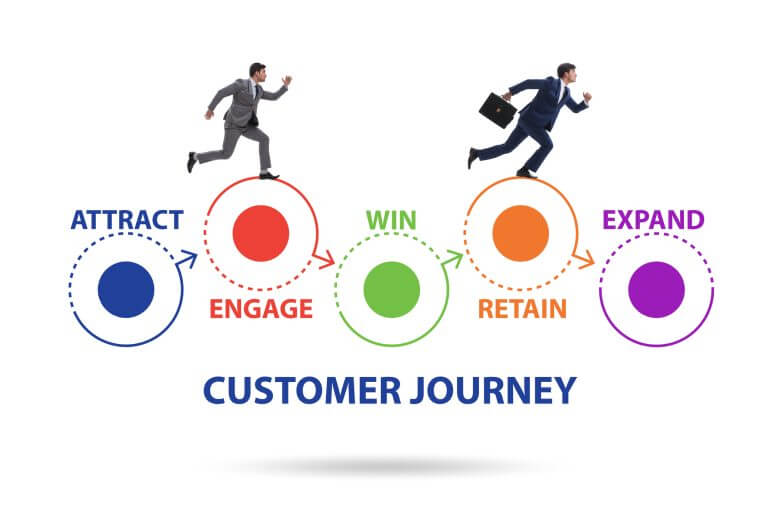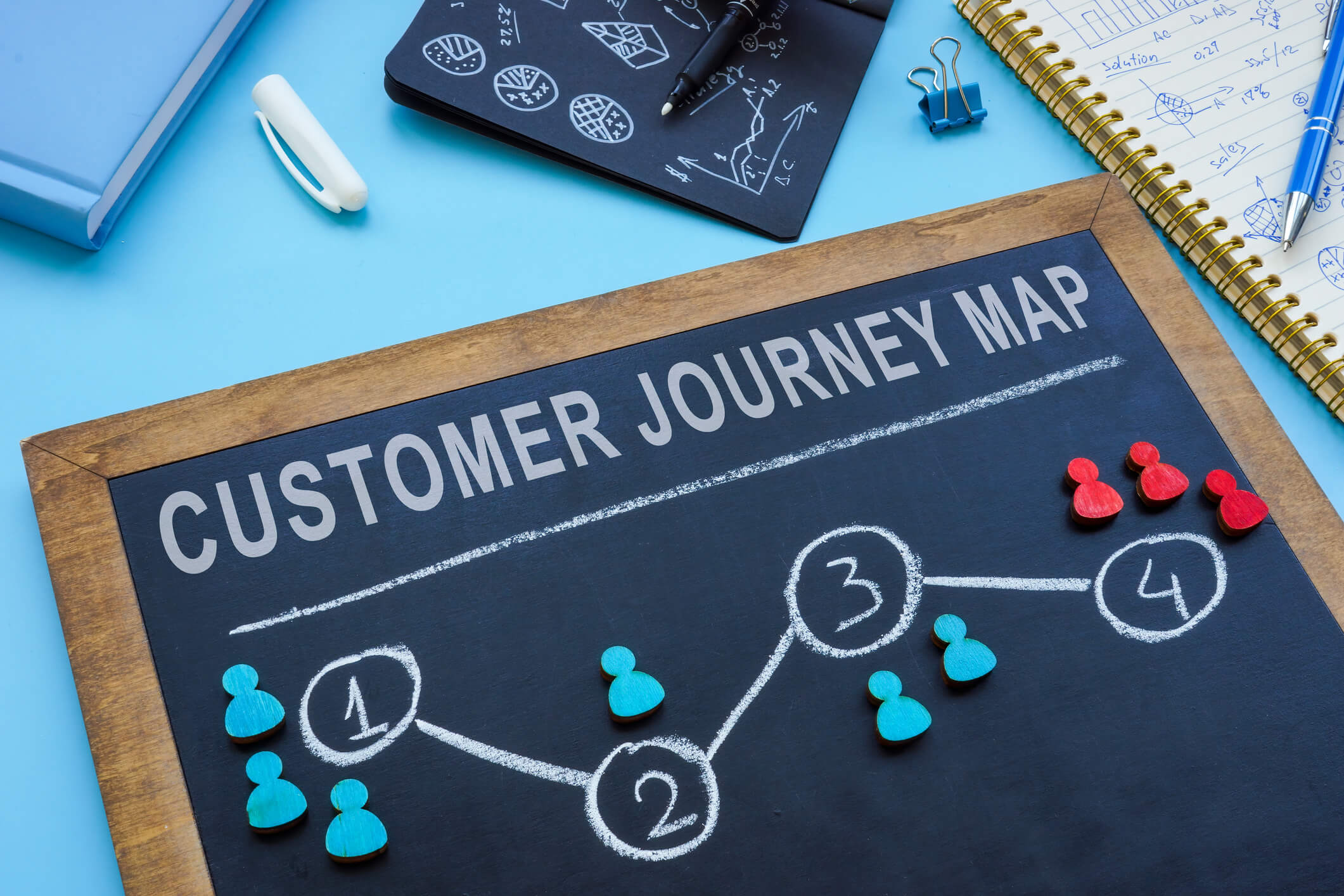
A well-designed customer journey is essential for any successful business. This journey involves every point of contact a customer has with your brand, from the moment they hear about you to the point they become a loyal advocate. A structured approach helps ensure that each interaction adds value and strengthens the relationship.
To create an effective customer journey, it’s crucial to map out every touchpoint and ensure each one meets your customers’ needs. This process involves understanding the different stages a customer goes through and tailoring each interaction to improve their experience.
By thinking about your customers’ feelings and expectations at every step, you can make each part of the journey smoother and more satisfying.
Building a strong customer experience can lead to higher retention rates and increased customer loyalty. Using tools like journey mapping, you can identify areas where improvements can be made. This strategic insight into your customer’s journey not only enhances their experience but also leads to better business outcomes.
Key Takeaways
- Mapping the journey improves customer satisfaction.
- Understanding your customer’s needs boosts retention.
- Analysing interactions identifies areas for improvement.
Understanding the Customer Journey
A well-crafted customer journey allows businesses to create meaningful connections with their customers. The journey involves multiple stages that influence customer perceptions and decisions, making it essential to understand its layout and function.
Defining Customer Journey and Its Importance
The customer journey is the process a customer goes through when interacting with a brand. It includes all experiences from initial contact to purchase and beyond. This journey lets you identify your customers’ needs and expectations, allowing you to tailor your approach effectively.
Understanding the customer journey is crucial because it helps in aligning your marketing strategies with customer experiences. By mapping out this journey, you can improve customer satisfaction and foster long-term relationships. It encourages brands to focus on the pathways customers typically take, enhancing the ability to meet customer demands efficiently.
Components of a Customer Journey
The customer journey comprises several key stages. The awareness stage is where potential customers first learn about your brand. It’s followed by the consideration stage, where they evaluate your products or services against competitors. The decision stage is when they choose to make a purchase.
After purchasing, the journey continues with the retention stage, focusing on keeping customers engaged and satisfied. Finally, the advocacy stage occurs when customers become promoters of your brand. Understanding these components allows you to create strategies that cater to each stage, ensuring a seamless and positive experience for the customer.
By focusing on these stages, you’ll equip yourself to build stronger connections and increase customer loyalty.
Developing Customer Personas
Creating effective customer personas starts with gathering real data. By understanding what makes your target audience tick, you can craft personalised experiences that resonate.
Gathering Customer Data
Start by collecting customer data from various sources. Consider using surveys, interviews, and questionnaires to gather insights directly from your audience. Analysing sales data and website analytics can also provide valuable information. Look for patterns in customer behaviour and preferences.
Social media can be a goldmine for understanding customer interests and trends. Observe comments, likes, and shares to see what your target audience is talking about. Identifying key demographics, such as age, location, and occupation, helps in creating personas that truly reflect your audience.
Feedback from customer service interactions offers a window into common customer needs and pain points. Use this information to shape a persona that mirrors the real desires and challenges your customers face. Focus on utilising accurate data to ensure your personas are grounded in reality.
Creating Holistic Customer Personas
With the collected data, you can now build detailed customer personas. Start by identifying basic characteristics such as age, income, and education. Include psychographic details like interests and lifestyle to paint a complete picture.
Consider the motivations and goals of your personas. What are they trying to achieve? How can your product or service meet these needs? Understanding these aspects helps in crafting personas that are meaningful and actionable.
Develop multiple personas if your audience is diverse. A range of personas allows you to address different segments of your buyer audience. Use narratives or stories to give depth to these personas, ensuring that each one feels like a real person with distinct needs and preferences.
Integrate these personas into your marketing strategy to improve targeting and personalise interactions. With well-crafted personas, you can create more engaging and relevant experiences for your customers.
Mapping the Customer Journey
Understanding the customer journey is crucial for shaping successful interactions and enhancing overall experience. This section breaks down the essentials of journey mapping, how to construct a customer journey map, and how to incorporate customer feedback into these maps.
Essentials of Journey Mapping
Journey mapping is a powerful tool to visualise the customer’s experiences with your product or service. It captures each step a customer takes, identifying key touchpoints and areas where they interact with the company. These maps help pinpoint pain points where customers may face difficulties.
Knowing the essentials means recognising that the journey is not linear. Instead, it’s dynamic, reflecting different paths a customer may take. A well-crafted customer journey map provides insights into both positive experiences and obstacles, aligning with business goals and customer needs.
Effective journey mapping requires a clear understanding of customer personas to ensure the map accurately represents diverse experiences. Use these insights to inform service improvements and strategic decisions.
Constructing a Customer Journey Map
To construct a useful customer journey map, you start by defining the stages a customer typically goes through. These stages can range from initial awareness to post-purchase support. It’s essential to outline each stage clearly.
Create a timeline of these stages and add the corresponding touchpoints where interactions happen. This might include buying a product or calling customer support. Then, identify common pain points and note areas for improvement. Use templates for consistency, but make sure they fit your specific customer journey.
Visual elements such as diagrams or tables can help you present the information clearly. Ensure the data you collect is up-to-date by involving cross-functional teams who engage with customers at various stages. This approach provides a more holistic view of the entire journey.
Applying Customer Feedback to Journey Maps
Customer feedback is vital for refining journey maps. It offers real-world insights into the customer’s experience that you might not anticipate. Gather feedback through surveys, reviews, or direct interactions and apply it to your journey mapping efforts.
Look for patterns in feedback to identify common pain points. Use this information to adjust your customer journey map and improve areas where customers encounter problems. Integrating feedback not only helps in making the map accurate but also improves the overall customer experience.
Continuously update your maps by incorporating ongoing feedback. This ensures your journey map stays relevant and useful, driving strategic changes that align more closely with customer expectations and needs.
Identifying Key Touchpoints
When designing a customer journey, it is crucial to identify key touchpoints. These touchpoints might involve direct interactions with the brand and can occur at various stages of the journey. Understanding both visible and behind-the-scenes interactions is vital. By focusing on these key aspects, you can improve the overall customer experience and ensure satisfaction throughout their journey.
On-stage and Off-stage Interactions
On-stage interactions are the visible points where customers directly engage with your brand. These could be through purchasing processes, customer service calls, or marketing events. Observing these moments helps pinpoint where the experience can be enhanced or what already works well.
Off-stage interactions occur behind the scenes. They might include warehouse operations, technical support, or internal processes that the customer doesn’t see. Although hidden, these factors greatly influence the quality of the customer journey. A well-managed backend ensures that on-stage interactions run smoothly and efficiently. Together, understanding both types of interactions allows you to create a seamless and satisfying journey for your customers.
Emotional Impact of Touchpoints
Every touchpoint in a customer journey can carry an emotional load. Whether a customer service interaction resolves quickly or a marketing campaign resonates deeply, these points leave a lasting impact. Positive experiences often lead to brand loyalty and customer satisfaction.
Focusing on reducing stress and improving enjoyment at each touchpoint can enhance the customer’s emotional response. An emotion-rich experience ensures customers feel valued and understood. By evaluating the emotional impact of each touchpoint, you can make informed decisions to optimise the customer journey and foster a stronger connection with your audience.
Analysing Customer Feedback
Analysing customer feedback involves collecting data from various sources to understand customer attitudes and improve their journey. Effective analysis can guide business decisions to enhance customer satisfaction.
Gathering and Utilising Surveys
Surveys are a valuable tool for understanding customer experiences. By designing well-structured surveys, you can gather specific information about customers’ thoughts and feelings. Surveys can be distributed through email, websites, or in-person interactions. The key is to ask clear and relevant questions.
Surveys can include various question types, such as multiple-choice, scale ratings, or open-ended responses. Analysing these responses helps identify trends and pinpoint areas for improvement. For example, if a significant number of customers express dissatisfaction with a product, it indicates where changes are necessary.
Once collected, survey data should be organised and analysed using software tools to draw meaningful insights. Regularly reviewing this feedback allows businesses to stay aligned with customer expectations.
Interpreting Unsolicited and Solicited Data
Unsolicited data includes comments from social media, reviews, and spontaneous feedback. These insights provide a candid view of customer experiences and attitudes. By monitoring online platforms, you can gather real-time feedback from a diverse audience.
Solicited data is obtained through direct methods like surveys and feedback forms. This targeted approach allows you to focus on specific aspects of the customer journey. It offers detailed insights into customer preferences.
Both types of data are essential for a comprehensive understanding. By combining unsolicited and solicited data, you can gain a complete picture of customer satisfaction. Analysing this data empowers businesses to make informed decisions. Patterns in unsolicited feedback might reveal emerging issues early on, while solicited data provides structured and actionable insights.
Improving Customer Experience
Enhancing customer experience (CX) is crucial for any business. Key strategies include using data to understand customer needs, identifying gaps in the customer journey, and creating personalised experiences for different segments to boost satisfaction and loyalty.
Leveraging Customer Data for CX Improvement
Utilising customer data effectively enhances your CX strategy. Data collection can be from sources like purchase history, online behaviour, and feedback surveys. Analysing this data helps you understand customer preferences and pain points.
With these insights, you improve the omnichannel experience, ensuring consistency across all platforms. Personalising interactions based on data can lead to improved customer satisfaction. It’s important to regularly update and review this data to keep your strategy aligned with changing customer behaviours, ensuring you stay ahead in meeting their expectations.
Addressing Experience Gaps
Experience gaps occur when customer expectations aren’t met. Identifying these gaps involves looking at customer feedback and analysing their journey. Mapping the customer journey can highlight where issues arise. Address these gaps by improving touchpoints where customers face friction.
Consider customer complaints, abandoned carts, or long wait times as signals of potential gaps. Training staff, upgrading systems, or streamlining processes can help bridge these gaps. By actively addressing these issues, you refine your CX strategy, enhancing satisfaction and fostering loyalty.
Tailoring Experiences for Different Segments
Not all customers are the same. Tailoring experiences for different customer segments adds value. Start by segmenting your audience based on demographics, buying behaviours, or preferences. Create targeted campaigns or offers to cater to these distinct groups.
For example, younger audiences might prefer digital interfaces, while older customers may favour personal interactions. Tailoring your service or product offerings increases engagement and retention. When you focus on personalised experiences, you ensure each segment feels valued, ultimately boosting overall customer satisfaction.
Enhancing Customer Retention
Improving customer retention is key for businesses to thrive. Focusing on customer loyalty and satisfaction can significantly boost long-term relationships. Below are ways to enhance retention through loyalty programmes and value creation.
Developing Effective Loyalty Programmes
Loyalty programmes play a vital role in retaining customers. They should be customer-focused to encourage repeat business. An efficient programme offers rewards that align with your customers’ preferences. This means understanding what your customers value, whether it’s discounts, exclusive offers, or early access to new products.
Engaging your customers through personalised offers and consistent communication is essential. This could involve sending tailored messages or providing special deals on birthdays. Simplicity is also crucial; ensure that the programme is easy to understand and participate in. Research indicates that clear and rewarding programmes can significantly improve customer satisfaction and retention.
Creating Long-Term Value for Loyal Customers
Creating long-term value means going beyond just rewards. This involves offering exceptional customer service and maintaining high quality. Loyal customers appreciate consistency and reliability in service delivery. When customers feel valued, they are more likely to continue their relationship with your brand.
Communication also plays a crucial role in value creation. Keeping your customers informed about new offerings and seeking their feedback helps in understanding their needs better. Building trust is essential, and transparency in your operations can enhance this trust. Providing educational content or resources that benefit your customers can also strengthen loyalty, as they see your business as a trusted advisor.
Leveraging Technology for Journey Analytics
To effectively analyse the customer journey, using technology is essential. This involves using Customer Journey Mapping (CJM) tools and integrating systems to create a comprehensive view of customer interactions.
Using CJM Tools for In-depth Analysis
CJM tools are powerful for tracking and analysing the steps a customer takes with your business. They help you visualise the entire customer journey, identifying key touchpoints. These tools collect customer data, offering insights into behaviour and preferences.
With CJM tools, you can track interactions across different channels, which helps tailor experiences to meet customer needs. Using CJM tools ensures you maintain a shared understanding among teams, improving decision-making and strategies. By identifying patterns in data, you refine your approach, enhancing the overall experience.
Integrating Systems for a Holistic View
Integrating various systems provides a unified view of customer interactions. By bringing together data from multiple sources, you gain a deeper, holistic understanding of customer behaviours and needs. This integration can include CRM systems, social media platforms, and e-commerce data.
A holistic view allows you to anticipate customer needs and respond more effectively. When systems are integrated, it simplifies data sharing and ensures consistency. This approach creates a seamless journey for the customer, as they experience consistent interactions across different channels. Integrating systems is key to achieving a comprehensive customer experience.
Conclusion
Creating an effective customer journey is vital for achieving your business goals. Whether you’re in B2B or B2C, understanding each phase of the buyer’s journey helps tailor your approach to meet specific needs.
Focus on user experience. A seamless journey enhances satisfaction and boosts brand awareness. It aids in converting interested buyers into loyal customers.
Problem-solving should be at the core of your strategy. Addressing issues promptly through customer support builds trust and encourages repeat business. When customers see your commitment to solving their problems, customer success becomes achievable.
Track and measure your efforts. Use data to identify where conversions peak or drop. This insight allows you to fine-tune strategies for better engagement and efficiency.
Remember, the journey doesn’t end with a purchase. Post-sale engagement is crucial. Maintaining communication ensures customers are satisfied with their purchase and keeps them informed about new offerings.
Lastly, educate your team. Ensure they understand the stages of the customer journey. Their knowledge can significantly impact the customer’s experience with your brand.
Frequently Asked Questions
A customer journey map is a tool that helps you understand and improve customer interactions. It consists of stages, benefits to the organisation, and best practices for touchpoints. Tailoring the map to different customer segments and optimising it can enhance engagement and conversion.
What are the essential stages typically included in a customer journey map?
A typical customer journey map includes stages like awareness, consideration, purchase, retention, and advocacy. These stages help you see how customers interact with your brand from start to finish. Each stage should be detailed with customer goals and actions to give a clear view of their experience.
How can a well-designed customer journey map benefit an organisation?
A well-designed map allows an organisation to pinpoint areas for improvement. It can enhance customer satisfaction, streamline communication, and identify customer needs. This helps you increase loyalty and drive business growth by making informed decisions.
What are the best practices for plotting customer touchpoints in a journey map?
To effectively plot touchpoints, focus on all interactions a customer has with your brand, whether online or offline. Identify key moments that influence decision-making. Collect data from surveys, interviews, or customer feedback to accurately map these interactions.
How do you tailor a customer journey map to different types of prospects or customer segments?
Tailoring requires understanding the unique needs and behaviours of each segment. You should create separate maps for each customer segment. Use demographic, behavioural, and psychographic data to customise each map, reflecting the specific journey and experience of those segments.
In what ways can a customer journey be optimised for better engagement and conversion?
Optimising a journey involves removing friction points and enhancing user experience. Employing personalised content, improving site navigation, and streamlining the checkout process can make transitions smoother. Analysing customer feedback regularly helps refine strategies for better engagement and conversion.
What critical elements should be included when creating an effective customer journey map template?
Essential elements include customer personas, stages of interaction, touchpoints, customer actions, emotions, and pain points. Visual elements like timelines and diagrams can aid understanding. Including these elements helps create a comprehensive and clear view of the entire customer experience.