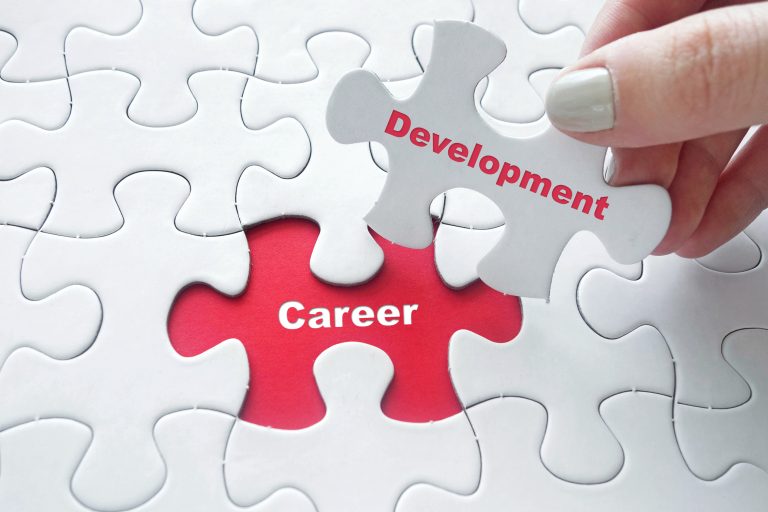
Career development work plays a crucial role in helping you manage and grow your professional life. It ensures you build new skills, stay competitive, and adapt to changes in your industry, which leads to better job satisfaction and career success. This process isn’t just about climbing the ladder; it also includes deepening your expertise and finding meaningful ways to contribute in your current role.
Your career will face many challenges as industries evolve and new skills become necessary. Career development work equips you with the tools and knowledge to navigate these changes confidently. By actively managing your career, you can make better decisions, set clear goals, and increase your motivation to reach your full potential over time.
Key Takeaways
- You gain skills that keep you competitive and adaptable.
- Career development helps you set goals and stay motivated.
- Managing your career supports long-term growth and job satisfaction.
Understanding the Value of Career Development
Career development helps you take control of your professional journey. It guides you in understanding what career growth means, the advantages it brings to you and your employer, and how it adapts to the changing world of work.
Defining Career Development
Career development is the ongoing process of managing your work life. It includes learning new skills, gaining experience, and planning your career steps to reach your goals.
You actively engage in growing your talents and adapting to changes in your job or industry. This isn’t just about getting promotions; it’s about making sure your career fits your personal values and long-term aims.
By understanding your strengths and interests, you set a clear path that can lead to both job satisfaction and professional success.
Benefits for Employees and Employers
Career development benefits you by improving your skills and motivation. When you develop professionally, you often feel more confident and energised at work. This growth can lead to new job opportunities and higher earning potential.
For employers, investing in career development means having a more skilled and adaptable workforce. Trained employees contribute better to their teams and the company’s success.
Key benefits include:
- Increased job satisfaction
- Higher productivity
- Lower staff turnover
- Better adaptability to change
Both you and your employer gain when career development is part of your work life.
The Evolving Professional Landscape
The job market and professional landscape are changing fast. New technologies, global shifts, and changing work styles mean you must keep your knowledge and skills up to date.
Career development helps you stay relevant and competitive in this environment. It teaches you to be flexible, learn continuously, and respond well to change.
By managing your career well, you prepare yourself for future challenges and opportunities. This helps you maintain your place in an evolving professional world.
Core Components of Career Development
Career development involves specific actions that help you understand your strengths, improve your abilities, plan a suitable career path, and regularly evaluate your progress. Each component plays a key role in ensuring your career grows steadily and aligns with your personal and professional goals.
Self-Assessment and Goal Setting
Self-assessment is the first step in understanding what you bring to the table. It includes identifying your skills, interests, values, and personality traits. You can use tools like quizzes or reflection exercises to map out what suits you best.
Setting clear career goals based on this self-awareness helps you focus your efforts. Your goals should be specific, measurable, achievable, relevant, and time-bound (SMART). This clarity guides your decisions about which opportunities to pursue and helps track your progress.
Skill Enhancement and Continuous Learning
Improving your current skills and gaining new ones is essential to staying competitive. Skill enhancement might involve attending workshops, taking courses, or gaining practical experience.
Continuous learning means you keep updating your knowledge throughout your career. This lifelong learning approach helps you adapt to changes in your job or industry and increases your value to employers. Actively seek feedback and new challenges to grow your skill set.
Career Path Planning
Planning your career path involves choosing a direction that fits your skills and goals. This means researching potential roles, industries, and organisations that match your interests and values.
You should create short- and long-term plans with milestones to guide your development. This plan is flexible; revise it as you gain experience or when your interests change. Good planning helps you stay motivated and make informed decisions about your future.
Ongoing Self-Reflection
Regular self-reflection ensures you stay on track with your career development. It involves reviewing your achievements, challenges, and satisfaction levels.
Use self-reflection to adjust your goals, learn from experiences, and identify areas where you need more growth. This practice helps you maintain alignment between your work and what matters most to you, ensuring ongoing career satisfaction.
The Impact of Career Development on Individuals
Career development shapes your skills, motivation, and ability to adjust to changes in the job market. It influences how you grow professionally, find satisfaction in your work, and stay valuable to employers.
Professional Growth and Advancement
Career development helps you gain new skills and knowledge that fit your job or industry. By improving your strengths and recognising your weaknesses, you can focus on areas needing growth. This makes you more capable and confident in your tasks.
Taking part in training and learning opportunities opens up chances for promotion or moving into new roles. It allows you to build expertise that employers look for when deciding who to advance. This steady progression supports your long-term career success.
Job Satisfaction and Motivation
When you set clear goals and see progress in your career, your work feels more rewarding. Career development gives you a sense of achievement, which increases your motivation to perform well.
Feeling engaged at work often comes from knowing your career is moving forward. This motivation can reduce burnout and make daily tasks feel more meaningful. In turn, you are likely to enjoy your job and stay committed to your organisation.
Adaptability and Marketability
You need to adapt to changes in industries and job requirements to stay competitive. Career development teaches you to handle new challenges and shifts in the workplace effectively.
By updating your skills regularly, you remain relevant and attractive to employers. This boosts your marketability and opens new opportunities if you decide to change jobs or industries. Being adaptable also helps you face uncertainties with greater confidence.
Career Development in the Modern Workplace
Career development plays a vital role in shaping your work environment and the success of your organisation. It affects how you attract the best people, keep them engaged, and improve your overall business results. Understanding these areas helps you invest wisely in your employees’ growth.
Attracting and Retaining Top Talent
You want top talent to join and stay with your organisation. Offering career development shows that you value your employees’ futures. When you provide clear career opportunities and support, job seekers see your company as a place to grow.
Retention improves because employees feel their skills and goals matter. This lowers turnover and recruitment costs. You create a workforce motivated to advance, which benefits your company long term. Investing in development also helps you compete for skilled workers in a tough market.
Employee Engagement and Productivity
When you support career development, your employees become more engaged. Engagement means they care about their work and want to do well. Providing training, mentoring, or learning opportunities makes employees feel valued and confident.
This leads to higher productivity, as motivated employees work harder and solve problems better. Career support helps individuals understand their strengths and set clear goals. It encourages continuous learning, which keeps skills up to date and relevant to your organisation’s needs.
Organisational Performance
Career development directly impacts organisational performance. When employees improve their skills, you get better results. Productivity rises, and creativity grows as people bring new ideas and adapt to change.
Aligning employee goals with your company’s plans creates a stronger business. A career-focused culture attracts people who want to learn and contribute. This builds a future-proof organisation made up of skilled, driven individuals ready for new challenges.
Tools and Strategies for Effective Career Development
You can strengthen your career by using different learning and growth methods. These include formal training, building connections, and staying informed about your industry. These approaches help you develop skills and plan your career path wisely.
Workshops, Webinars, and Online Courses
Attending workshops, webinars, and online courses gives you access to focused learning on specific skills. These sessions often cover practical topics like communication, leadership, or technical skills.
You can choose short webinars for quick updates or longer courses for deep knowledge. Online platforms let you learn at your own pace, which fits well with a busy schedule. Participating actively, asking questions, and applying what you learn improve your skills and confidence.
Many organisations offer free or paid options. You should select courses relevant to your career goals to ensure they add value. Microlearning opportunities, such as short videos or quizzes, also help reinforce your understanding over time.
Networking and Mentorship
Building a strong network opens doors to advice, job opportunities, and career growth. Talking to people in your industry helps you gain useful perspectives and learn from their experiences.
Mentorship is a key part of networking. A mentor can provide guidance tailored to your goals and challenges. You benefit from their knowledge and support, which speeds up your development.
Attend industry events or join professional groups to meet new contacts. Use online platforms to connect, but also seek face-to-face meetings when possible. Both mentoring and networking should be seen as ongoing processes, not one-time actions.
Utilising Industry Insights
Keeping up-to-date with industry trends is crucial. Knowing how your sector is changing helps you anticipate new skills you may need.
Regularly explore reports, news, and expert opinions related to your field. This information can inform your career strategy by identifying emerging roles or technologies.
Using tools such as AI-driven platforms or market analysis reports can improve the accuracy of your planning. You can set realistic goals based on current and future demands, making your career moves more strategic and effective.
Adapting to Industry Changes and Future Trends
Your ability to keep up with new industry developments affects your career growth and job security. Being flexible, learning continuously, and preparing for future shifts will help you stay competitive. These factors also build a strong foundation for lasting success.
The Importance of Lifelong Learning
You must commit to lifelong learning to keep your skills relevant. Industries, especially technology, change fast. New tools and methods emerge, making old skills less useful. By learning regularly, you stay up to date and ready for new challenges.
Continuous learning includes formal courses, self-study, and on-the-job training. This approach not only improves your current skills but also prepares you for new roles. Adaptability depends on how open you are to gaining knowledge throughout your career.
Staying Current with Industry Changes
Pay close attention to trends in your field. Whether it’s new technology, customer needs, or regulations, these changes can affect how you work. Being aware helps you adjust your skills and strategies in time.
You can stay informed through industry news, professional networks, or training sessions. Reacting early to change keeps you ahead of others and boosts your employability. This is crucial in sectors where rapid shifts can quickly make some skills obsolete.
Building Long-Term Career Resilience
Career resilience means you can handle setbacks and adapt to new conditions. You build this by developing a flexible mindset and a diverse skill set. Being ready to reskill or upskill helps you move between roles if needed.
Focus on skills that are in demand across industries, such as problem-solving, digital literacy, and communication. Resilience also comes from regularly reviewing your career goals and adjusting them according to market demands. This approach protects your career against uncertain futures.
| Key Actions for Resilience | Examples |
|---|---|
| Upskilling | Learning new technology skills |
| Reskilling | Moving to a related role |
| Networking | Joining professional groups |
| Staying adaptable | Embracing change willingly |
Achieving Balance and Sustained Growth
To grow in your career, you need to focus on both improving your skills and maintaining a healthy balance between work and life. Tracking your progress helps you stay motivated and ensure your development efforts make a real difference over time.
Personal and Professional Growth
Your career development depends greatly on continuous learning and skill-building. By regularly updating your knowledge and abilities, you can adapt to new challenges and stay relevant in your field.
Setting clear goals helps you focus on what matters most for your growth. These goals should be specific, measurable, and aligned with your values.
You should seek opportunities like training sessions, mentorships, or online courses. This ongoing effort strengthens your skills and increases your value at work.
Tracking your progress helps you identify areas that need improvement. It also gives you confidence as you see steady growth, both personally and professionally.
Work-Life Balance
Balancing your professional responsibilities with personal time is crucial for long-term success. Without it, burnout can slow down your progress or cause setbacks.
You need to create boundaries between work and home life. This means setting clear working hours and making time for rest, hobbies, and relationships.
A healthy balance boosts your motivation and productivity. When you feel well, you perform better and have more energy to invest in your career.
Incorporating wellbeing into your development plan supports not just your work but your overall happiness.
Measuring Progress on the Career Journey
Measuring your career progress means regularly checking if you meet your goals and improving where needed.
Use tools like performance reviews, feedback from colleagues, and self-assessments. These help you understand your strengths and areas to develop.
You can set short-term milestones that lead to bigger objectives. This keeps your journey manageable and helps you stay motivated.
Document your achievements and reflect on lessons learned. This practice ensures you stay on track and adjust your path when necessary.
By tracking your growth clearly, you make your career development more effective and meaningful.
Frequently Asked Questions
Career development directly affects your work satisfaction, opportunities for growth, and your long-term career path. It also plays a big role in how organisations keep employees and build strong teams.
How does career development contribute to an employee’s job satisfaction?
When you develop your career, you gain new skills and take on challenges that match your interests. This leads to greater job fulfilment and makes your work more meaningful.
Career development can also improve your communication skills and help you balance work with your personal life.
What are the key benefits of career development for students?
Career development helps you understand different job options and what skills are needed. It guides you in setting goals early and finding the right education or training.
This gives you a clear plan to move into a career you enjoy and increases your chances of success.
Why is career development integral to human resource management?
HR uses career development to help staff plan their growth within the company. This involves coaching, training, and helping you set realistic career goals.
By supporting your career growth, HR helps build a more skilled and motivated workforce.
What role does career development play in providing better job opportunities and growth?
Career development helps you stay competitive by continuously improving your skills. It opens doors to promotions, new roles, or even shifts to different industries.
It ensures you are prepared for changes in the job market and can take advantage of new opportunities.
How can effective career development impact workforce retention?
When you feel supported in your career, you are more likely to stay with your employer. Career development programs make you feel valued and help reduce turnover.
Employers benefit because they keep experienced and skilled workers longer.
What are the long-term impacts of investing in career development on organisational success?
Companies that invest in career development have more engaged and productive employees. This leads to better innovation, stronger teamwork, and improved performance.
Over time, organisations with good career development attract talent and maintain a competitive edge.