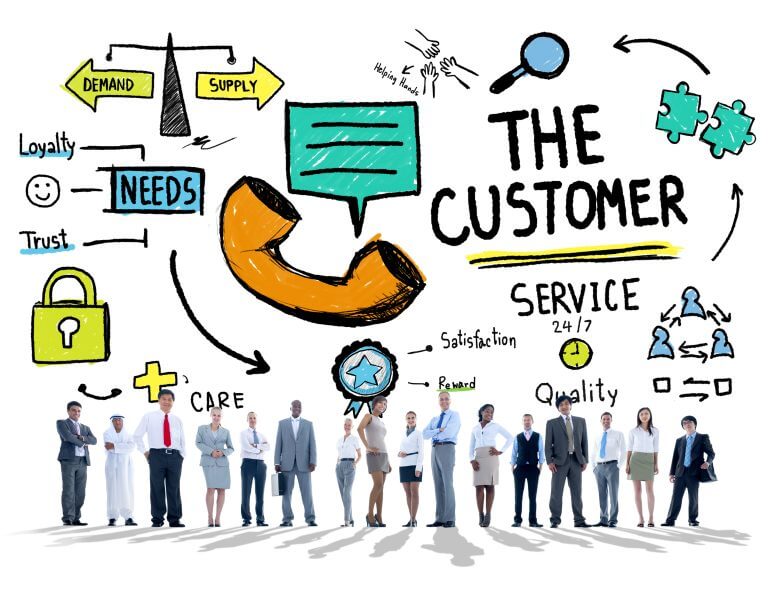
Understanding customer value is essential for any business aiming to succeed today. The purpose of customer value is to create satisfaction and loyalty, leading to long-term relationships that benefit both customers and businesses. When you focus on delivering value, you not only meet customer needs but also foster loyalty, ensuring that customers keep coming back. This, in turn, increases customer lifetime value, positively impacting your bottom line.
To effectively assess and measure customer value, you must consider multiple factors, including customer experience and the personal connection you establish. The strategies you implement can significantly enhance the perceived value your customers receive, leading to higher satisfaction levels. As you explore this topic, you’ll uncover the various ways that customer value shapes the landscape of your business and its overall success.
Key Takeaways
- Customer value is crucial for fostering loyalty and satisfaction.
- Effective strategies can enhance customer experience and perceived value.
- Understanding customer insights is key to driving business growth.
Understanding Customer Value
Customer value is a crucial concept that shapes how businesses interact with their clients. It involves balancing the perceived benefits and costs of a product or service. This section will explore key components of customer value, including its definition and how it relates to customer needs and expectations.
Defining Customer Value
Customer value refers to what customers believe they gain from a product or service compared to what they give up to obtain it. It is shaped by both tangible and intangible factors.
Perceived value plays a significant role here. It is not just about the actual cost but how customers view the total offering. Your perceived benefits might include quality, convenience, and customer service. It’s essential to recognise that emotional costs also come into play. These costs include stress or regret related to purchasing decisions.
Components of Customer Value
Understanding the components of customer value can help you cater to your customers’ needs more effectively.
- Tangible Benefits: These are measurable advantages, such as price, features, and quality. Customers often assess if the benefits justify the costs.
- Intangible Benefits: These may include brand reputation and customer service. Emotional connections to a brand can significantly influence perceptions of value.
- Cost Factors: This not only refers to the price but also involves any emotional costs. For example, buyers may weigh potential regrets against the value they expect to receive.
Your role as a business is to enhance these benefits while minimising perceived costs.
Customer Needs and Expectations
Every customer has specific needs and expectations that drive their purchasing decisions. Understanding these can help you offer better value.
Customers often look for products or services that solve their problems or improve their situation.
- Benefit Recognition: You must ensure that customers clearly see how your offering meets their needs.
- Expectation Management: Being transparent about what your product or service delivers can lead to greater satisfaction.
Meeting these needs effectively encourages customer loyalty, turning one-time buyers into repeat clients. By getting this right, you’ll create lasting relationships built on trust and value.
Assessing and Measuring Customer Value
Understanding how to evaluate and measure customer value is crucial for making informed business decisions. This process involves using various metrics and methods, as well as analysing customer feedback. By applying a mix of quantitative and qualitative approaches, you can gain insights that drive customer satisfaction and loyalty.
Quantitative Metrics
Quantitative metrics provide numerical data to measure customer value effectively. You can use tools like customer surveys and data analysis to gather this information. One common method is the Net Promoter Score (NPS), which measures customer loyalty by asking how likely customers are to recommend your product or service on a scale from 0 to 10.
Another approach is to assess customer lifetime value (CLV), which estimates the total revenue a customer generates during their relationship with your brand. By analysing these metrics, you can identify trends, track changes over time, and benchmark against competitors.
Qualitative Assessments
Qualitative assessments offer a deeper understanding of customer perceptions. These may involve methods like interviews, focus groups, or open-ended survey questions. Such approaches allow you to explore emotions, motivations, and preferences that numbers alone can’t capture.
For example, asking customers what they value about your product can reveal insights into their priorities. Qualitative data can also highlight areas for improvement by uncovering pain points or unmet needs. This information is valuable for refining your offerings and enhancing customer experiences.
Use of Customer Feedback
Customer feedback is a vital resource in assessing value. Regularly collecting feedback through customer surveys can help you identify strengths and weaknesses in your products or services. Questions should focus on aspects such as satisfaction, features, and overall experience.
Listening to customers through reviews and comments can also provide insights that influence your strategy. By analysing this data, you can make informed decisions that align with customer expectations, ultimately driving value and fostering long-term loyalty. Engaging with customers shows that you value their opinions, leading to better relationships and increased retention.
The Role of Customer Experience
Customer experience is critical in shaping how you perceive value as a consumer. It comprises various components that work together to create a unique experience. Understanding these components and how to build a tailored journey can significantly impact your satisfaction and loyalty.
Components of Customer Experience
Customer experience encompasses several key components. These include brand interaction, customer service, and product satisfaction. Each element contributes to how you perceive a brand.
- Brand Interaction: This involves all touchpoints you have with a brand, from their marketing messages to social media engagement. Positive interactions can enhance your perception of the brand.
- Customer Service: Efficient and friendly customer service is essential. When you have questions or issues, a good experience here builds trust and loyalty.
- Product Satisfaction: The quality and performance of a product directly affect your experience. If the product meets or exceeds your expectations, it reinforces your positive perception.
Building a Unique Customer Experience
Creating a unique customer experience requires understanding your audience. You need to know what they value and tailor your approach accordingly.
- Personalisation: Use data to offer personalised experiences. When you feel valued as an individual, your engagement increases.
- Consistency: Ensure that your messaging and service are consistent across all channels. This builds trust and reinforces your brand identity.
- Feedback Mechanisms: Encourage and act on customer feedback. This shows that you value their opinions and are willing to make changes based on their needs.
Customer Journey Mapping
Customer journey mapping is an essential tool for enhancing the customer experience. It involves visualising the steps customers take when interacting with your brand.
- Identify Touchpoints: Map out all the points of interaction, from awareness to post-purchase support. This clarity helps you see where improvements are needed.
- Understand Customer Sentiments: Evaluate the emotions customers may feel at each stage. Recognising pain points allows you to address potential frustrations.
- Optimise the Journey: Use insights from your map to streamline processes. Enhancing the user experience at each touchpoint can lead to higher customer satisfaction.
Focusing on these aspects can ensure that your customer experience efforts resonate well with your audience. This attention to detail ultimately leads to greater customer loyalty and value perception.
Strategies to Increase Customer Value
Increasing customer value involves enhancing your offerings and ensuring customers feel satisfied with their purchases. Implementing effective strategies can lead to loyal customers and better retention.
Improving Product and Service Offerings
You can focus on continuous improvement of your products and services. Gather customer feedback regularly to understand their needs. This could involve surveying or inviting reviews.
Next, consider adding features or enhancing quality based on this feedback. Keeping your offerings relevant boosts perceived value and keeps customers engaged.
Additionally, investing in staff training can elevate customer service. Well-trained staff can address issues promptly and create positive experiences. This personal touch promotes loyalty and satisfaction.
Value for Money and Pricing Strategies
Value for money is crucial for attracting and retaining customers. Ensure your pricing reflects the quality and benefits of your products. You can perform market research to benchmark prices against competitors.
Offering discounts or bundles can also enhance perceived value. For instance, a loyalty programme that rewards repeat purchases not only encourages spending but reinforces loyalty.
You might consider tiered pricing strategies. This gives customers options that align with their budget and needs. Clear communication about what each price tier offers is essential to help customers see the value.
Customer Retention and Loyalty Programmes
Customer retention is vital for increasing long-term value. Implement loyalty programmes that offer tangible rewards. For example, points systems or exclusive discounts can encourage repeat business.
Regular communication with customers helps build relationships. Use newsletters or social media to keep them informed about new products or special offers. This connection can enhance loyalty and prevent churn.
You should also monitor customer behaviour to tailor your approach. Understanding buying patterns allows you to offer personalised incentives. When customers feel valued, they are more likely to stay loyal to your brand.
Customer Service and Support
Customer service is crucial for creating and maintaining customer value. It directly impacts customer satisfaction and loyalty. This section explores key aspects of customer service that enhance the overall experience.
Role of Customer Service Team
The customer service team serves as the face of your company. They handle enquiries, resolve issues, and provide information about your products or services. A well-trained team can significantly affect customer satisfaction.
Your team should be knowledgeable about your offerings and ready to assist customers. They are responsible for creating a positive impression. When customers feel valued and understood, they are more likely to become loyal customers.
Good communication skills are vital for your team. They must listen actively to your customers and respond effectively. This builds trust and encourages customer retention.
Personalised Support
Personalised support is about treating each customer as an individual. It involves understanding their needs and preferences. You can achieve this through tailored interactions based on customer history or feedback.
Utilising data can enhance personalised support. For instance, using previous purchases or support requests to inform your responses shows that you know your customers. This makes them feel special and appreciated.
When customers receive personalised assistance, their satisfaction levels increase. They are more likely to return and recommend your service to others. This can lead to stronger relationships and higher customer loyalty.
After-Sales Service
After-sales service is important for customer relationships. It’s not just about making a sale; it’s about ensuring your customers feel supported afterward. This service includes follow-up calls, surveys, or additional support.
Effective after-sales service helps address any lingering concerns. By being proactive, you can prevent issues from escalating. It also shows your customers that you value their experience beyond the transaction.
This support can lead to repeat purchases. When customers know they can rely on you for help after a sale, they are more likely to return. Building this trust can enhance customer loyalty and lead to long-term success for your business.
The Impact of Customer Value on Business Outcomes
Understanding customer value is crucial for shaping effective business strategies. It influences various factors, including financial growth, customer loyalty, and brand reputation. Here’s how customer value directly impacts business outcomes.
Customer Lifetime Value (CLV) and Business Growth
Customer Lifetime Value (CLV) quantifies the total revenue you can expect from a customer throughout their relationship with your business. A higher CLV means that you can invest more in acquiring and retaining customers.
For example, if a customer regularly spends £100 a month for two years, your CLV for that customer is £2,400. Focusing on enhancing customer value can increase this figure. Strategies like personalised service or loyalty programmes boost retention rates and extend customer relationships. The more customers see value, the more likely they are to remain loyal, directly contributing to your business growth.
Word-of-Mouth Referrals and Brand Reputation
Customer value significantly influences word-of-mouth referrals. When customers perceive high value in your products or services, they are more likely to speak positively about their experiences. This can lead to organic referrals, which can be more persuasive than traditional advertising.
Brand reputation thrives on these referrals. Satisfied customers often share their experiences with friends and on social media. Positive word-of-mouth can attract new customers, enhancing your brand’s image and visibility. In a competitive market, a strong reputation built on customer value can differentiate you from competitors and drive business success.
Repeat Business and Profitability
Providing excellent customer value leads to repeat business, which is vital for profitability. Customers who find value are more likely to return for additional purchases. For instance, with a focused loyalty programme, you can incentivise repeat purchases by rewarding returning customers with discounts or exclusive offers.
Regular customers tend to spend more over time, significantly boosting your revenue. Additionally, retaining existing customers is often less expensive than acquiring new ones. By consistently delivering value, you ensure that your customers keep coming back, which ultimately enhances your bottom line.
Evaluating Costs and Benefits
Understanding how to evaluate costs and benefits is crucial for determining customer value. You need to assess both what customers gain and what they spend, including monetary and non-monetary aspects. This analysis helps clarify the overall value proposition you offer.
Analysing Tangible and Intangible Elements
Tangible elements refer to measurable costs and benefits, such as money spent on a product, time saved, or physical goods received. You can quantify these easily. Examples include lowering shipping costs or increasing productivity.
Intangible elements, however, are less straightforward. These include customer satisfaction, brand loyalty, and perceived quality. While you can’t measure them directly in monetary terms, they significantly influence customer decisions. Understanding both types allows you to present a more complete picture of value to your customers.
Calculating Value Equations
The customer value equation is a useful tool in summarising how benefits compare to costs. A simple formula includes:
Customer Value = Total Customer Benefits – Total Customer Costs
In this equation, you consider both tangible and intangible aspects. Adjusting these components can lead to different outcomes. For instance, increasing customer benefits while keeping costs stable can enhance perceived value.
You might also segment value calculations by customer types to tailor your approaches. This ensures that you align your offerings with what matters most to different groups, improving outcomes.
Optimising Return on Investment
To maximise return on investment (ROI), it’s important to focus on cost management and enhancing customer benefits. Identify areas to reduce costs without compromising quality. For example, you could streamline processes to cut down on time and effort spent.
Additionally, you should continuously gather feedback to refine your offerings. A strong understanding of customer needs enables you to adapt. This approach not only increases perceived value but also influences loyalty and long-term satisfaction.
In summary, effectively evaluating costs and benefits gives you a stronger grasp of customer value and can influence strategic decisions.
Incorporating Diverse Forms of Value
Understanding various forms of value is crucial for creating a strong customer connection. Different types of value can enhance customer satisfaction and loyalty, benefiting both you and your customers.
Social and Psychological Value
Social value includes the benefits customers gain through social interactions and societal recognition. When your product or service enhances their social status or helps them fit in, it becomes more appealing.
Psychological value relates to how a product makes customers feel. Positive feelings linked to your brand can encourage repeat purchases. For example, brands that promote wellness can resonate deeply with customers looking for self-improvement.
Fostering social and psychological value can pave the way for stronger customer relationships. Your messaging can influence how customers perceive their social standing and mental satisfaction through your offerings.
Functional and Monetary Value
Functional value pertains to the practical benefits of your product or service. This includes features like durability, efficiency, and overall performance that meet customer needs effectively.
Monetary value, on the other hand, focuses on the price element. The idea is to offer products that provide good value for money. If customers believe they are getting more than what they pay for, they are likely to remain loyal.
Balancing functional and monetary values can enhance the overall value proposition. You should aim to deliver quality while ensuring competitive pricing to satisfy your target market.
Leveraging Emotional Connections
Building emotional connections with customers can significantly increase their lifetime value. When consumers feel a strong bond with your brand, they are more likely to become repeat buyers.
This emotional engagement often surpasses mere functional benefits. For example, storytelling and branding efforts that resonate with customers’ values can create lasting impressions.
Emotional cost also plays a role; if something is difficult for customers to let go of, they tend to stay loyal. Thus, emphasising your brand’s emotional appeal can strengthen customer loyalty and drive repeat engagements.
Leveraging Market Research and Customer Insights
Effective use of market research and customer insights is essential in meeting customer needs and expectations. This section will explore how you can understand market demands, gather and analyse customer data, and align your offerings with customer expectations.
Understanding Market Demands
Understanding market demands is crucial for any business. You need to identify changing customer preferences and industry trends. Conduct surveys or focus groups to gain direct feedback from potential customers. This will help you grasp what is in high demand and what is fading in interest.
Using tools such as SWOT analysis can clarify your position in the market. A SWOT analysis helps you evaluate your strengths, weaknesses, opportunities, and threats. This assessment will inform your strategies, allowing you to adapt to market changes effectively.
Gathering and Analysing Customer Data
Collecting customer data is the backbone of effective market research. You can gather data from various sources, such as social media, website analytics, and customer feedback forms. Each platform provides valuable insights into customer behaviours and preferences.
Once you have the data, analysing it is essential. Look for patterns that highlight customer needs and expectations. For example, if data shows customers frequently abandon purchases at a certain point in the checkout process, it signals a problem that needs addressing. Analysing data not only improves customer satisfaction but also helps in decision-making.
Aligning Offerings with Customer Expectations
Aligning your products or services with customer expectations involves more than just understanding what customers want. You must also ensure that your marketing messages and customer service reflect those expectations.
Create tailored marketing campaigns based on the data you have collected. This may include personalising emails or offering promotions that resonate with your target audience. Additionally, ensure your customer support teams are trained to handle specific inquiries related to customer needs.
Regularly revisiting customer feedback is vital. This will help you stay updated on evolving expectations. Making adjustments based on this feedback fosters customer loyalty and enhances overall satisfaction.
The Role of Marketing in Customer Value
Marketing plays a crucial role in shaping customer value by effectively communicating the benefits of a product or service. It helps customers understand what they gain and builds a strong brand reputation. Here’s how marketing contributes to customer value.
Marketing Strategies for Highlighting Value
Effective marketing strategies are essential for showcasing customer benefits. You can use targeted messaging to highlight how your product solves specific problems.
Consider employing content marketing. Providing valuable information not only attracts customers but also establishes trust. For example, case studies or testimonials can demonstrate real-life benefits.
Offering promotions can also enhance perceived value. Discounts or bundles make customers feel they are getting more for their money. This approach encourages customer loyalty and repeat purchases.
Communicating Value Proposition
The value proposition is the promise of what you offer to customers. Clearly communicating this can improve your brand’s perceived value. Make sure to articulate not just what your product does but how it benefits the customer.
Using straightforward language helps customers quickly grasp what makes your product unique. Visual aids like infographics can also illustrate benefits more effectively.
Consistent messaging across all channels reinforces the brand’s reputation. Use social media to engage directly with customers, allowing them to share their experiences, which further enhances trust and value perception.
Brand Positioning and Perceived Value
Brand positioning is about how you want your customers to view your brand in relation to competitors. This perception significantly influences customer value.
To effectively position your brand, identify your unique selling points (USPs). Ensure these USPs resonate with customer needs and desires. For example, if sustainability matters to your target audience, highlight your eco-friendly practices.
Additionally, maintain a positive brand reputation through excellent customer service. Responding promptly to inquiries and addressing concerns builds goodwill. Satisfied customers are likely to recommend your brand, enhancing its perceived value.
Frequently Asked Questions
Understanding customer value is essential for successful marketing and business strategy. Your approach to customer value can directly impact how well your business meets customer expectations and drives growth.
What are the key reasons for prioritising customer value in marketing?
Prioritising customer value helps you create stronger relationships with your customers. It allows you to tailor your products or services to meet their specific needs, leading to higher satisfaction and loyalty. This focus can also differentiate your brand in a crowded market.
How do customer value considerations influence a business’s success?
When you consider customer value, you align your offerings with what customers truly want. This alignment boosts sales and retention rates. Furthermore, businesses that focus on customer value often see enhanced brand reputation and market share.
Can you detail some examples that illustrate the concept of customer value?
An airline that offers extra legroom and personalised service provides customer value by enhancing comfort. Similarly, a restaurant that uses local, fresh ingredients may attract customers who value quality and sustainability. These examples show how focusing on customer needs can lead to tangible benefits.
In what ways is the customer value proposition crucial for a company?
The customer value proposition clearly communicates the benefits your product offers. It helps you attract new customers by highlighting what sets you apart from competitors. A strong proposition can also guide your marketing strategies and customer engagement efforts.
Why is customer value analysis important for understanding market trends?
Conducting a customer value analysis enables you to identify changes in consumer preferences. By monitoring shifts in customer expectations, you can adapt your offerings accordingly. This proactive approach keeps you relevant and competitive in the evolving market landscape.
How do various types of customer value contribute to customer satisfaction?
Different types of customer value, such as functional, emotional, and social, play important roles in satisfaction. Functional value relates to the effectiveness of your product, while emotional value connects with customers on a deeper level. By recognising and addressing these types, you can enhance overall customer satisfaction.