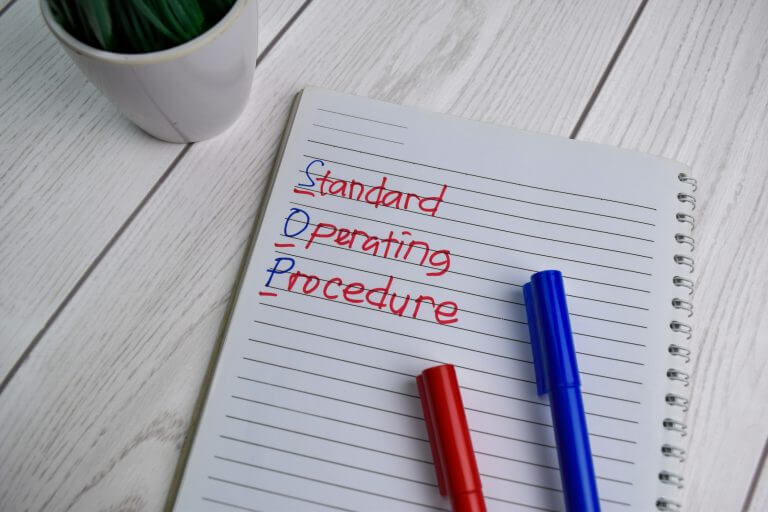
Understanding the difference between a procedure and a standard operating procedure (SOP) is crucial for anyone involved in business operations. A procedure is a set of instructions that describe how a specific task or process should be performed.
It may vary depending on who is doing the task and the circumstances under which it is done. In contrast, a standard operating procedure (SOP) is a detailed, written instruction to achieve uniformity in the performance of a specific function.
An SOP ensures tasks are carried out consistently and correctly every time, regardless of who performs them.
You might wonder why distinguishing between these two is so important. In the workplace, clear and well-documented procedures and SOPs can streamline operations, reduce errors, and ensure compliance with regulatory requirements. For instance, in the medical field, standard operating procedures can be the difference between life and death.
To effectively improve your business processes, you need to recognise when to use a procedure and when an SOP is necessary. Procedures offer flexibility and are ideal when tasks require some level of adaptation.
On the other hand, SOPs provide a rigid framework, ensuring that tasks are completed correctly and consistently every time, which is critical in regulated industries and for maintaining quality standards.
Key Takeaways
- A procedure is a set of instructions for a task.
- An SOP ensures tasks are performed consistently and correctly.
- Recognising the difference can improve efficiency and compliance.
Understanding Procedures and SOPs
Knowing the difference between a procedure and a standard operating procedure (SOP) can help you follow specific guidelines and maintain compliance in various activities. This section explores their definitions and differentiating factors.
Definition of a Procedure
A procedure is a series of steps or actions taken to achieve a specific result. It is a detailed description of how to perform tasks and activities. Procedures are often used in various settings, such as offices, factories, and laboratories. They help ensure tasks are completed consistently and efficiently. Procedures are essential for maintaining quality and consistency in operations. They can cover a wide range of tasks, from routine activities to complex processes. Procedures often link to company policy, outlining what needs to be done and how it should be done.
Definition of an SOP
A Standard Operating Procedure (SOP) is a more formal document that describes in detail how to perform a given operation. It includes specific guidelines and protocols to ensure compliance and safety. SOPs are critical in regulated industries like healthcare, pharmaceuticals, and manufacturing. They help maintain high standards and reduce variability in processes. SOPs are typically reviewed and updated regularly to reflect changes in regulations or improved methods. They are meant to be clear and unambiguous, so anyone can follow them without prior experience. An SOP often includes sections like purpose, scope, and responsibilities.
Differentiating Factors
While both procedures and SOPs aim to standardise activities, they have distinct differences. A procedure can be more flexible and adaptable to various situations. An SOP, on the other hand, is usually rigid and must be followed exactly as written. SOPs are more comprehensive and include details such as the purpose of the task, the scope of application, and the roles and responsibilities involved. They are often required for compliance with industry standards and regulations. Procedures may not have this level of detail and are less likely to be used for compliance. SOPs are typically reviewed and approved by higher authorities and often include measures for accountability and audits.
Role in Business Operations
Standard Operating Procedures (SOPs) and procedures influence various aspects of business operations, such as achieving organisational goals, ensuring consistency and quality control, and enhancing performance and productivity. These elements help create a structured and efficient working environment.
Influence on Organisational Goals
SOPs and procedures serve as a roadmap for achieving your business goals. They ensure that employees understand their roles and responsibilities. Clear instructions help in minimising errors and aligning tasks with organisational objectives. This alignment ensures that everyone is working towards the same targets. SOPs provide guidelines for decision-making and problem-solving, which is vital for maintaining the focus on long-term goals. By establishing a standard operating method, you can streamline activities to achieve business milestones more effectively.
Impact on Consistency and Quality Control
Consistency is crucial for maintaining quality. SOPs standardise processes, ensuring that every task is performed the same way every time. This uniformity is essential for quality control, as it reduces variability in output. Customers expect consistent quality; having SOPs in place helps you meet these expectations. Quality control becomes more manageable when everyone follows the same procedures. This results in fewer mistakes and higher customer satisfaction. Implementing SOPs allows for quick identification and correction of errors, further enhancing the quality of your products or services.
Performance and Productivity Enhancement
Efficient business operations rely on enhanced performance and productivity. SOPs and procedures outline the most effective ways to complete tasks, reducing time wastage and resource misuse. Clearly defined procedures improve employee performance by eliminating confusion and providing clear instructions. Productivity levels increase when employees know exactly what is expected of them. SOPs also facilitate training for new employees, as they provide a clear framework for learning. This ensures that new staff members become productive quickly, contributing to overall business efficiency.
Development and Implementation
Creating a procedure and an SOP involves specific steps with detailed instructions. These processes ensure tasks are completed effectively and consistently.
Creating an Effective SOP
You must start by defining the purpose of the SOP. This helps you keep the document focused. Identify the tasks and processes that need standardisation. Break down these tasks into specific, granular steps. Each step should be clear and easy to follow.
Organise the steps in a logical sequence. Use bullet points or numbered lists to make them easy to read. You may also include tables or flowcharts for complex procedures. Make sure the format is consistent throughout the document. This improves readability and reduces confusion.
Testing the SOP is crucial. It ensures the instructions are effective and practical. Get feedback from those who will use the SOP. Revise as needed based on their input. Document control is also important. Track versions of the SOP to keep it updated.
Steps for Implementing a Procedure
The first step is to communicate the procedure clearly. Explain its importance and how it fits into the broader workflow. Provide manuals or guides for reference. Ensure everyone involved understands their roles.
Training is essential. Conduct workshops or training sessions to walk through the procedure step-by-step. This ensures everyone knows what to do and when to do it. Use examples to explain complex parts of the procedure.
Monitor the implementation. Gather feedback and make adjustments as needed. This involves observing how the procedure is followed in real situations. Look for any issues that may arise and address them promptly.
Finally, update the procedure if necessary. Keep track of changes and make sure everyone is informed. This makes the procedure more effective and ensures it remains relevant over time.
Adaptability and Continuous Improvement
Adaptability and continuous improvement are critical for ensuring that your processes and documentation remain effective and relevant. They involve updating procedures and standard operating procedures (SOPs) to keep pace with changing business needs and emerging challenges.
Evolving Business Needs
Businesses face evolving challenges and must remain flexible to survive. Continuous improvement helps you to respond effectively. You should analyse current performance against key metrics like customer satisfaction and productivity to identify areas for process improvement.
Creating flowcharts and specific instructions can help in clarifying complex procedures. By regularly researching new technologies and industry trends, you keep your processes aligned with best practices. This continual process of assessing and adapting is fundamental to maintaining optimal performance.
Revising and Updating Documentation
To stay adaptable, you need to regularly update your procedures and SOPs. Documentation must reflect the latest practices and technologies. Regularly revising content allows you to stay relevant.
Print or digital Standard Operating Procedures (SOPs) need to be checked against real-world performance. Use tools like feedback forms and process evaluations to gather insights. Make revisions based on these assessments to enhance flexibility and usefulness for your team.
For more detailed aspects of maintaining effective SOPs, you could explore the method of integrating adaptability into SOPs to handle complex scenarios here and specific tactics for continuous improvement in organisations here.
Human Element of Procedures and SOPs
The human element of procedures and Standard Operating Procedures (SOPs) can greatly impact their effectiveness. Employee training, onboarding, and maintaining accountability among team members are crucial factors to consider.
Employee Training and Onboarding
Proper training and onboarding are vital to ensure employees understand and follow procedures and SOPs. New employees benefit from structured training that includes clear work instructions and job aids. These tools help reduce inconsistency and ensure workplace safety.
Subject matter experts play a key role in training. They provide in-depth knowledge and practical insights to new team members. This support helps new employees grasp complex procedures quickly.
Regular refresher training sessions can minimise turnover rates and maintain high standards. Training should focus on the specific needs of the team, including emergency procedures in healthcare and other high-risk fields.
Accountability and Responsibility in Teams
Accountability within teams is essential for the successful implementation of procedures and SOPs. Clear roles and responsibilities should be defined to ensure everyone knows their tasks. This helps prevent errors and promotes efficiency.
Regular reviews and audits can hold team members accountable for following procedures correctly. Accountability can also be reinforced through a positive workplace culture that encourages adherence to health and safety standards.
Encouraging open communication within the team about procedure-related issues can lead to improvements and foster a culture of safety and responsibility. Making everyone feel responsible for their part in the process boosts compliance and overall efficiency.
Regulatory Aspects and Compliance
Ensuring compliance with regulations is critical in maintaining the quality and safety of products and services. This involves adhering to legal standards, quality control, and comprehensive protocols.
Adhering to Standards and Regulations
You must align procedures with both national and local regulations to maintain product and service quality. This ensures your operations meet specific legal standards, e.g., P1650/602 regulations, which govern labelling and packaging. Detailed Standard Operating Procedures (SOPs) must be crafted to comply with these regulations.
Quality control mechanisms ensure your procedures meet regulatory demands consistently. By using SOPs that align with regulations, your processes remain compliant, which boosts customer satisfaction and reduces legal risks. Continuous review and updates of these SOPs are necessary to stay current with any changes in regulations.
Ensuring Safety and Legal Compliance
Safety and legal compliance in your operations rely heavily on your adherence to detailed SOPs. This encompasses ensuring all policies and procedures meet applicable local, state, and federal laws. Compliance teams often work alongside other departments to craft effective compliance guides that cover day-to-day activities.
Effective enforcement of safety protocols is essential. This involves regular training and updates for staff to ensure they understand and follow the required guidelines. Documentation of these processes not only helps in maintaining compliance but is also critical in audits and inspections, ensuring your organisation avoids penalties and maintains the highest standards of operation.
Utilising Tools and Technologies
When utilising tools and technologies for procedures and SOPs, it’s important to focus on automation and visual aids that can streamline workflows.
Software and Automation for SOPs
Software can automate many aspects of SOPs. Process management tools help you organise and track core processes. They ensure that each step of the workflow is followed precisely.
Examples of software include:
- Task management systems: These software applications organise tasks, set deadlines, and monitor progress.
- Workflow automation tools: These platforms automate repetitive activities, reducing manual effort and the chance of errors.
In manufacturing, automation can standardise production tasks, ensuring consistency. Automated software can send alerts for any deviations from the SOP, ensuring adherence to protocols. This technology not only improves accuracy but also speeds up operations, allowing employees to focus on more complex tasks.
Interactive and Visual Aids
Interactive and visual aids like videos and screenshots make SOPs easier to understand. Video tutorials can demonstrate complex procedures, present step-by-step instructions and provide visual examples.
Visual aids include:
- Screenshots: These offer clear illustrations of digital steps in a process.
- Infographics: Simplify data and process flows with visual storytelling.
For work instructions, using visual tools helps in better retention and comprehension. Interactive tools can include clickable workflows that guide users through each step of an SOP. These aids are especially useful in industries where visual precision is crucial, such as manufacturing or process management.
By integrating these technologies, you can enhance the clarity and accessibility of SOPs, making them more effective and easier to follow.
Measuring Outcomes and Performance
Understanding how to effectively measure outcomes and performance is vital for evaluating the efficiency of Standard Operating Procedures (SOPs) and the effectiveness of procedures. Key points include using specific metrics and aligning goals to ensure quality and consistency.
Metrics for Assessing SOP Efficiency
Metrics are crucial for assessing the efficiency of SOPs. Common metrics include time to complete tasks, error rates, and compliance rates.
For example, you can track the time each step of the SOP takes, which helps pinpoint delays. Error rates reveal how consistently the SOP is being followed. High compliance rates indicate that workers are adhering to the SOP, reflecting reliability and consistency.
Accuracy is another important metric. You should check if the tasks are being completed correctly according to the SOP. Any deviation might indicate a need for SOP revision or additional training. Collecting data regularly helps to maintain the quality of work.
Procedure Effectiveness and Goal Alignment
Assessing procedure effectiveness involves measuring how well the procedure meets its intended goals. Objectives should be clear and specific, allowing you to evaluate performance accurately.
Outcome-based metrics can include the success rate of achieving the desired result, such as a successful surgery or a resolved customer complaint. Alignment with broader organisational goals is also crucial. For example, if a procedure aims to improve customer satisfaction, your metrics should include customer feedback and satisfaction scores.
Another key point is consistency. Repeatedly achieving the desired outcomes indicates that the procedure is effective and well-aligned with your organisational goals. You can use step-by-step observations to ensure procedures are followed correctly, which helps in maintaining accuracy and efficiency.
Conclusion
A procedure is a detailed set of steps guiding you through a specific task, often addressing one part of a broader workflow. It breaks down complex tasks into manageable actions that you can follow.
An SOP (Standard Operating Procedure), on the other hand, is a comprehensive document that describes how your organisation conducts various tasks. SOPs ensure consistency and repeatability across processes, capturing the best methods gathered over time.
Summary of Key Differences
| Aspect | Procedure | SOP |
|---|---|---|
| Detail Level | Specific steps in a task | Overall methodology and workflow |
| Purpose | Guide on completing a particular action | Ensure standardisation and efficiency |
| Scope | Narrow, single-task focus | Broader, multi-task focus |
| Usability | For individual use | For organisational-wide use |
Hierarchy and Importance
In the hierarchy of workflows, SOPs sit at a higher level, providing a structure within which individual procedures fit. SOPs lay out the series of processes and procedures necessary to achieve a task, maintaining your organisation’s values and goals. Procedures are components within this broader system.
Why SOPs and Procedures Matter
Value and Repeatability: SOPs ensure your tasks are executed in a repeatable and reliable manner. Whether onboarding new staff or standardising tasks, they provide value through consistency.
Workflow and Efficiency: Implementing SOPs streamlines your workflows, boosting efficiency and reducing errors. Procedures within SOPs enable clear, precise actions that align with your goals.
By understanding the distinction between procedures and SOPs, you can use each effectively within your organisation to improve your operations and uphold your standards.
Frequently Asked Questions
Understanding the distinctions between standard operating procedures (SOPs), work instructions, policies, guidelines, and methods of procedure is essential. Here, we’ll address some of the common questions people have about these concepts and how to draft effective procedures.
What distinguishes a standard operating procedure from a typical work instruction?
A standard operating procedure (SOP) provides a detailed step-by-step guide to perform specific tasks consistently. A typical work instruction, on the other hand, often focuses on a single job or task within a broader SOP, offering finer details on how to complete that task.
How does one delineate between a policy and a standard operating procedure?
A policy outlines the high-level rules and principles that govern an organisation. It describes what needs to be done and why. In contrast, an SOP specifies the exact steps required to implement these policies, detailing how tasks should be carried out to comply with the policies.
In what ways do guidelines differ from both standard operating procedures and policies?
Guidelines offer recommended practices and advice on performing tasks. They are not mandatory. In contrast, SOPs are mandatory procedures ensuring tasks are performed consistently. Policies set the overarching rules that both SOPs and guidelines should align with.
Could you outline the key distinctions between a method of procedure and a standard operating procedure?
A method of procedure (MOP) typically details the exact steps to perform specific functions or operations, often in technical fields. An SOP, while also detailed, can cover a wider range of procedures and is more comprehensive, incorporating policies and guidelines to ensure uniformity.
What principles should be followed when drafting a procedure within a standard operating procedure?
When drafting a procedure within an SOP, clarity and simplicity are key. Use precise language, break down tasks into sequential steps, and ensure consistency with overarching policies. Including visuals or diagrams can also help in explaining complex steps.
What does ‘SOP’ signify within the context of procedural documentation?
Within procedural documentation, ‘SOP’ stands for Standard Operating Procedure. It represents a set of written instructions detailing the regular recurring activities of an organisation, designed to ensure that tasks are performed consistently and correctly each time.