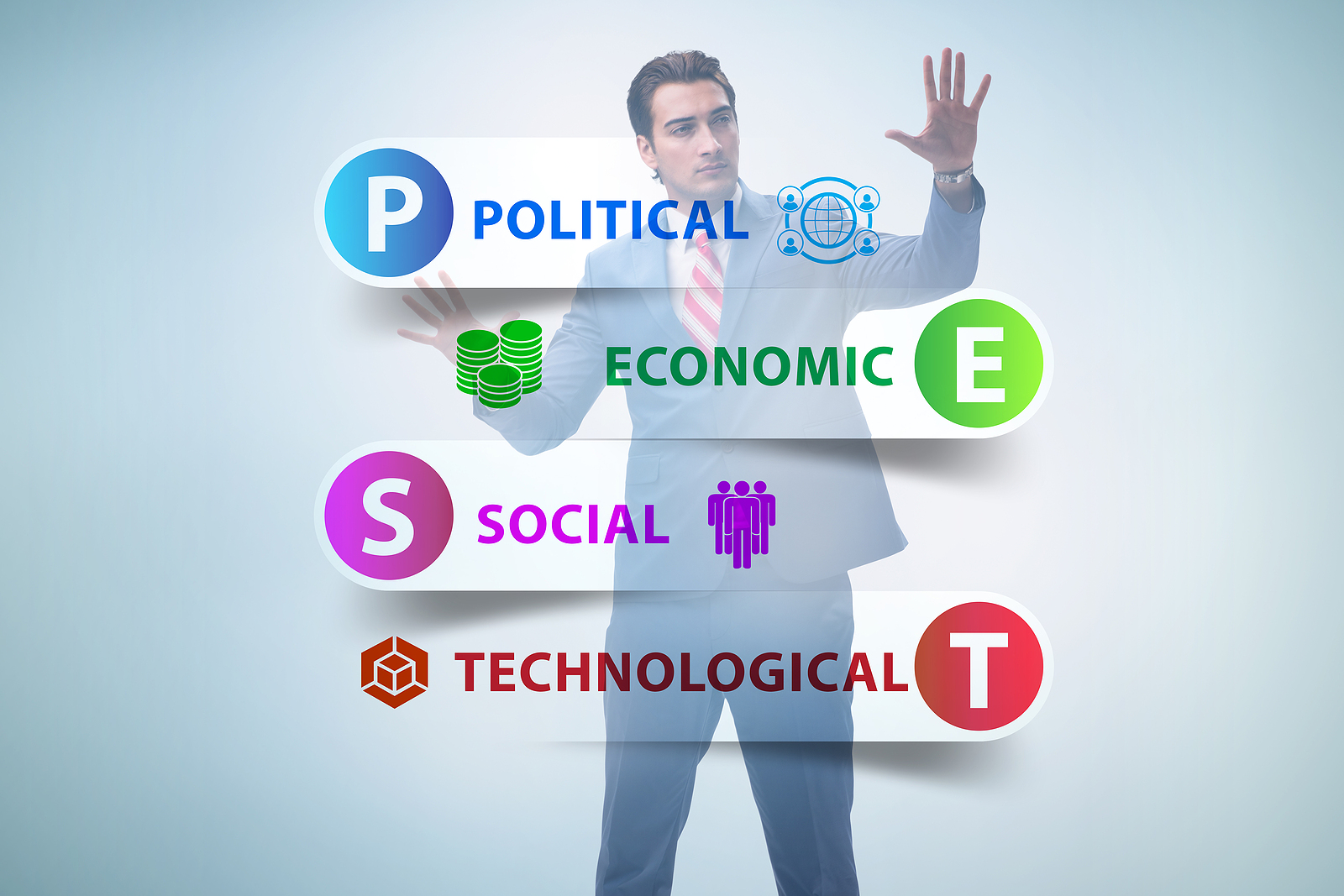
If you’re looking to develop a comprehensive understanding of the external factors that may impact your business, then PESTLE analysis is a great place to start. PESTLE analysis is a strategic tool used to evaluate the political, economic, social, technological, legal, and environmental factors that may impact an organization, industry, or market. By analyzing these factors, businesses can identify opportunities and threats, and adjust their strategies accordingly.
PESTLE analysis is a widely used tool across different industries, including healthcare, finance, retail, and technology. It can help businesses identify emerging trends and changes in the market, as well as the potential risks associated with those changes. PESTLE analysis can also be used to evaluate the impact of global trends on a business, such as climate change, technological advancements, and geopolitical events.
In summary, PESTLE analysis is a valuable tool for businesses looking to evaluate the external factors that may impact their operations. By analyzing the political, economic, social, technological, legal, and environmental factors, businesses can identify opportunities and threats, and adjust their strategies accordingly. PESTLE analysis is widely used across different industries and can help businesses identify emerging trends and changes in the market.
Understanding PESTLE Analysis
If you are looking for an effective way to assess your business environment, then PESTLE analysis is a great tool to use. PESTLE stands for Political, Economic, Sociocultural, Technological, Legal, and Environmental factors. It is a strategic framework that helps you to identify the external factors that can have an impact on your business operations.
PESTLE analysis is one of the most popular business analysis tools out there. It is used by companies of all sizes and across different industries to understand the macro-environmental factors that can affect their business. By conducting a PESTLE analysis, you can gain valuable insights into the market, identify potential opportunities and threats, and make informed decisions.
Let’s take a closer look at each of the factors that make up PESTLE analysis:
- Political: This factor refers to the impact of government policies, regulations, and political stability on your business. It can include factors such as tax policies, trade restrictions, and political unrest.
- Economic: This factor refers to the economic conditions that can affect your business. It can include factors such as inflation, interest rates, and exchange rates.
- Sociocultural: This factor refers to the social and cultural factors that can affect your business. It can include factors such as demographics, lifestyle trends, and cultural norms.
- Technological: This factor refers to the impact of technology on your business. It can include factors such as innovation, automation, and digital disruption.
- Legal: This factor refers to the impact of laws and regulations on your business. It can include factors such as employment law, health and safety regulations, and intellectual property laws.
- Environmental: This factor refers to the impact of environmental factors on your business. It can include factors such as climate change, natural disasters, and sustainability.
By conducting a PESTLE analysis, you can identify the external factors that can affect your business and develop strategies to mitigate the risks and take advantage of the opportunities. It is a powerful tool that can help you to stay ahead of the competition and achieve your business goals.
Components of PESTLE Analysis
PESTLE analysis is a tool used to analyze the external macro-environmental factors that affect an organization. It is an acronym for Political, Economic, Sociological, Technological, Legal, and Environmental factors.
Political Factors
Political factors refer to the government policies and legislative changes that can affect an organization. These factors include international relations, laws and regulations, and political stability. Political instability can lead to uncertainty and risk for businesses.
Economic Factors
Economic factors refer to the state of the economy and its impact on businesses. These factors include inflation, tax policies, employment rates, and recessions. Businesses need to consider these factors when making decisions about pricing, investment, and expansion.
Sociological Factors
Sociological factors refer to the cultural and social factors that can affect an organization. These factors include demographics, population growth, age distribution, health consciousness, and career attitudes. Understanding these factors can help businesses tailor their products and services to meet the needs of their target audience.
Technological Factors
Technological factors refer to the advancements and innovations that can impact an organization. These factors include artificial intelligence (AI), automation, and digitalization. Understanding these factors can help businesses stay competitive and adapt to changing technologies.
Legal Factors
Legal factors refer to the rules and regulations that businesses must comply with. These factors include tax policies, legislative changes, and laws and regulations. Businesses need to understand these factors to avoid legal issues and penalties.
Environmental Factors
Environmental factors refer to the impact of climate change and global warming on businesses. These factors include sustainability, waste management, and renewable energy. Understanding these factors can help businesses reduce their environmental impact and improve their sustainability practices.
In conclusion, PESTLE analysis is a useful tool for businesses to analyze the external macro-environmental factors that can affect their operations. By understanding these factors, businesses can make informed decisions and stay competitive in their industry.
Importance of PESTLE Analysis
If you are a business owner or involved in strategic planning in an organisation, PESTLE analysis is an essential tool that can help you make informed decisions. PESTLE analysis is a framework used to understand the external environment in which a business operates and to identify the opportunities and threats that may impact the business.
PESTLE stands for Political, Economic, Social, Technological, Legal, and Environmental factors. By analyzing these factors, you can gain a better understanding of the market, competitors, and other external factors that may impact your business.
PESTLE analysis is an important tool in decision-making. It can help you to identify factors that may affect your business and develop strategies to mitigate risks and take advantage of opportunities. It is also useful for identifying trends and changes in the market, which can help you stay ahead of the competition.
PESTLE analysis is particularly useful in strategic planning. It can help you to develop a clear understanding of the external environment and to identify the key factors that will drive your business forward. By using PESTLE analysis, you can develop a strategic plan that is aligned with the external environment, and that takes into account the opportunities and threats that may arise.
In summary, PESTLE analysis is an essential tool for any business owner or organisation involved in strategic planning. By analyzing the external environment, you can gain a better understanding of the market, competitors, and other external factors that may impact your business. This will enable you to make informed decisions and develop strategies that will help you stay ahead of the competition.
PESTLE Analysis in Different Industries
PESTLE analysis is a useful tool for identifying the opportunities and threats in different industries. By analysing the political, economic, social, technological, legal, and environmental factors that affect an industry, businesses can gain insights into the market and make informed decisions.
Industry
PESTLE analysis can help businesses understand the broader industry trends and factors that affect their industry. For example, in the healthcare industry, political factors such as government regulations and policies can have a significant impact on the industry’s growth and profitability. Economic factors such as inflation, interest rates, and healthcare spending can also affect the industry. Social factors such as changing demographics and consumer preferences can influence the demand for healthcare services.
Market
PESTLE analysis can also help businesses understand the market they operate in. By analysing the factors that affect the market, businesses can identify opportunities and threats. For example, in the retail industry, technological factors such as the growth of e-commerce and mobile commerce can have a significant impact on the market. Economic factors such as consumer spending and disposable income can also affect the market. Social factors such as changing consumer preferences and lifestyle trends can influence the demand for certain products.
Target Market
PESTLE analysis can help businesses understand their target market. By analysing the factors that affect their target market, businesses can develop targeted marketing strategies. For example, in the fashion industry, social factors such as changing fashion trends and consumer preferences can influence the demand for certain products. Technological factors, such as the growth of social media, can also affect the target market.
Competitors
PESTLE analysis can also help businesses understand their competitors. By analysing the factors that affect their competitors, businesses can identify opportunities and threats. For example, in the automotive industry, technological factors such as the growth of electric vehicles can have a significant impact on the industry. Economic factors such as the cost of production and raw materials can also affect the industry. Legal factors such as government regulations and safety standards can also influence the industry.
In conclusion, PESTLE analysis is a useful tool for businesses to gain insights into different industries, markets, target markets, and competitors. By analysing the political, economic, social, technological, legal, and environmental factors that affect an industry, businesses can make informed decisions and develop effective strategies.
PESTLE Analysis and External Factors
PESTLE analysis is a strategic tool that helps you understand the external factors that can affect your business. The acronym PESTLE stands for Political, Economic, Sociocultural, Technological, Legal, and Environmental factors. These factors are outside your control, but they can have a significant impact on your business. By understanding these factors, you can develop strategies to mitigate risks and take advantage of opportunities.
Political Factors
Political factors refer to the impact of government policies and regulations on your business. Political instability, changes in tax laws, and trade restrictions are examples of political factors that can affect your business. You need to keep up to date with the latest political developments and adjust your strategies accordingly.
Economic Factors
Economic factors refer to the impact of the economy on your business. Factors such as inflation, interest rates, and exchange rates can affect your business. You need to be aware of economic trends and adjust your strategies accordingly.
Sociocultural Factors
Sociocultural factors refer to the impact of society and culture on your business. Factors such as demographics, lifestyle changes, and cultural norms can affect your business. You need to be aware of these factors and adjust your strategies accordingly.
Technological Factors
Technological factors refer to the impact of technology on your business. Factors such as new technologies, automation, and innovation can affect your business. You need to keep up to date with the latest technological developments and adjust your strategies accordingly.
Legal Factors
Legal factors refer to the impact of laws and regulations on your business. Factors such as health and safety regulations, employment laws, and data protection laws can affect your business. You need to be aware of these factors and ensure that your business complies with all relevant laws and regulations.
Environmental Factors
Environmental factors refer to the impact of the environment on your business. Factors such as climate change, pollution, and resource depletion can affect your business. You need to be aware of these factors and develop strategies to reduce your environmental impact.
In summary, PESTLE analysis helps you understand the external factors that can affect your business. By understanding these factors, you can develop strategies to mitigate risks and take advantage of opportunities. Political, economic, sociocultural, technological, legal, and environmental factors all play a role in shaping the business environment. You need to be aware of these factors and adjust your strategies accordingly.
PESTLE Analysis and Global Trends
If you want to stay ahead of the competition in today’s global marketplace, you need to be aware of the macro-environmental factors that can impact your business. PESTLE analysis is a powerful tool that can help you identify these factors and assess their impact on your business.
Global trends are an important part of the macro-environmental factors that can affect your business. PESTLE analysis can help you identify these trends and assess their impact on your business. Some of the global trends that you should be aware of include:
- Economic trends: changes in global GDP, inflation rates, and interest rates can all have a significant impact on your business.
- Technological trends: advances in technology can create new opportunities for your business, but they can also pose threats if you are not able to keep up.
- Social trends: changes in consumer behaviour and preferences can impact your business, especially if you are in the consumer goods or services industry.
- Environmental trends: increasing concerns about climate change and environmental sustainability can impact your business, especially if you are in the energy or manufacturing sector.
- Political trends: changes in government policies and regulations can impact your business, especially if you operate in a highly regulated industry.
- Legal trends: changes in laws and regulations can impact your business, especially if you operate in a highly regulated industry.
It is important to keep abreast of these global trends and assess their impact on your business. PESTLE analysis can help you do this by providing a framework for assessing the impact of macro-environmental factors on your business.
In addition to global trends, PESTLE analysis can also help you assess the impact of international relations on your business. For example, changes in trade policies or diplomatic relations can have a significant impact on your business if you operate in an international market.
Overall, PESTLE analysis is a powerful tool that can help you stay ahead of the competition by identifying the macro-environmental factors that can impact your business. By assessing the impact of global trends and international relations on your business, you can develop strategies to mitigate risks and take advantage of opportunities.
Advantages and Disadvantages of PESTLE Analysis
PESTLE Analysis is a useful tool for businesses to identify and analyze external factors that could impact their operations. However, like any tool, it has its advantages and disadvantages. In this section, we will discuss both.
Advantages of PESTLE Analysis
- Identifying external factors: PESTLE Analysis helps businesses identify external factors that could impact their operations. This includes factors such as political, economic, social, technological, legal, and environmental factors. By identifying these factors, businesses can take steps to mitigate any risks and take advantage of any opportunities.
- Strategic planning: PESTLE Analysis helps businesses with strategic planning. By analyzing external factors, businesses can develop strategies that take into account these factors. This can help businesses stay ahead of the competition and adapt to changes in the market.
- Minimizing risks: PESTLE Analysis helps businesses minimize risks. By identifying potential risks, businesses can take steps to mitigate them. This can help businesses avoid costly mistakes and ensure that they are well-prepared for any challenges that may arise.
- Improved decision-making: PESTLE Analysis can help businesses make better decisions. By analyzing external factors, businesses can make informed decisions that take into account the potential impact of these factors. This can help businesses make decisions that are more likely to lead to success.
Disadvantages of PESTLE Analysis
- Limited scope: PESTLE Analysis has a limited scope. It only analyzes external factors and does not take into account internal factors such as the company’s strengths and weaknesses. This can limit the usefulness of the analysis.
- Time-consuming: PESTLE Analysis can be time-consuming. It requires businesses to collect and analyze a lot of data, which can be a time-consuming process. This can be a disadvantage for businesses that need to make quick decisions.
- Subjective analysis: PESTLE Analysis can be subjective. The analysis is only as good as the data that is collected and the interpretation of that data. This can lead to different people coming to different conclusions based on the same data.
- Inability to predict the future: PESTLE Analysis cannot predict the future. It can only analyze current external factors. This means that businesses still need to be prepared for unexpected events that may occur in the future.
In conclusion, PESTLE Analysis is a useful tool for businesses to identify and analyze external factors. However, like any tool, it has its advantages and disadvantages. By understanding these, businesses can make informed decisions about whether or not to use PESTLE Analysis and how to use it effectively.
Conclusion
In conclusion, PESTLE analysis is a powerful tool that can be used to identify external factors that may impact the success of your business or project. By analysing the political, economic, social, technological, legal, and environmental factors that may affect your business, you can gain a better understanding of the opportunities and threats that exist in your market.
Using PESTLE analysis can help you to set realistic expectations for your business and develop strategies that take into account the external factors that may impact your success. By identifying potential risks and opportunities, you can develop plans that are more likely to succeed.
It is important to note that PESTLE analysis should be used in conjunction with other tools such as SWOT analysis and other strategy tools. While PESTLE analysis can provide valuable insights into the external factors that may impact your business, it is important to also consider your internal strengths and weaknesses.
Overall, PESTLE analysis is an effective tool that can help you to identify external risks and opportunities in your market. By using this tool, you can develop strategies that are more likely to succeed and set realistic expectations for your business.
Frequently Asked Questions
How can PESTLE analysis help businesses make strategic decisions?
PESTLE analysis can help businesses make strategic decisions by providing a framework for assessing external factors that can impact their operations. By examining political, economic, social, technological, legal, and environmental factors, businesses can identify potential opportunities and threats and adjust their strategies accordingly. PESTLE analysis can also help businesses stay ahead of the competition and adapt to changes in the market.
What are the key components of a PESTLE analysis?
The key components of a PESTLE analysis are political, economic, social, technological, legal, and environmental factors. These factors are analyzed to identify potential opportunities and threats that can impact a business’s operations. Political factors include government policies and regulations, economic factors include market trends and inflation rates, social factors include cultural norms and demographics, technological factors include advancements in technology, legal factors include laws and regulations, and environmental factors include climate change and sustainability.
What industries commonly use PESTLE analysis?
PESTLE analysis is commonly used in a variety of industries, including healthcare, finance, retail, manufacturing, and technology. Any industry that is subject to external factors that can impact its operations can benefit from using PESTLE analysis to make strategic decisions.
How does PESTLE analysis differ from SWOT analysis?
PESTLE analysis and SWOT analysis are both tools used to assess a business’s environment, but they differ in their scope. PESTLE analysis focuses on external factors that can impact a business’s operations, while SWOT analysis focuses on internal factors such as strengths, weaknesses, opportunities, and threats. PESTLE analysis is used to identify potential opportunities and threats, while SWOT analysis is used to identify a business’s strengths and weaknesses and how they can be leveraged to take advantage of opportunities and mitigate threats.
What are the benefits of using a PESTLE analysis?
The benefits of using a PESTLE analysis include identifying potential opportunities and threats, staying ahead of the competition, adapting to changes in the market, and making informed strategic decisions. PESTLE analysis can also help businesses anticipate changes in the market and adjust their strategies accordingly, which can lead to improved performance and profitability.
How can a PESTLE analysis be conducted effectively?
To conduct a PESTLE analysis effectively, businesses should start by identifying the key external factors that can impact their operations. They should then conduct research to gather data on these factors and analyze the data to identify potential opportunities and threats. It is also important to consider the interrelationships between the different factors and how they can impact each other. Finally, businesses should use the insights gained from the analysis to make informed strategic decisions and adjust their strategies as needed.