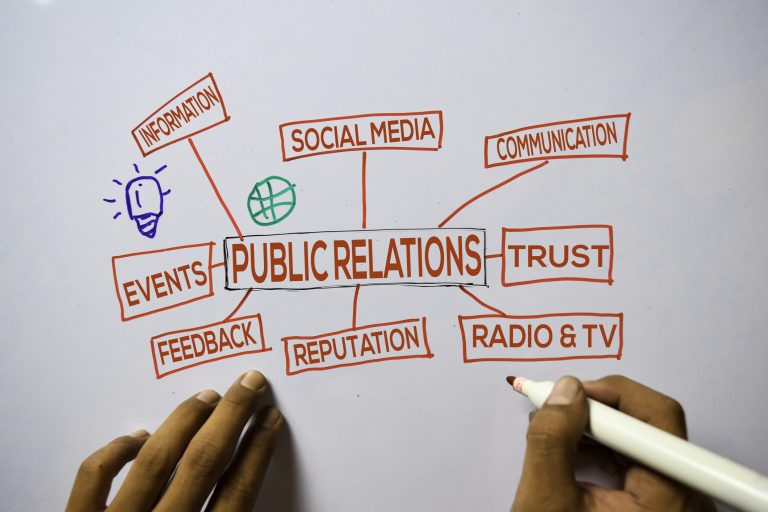
If you’re looking to understand what digital PR is, you’re in the right place. Digital PR is a crucial aspect of modern public relations, and it’s essential to understand how it works and why it’s important.
Simply put, digital PR is the use of digital channels to build relationships with a target audience, create brand awareness, and improve online reputation.
Digital PR encompasses a range of activities, including social media management, content creation, influencer outreach, and search engine optimization (SEO). By using these channels effectively, businesses can reach a wider audience and engage with them in a more meaningful way.
Digital PR is not just about getting more website traffic or social media followers; it’s about building relationships with your target audience and creating a positive online reputation.
Key Takeaways
- Digital PR is the use of digital channels to build relationships with a target audience, create brand awareness, and improve online reputation.
- Digital PR encompasses a range of activities, including social media management, content creation, influencer outreach, and search engine optimization (SEO).
- Digital PR is about building relationships with your target audience and creating a positive online reputation.
Understanding Digital PR
Digital PR, or digital public relations, is the practice of using online platforms to build relationships with journalists, bloggers, and other influencers in order to gain coverage for a brand or product. It is a subset of traditional PR that focuses specifically on digital channels such as social media, blogs, and online news outlets.
One of the primary goals of digital PR is to increase a brand’s online presence and visibility. This can be achieved through a variety of tactics, including creating high-quality content that is shared and linked to by other websites, building relationships with journalists and bloggers who write about topics related to the brand, and using social media to engage with target audiences and build brand awareness.
Digital PR is closely related to SEO, or search engine optimization. By building high-quality backlinks to a brand’s website, digital PR can help to improve the website’s authority and increase its visibility in search engine results pages. This, in turn, can drive more traffic to the website and ultimately lead to increased sales and revenue.
To be successful in digital PR, it is important to have a clear strategy in place. This should include identifying target audiences and influencers, creating high-quality content that is relevant to those audiences, and building relationships with journalists and bloggers who are likely to be interested in that content. It is also important to measure the success of digital PR efforts using metrics such as website traffic, brand mentions, and social media engagement.
Overall, digital PR is an important part of any brand’s marketing strategy. By building relationships with influencers and creating high-quality content, brands can increase their online visibility and build trust and authority with their target audiences.
The Importance of Digital PR
In today’s digital age, having a strong online presence is crucial for any business or brand. Digital PR is an essential aspect of building and maintaining that online presence. It involves using online channels to communicate with target audiences and build relationships with journalists, bloggers, and influencers.
One of the key benefits of digital PR is that it can help boost your brand’s authority and credibility. By securing coverage in reputable online publications and building high-quality backlinks, you can improve your search engine rankings and drive more traffic to your website. This increased exposure can also lead to more leads and sales.
Digital PR can also help you build relationships with your target audience. By creating engaging content and leveraging social media platforms, you can increase brand awareness and engagement. This can lead to more conversations and interactions with potential customers, ultimately helping you to achieve your marketing goals.
Another important aspect of digital PR is the ability to track and measure your success. By using tools like Google Analytics and Ahrefs, you can gain insights into your website traffic, search rankings, and backlink profile. This information can help you refine your digital PR strategy and identify new opportunities for growth.
Overall, digital PR is a critical component of any successful marketing strategy. By leveraging the power of online channels, you can build relationships with your target audience, increase brand awareness and credibility, and ultimately drive more leads and sales for your business.
Developing a Digital PR Strategy
To develop a successful Digital PR strategy, you need to understand your target audience, set clear goals, create engaging content, and build relationships. In this section, we will discuss each of these aspects in detail.
Understanding Your Target Audience
Before you start creating content, you need to understand your target audience. Who are they? What are their interests? What platforms do they use? By understanding your target audience, you can tailor your content to their needs and preferences. You can use tools like Google Analytics, Ahrefs, and social media analytics to gain insight into your audience.
Setting Clear Goals
To measure the success of your Digital PR strategy, you need to set clear goals. Your goals should be specific, measurable, achievable, relevant, and time-bound (SMART). Your goals could be to increase website traffic, improve brand awareness, generate leads, or boost sales. By setting clear goals, you can track your progress and adjust your strategy accordingly.
Creating Engaging Content
Creating engaging content is key to a successful Digital PR strategy. Your content should be high-quality, informative, and relevant to your target audience. You can create content in different formats, such as blog posts, articles, videos, infographics, or social media posts. Your content should also include relevant keywords and links to improve your search engine rankings and drive traffic to your website.
Building Relationships
Building relationships is an essential part of Digital PR. You need to build relationships with journalists, bloggers, influencers, and other media outlets to get your content published and gain exposure. You can reach out to them via email, social media, or networking events. You should also monitor your online mentions and respond to comments and conversations to build trust and credibility.
In summary, developing a Digital PR strategy requires understanding your target audience, setting clear goals, creating engaging content, and building relationships. By following these steps, you can improve your online presence, increase brand awareness, and generate leads and sales. Remember to track your progress using tools like Google Search Console and Ahrefs and adjust your strategy based on insights and trends.
Implementing and Measuring Success
Digital PR is a powerful tool for businesses to connect with their target audience and build brand awareness. However, to ensure that your digital PR efforts are successful, it is important to implement and measure your strategy effectively.
Executing Your Strategy
Before you can measure the success of your digital PR campaign, you must first execute your strategy. This involves identifying your target audience, creating compelling content, and distributing it through the appropriate channels.
To execute your strategy effectively, you should:
- Identify your target audience: Determine who you want to reach with your digital PR campaign and what their interests and needs are.
- Create compelling content: Develop content that is relevant, engaging, and informative to your target audience.
- Choose the right channels: Determine which digital platforms your target audience uses and distribute your content through those channels.
- Build relationships: Engage with your target audience, influencers, and media outlets to build relationships and increase your reach.
By executing your strategy effectively, you can increase your chances of success and achieve your digital PR goals.
Monitoring and Adjusting
Once your digital PR campaign is underway, it is important to monitor and adjust your strategy as needed. This involves tracking your progress, analysing your results, and making changes to your approach as necessary.
To monitor and adjust your strategy effectively, you should:
- Track your progress: Use analytics tools to monitor your website traffic, social media engagement, and other metrics to track your progress.
- Analyse your results: Analyse your data to determine what is working and what is not, and identify areas for improvement.
- Make changes: Use your analysis to make changes to your strategy as needed, such as adjusting your messaging, targeting different audiences, or changing your distribution channels.
By monitoring and adjusting your strategy, you can maximise the effectiveness of your digital PR campaign and achieve your goals.
Frequently Asked Questions
What are some examples of digital PR in action?
Digital PR involves using online channels to build relationships with audiences, increase brand awareness, and manage a company’s reputation. Examples of digital PR in action include creating and sharing engaging content on social media platforms, managing online reviews and ratings, and using search engine optimisation (SEO) to improve a brand’s visibility in search engine results pages (SERPs).
How does digital PR differ from traditional PR?
Digital PR differs from traditional PR in that it uses digital channels to communicate with audiences, whereas traditional PR relies on more traditional channels such as newspapers, radio and television. Digital PR also allows for real-time interactions with audiences, making it more responsive and adaptable than traditional PR.
What are the benefits of using digital PR?
The benefits of using digital PR include increased brand visibility, improved reputation management, and increased engagement with target audiences. Digital PR can also be more cost-effective than traditional PR, as it can reach a wider audience at a lower cost.
What skills are necessary for a career in digital PR?
To have a successful career in digital PR, you need to have excellent communication skills, both written and verbal. You should also be adept at using social media platforms, be familiar with SEO techniques, and have an understanding of digital marketing principles. Strong analytical skills and the ability to measure the success of digital PR campaigns are also important.
What are some common digital PR strategies?
Common digital PR strategies include creating and sharing high-quality content, engaging with audiences on social media platforms, building relationships with influencers and bloggers, and using SEO techniques to improve search engine rankings. Other strategies include managing online reviews and ratings, and using data analytics to measure the success of digital PR campaigns.
Why is digital PR becoming increasingly important in today’s business landscape?
Digital PR is becoming increasingly important in today’s business landscape because more and more people are using digital channels to communicate and consume information. This means that companies need to have a strong online presence in order to reach and engage with their target audiences. Digital PR can help companies to achieve this by building relationships with audiences, improving brand visibility, and managing their reputation online.