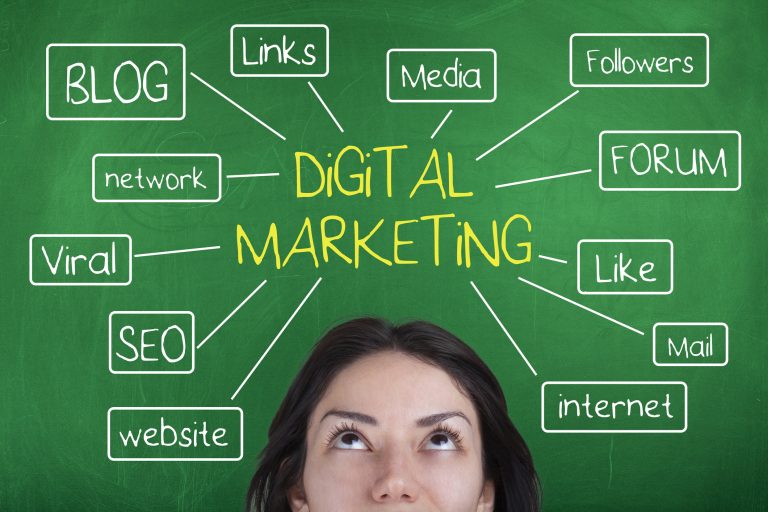
Digital marketing is a crucial part of today’s business world. A digital marketer is someone who uses online tools and strategies to promote products and services. These professionals are essential in building a brand’s online presence and engaging customers in meaningful ways.
In a landscape where technology is ever-changing, a digital marketer must stay updated on the latest trends and tools. They use data and analytics to measure campaign success and adjust strategies. This ensures that marketing efforts are effective and reach the right audience at the right time.
As businesses increasingly turn to digital channels, understanding the role of a digital marketer is key. From creating compelling content to connecting with customers online, their skills are vital for growth and success in the digital age.
Key Takeaways
- Digital marketers build strong online presence for brands.
- They rely on data to measure and optimise marketing strategies.
- Continuous learning in this field is essential due to rapid technological changes.
Core Principles of Digital Marketing
Digital marketing hinges on several key principles that guide actions and strategies. You will find it involves understanding the digital landscape, defining your role as a digital marketer, and recognising the significance of brand awareness.
Understanding Digital Marketing
Digital marketing encompasses various online channels and platforms used to promote products and services. It includes strategies like search engine optimisation (SEO), content marketing, social media marketing, and email campaigns. Each channel serves a specific purpose within a broader marketing strategy.
To succeed, you should consider the various digital channels available for reaching your audience. These channels include:
- Social media platforms (e.g., Facebook, Instagram)
- Search engines (e.g., Google)
- Email newsletters
- Websites and blogs
Knowledge of how these channels work allows you to tailor content and campaigns to engage your audience more effectively.
Role of a Digital Marketer
As a digital marketer, your role is multifaceted. You will analyse data to understand consumer behaviour, develop marketing strategies, and create engaging content. Staying updated with trends in digital marketing is crucial.
Part of your responsibilities include:
- Managing campaigns across digital platforms
- Monitoring audience engagement
- Adjusting strategies based on analytics
A strong online presence is essential for building brand loyalty and reaching new customers. Digital marketers play a key role in maintaining this presence through the skilful use of various tools and techniques.
Importance of Brand Awareness
Brand awareness is vital for any business. When consumers recognise your brand, they are more likely to trust you and consider your products.
In the digital space, you can boost brand awareness through:
- Consistent messaging across all platforms
- Engaging content that resonates with your audience
- Active social media presence
Building brand awareness helps establish a connection with customers, leading to increased loyalty and sales. As you venture into digital marketing, remember that visibility is essential for success.
Marketing Strategies and Campaign Development
Effective marketing strategies are crucial for reaching your audience and achieving your goals. This section will cover the essentials of crafting campaigns, developing content, and understanding SEO and SEM.
Crafting Marketing Campaigns
Creating effective marketing campaigns starts with clear objectives. You need to define what you want to achieve, whether it’s increasing brand awareness, generating leads, or driving sales.
Key Steps:
- Identify Your Target Audience: Understand their needs and preferences.
- Choose the Right Channels: Select social media, email, or search engines based on where your audience spends time.
- Set a Budget: Allocate enough resources to ensure your campaign reaches its full potential.
Remember to leverage analytics to track campaign performance, allowing you to make data-driven adjustments along the way.
Content Strategy and Creation
Content marketing is vital for engaging customers and driving traffic. A strong content strategy focuses on producing high-quality material tailored to your audience’s interests.
Essentials for Success:
- Conduct Market Research: Identify topics your audience cares about.
- Create a Content Calendar: Plan out your topics and distribution channels in advance.
- Diversify Content Types: Use blogs, videos, infographics, and social media posts to keep your audience engaged.
Effectively measuring content success through analytics will help you refine your approach over time.
SEO and SEM Essentials
Search Engine Optimisation (SEO) and Search Engine Marketing (SEM) are key tools for boosting your online visibility. You should understand the difference between these two strategies and how they complement each other.
Focus Areas:
- Keyword Research: Discover what search terms your audience is using.
- On-Page Optimisation: Use keywords naturally in your content, titles, and meta descriptions.
- Paid Advertising: SEM allows you to create targeted ads that appear in search results, giving you immediate visibility.
Regularly analysing your SEO and SEM efforts ensure you remain competitive in the digital landscape.
Digital Content and Its Impact
Digital content plays a crucial role in how you connect with your audience. It shapes your brand identity and influences customer decisions. Exploring specific content types can enhance your marketing strategy significantly.
The Power of Blogging
Blogging is a powerful tool for sharing insights and engaging with your audience. A well-planned blog can improve your search engine rankings, making it easier for potential customers to find you.
You should focus on creating engaging content that addresses your readers’ pain points. Use relevant keywords to optimise each post. High-quality visuals can also enhance your message, making the content more appealing.
Make sure to promote your blogs through social media and email marketing. This will drive more traffic and generate leads. A solid content strategy around blogging cultivates trust and establishes your authority in the industry.
Engaging Through Social Media
Social media marketing allows you to interact directly with your audience. You can use platforms like Facebook, Twitter, and Instagram to share your content and get instant feedback.
Visual content is essential here. Images, infographics, and videos capture attention better than text alone. Your goal should be to create posts that encourage shares and comments, enhancing your reach.
You can also run targeted digital marketing campaigns using social media ads. This means you’ll reach a specific audience based on their interests and behaviours. Such targeted efforts can lead to higher engagement rates.
Leveraging Email Marketing
Email marketing remains one of the most effective ways to reach your audience. By sending personalised promotional emails, you can provide valuable content directly to your customers’ inboxes.
Segment your email list to make sure you’re sending relevant offers. This can increase open rates and drive conversions. Include engaging subject lines and clear calls to action to grab attention.
You should also analyse the performance of your emails. Metrics like open rates and click-through rates help you refine your approach. Consistent effort in this area can lead to strong customer relationships and long-term loyalty.
Customer and Audience Engagement
Engaging customers and audiences is crucial for success in digital marketing. To build effective relationships, you need to focus on targeting the right audience, developing strong communication skills, and fostering creativity and innovation. Each of these elements plays a significant role in your marketing strategies.
Targeting the Right Audience
To effectively engage your audience, you must first identify who they are. This involves researching your target demographic, including their interests, behaviours, and preferences.
- Use online platforms and tools like Google Analytics to gather data.
- Create buyer personas that reflect your ideal customers.
This approach allows you to tailor your marketing messages specifically to their needs. Not only does targeted marketing generate leads, but it also ensures a higher conversion rate. When your message resonates with the right people, they are more likely to respond positively.
Building Communication Skills
Strong communication skills are vital for connecting with customers. You should focus on clear, concise messaging that reflects your brand’s voice.
- Engage with your audience through social media platforms and emails.
- Use storytelling techniques to make your content relatable and memorable.
Active listening is just as important as speaking. Pay attention to feedback and adapt your communication style accordingly. This not only helps in resolving issues but also builds trust and loyalty among your customers.
Fostering Creativity and Innovation
In a rapidly evolving digital landscape, creativity sets you apart. Embrace innovative strategies to capture your audience’s attention.
- Experiment with different content formats, such as videos, blogs, and infographics.
- Keep up with trends and challenges on social media platforms to stay relevant.
Encouraging brainstorming sessions within your team can lead to fresh ideas that can resonate well with your target audience. This creative approach not only enhances engagement but also helps in generating leads and fostering long-term relationships with customers.
Analytics, Data, and Measuring Success
In the world of digital marketing, analytics and data play crucial roles in measuring success. The ability to track and understand various metrics helps you evaluate the effectiveness of your campaigns. By using the right tools, you can gain insights into your performance and optimise your strategies accordingly.
Using Analytics Tools
Analytics tools gather and interpret data from your marketing efforts. These tools can track user behaviour on your website, monitor social media interactions, and measure email campaign success. Popular options include Google Analytics, Adobe Analytics, and HubSpot.
When using these tools, focus on key performance indicators (KPIs) that align with your marketing goals. Examples of useful metrics include website traffic, bounce rates, and conversion rates. By consistently analysing this data, you can see what works and make informed decisions.
Understanding ROI and Performance Metrics
Return on investment (ROI) is a vital metric in digital marketing. It helps you determine the profitability of your campaigns. To calculate ROI, use the formula:
ROI = (Net Profit / Cost of Investment) x 100.
Evaluating ROI allows you to see if your marketing strategies are cost-effective. Performance metrics such as customer acquisition cost (CAC) and lifetime value (LTV) also provide valuable insights into your marketing success.
Tracking these metrics helps you understand which channels yield the best results and where to allocate your budget for maximum impact.
The Role of Google Analytics
Google Analytics is one of the most widely used analytics tools. It provides detailed information about your website traffic and user interactions. With Google Analytics, you can monitor how visitors find and use your site.
Key features include audience demographics, behaviour flow, and goal tracking. These insights help you tailor your marketing strategies to fit your target audience. By setting up goals, you can measure conversions and assess the success of specific campaigns.
Utilising Google Analytics effectively can enhance your data analysis process and lead to more informed marketing decisions.
Optimising Online Presence and Engagement
To enhance your online presence and boost engagement, you need to focus on several key areas, including user experience, search engine optimisation, and innovations in digital advertising. Each facet plays a vital role in how effectively you connect with your audience and drive website traffic.
Maximising User Experience (UX)
A strong user experience is essential for retaining visitors on your site. To achieve this, ensure your website is intuitive and easy to navigate. Clear menus and well-organised content help users find what they need quickly.
Key aspects of UX include:
- Responsive Design: Your site should work seamlessly on any device, from desktops to smartphones.
- Fast Load Times: If your pages take too long to load, users are likely to leave. Aim for loading times under three seconds.
- Readable Content: Use clear fonts and appropriate spacing to make your text easy to read. Highlight key information with bullet points or headings.
By prioritising these elements, you create a more enjoyable experience that encourages users to return.
Effective Search Engine Optimisation (SEO)
Search engine optimisation is crucial for increasing your site’s visibility on search engines. You need to target relevant keywords throughout your content to attract organic traffic.
Actions to take include:
- Keyword Research: Identify the terms your audience uses. Tools like Google Keyword Planner can assist in this process.
- Quality Content Creation: Write informative, engaging articles that address the needs and questions of your target audience.
- Backlink Building: Increase your domain authority by acquiring backlinks from reputable sites in your industry.
By implementing solid SEO strategies, you enhance your chances of appearing on the first page of search results.
Innovations in Digital Advertising
Staying updated with the latest digital advertising trends can provide an edge over competitors.
Focus on these emerging trends:
- Pay-Per-Click (PPC) Advertising: This model allows you to pay only when someone clicks on your ad, making it a cost-effective option for driving targeted traffic.
- Remarketing: Use cookies to show ads to users who have previously visited your site, helping to increase conversion rates.
- Social Media Advertising: Platforms like Facebook and Instagram offer powerful targeting tools to help you reach specific demographics and engage with potential customers directly.
By adopting these innovative strategies, you can effectively enhance your online presence and foster greater audience engagement.
Professional Growth in Digital Marketing
In the field of digital marketing, there are clear pathways you can follow to advance your career. Gaining the right credentials and experience is essential. You can enhance your skills and expand your professional network through certifications and internships.
Career Pathways and Roles
A career in digital marketing offers various roles for you to explore. Starting positions include Marketing Specialist or SEO Specialist, which allow you to gain essential skills. As you grow, you can move into roles such as Digital Marketing Manager or Social Media Manager.
These roles require specific skills, such as content creation, analytics, and campaign management. Your career path can lead to niche areas, such as email marketing or data analysis. Focus on the roles that best match your interests and strengths.
Acquiring Digital Marketing Certifications
Obtaining Digital Marketing Certifications is crucial for your career advancement. Many online courses provide certification in areas like SEO, content marketing, and social media. These credentials demonstrate your expertise and commitment.
Certifications can enhance your CV, making you a more attractive candidate for entry-level jobs. Look for recognised courses to ensure your qualifications hold value in the industry. Programs offered by organisations like Google or HubSpot are respected and can boost your knowledge significantly.
The Value of Internships and Networking
Internships are invaluable for gaining practical experience in the digital marketing field. They offer you hands-on training and the chance to apply your skills in a real-world setting. Look for internships in various marketing roles, as they can provide insights into different aspects of the industry.
Networking is equally important. Attend industry events or join online forums to connect with professionals. Building relationships can lead to job opportunities and collaborations. Creating a strong portfolio of your work is essential for showcasing your skills to potential employers.
Trends and Evolving Technologies
Digital marketing constantly changes due to new trends and technologies. Staying updated is crucial for success in this field. You need to embrace automation and develop specific skills to remain competitive.
Keeping Up with Digital Marketing Trends
To thrive in digital marketing, you must keep an eye on emerging trends. Social media platforms regularly update their algorithms, impacting how you reach your audience. For instance, video content has become vital for marketing strategies, with short clips gaining immense popularity.
Additionally, data analytics plays an essential role. You can gain insights into customer behaviour and preferences, allowing for more targeted marketing campaigns. Trends such as personalisation and interactive content are also becoming significant. As a digital marketer, staying informed about these changes enhances your ability to engage effectively with your audience.
Embracing Automation and Advanced Tools
Automation tools have revolutionised digital marketing. You can streamline repetitive tasks such as email marketing and social media posting, freeing up your time for strategy development. Marketing automation software can help you manage campaigns more efficiently, track user engagement, and improve lead generation.
Furthermore, advanced tools for data analytics provide deeper insights into consumer behaviour. You can analyse trends in real-time and adjust your strategies accordingly. Skills in automation and data analysis are now essential for digital marketers, enabling you to outperform competitors in creating impactful campaigns.
Specialisation and Career Advancement
Specialisation is becoming increasingly prevalent in the digital marketing landscape. You can choose to focus on specific areas such as PPC management, UX design, or content marketing. This allows you to develop deep expertise and stand out in the job market.
For instance, becoming a PPC specialist can lead to higher demand for your skills as companies invest more in pay-per-click advertising. Similarly, a strong understanding of UX design enhances your ability to create user-friendly experiences, driving better engagement. By cultivating specific skills, you can advance your career and adapt to the evolving demands of the digital marketing industry.
The Business Impact of Digital Marketing
Digital marketing significantly influences business success today. It offers various channels and strategies to maximise returns and enhance public perception. Understanding its impacts can help you make informed decisions.
Improving ROI and Conversion Rates
One of the main benefits of digital marketing is its ability to improve Return on Investment (ROI). By using targeted digital strategies, you can reach specific audiences effectively. This leads to better conversion rates.
Utilising channels like social media, email marketing, and search engine optimisation (SEO) can allow for precise tracking of your marketing efforts. You can analyse which strategies yield the best results. For example, email campaigns often show a high ROI due to their direct approach.
Effective optimisation of your company website can also drive more traffic. A well-designed site that offers a positive user experience helps increase conversions. Overall, leveraging digital marketing channels successfully can make a significant difference in your bottom line.
Digital Marketing and Public Relations
Digital marketing plays a crucial role in shaping public relations. It allows you to communicate directly with your audience, creating a strong online presence. Engaging with customers through platforms like social media builds trust and loyalty.
You can manage your brand’s reputation more effectively by promptly addressing concerns and feedback. Monitoring mentions of your brand online enables you to respond quickly. Additionally, consistent messaging across digital platforms enhances your brand identity.
Integrating public relations strategies within your digital marketing approach can amplify your message. This creates a cohesive narrative, making your brand more relatable to your target audience.
Assessing the Job Outlook and Salary Expectations
The job outlook for digital marketers is promising. As businesses increasingly shift online, the demand for skilled professionals continues to grow. In 2025, many industries require digital expertise, making this a sought-after career path.
Average salaries in digital marketing vary by role and experience. For entry-level positions, salaries typically start at around £25,000 to £30,000 per year. More experienced roles, such as digital marketing managers, can earn upwards of £50,000 annually.
Staying updated on digital trends is essential for career growth. Investing time in learning emerging digital strategies can greatly enhance your marketability and ensure success in this dynamic field.
Frequently Asked Questions
Digital marketing is a field with many aspects and a growing demand for skilled professionals. Here are some key questions to help clarify what a digital marketer does and how you can succeed in this industry.
How do digital marketers structure their day-to-day tasks?
Digital marketers often begin their day by reviewing campaign performance metrics. This includes checking social media engagement, website traffic, and email open rates.
After assessing key data, they plan their tasks for the day, which may involve content creation, scheduled postings, and meeting with teams.
What are the essential skills for a successful career in digital marketing?
Successful digital marketers need strong communication skills to create engaging content.
Analytical skills are crucial for interpreting data and making informed decisions.
Additionally, familiarity with SEO, social media tools, and marketing software enhances employability.
What are the typical job responsibilities of a digital marketer?
Digital marketers are responsible for developing and executing marketing campaigns.
They create content for various platforms and analyse the effectiveness of these campaigns.
Collaborating with other teams to align brand messaging is also a key part of the role.
How can an individual start a career in digital marketing?
Starting a career in digital marketing often involves gaining relevant qualifications, such as a degree or certification.
You can develop your skills by taking online courses focused on digital marketing topics.
Gaining practical experience through internships or freelancing can also be beneficial.
What is the average salary for a digital marketer in the UK?
The average salary for a digital marketer in the UK varies based on experience and location.
Entry-level positions might start around £20,000 to £25,000 per year.
With experience, salaries can increase significantly, reaching upwards of £45,000 or more for senior roles.
Are there good prospects for earning within the digital marketing industry?
Yes, the digital marketing industry offers strong earning potential.
As businesses increasingly rely on digital channels, the demand for skilled marketers is rising.
Career advancement opportunities and specialisation can lead to higher salaries over time.