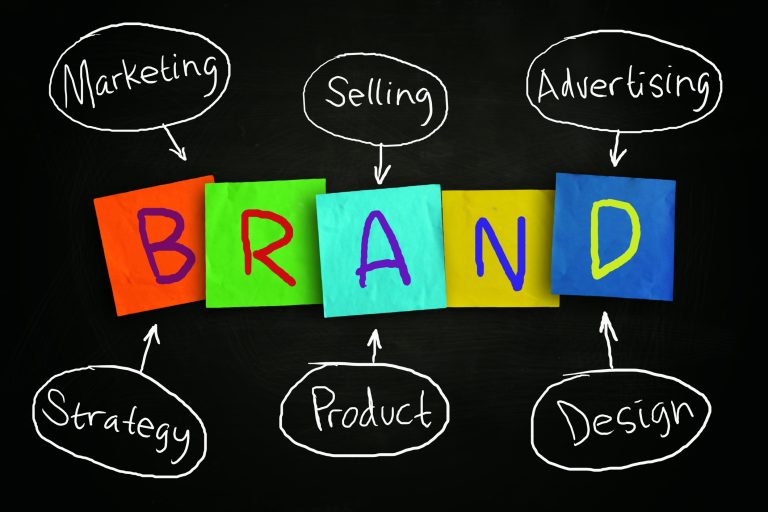
As a brand activation manager, your primary responsibility is to create and execute marketing campaigns that increase brand awareness, drive sales, and engage customers.
In this role, you will work closely with other marketing professionals, such as brand managers, social media specialists, and creative directors, to develop and implement strategies that align with the company’s overall marketing goals.
To be successful in this role, you must have a deep understanding of consumer behaviour and market trends, as well as a strong ability to analyze data and make informed decisions. You will also need to be an excellent communicator, with the ability to collaborate effectively with cross-functional teams and build relationships with external partners, such as agencies and media outlets.
Overall, the role of a brand activation manager is an exciting and challenging one that requires a unique combination of skills and experience. If you are passionate about marketing and have a strong track record of success in this field, then this could be the perfect role for you.
Key Takeaways
- A brand activation manager is responsible for creating and executing marketing campaigns that increase brand awareness, drive sales, and engage customers.
- To be successful in this role, you must have a deep understanding of consumer behavior and market trends, as well as strong analytical and communication skills.
- Working closely with other marketing professionals and external partners, a brand activation manager plays a critical role in helping companies achieve their marketing goals.
The Role of a Brand Activation Manager
As a brand activation manager, you will be responsible for developing and executing marketing campaigns that bring a brand to life. Your job is to create a buzz around the brand and engage customers in a way that drives awareness, loyalty, and sales.
Your job description as a brand activation manager will vary depending on the company you work for, but your primary responsibilities will include:
- Developing and executing brand activation campaigns that align with the overall marketing strategy
- Collaborating with cross-functional teams to ensure campaigns are executed on time and within budget
- Conducting market research to identify consumer trends and insights that inform campaign development
- Managing relationships with external vendors, agencies, and partners
- Measuring and reporting on campaign performance to determine ROI and identify areas for improvement
- Ensuring that all campaigns are on-brand and aligned with the company’s values and mission
As an independent and responsible brand activation manager, you will need to have excellent project management skills and be able to work under tight deadlines. You should also have a creative mindset and be able to think outside the box to develop campaigns that stand out from the competition.
Your duties as a brand activation manager will involve a mix of strategic planning and tactical execution. You will need to be comfortable working with data and analytics to measure campaign performance and adjust strategies accordingly.
Overall, the role of a brand activation manager is an exciting and dynamic one that requires a unique blend of creativity, strategic thinking, and project management skills. If you are passionate about marketing and enjoy working in a fast-paced environment, this could be the perfect job for you.
Educational Requirements
To become a successful brand activation manager, you will need a combination of education, training, and certifications. While there are no strict educational requirements for this role, most employers prefer candidates with a bachelor’s degree in marketing or a related field.
A bachelor’s degree in marketing will provide you with a solid foundation in the principles of marketing, consumer behaviour, and market research. It will also help you develop the necessary skills to create and execute effective brand activation campaigns.
If you want to advance your career as a brand activation manager, you may want to consider pursuing an MBA. An MBA will give you a deeper understanding of business strategy, finance, and management, which are all essential skills for this role.
In addition to formal education, you will need to undergo training to develop the specific skills required for brand activation management. This training may include courses in project management, marketing analytics, and digital marketing.
Certifications can also be an asset for brand activation managers. For example, the Chartered Institute of Marketing offers a range of certifications that can help you demonstrate your expertise in marketing and brand management.
Overall, while there are no strict educational requirements for brand activation managers, a combination of education, training, and certifications can help you develop the skills and knowledge necessary for this role.
Key Skills for a Brand Activation Manager
As a brand activation manager, you will need to possess a wide range of skills to be successful in your role. Here are some of the key skills that you should have:
IQ
First and foremost, you will need to have a high IQ to be a brand activation manager. This will help you to understand complex marketing concepts and strategies, and to come up with innovative ideas for brand activations.
Communication Skills
Strong communication skills are essential for a brand activation manager. You will need to be able to communicate effectively with a wide range of stakeholders, including clients, colleagues, and external partners. You should be able to articulate your ideas clearly and persuasively, and to listen actively to feedback and suggestions.
Creativity
As a brand activation manager, you will need to be highly creative. You should be able to think outside the box and come up with innovative ideas for brand activations that will capture the attention of your target audience. You should also be able to adapt your ideas to suit different brands and target markets.
Attention to Detail
Attention to detail is critical for a brand activation manager. You will need to be meticulous in your planning and execution of brand activations, ensuring that everything runs smoothly and according to plan. You should be able to anticipate potential problems and come up with contingency plans to mitigate any issues that may arise.
Microsoft Office Suite
Proficiency in the Microsoft Office Suite is essential for a brand activation manager. You will need to be able to use a range of software tools, including Word, Excel, and PowerPoint, to create presentations, reports, and other documents. You should also be able to use these tools to analyse data and to track the progress of your brand activations.
In summary, to be a successful brand activation manager, you will need to possess a range of skills, including a high IQ, strong communication skills, creativity, attention to detail, and proficiency in the Microsoft Office Suite. By developing these skills, you will be able to create engaging and effective brand activations that will help your clients to achieve their marketing goals.
Brand Activation and Marketing Strategies
As a brand activation manager, you are responsible for developing and implementing brand activation campaigns that help to increase brand awareness, drive sales, and build brand loyalty. To do this, you need to have a deep understanding of marketing strategies and how they can be used to promote your brand.
One of the key elements of brand activation is developing a strong brand marketing strategy. This involves defining your brand’s unique selling proposition (USP) and developing a messaging framework that communicates your brand’s value proposition to your target audience. Your brand marketing strategy should also include a plan for how you will promote your brand across different channels, including social media, email marketing, and advertising.
When developing brand activation plans, it’s important to stay up-to-date with the latest trends in the industry. This means keeping a close eye on what your competitors are doing and looking for opportunities to differentiate your brand from the competition. You should also be aware of emerging trends and new products that could impact your brand’s positioning in the market.
To ensure the success of your brand activation campaigns, you need to have a clear understanding of your target audience. This means conducting market research to identify your ideal customer and understanding their needs, wants, and pain points. Armed with this information, you can develop targeted campaigns that speak directly to your audience and drive engagement.
Finally, it’s important to measure the effectiveness of your brand activation campaigns. This means setting clear goals and KPIs for each campaign and tracking your progress towards achieving them. By regularly reviewing your results, you can identify areas for improvement and refine your brand activation strategies over time.
The Importance of Communication and PR
As a brand activation manager, you play a crucial role in ensuring that your brand is effectively communicated to stakeholders. This requires a deep understanding of communication and public relations (PR) strategies, and how they can be used to create a positive image for your brand.
Effective communication is key to building and maintaining relationships with stakeholders, including customers, employees, investors, and the media. As a brand activation manager, you need to develop and implement communication strategies that resonate with each of these groups. This can include press releases, social media campaigns, and other forms of marketing communication.
PR is another important aspect of your role as a brand activation manager. PR involves managing the reputation of your brand and ensuring that it is perceived positively by stakeholders. This can involve managing crises, responding to negative feedback, and creating positive news stories about your brand.
One of the key benefits of effective communication and PR is that it can help to build trust with stakeholders. When stakeholders trust your brand, they are more likely to remain loyal, make repeat purchases, and recommend your brand to others. This can have a significant impact on your bottom line.
In addition to building trust, effective communication and PR can also help to create a strong brand identity. By developing a clear and consistent message that resonates with stakeholders, you can create a strong brand image that sets you apart from your competitors.
Overall, communication and PR are essential components of your role as a brand activation manager. By developing and implementing effective strategies, you can build trust with stakeholders, create a strong brand identity, and ultimately drive business success.
The Role of Social Media in Brand Activation
As a brand activation manager, you know that social media is a crucial tool for building brand awareness and engagement. With billions of users worldwide, platforms like Facebook and LinkedIn offer unparalleled opportunities to connect with potential customers and build relationships with existing ones.
One of the key ways that social media can be used in brand activation is through the creation of shareable content. By developing content that is engaging, informative, and relevant to your target audience, you can encourage them to share it with their own networks. This can help to amplify your brand message and increase your reach.
Another important aspect of social media in brand activation is the ability to target specific audiences with precision. Platforms like Facebook and LinkedIn offer sophisticated targeting options that allow you to reach users based on demographics, interests, behaviours, and more. This means that you can tailor your brand activation efforts to reach the people who are most likely to be interested in your products or services.
Social media can also be used as a tool for building relationships with influencers and other key stakeholders in your industry. By engaging with these individuals on social media, you can build trust and credibility, and potentially leverage their networks to reach a wider audience.
Overall, social media plays a critical role in brand activation, offering powerful tools for building awareness, engagement, and relationships with your target audience. As a brand activation manager, it is essential that you stay up-to-date with the latest trends and best practices in social media marketing to ensure that you are making the most of this powerful tool.
The Impact of Technology on Brand Activation
As a brand activation manager, you understand the importance of staying up-to-date with the latest technology trends. Technology has revolutionized the way brands interact with consumers and has provided new opportunities for brand activation. Here are some ways technology has impacted brand activation:
Proximity Marketing
Proximity marketing is a technology that uses Bluetooth or Wi-Fi to send promotional messages to consumers who are in close proximity to a brand’s activation. This technology has been used in event sponsorships to great effect, extending the reach of activations beyond the event itself. Proximity marketing can also be used to deliver value in real terms against investment in marketing activations.
Social Media
Social media platforms have become an integral part of brand activation strategies. They provide a way for brands to connect with consumers on a more personal level and create a sense of community. Social media platforms also allow brands to track engagement and measure the success of their activations.
Virtual and Augmented Reality
Virtual and augmented reality technologies have opened up new possibilities for brand activations. They allow brands to create immersive experiences that transport consumers to a different world. Virtual and augmented reality technologies have been used in product launches, trade shows, and other events to create memorable experiences that leave a lasting impression on consumers.
Artificial Intelligence
Artificial intelligence has the potential to revolutionize brand activation. It can be used to analyze consumer data and provide insights that help brands create more personalized experiences. Artificial intelligence can also be used to automate certain aspects of brand activation, such as chatbots that provide customer service or personalized recommendations.
Mobile Technology
Mobile technology has changed the way consumers interact with brands. Mobile devices provide a way for consumers to access information about a brand’s activation on-the-go. Mobile technology can also be used to deliver promotions and other messages to consumers in real-time.
In conclusion, technology has had a significant impact on brand activation. As a brand activation manager, it’s important to stay up-to-date with the latest technology trends and incorporate them into your activation strategies. By doing so, you can create more engaging experiences that resonate with consumers and drive business results.
Understanding the Retail Landscape
As a brand activation manager, it is important to have a deep understanding of the retail landscape. The retail landscape refers to the environment in which your brand will be promoted and sold. This includes physical stores, online marketplaces, and any other channels where your brand is sold.
To be successful in your role, you need to understand the different types of retail environments and how they impact sales. For example, a temporary retail activation can be an effective way to increase brand awareness and drive sales, but it requires a different approach than a traditional brick-and-mortar store.
It is also important to understand the different types of retail channels. For example, online marketplaces like Amazon have different rules and requirements than physical stores. Understanding these differences can help you tailor your brand activations to each channel and maximize your impact.
In addition to understanding the different types of retail environments and channels, you should also be familiar with the latest trends and technologies in the retail landscape. For example, many retailers are using neuroscience to better understand consumer behaviour and improve their store environments. Olfactory cues, such as scents, have been shown to affect consumer evaluations and behaviours, so it is important to consider these factors when planning your brand activations.
Overall, a deep understanding of the retail landscape is essential for any brand activation manager. By staying up-to-date with the latest trends and technologies, and tailoring your approach to each retail channel, you can maximize your impact and drive sales for your brand.
Working with Agencies and Other Entities
As a brand activation manager, you will often work with different agencies and entities to execute successful campaigns. These entities can include advertising agencies, public relations firms, event planners, and more. Your role will be to ensure that everyone is working towards the same goals and that the campaign is executed flawlessly.
One of the primary agencies that you will work with is an advertising agency. These agencies are responsible for creating and executing advertising campaigns for your brand. As a brand activation manager, you will need to work closely with the advertising agency to ensure that the campaign is aligned with your brand’s messaging and goals. You will also need to provide guidance and feedback to the agency to ensure that the campaign is executed to your satisfaction.
Another agency that you may work with is a public relations firm. These firms are responsible for managing your brand’s reputation and creating positive publicity. As a brand activation manager, you will need to work with the public relations firm to ensure that your brand’s messaging is consistent across all channels. You will also need to work with the firm to create newsworthy events and stories that will generate positive publicity for your brand.
Event planners are another entity that you may work with as a brand activation manager. These planners are responsible for creating and executing events that will promote your brand. You will need to work closely with the event planner to ensure that the event is aligned with your brand’s messaging and goals. You will also need to provide guidance and feedback to the event planner to ensure that the event is executed to your satisfaction.
In addition to these agencies and entities, you may also work with other departments within your own company, such as sales and marketing. You will need to work closely with these departments to ensure that your brand’s messaging is consistent across all channels. You may also need to provide guidance and feedback to these departments to ensure that they are executing their responsibilities to your satisfaction.
Overall, working with agencies and other entities is a critical aspect of being a successful brand activation manager. By working closely with these entities, you can ensure that your brand’s messaging is consistent and that your campaigns are executed flawlessly.
Job Search Platforms
As a brand activation manager, you need to be aware of the different job search platforms available to you. These platforms can help you find job openings, research companies, and even apply for positions. Here are some popular job search platforms that you should consider using:
Glassdoor
Glassdoor is a popular job search platform that allows you to search for jobs, research companies, and read reviews from current and former employees. You can also find salary information for different positions and companies. Glassdoor is a great resource for job seekers who want to get an inside look at a company before applying.
LinkedIn is a professional networking site that can also be used for job searching. You can create a profile that showcases your skills and experience, and connect with other professionals in your industry. LinkedIn also has a job search feature that allows you to search for job openings and apply directly through the platform.
Indeed
Indeed is a job search platform that aggregates job listings from multiple sources, including company websites and job boards. You can search for jobs by location, salary, and job title. Indeed also has a resume builder feature that allows you to create a professional-looking resume that can be used to apply for jobs.
Job Description Templates
When applying for jobs, it’s important to have a well-written and tailored resume and cover letter. Job description templates can help you create a resume and cover letter that highlights your skills and experience. These templates can be found on job search platforms like Indeed or through a simple Google search.
In summary, using job search platforms like Glassdoor, LinkedIn, and Indeed can help you find job openings, research companies, and even apply for positions. Additionally, using job description templates can help you create a well-written and tailored resume and cover letter.
Frequently Asked Questions
What are the key responsibilities of a Brand Activation Manager?
As a Brand Activation Manager, you will be responsible for designing and executing marketing campaigns that aim to increase brand awareness and drive sales. You will work closely with other departments, such as sales, product development, and creative teams, to ensure that the brand’s message is consistent throughout all marketing channels.
How does a Brand Activation Manager contribute to a company’s marketing strategy?
Brand Activation Managers play a crucial role in a company’s marketing strategy. They are responsible for creating and executing campaigns that will engage consumers and increase brand loyalty. By working closely with other departments, such as sales and product development, they ensure that the marketing campaigns are aligned with the company’s overall goals.
What skills and qualifications are required for a career in Brand Activation?
To become a successful Brand Activation Manager, you will need a combination of creative and analytical skills. You should be able to think strategically and have a deep understanding of consumer behaviour. In addition, you should have excellent communication and project management skills, as well as experience in marketing, advertising, or related fields.
What are the challenges faced by Brand Activation Managers in their role?
One of the biggest challenges faced by Brand Activation Managers is staying up to date with the latest marketing trends and technologies. They must constantly adapt their strategies to keep up with changes in consumer behaviour and preferences. Additionally, they must be able to work under tight deadlines and manage multiple projects simultaneously.
What are some successful examples of brand activations and how did the manager contribute to their success?
One successful example of brand activation is the “Share a Coke” campaign by Coca-Cola. The campaign involved printing popular names on Coke bottles and encouraging consumers to share them with friends and family. The Brand Activation Manager was responsible for creating the campaign concept and executing it across multiple marketing channels, including social media, TV, and print ads.
How does a Brand Activation Manager collaborate with other departments within a company?
Brand Activation Managers work closely with other departments within a company, such as sales and product development. They collaborate with these teams to ensure that the marketing campaigns align with the company’s overall goals and objectives. Additionally, they work with creative teams to develop visual and messaging concepts that will resonate with consumers.