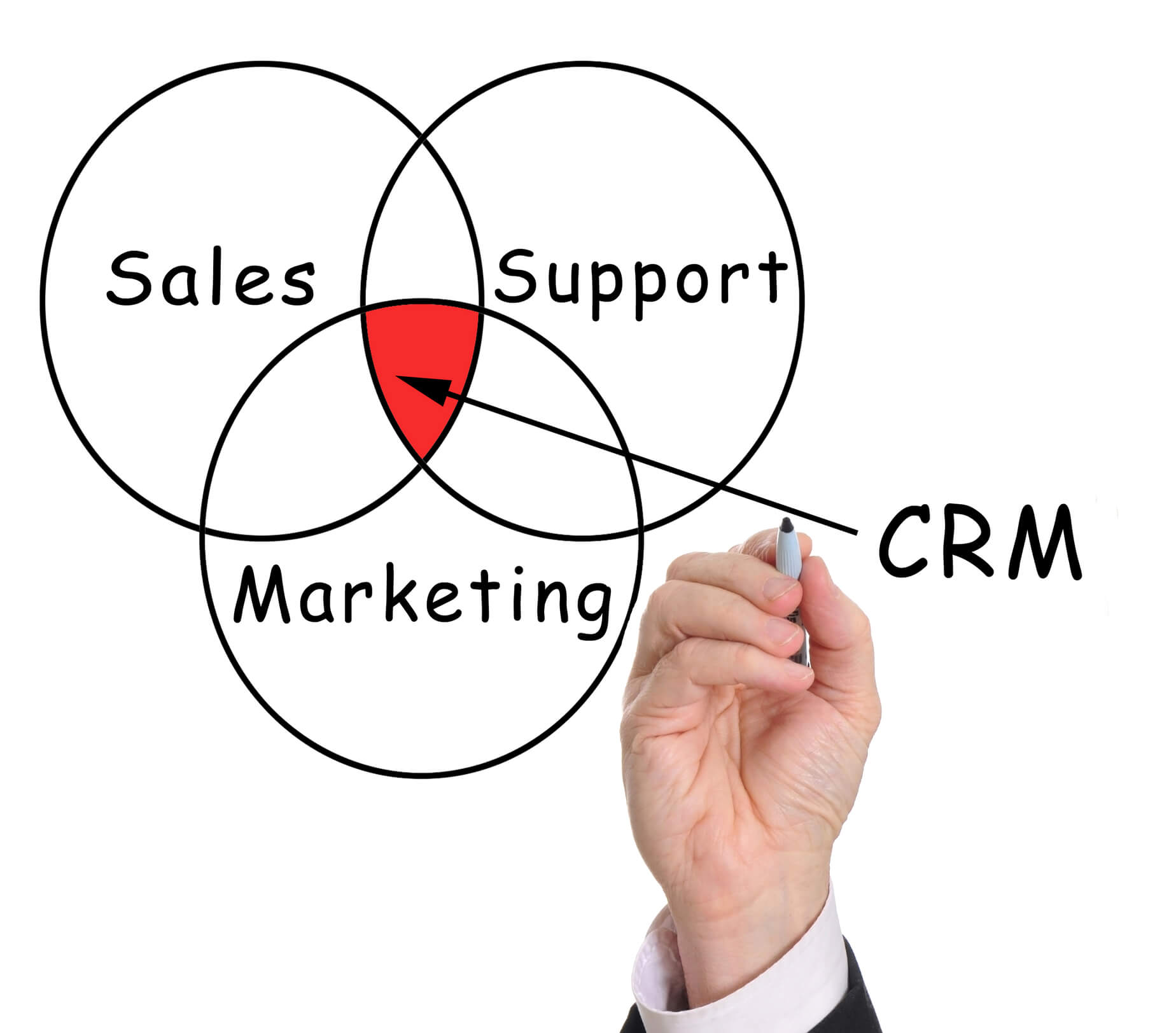
Customer Relationship Management (CRM) systems are essential tools for businesses aiming to enhance their interactions with customers. There are three primary types of CRM: Operational, Analytical, and Collaborative. Each type serves different purposes but collectively contributes to a cohesive customer management strategy.
Operational CRM focuses on automating and streamlining customer-facing business processes, such as sales, marketing, and customer service. Analytical CRM, on the other hand, is about analysing customer data collected through various touchpoints to inform business decisions.
Finally, Collaborative CRM facilitates communication and collaboration among different departments, ensuring a unified approach to customer relationships.
Understanding these three types can help you implement a CRM system that best fits your business needs and objectives, ultimately improving your customer experiences and driving sales performance. To delve deeper into how these CRM systems can benefit your business, keep reading.
Key Takeaways
- CRM systems include Operational, Analytical, and Collaborative types.
- Each CRM type serves unique business purposes in sales, marketing, and customer service.
- Proper CRM implementation enhances customer experience and drives sales performance.
Understanding CRM
Customer Relationship Management (CRM) is vital for effectively managing interactions with current and potential customers. It encompasses strategies, practices, and technologies that companies use to analyse and manage customer interactions throughout the customer lifecycle.
Definition and Significance of CRM
CRM stands for Customer Relationship Management, a system for managing a company’s relationships and interactions with customers and potential customers. Its objective is simple: to improve business relationships.
A CRM system helps companies stay connected with customers, streamline processes, and improve profitability.
Through CRM, you can gather and store customer information, enabling personalised marketing and tailored sales strategies. By understanding each customer’s needs and behaviour, CRM systems enhance customer satisfaction and loyalty.
With the integration of AI and automation, CRM tools have become invaluable in predicting customer needs and automating routine processes, freeing up valuable time for customer service teams to focus on more complex tasks.
Evolution and Current Trends
CRM systems have evolved significantly since their inception. The early versions were basic contact management tools, which later developed into sophisticated systems capable of managing sales, marketing, and customer service in one platform.
Modern CRM solutions incorporate advanced technologies such as AI, machine learning, and automation. AI-powered CRM systems can predict sales trends and customer behaviour, helping companies to anticipate customer needs.
Automation in CRM streamlines repetitive tasks like data entry and follow-up emails, increasing efficiency and accuracy.
Cloud-based CRM systems are another significant trend, allowing access to customer data from anywhere, facilitating remote work and mobile access. This evolution has made CRM systems more flexible, scalable, and accessible for businesses of all sizes.
Types of CRM
Customer Relationship Management (CRM) encompasses various strategies and tools that businesses use to manage interactions with customers. Among these, the key types encompass Operational CRM, Analytical CRM, and Collaborative CRM. Each type serves distinct functions critical for sales, marketing, and customer service.
Operational CRM
Operational CRM focuses on automating and streamlining business processes that involve customer interactions. This type includes Sales Automation, Marketing Automation, and Service Automation.
Sales teams benefit significantly from Sales Automation, which handles tasks like lead management, contact management, and data entry. This automation helps manage sales processes more efficiently and reduces administrative workload.
Marketing Automation manages marketing campaigns and customer segmentation. It helps tailor marketing efforts to target specific customer profiles, enhancing the effectiveness of marketing strategies.
Service Automation optimises customer service operations, enabling businesses to respond swiftly to customer inquiries and complaints. By automating routine service tasks, you can enhance customer satisfaction and maintain a seamless service experience.
Analytical CRM
Analytical CRM is centred around analysing customer data to gain insights and make informed business decisions. It involves Data Mining, Data Analysis, and Reporting functionalities that are crucial for understanding customer behaviour.
By analysing sales data, service data, and other forms of customer data, you can identify patterns and trends. This helps in forecasting customer needs and tailoring your offerings accordingly.
Analytics play a fundamental role in assessing the success of marketing campaigns, determining service efficiency, and improving sales strategies. Big data and data analysis enable you to extract actionable insights, which can drive business growth and enhance customer relationships.
Collaborative CRM
Collaborative CRM aims to enhance communication and collaboration both within your organisation and with external partners. This type facilitates Interaction Management, Channel Management, and ensures seamless coordination among customer-facing teams.
By integrating customer information across different departments, Collaborative CRM systems enable a unified approach to customer service. Sales teams, marketing departments, and service agents can access shared customer data, ensuring consistent and informed interactions.
Effective channel management allows for better coordination with vendors and other external stakeholders. This collaborative approach ensures that every customer interaction is optimised for satisfaction and efficiency, leading to stronger customer relationships and improved business outcomes.
Key CRM Features and Functionalities
An effective CRM system includes a variety of features that streamline contact and lead management, enhance sales pipeline visibility, automate marketing and sales processes, and provide comprehensive reporting and analytics.
Contact and Lead Management
CRM software centralises contact information, helping you manage leads efficiently. You can store essential details like names, email addresses, phone numbers, and communication history.
Lead scoring helps prioritise leads based on their likelihood to convert, improving your sales efforts. A CRM tracks interactions across multiple channels, ensuring no potential lead is overlooked.
Additionally, you can set reminders and task assignments to stay on top of follow-ups, ensuring timely communication with prospects.
Sales Pipeline Management
Sales pipeline management helps you visualise each stage of the sales process. A well-organised pipeline shows the progress of leads from initial contact to closing the deal.
It assists in identifying bottlenecks and predicting revenue outcomes through sales forecasting. By monitoring the pipeline, you can allocate resources efficiently and optimise sales strategies.
Moreover, it helps in setting clear goals and tracking performance against targets, making it easier to spot trends and opportunities.
Marketing and Sales Automation
CRM systems include marketing and sales automation features that save time and increase efficiency. Marketing automation automates tasks like email campaigns, social media posts, and lead nurturing.
Sales automation helps manage repetitive tasks such as follow-ups, scheduling meetings, and sending reminders. Automation ensures consistent communication and helps maintain a steady flow of leads.
This functionality allows you to focus on strategic activities rather than routine tasks, thereby enhancing productivity.
Reporting and Analytics
Comprehensive reporting and analytics are crucial for making data-driven decisions. CRM analytics provide insights into sales performance, customer behaviour, and campaign effectiveness.
You can generate detailed reports on various metrics such as conversion rates, lead sources, and revenue trends. These insights help in refining strategies and improving decision-making.
Additionally, real-time dashboards offer quick access to vital statistics, ensuring you stay informed about key performance indicators (KPIs). By leveraging analytics, you can continuously optimise your customer relationship management processes.
CRM Integration and Implementation
Integrating CRM systems with existing business processes ensures seamless workflows and maximises the system’s value. Implementing CRM requires thoughtful planning to overcome challenges and may include customising the system to suit specific business needs.
Integrating CRM with Business Processes
Effective integration of CRM systems with business processes is crucial to enhancing operational efficiency. It’s imperative to ensure that the CRM software aligns with your organisation’s workflows and practices. This involves mapping out current business processes and determining how they can be improved through CRM functionalities.
For instance, integrating CRM with sales operations allows for automated tracking of customer interactions and sales activities. This helps in maintaining updated customer data across various departments. Ensuring compatibility between the CRM system and other applications like ERP systems can further streamline business operations and improve data exchange.
Challenges in CRM Implementation
Implementing CRM systems can present several challenges, primarily related to change management. One significant challenge is user adoption; employees may resist using new systems due to unfamiliarity or perceived complexity. Providing adequate training and support is essential to facilitate a smooth transition.
Additionally, integrating CRM with existing systems can pose technical challenges. These may include data migration issues and ensuring seamless communication between various applications. It’s also important to set realistic expectations and clear objectives for CRM implementation to avoid potential disappointments and project delays.
CRM System Customisation
Customising your CRM system can enhance its effectiveness by tailoring it to meet specific business requirements. Customisation may involve modifying workflows, creating specialised reports, or integrating third-party applications that add valuable features to the CRM.
For example, a customised CRM can include tailored dashboards that provide critical insights specific to different departments. This enables your team to focus on relevant data and make informed decisions quickly. Such customisations ensure that the CRM system supports your unique business processes and goals, ultimately leading to better performance and customer satisfaction.
When considering customisation, it’s important to work closely with both your CRM provider and your internal IT team to ensure that changes are technically feasible and align with strategic objectives.
Enhancing Customer Experience with CRM
Using CRM to enhance customer experience involves tailoring interactions and leveraging data to meet individual needs. Key practices include personalization, improving retention and loyalty, and utilising advanced AI technologies.
Personalisation and Customer Journey
Personalisation is crucial for creating meaningful experiences. By analysing customer data, you can deliver targeted communication and offers. Personalised emails and product recommendations based on browsing history increase engagement.
Mapping the customer journey helps identify key touchpoints where personalisation can be most effective. Effective CRM systems gather and integrate this data, allowing for a seamless experience across channels. This leads to better customer relations, as clients feel understood and valued.
Improving Customer Retention and Loyalty
A robust CRM strategy is vital for improving customer retention and loyalty. Regular interactions and maintaining a high level of service can make a significant difference. Implementing loyalty programs and exclusive offers incentivises repeat business.
Tracking feedback through CRM enables you to respond to issues promptly, demonstrating that you value their input. Loyalty builds when customers feel appreciated and listened to, fostering a more profound sense of connection with your brand.
Leveraging AI for Enhanced CRM
Artificial Intelligence, like Einstein AI, enhances CRM by automating processes and providing insights. AI can predict customer behaviour, allowing you to offer proactive solutions and preemptively address potential issues.
Chatbots and virtual assistants enhance customer experience by providing instant support. These tools use natural language processing to understand and respond to queries efficiently. AI improves personalisation by analysing large data sets to recommend products and services tailored to individual preferences.
Effective use of AI in CRM transforms customer interactions, making them more relevant and responsive, further boosting retention and satisfaction.
CRM and its Impact on Sales Performance
Proper use of CRM software is crucial for enhancing your sales performance and forecasting. You can harness CRM tools to streamline sales processes and achieve more accurate predictions, ultimately boosting your results.
Boosting Sales with Efficient CRM Use
Efficient use of CRM software can greatly increase sales by improving the coordination of your sales teams. When your sales professionals are aligned and have access to real-time data, it helps in making informed decisions. This integration strengthens your ability to close deals faster and handle more leads.
Through effective CRM utilisation, you ensure that no potential customer slips through the cracks. By having a centralised database, you track interactions, follow-up tasks, and key details about each lead. This organisation significantly enhances your sales performance.
Moreover, CRM systems allow you to automate repetitive tasks, freeing up more time for your sales force to focus on selling and engaging with clients. This automation can lead to an increase in productivity and an overall enhancement in sales outcomes.
CRM as a Tool for Sales Forecasting
CRM software is a pivotal tool in sales forecasting. By analysing historical data and current trends captured within the CRM, you can make more precise sales predictions. Accurate forecasting allows better planning and resource allocation, improving your strategic decisions.
You can track performance metrics such as sales cycles, conversion rates, and customer behaviour trends through a CRM. This data provides insights into what to expect in future sales periods, allowing you to prepare adequately.
Reporting features within CRM systems also allow you to identify potential gaps in your sales strategy. By regularly reviewing these reports, you stay proactive in addressing issues before they impact your sales performance negatively. This continuous analytical approach ensures you’re always on top of your sales game.
Future of CRM
The future of Customer Relationship Management (CRM) is poised to be reshaped by advancements in technology and shifting market needs. Key trends include the integration of AI and increased automation, as well as more responsive strategies to meet evolving customer expectations.
Emerging Technologies in CRM
Emerging technologies are central to the future of CRM. Artificial Intelligence (AI) and machine learning are transforming CRM systems by enabling predictive analytics, which helps you anticipate customer behaviour. These technologies make CRM platforms more intuitive and effective, allowing for real-time data analysis and personalisation.
Automation is another pivotal trend. By automating routine tasks, you can free up resources for more strategic activities. This includes automated email campaigns, customer segmentation, and even chatbot interactions. Together, AI and automation offer the potential to significantly enhance operational efficiency and customer engagement in CRM.
Blockchain technology also holds promise for secure data management within CRM systems. It ensures data integrity and transparency, which can build trust with your customers. As these technologies evolve, integrating them into your CRM strategy will be crucial for staying competitive.
Adapting to Market Changes and Customer Needs
Adapting to market changes and customer needs is essential for future-proofing your CRM strategy. With customers becoming more discerning, the demand for personalised experiences is higher than ever. CRM systems must evolve to offer tailored interactions that meet individual customer preferences and expectations.
The shift to digital and mobile platforms means that your CRM strategy needs to be omnichannel. Providing seamless service across various platforms—be it social media, email, or mobile apps—ensures that you can meet your customers wherever they are. This adaptability is key to retaining customer loyalty.
Monitoring market trends and customer feedback in real-time is increasingly important. By leveraging advanced analytics within your CRM, you can quickly adjust your strategies to align with current market dynamics. Proactively responding to these insights allows you to maintain a competitive edge and meet evolving customer demands effectively.
Frequently Asked Questions
Customer Relationship Management (CRM) systems come in three primary types: operational, analytical, and collaborative. Each type has unique features and serves different business needs, which we will explore in detail.
What distinguishes operational, analytical, and collaborative CRM systems?
Operational CRM focuses on automating customer-facing processes like sales, marketing, and service. Analytical CRM analyses customer data to help businesses make informed decisions. Collaborative CRM ensures seamless communication and interaction between businesses and their customers, improving overall customer satisfaction.
Can you list examples of the three main CRM models used in business?
Examples of operational CRM include Salesforce and HubSpot, which streamline marketing and sales activities. Analytical CRM examples include SAP and SAS, which help in data analysis and customer insights. Collaborative CRM examples include Microsoft Dynamics and SugarCRM, which facilitate enhanced collaboration between team members and with customers.
Which features are central to the three predominant types of CRM software?
Operational CRM software typically includes features like sales force automation, marketing automation, and service automation. Analytical CRM software focuses on data mining, online analytical processing (OLAP), and business intelligence. Collaborative CRM software offers tools for communication management, coordination, and multi-channel interaction.
What are the core elements that define the three categories of CRM?
Operational CRM’s core elements include process automation and customer management. Analytical CRM revolves around data warehousing, data mining, and reporting. Collaborative CRM is driven by tools that enhance communication and data sharing, ensuring better teamwork and customer relationships.
How do different types of CRM platforms cater to specific business needs?
Operational CRM platforms cater to businesses looking to improve efficiency in customer-facing processes. Analytical CRM platforms are ideal for companies needing deep insights into customer behaviours and trends. Collaborative CRM platforms benefit businesses focused on improving teamwork and shared access to customer information.
What are the ‘Three C’s’ associated with comprehensive CRM approaches?
The ‘Three C’s’ in CRM are Contact, Communication, and Collaboration. Contact involves maintaining detailed customer information. Communication covers interactions with customers through various channels. Collaboration ensures that different departments within a company effectively share customer data, leading to improved customer service and satisfaction.