Understanding the customer journey is crucial for improving the customer experience. Mapping this journey involves following seven key steps that help businesses create meaningful interactions with their customers.
These steps guide you through setting goals, identifying customer personas, and capturing each touchpoint in the customer’s path.
This mapping ensures every interaction is optimised, leading to a more satisfying customer experience.
Successfully mapping a customer journey begins with identifying who your customers are and what they want. By creating detailed personas, you can better understand customer needs and pain points. This process involves collecting data and insights, which are crucial for crafting a journey map that reflects real-world behaviours and desires.
Journey mapping highlights current interactions and helps identify opportunities for improvement. Implementing actionable strategies based on your findings can significantly enhance how customers perceive your brand.
Monitoring the journey allows you to adapt and make necessary changes, ensuring your business stays aligned with customer expectations.
Key Takeaways
- Follow the seven steps to enhance customer journey mapping.
- Focus on creating customer personas to understand needs.
- Use insights for actionable strategies and continuous improvement.
Understanding Customer Journeys
A customer journey maps the steps a person takes from learning about a product to becoming a loyal customer. These steps often include being aware, considering, deciding, and staying with a brand.
Defining the Customer Journey
A customer journey represents all interactions a customer has with your brand. It covers every step from the initial awareness stage to the decision stage and beyond.
In the awareness stage, they might first learn about your product through an advertisement or social media. Next, during the consideration stage, they compare alternatives and seek more information. The decision stage is when they decide to purchase.
After they buy, the retention stage focuses on maintaining satisfaction and loyalty. Finally, in the advocacy stage, happy customers may recommend your product to others, becoming strong brand advocates.
Importance of Customer Journey in Business
Understanding the customer’s journey helps improve their experience. By recognising each step, you can address their needs at every stage. For example, during the consideration stage, offering customer reviews and detailed product info can help.
In the retention stage, providing excellent customer service keeps them satisfied. This leads to repeat purchases. Imagine knowing which areas create customer frustrations. You can fix these to keep clients happier and, as a result, boost loyalty.
By focusing on each journey stage, businesses can craft personalised experiences, increasing customer satisfaction and encouraging future purchases. This approach creates a meaningful connection with the customer.
Developing Customer Personas
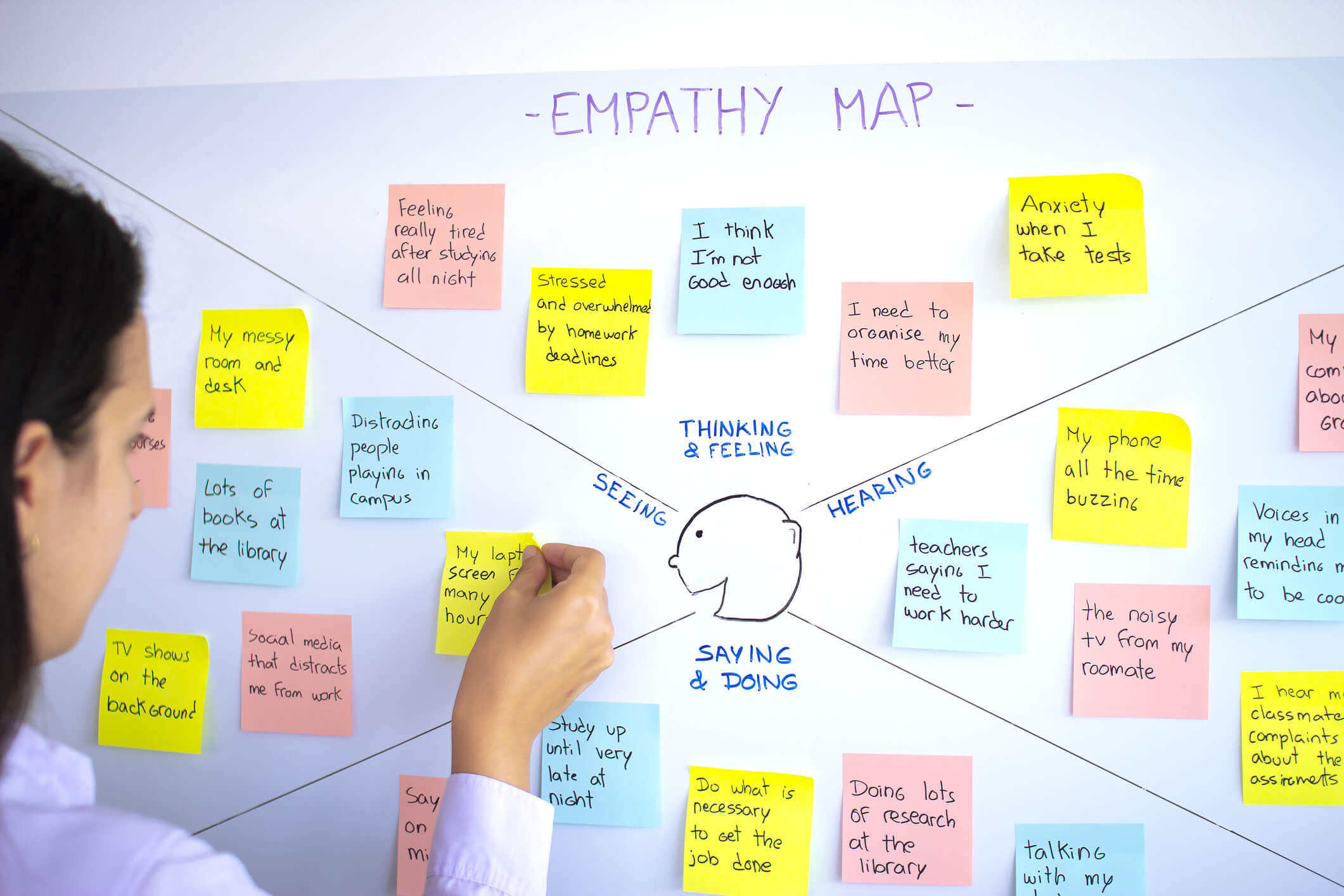
Understanding your customers is crucial for creating effective interactions. You need to consider demographics, delve into their psychological traits, and listen to their feedback. This way, you can tailor your services to match customer needs and expectations.
Gathering Demographic Data
Start by collecting vital information about your customers. Look into details like age, gender, income level, education, and location. This data helps you understand the basic characteristics of your audience.
Create a table or list to organise this information. For example:
| Attribute | Details |
|---|---|
| Age | 25-34 |
| Gender | Male/Female |
| Location | Urban/Suburban |
| Income | £30,000 – £50,000 |
By structuring demographic data, you can identify patterns and trends. It allows you to see what your typical customer looks like.
Analysing Psychographics
Knowing what drives your customers can significantly impact your approach. Psychographics delve into values, interests, and lifestyles. This tells you about their deeper motivations and needs.
Ask questions like: What are their hobbies? What values do they hold important? Understanding these factors helps you predict their behaviour. Create profiles that include interests and attitudes. List common goals or challenges they might face.
Align your strategies with these insights for a more personalised experience. This can significantly enhance customer satisfaction.
Utilising Customer Feedback
Customer feedback provides a direct window into their thoughts and feelings. It is essential for refining your personas. Gather input through surveys, reviews, and direct interactions. This feedback highlights areas where you meet, exceed, or fall short of customer expectations.
Analyse this feedback to identify common themes or issues. Use this information to adjust your approach or address concerns. Show customers that their opinions matter by making visible improvements.
By refining your personas using actual customer experiences, you can better align your offerings with their expectations. It ensures that your business not only meets but anticipates customer needs.
Mapping the Journey
Mapping the customer journey involves a clear understanding of how customers interact with your brand. You outline critical moments where customers engage with your products or services and identify areas to improve their experience. Using effective templates and tools helps streamline this process.
Identifying Key Customer Touchpoints
Start by listing all the touchpoints where customers interact with your brand.
These include contact through websites, social media, customer service, and in-store visits.
Mapping these interactions forms the backbone of your customer journey map.
Break down each part of the journey into stages, such as awareness, consideration, and purchase.
Use diagrams to illustrate how customers move through these stages. This helps you understand which moments are most valuable or require attention. Visual tools like flowcharts can make complex information clearer and more accessible.
Recognising Pain Points and Opportunities
Observe where customers face difficulties or frustrations in their journey. These are the pain points that need addressing.
Use customer feedback, surveys, or analytics to find these areas. Addressing pain points improves the customer experience and strengthens loyalty.
Alongside challenges, look for opportunities to enhance engagement. This could mean adding new touchpoints, simplifying processes, or offering extra support.
Focus on areas with potential for significant positive impact. Opportunities often arise from resolving pain points effectively. By recognising these, you create a smoother, more satisfying customer journey.
Utilising Templates and Tools
Templates and tools are essential for creating a structured and effective customer journey map.
Using frameworks from providers like Miro can save time. These resources standardise mapping by guiding you through each step. With clear templates, you avoid starting from scratch and gain focus on essential elements.
Select tools that offer flexibility and easy collaboration, allowing input from different team members. Online tools can offer real-time adjustments, making collaboration seamless.
Choose those that best fit your team’s needs and goals. With these resources, you can quickly capture and adapt to changes in customer behaviour. This efficiency ensures your customer journey map remains current and practical.
Collecting and Analysing Data
To effectively map the customer journey, collecting and analysing data is crucial. Understanding customers through surveys, user testing, and interviews helps in creating an accurate journey map. These methods uncover insights about customer needs, preferences, and pain points.
Conducting Customer Surveys
Customer surveys are a valuable tool for gathering quantitative data. They allow you to collect large amounts of information quickly. You can use them to understand customer satisfaction, preferences, and opinions. Surveys often include metrics such as the Net Promoter Score (NPS), which measures customer loyalty by asking how likely a customer is to recommend a product or service.
Design surveys with a clear purpose. Use questions that are specific, direct, and relevant to stages in the customer journey. Closed-ended questions provide quantitative data, while open-ended questions offer qualitative insights. Ensure the language is simple and unbiased to avoid influencing responses.
Collect responses across various channels, such as email, social media, or in-app prompts. Analysing survey data can reveal trends and areas that need improvement. Use tools and software for analysing this data to convert raw information into actionable insights. Visualise the data to make it easier to interpret.
Performing User Testing
User testing is about observing real users as they interact with your product or service. It offers qualitative insights into how customers actually use a product. This method helps identify pain points and areas where customers might face difficulties.
During user testing, you can use both moderated and unmoderated sessions. Moderated testing involves guiding the user through tasks while observing their reactions. Unmoderated tests allow users to go through tasks independently, often recorded for later analysis.
Identify specific tasks you want users to complete, reflecting various stages of the customer journey. Encourage users to think aloud to gain a deeper insight into their thought processes. After testing, analyse recorded sessions to identify recurring issues and user behaviours.
Interviewing Customers
Customer interviews provide rich, detailed feedback. They are invaluable for deep diving into customer experiences and preferences. Interviews help in exploring the “why” behind customer actions and decisions.
Prepare a structured set of questions to guide the interview. Focus on open-ended questions to allow for in-depth responses. Interviews can be conducted in person, over the phone, or through video calls.
Create a comfortable setting where customers feel free to express their thoughts. Listen actively and ask follow-up questions to gain more insight. Use interviews to validate findings from surveys and user testing. Analyse the data to spot themes, trends, and unique insights.
Interpreting the Map
To fully understand customer journeys, you need to look at interactions and behaviours and pinpoint key improvement areas. These insights guide businesses in enhancing the overall customer experience.
Examining Customer Interactions and Behaviours
To tap into customer behaviour, it’s essential you focus on each interaction a customer has with your brand. Start by noting key touchpoints like website visits, social media engagement, and in-store experiences. Each interaction provides clues to customer preferences and motivations.
Look for patterns in behaviour. For example, do customers frequently drop off at a certain step? This could indicate a pain point. Additionally, analyse data from surveys, feedback forms, and customer interviews to gain deeper insight into their expectations and frustrations.
Use tools like heatmaps or analytics software to visualise and quantify this data. By collecting and examining behaviour, you can learn how to adapt your strategies. This allows you to meet your customer’s needs effectively and improve their journey with your brand.
Identifying Areas for Improvement
After mapping interactions, the next step is to identify areas needing enhancement. Look for weak points where customers may experience delays or confusion. This might be at the checkout process, during customer support interactions, or on the product information pages.
Consider feedback loops. Customers often voice concerns through channels like reviews or support tickets. Address these pain points iteratively. Implement tests for improvements like streamlined checkouts, better customer service training, or more detailed online FAQs.
Measuring the impact of changes is crucial. Track engagement metrics and sales data to evaluate the effectiveness of improvements. Not only does this strengthen their journey, it also enhances the overall customer experience, building loyalty and satisfaction.
Implementing Actionable Strategies
Focus on building stronger connections with your customers. Make sure your strategies are practical and improve important aspects like support, satisfaction, and loyalty.
Enhancing Customer Support
Effective customer support is key. Train your team to respond swiftly and clearly to queries. Using tools like chatbots and AI can help in providing 24/7 assistance.
Consider setting up a knowledge base or FAQ section to address common questions. This can reduce repetitive enquiries and improve response times. Aim for personalisation in answers to make customers feel valued.
Encourage feedback on interactions to identify areas of improvement. Quality support leads to happier customers and keeps them coming back. Investment in support systems often translates into increased customer trust and loyalty.
Improving Customer Experience and Satisfaction
The customer journey should be smooth and enjoyable. Simplify navigation on your website and ensure it’s mobile-friendly. Every interaction with your brand should be positive.
Gather feedback regularly to understand what your customers like and dislike. Use surveys and social media polls. Then, make changes based on this input.
Personalise their experience by remembering preferences and providing special offers. Reward programmes or exclusive deals can enhance satisfaction. Prioritise a seamless experience by integrating user-friendly tech and responsive design.
Fostering Customer Loyalty and Retention
Loyal customers are essential for growth. Engage with them by creating a loyalty programme with meaningful rewards. Points systems or exclusive perks can work well.
Communicate regularly through newsletters or updates without being overwhelming. Show appreciation for their continued support with thank you notes or discounts.
Monitor retention metrics closely. Understand patterns and reasons behind customer drop-off. Adjust your strategies based on these insights. By recognising and rewarding loyalty, you strengthen the bond and keep customers returning.
Monitoring and Adapting
To successfully map the customer journey, it is crucial to keep a close watch on customer behaviour and be ready to make changes as needed. Listening to feedback and using it to adjust the journey ensures a smoother experience. Continuous improvement helps in retaining loyal customers and boosting customer success.
Tracking Changes in Customer Behaviour
Understanding how customers interact with your brand helps identify shifts in behaviour. Use data analytics tools to monitor patterns and trends. These insights can pinpoint phases in the sales funnel where customers might be dropping off. Regularly updating this data ensures that you’re aligned with customer expectations. Keeping track can help improve the e-commerce customer journey and overall satisfaction.
Adjusting to Feedback
Customer feedback is invaluable for making informed adjustments. Listen to what customers are saying through surveys, reviews, and social media. Constructive feedback can offer guidance on areas needing improvement. Being responsive to feedback builds trust and fosters loyalty. When customers see that their opinions matter, they feel more connected to your brand.
Continual Improvement of the Journey
Continuous improvement is vital for adapting to changing landscapes. Regular assessments help identify new opportunities for enhancing the customer journey. Implement updates that challenge existing norms and embrace innovative solutions. Actively refining processes can lead to better customer experiences and stronger relationships, ultimately driving customer success and building a base of loyal customers.
Industry-Specific Considerations
Mapping customer journeys varies significantly across different industries. Understanding specific needs in ecommerce, B2B, and B2C sectors is important for creating effective maps.
E-commerce Customer Journeys
In ecommerce, mapping customer journeys is complex due to the range of user actions online. Consumers interact through different touchpoints, like browsing, checking product details, and making purchases.
It’s key to capture the entire e-commerce customer journey map, which includes stages from awareness to post-purchase support. Each stage should be analysed for potential obstacles. Consider how a user moves through the sales funnel, addressing points like abandoned carts or delayed purchases.
Creating an effective flow enhances user satisfaction and boosts conversion rates. Understand the importance of a seamless experience for consumers for successful journey mapping.
B2B vs B2C Journey Mapping
The journey mapping for B2B and B2C markets differs substantially. In B2B, longer sales cycles and multiple decision-makers are common. You need to consider these factors to ensure effective mapping of the customer journey.
B2C journeys might seem more straightforward but still require attention to consumer preferences and interactions. User flow in B2B often revolves around building relationships and detailed information exchange, while B2C focuses more on emotions and simplicity.
Understanding these differences is essential for accurate and industry-tailored customer journey maps, providing insights that lead to better strategies and outcomes.
Frequently Asked Questions
Understanding customer journey mapping involves several steps and components. It’s essential to know the stages and what makes a map effective. You can also benefit from looking at examples and following best practices. Here’s how you can navigate through these aspects.
How does one create a customer experience map?
To create a customer experience map, start with research on customer behaviour and interactions. Identify touchpoints where customers engage with your brand. Use this information to outline the complete journey, keeping it aligned with business goals.
Could you detail the seven stages in a customer journey?
The seven stages typically include awareness, consideration, conversion, retention, advocacy, loyalty, and re-engagement. Each stage focuses on different aspects of the customer experience, from initial product discovery to fostering long-term relationships.
What components are essential when designing a customer journey map?
Important components include customer profiles, touchpoints, customer goals, and emotions at each stage. Incorporating feedback and real customer data can enhance accuracy. Visual representation aids in understanding the journey better and allows for strategic adjustments.
In what order should the steps in a customer journey mapping process be arranged?
Start with defining customer personas, then map out touchpoints, and identify customer goals at each stage. Follow through with emotions and pain points analysis. Align stages from awareness to advocacy, ensuring they reflect customer interactions effectively.
Where can I find examples of customer journey maps?
You can find examples in various online resources, including business and marketing websites, academic papers, and industry reports. For instance, a study on customer journey mapping highlights useful practices and steps.
What are considered best practices for constructing a customer journey map?
Best practices include using real data, updating the map regularly, and involving cross-departmental teams. Focus on clarity and avoid over-complicating the map. Engaging stakeholders throughout the process ensures alignment with company goals and customer needs.