
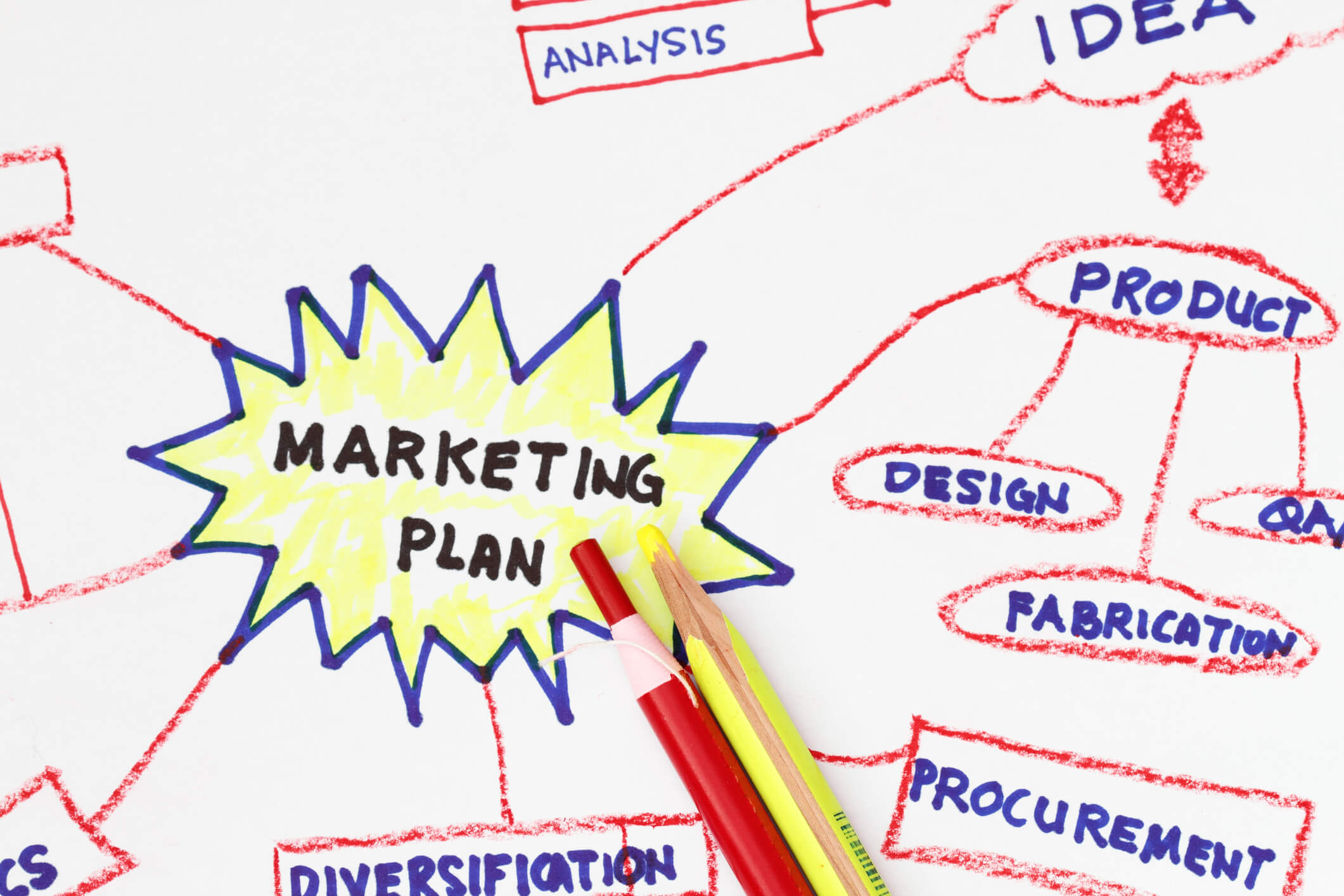
Creating a good marketing plan is essential for business success. Every effective marketing plan includes five key steps: understanding your audience and market, developing marketing objectives, planning strategies and tactics, allocating budget, and measuring success.
These steps create a roadmap that ensures you reach your audience effectively and meet your business goals.
To begin with, understanding your audience and market is crucial. You need to know who your customers are, what they want, and how they behave. This knowledge will help you develop clear marketing objectives that align with your business goals.
Once you have your objectives, planning marketing strategies and tactics becomes easier. You can decide on the best channels and methods to reach your audience. Allocating budget and resources wisely ensures you have the means to execute your plan.
Finally, measuring success and iterating the plan allows for continuous improvement.
Key Takeaways
- A good marketing plan has five key steps.
- Understanding your audience is crucial for success.
- Measuring success helps improve your strategies.
Understanding Your Audience and Market
Knowing your audience and market allows you to tailor your strategies effectively. Key areas include defining your target audience, conducting market research, and performing a SWOT analysis.
Defining Your Target Audience
Start by identifying who your ideal customers are. Consider demographics such as age, gender, income, and education. Psychographics include interests, values, and lifestyles.
Geographic factors such as location can influence buying behaviour. Segment your market into smaller groups to target each more precisely. By pinpointing your target market, you can create marketing messages that resonate and drive engagement.
Conducting Market Research
Market research helps you understand current trends, market share, and competitors. Use surveys, interviews, and focus groups to gather data. Analyse competitor strategies to identify gaps in the market.
Look for opportunities to differentiate your product. Stay aware of threats that could affect your business. Collecting and analysing this data allows you to make informed decisions.
SWOT Analysis: Strengths, Weaknesses, Opportunities, and Threats
A SWOT analysis helps you understand your business better by identifying its strengths, weaknesses, opportunities, and threats.
- Strengths: What sets your business apart? Focus on unique selling points.
- Weaknesses: Identify areas for improvement. Be honest about your limitations.
- Opportunities: Look for ways to grow and expand. Consider market trends and unmet customer needs.
- Threats: Recognise external challenges such as new competitors or changing regulations.
By regularly conducting a SWOT analysis, you can stay prepared and adaptable.
Developing Marketing Objectives and Goals
To create a strong marketing plan, you need to define your objectives and goals. These objectives should be clear, measurable, and aligned with your business mission and values.
Setting Measurable and Achievable Goals
When setting marketing goals, make sure they are specific and measurable. For instance, aim to increase your social media followers by 20% in the next six months. These types of goals give you a clear target to hit and allow you to track your progress.
It’s also important that these goals are achievable. Setting unrealistic goals can lead to frustration and wasted effort. Consider the resources you have available, such as budget and staff, and set targets that you can realistically achieve within your time frame.
Aligning Goals with Business Objectives
Your marketing goals should align with your broader business objectives. For instance, if your business objective is to increase revenue, your marketing objectives might focus on lead generation and conversion rates.
Ensure that your goals enhance your brand awareness and positioning in the market. This alignment helps in creating a cohesive strategy that supports your business mission and values.
Use KPIs to monitor progress. For example, track metrics like website traffic, social media engagement, and sales numbers. These KPIs will help you see whether your marketing efforts are pushing you towards your business objectives.
Planning Marketing Strategies and Tactics
When planning marketing strategies and tactics, you need to focus on selecting the right channels, creating effective content, and utilising digital marketing techniques. Each of these components plays a crucial role in the success of your marketing plan.
Selecting Appropriate Channels and Tactics
Choosing the right marketing channels is vital. These channels include social media, email, search engines, and public relations. You need to consider your target audience and where they are most likely to engage with your brand. Social media platforms like Facebook, Twitter, and Instagram are great for younger audiences, while LinkedIn may be more appropriate for professional connections.
Once you’ve identified your channels, decide on the tactics you’ll use. This can include sponsored posts, email newsletters, search ads, and press releases. It’s important to mix various tactics to reach your audience in different ways. For example, combining email marketing with social media campaigns can create a more comprehensive approach.
Creating a Content Marketing Strategy
A well-thought-out content marketing strategy is crucial for building brand awareness and engaging with your target audience. Start by understanding your audience’s interests and pain points. Create valuable and relevant content that addresses these needs. This can include blog posts, videos, infographics, and eBooks.
Focus on maintaining consistency in your content. Develop a content calendar to plan and schedule your posts. This ensures a steady flow of content and keeps your audience engaged. Additionally, leverage user-generated content to build trust and authenticity.
Measure the performance of your content by tracking key metrics such as engagement rates, click-through rates, and conversions. Use these insights to refine and improve your strategy over time.
Utilising Digital Marketing Techniques
Digital marketing techniques help amplify your reach and effectiveness. These techniques include search engine optimisation (SEO), pay-per-click (PPC) advertising, and social media marketing. SEO ensures your content ranks well on search engines, making it easier for potential customers to find you.
PPC advertising allows you to target specific keywords and demographics, providing immediate visibility on search engines. Social media marketing involves using platforms like Facebook, Instagram, and LinkedIn to connect with your audience. Each platform has its own strengths, so tailor your approach to fit the platform.
Email marketing is another vital digital marketing tool. It helps maintain direct communication with your audience. Segment your email list to deliver personalised messages, improving engagement and conversion rates.
By combining these strategies and techniques, you can create a robust marketing plan that drives results.
Allocating Budget and Resources
A good marketing plan relies heavily on effectively allocating your budget and resources. This involves both setting an appropriate marketing budget and distributing resources across various campaigns and channels efficiently.
Determining Marketing Budget
Setting the right marketing budget is crucial. Start by reviewing your company’s financials and defining clear marketing goals. Your budget needs to align with these goals while also considering your overall revenue.
You can use a percentage of revenue method, where a portion of your total revenue, usually 5-10%, is allocated to marketing. Evaluate past marketing efforts to identify which strategies provided the best return on investment. This historical data can guide your budget allocation.
Additionally, factor in both fixed and variable costs. Fixed costs include salaries for your marketing team, software subscriptions, and agency fees. Variable costs can include campaign-specific expenses like online ads, promotional materials, and event sponsorships. Always leave some room for unforeseen expenses to make sure your plans can adapt as needed.
Resource Allocation for Campaigns and Channels
Once your budget is set, the next step is distributing your resources across different marketing campaigns and channels. Create a plan that balances investments in short-term gains and long-term growth. Prioritise channels that have shown high engagement and conversion rates.
Use tools like analytics software to track performance metrics. Data-driven decisions ensure you’re allocating resources effectively. Define clear roles and responsibilities within your team to prevent resource overlap and maximise efficiency. For example, assign specific staff to manage social media, content creation, and email marketing.
Consider the quality of each marketing channel. High-quality content and well-executed campaigns in fewer channels often perform better than spreading resources too thin across many channels. Continuously monitor and adjust your strategy based on performance to make sure you’re getting the best possible return on your investment.
Measuring Success and Iterating the Plan
Successful marketing depends on both tracking key metrics and adapting strategies. Establishing clear metrics helps you understand the effectiveness of your efforts, while iterating plans ensures constant improvement.
Establishing Key Metrics and Analytics
First, you need to select the key metrics that align with your business goals. Metrics such as conversion rate, organic traffic, and lead generation are vital. These help you understand how well your strategies are performing.
For accuracy, use analytics tools like Google Analytics. These tools can track user behaviour, website traffic, and engagement. It’s also important to set a timeline for when you will measure these metrics, whether it’s monthly, quarterly, or yearly.
Visualising data with dashboards or charts can help quickly spot trends and issues. Understanding these patterns helps you make data-driven decisions.
Reporting and Adapting Strategies
Once you have collected data, you need to report your findings. Summarise the performance of each metric in clear reports. Highlight areas of success and those needing improvement. Regular reporting, such as monthly or quarterly reviews, keeps the team informed.
Adapting your strategies based on this information is crucial. If a campaign is underperforming, examine the data to find out why. Adjust your tactics to optimise results. Maybe increase focus on lead generation if it’s lacking or shift resources to boost organic traffic.
Iteration involves making small changes, tracking the effects, and adjusting as necessary. This continuous process ensures that your marketing plan remains effective and aligned with your business goals.
Using a map or timeline of your strategies and their adjustments can keep your team on the same page. Regular iteration helps in maintaining the relevance and effectiveness of your marketing efforts.
Additional Resources for Marketing Planning
To create an effective marketing plan, it’s essential to use available resources. These include templates and guides that simplify the process, as well as real-world examples that offer inspiration and practical insights.
Templates and Guides
Templates and guides can streamline the marketing planning process for small businesses or large corporations. A marketing plan template provides a structured framework, helping you to organise your thoughts and strategies.
These tools often cover various sections, such as market analysis, target audience, and financial projections. Using a free marketing plan template can save time and ensure no critical component is overlooked.
Guides offer step-by-step instructions and best practices for specific types of marketing plans. Whether you’re planning for B2B or B2C markets, launching a new product, or updating an existing plan, these resources are invaluable. They provide detailed explanations and examples of successful strategies, making it easier to implement them in your marketing efforts.
Marketing Plan Examples and Inspiration
Seeing real-world examples of marketing plans can provide motivation and insight. Many successful marketing plans from various industries show how different strategies can be applied effectively.
For small businesses, analysing examples from similar companies can be particularly helpful. These examples often include key elements like market research, SWOT analysis, and budget allocation. By examining these plans, you can get a better idea of what works and what doesn’t, helping to refine your own strategies.
Additionally, inspiration can come from both successful and failed attempts. Understanding the obstacles others have faced and how they overcame them can be enlightening. Whether you are looking to expand into new markets or improve brand awareness, these examples serve as a valuable resource for crafting a robust marketing plan.
Frequently Asked Questions
These questions cover the key aspects of creating an effective marketing plan, providing clarity on essential components and processes.
What constitutes an effective marketing plan?
An effective marketing plan focuses on clear goals, target audience, and strategies to meet business objectives. It should be specific, measurable, and achievable, considering market conditions and customer needs.
How can one illustrate the process of marketing planning with an example?
To illustrate, you could create a marketing plan for a new product launch. Start with market research, identify your target audience, set objectives, develop strategies like social media campaigns, and outline a budget.
In what way do the various stages of the marketing planning process interact?
Each stage in the marketing planning process builds on the previous one. Research informs strategy, strategy shapes tactics, and tactics lead to execution. Feedback loops help refine each phase for continuous improvement.
Could you list the essential components of a marketing strategy template?
A marketing strategy template should include an executive summary, market analysis, target audience, marketing goals, strategies, tactics, budget, and metrics for success.
What format does a comprehensive sample marketing plan typically follow?
A comprehensive sample marketing plan often follows a structured format: executive summary, situational analysis, market research findings, target audience profiles, marketing strategies, action plans, budgets, and performance metrics.
How does one measure the success of a strategic marketing initiative?
Measure success by setting clear KPIs like sales growth, market share, customer acquisition, and retention rates. Use tools such as Google Analytics, customer surveys, and sales data to track and analyse performance.


