
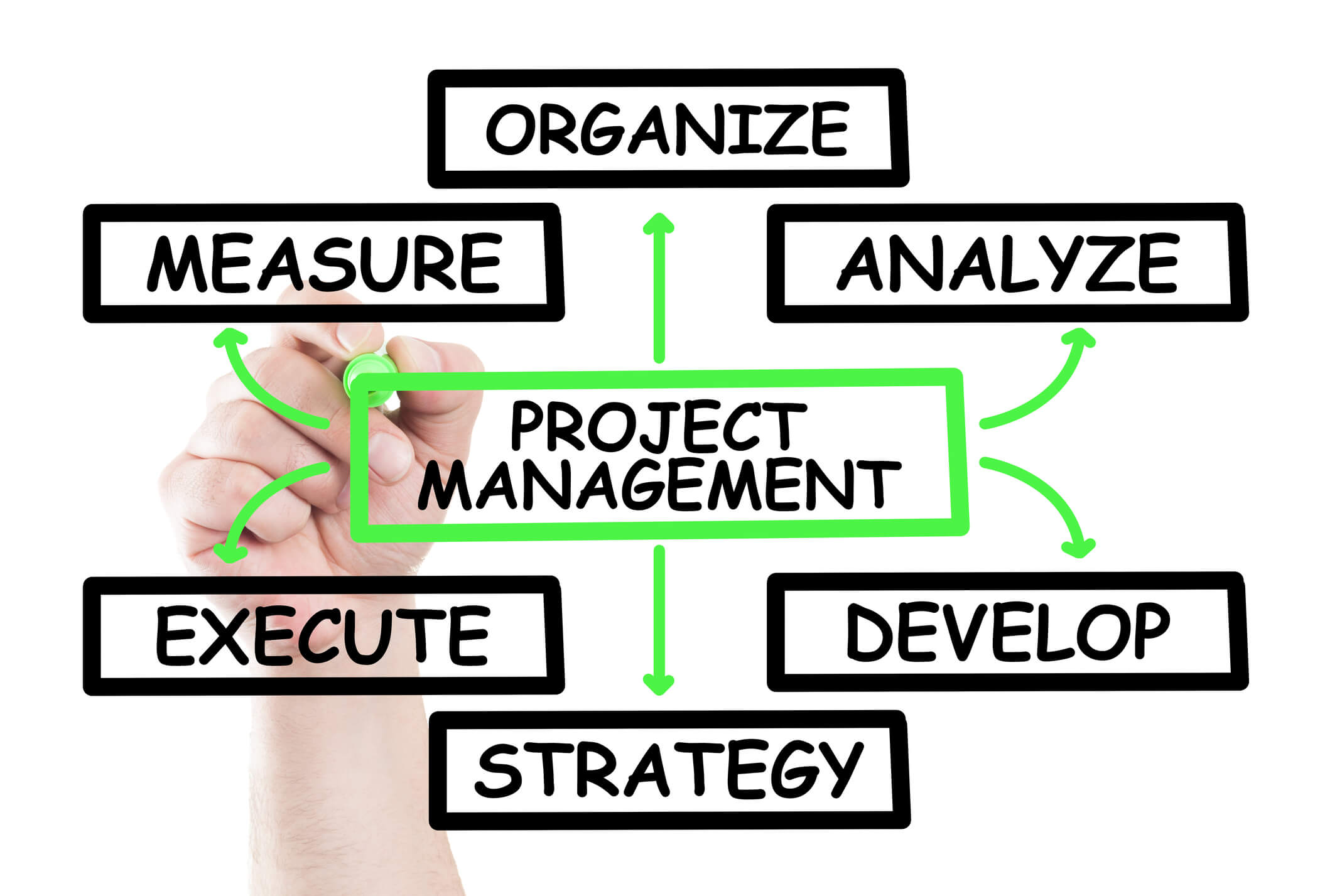
Successful project management relies on understanding key concepts that can make or break your project. The five pillars of project management are scope, time, cost, quality, and risk. Each pillar supports your project’s foundation, ensuring that you achieve your goals while navigating challenges skillfully.
By mastering these pillars, you can implement effective strategies that enhance tracking and performance throughout your project lifecycle. From planning to closure, recognising the importance of these elements will allow you to lead your projects with confidence and clarity.
Key Takeaways
- The five pillars guide project planning and execution.
- Effective strategies enhance tracking and performance.
- Understanding closure ensures project success and learning.
The Five Pillars of Project Management
In project management, having a solid foundation is essential for achieving success. The following pillars highlight critical aspects of effective project management, ensuring that you lead your team towards accomplishing project goals and staying on track.
Vision and Mission
Every project begins with a clear vision and mission. This sets the direction and purpose, guiding the project team throughout the process. A well-defined vision inspires team members and stakeholders, helping them understand what success looks like.
To establish this, you should engage in brainstorming sessions with key stakeholders. This collaboration can help define the objectives and align everyone’s expectations. Remember, a strong vision also increases commitment, allowing you to harness human capital effectively.
A coherent mission statement supports this vision by clearly stating the project’s purpose. It describes how you intend to achieve your objectives, further enhancing focus and motivation.
Organisation and Governance
Organisation and governance structures are vital for effective project management. This defines how responsibilities are assigned within the project team and with stakeholders. Clear roles prevent confusion and ensure that every aspect of the project is managed efficiently.
Establishing a governance framework includes setting up decision-making protocols and reporting lines. As a project manager, your skills in organising these elements will directly influence project execution. You’ll need to be flexible, adapting the structure as the project evolves.
Additionally, effective communication between stakeholders is essential. Regular check-ins and updates foster transparency and keep everyone aligned with the project’s objectives. This will help in making timely adjustments as needed.
Rigorous Planning
Rigorous planning is central to successful project management. This phase involves detailed project planning, allocating resources, and scheduling tasks. A comprehensive plan provides a roadmap for the project, guiding your team toward milestones.
You should break down the project into manageable phases, each with specific objectives. This allows for more accurate resource allocation and better management of capacity. A detailed schedule helps track progress and ensures that deadlines are met.
Use project management tools to facilitate this process, creating visual aids like Gantt charts or project timelines. These tools enhance collaboration and maintain focus on priorities, further contributing to the project’s success.
Effective Communication
Effective communication is crucial for keeping your project on track. Open lines of communication among team members and stakeholders improve collaboration and ensure that everyone is informed.
Implement regular updates through meetings and reporting tools to share critical information. Encourage feedback and provide a platform for discussions. This can enhance performance and make team members feel valued.
Clear communication helps prevent misunderstandings and scope creep. It ensures that all parties are on the same page about project goals and progress. Always be proactive in addressing potential issues as they arise.
Continuous Monitoring and Risk Management
Continuous monitoring and risk management are essential for adapting to challenges throughout the project. Regularly assessing project performance against the plan allows you to identify issues early on. This proactive approach helps mitigate risks before they escalate.
You should establish key performance indicators (KPIs) to measure project success. These metrics will help in tracking progress and identifying areas needing improvement. Implementing quality assurance processes ensures that deliverables meet required standards.
Additionally, develop a risk management plan. This should outline potential risks, their impact, and strategies for mitigation. By being prepared for unforeseen challenges, you can maintain project momentum and achieve desired functionality.
Implementation Strategies
In project management, effective implementation strategies are crucial to ensuring that your project meets its goals. Focused approaches in resource management, quality control, and stakeholder engagement will help in achieving better results.
Resource Management
Effective resource management is key to your project’s success. It involves identifying what resources, such as personnel, equipment, and budget, are necessary to complete the project.
You need to assess the capacity of your resources and allocate them appropriately. This means ensuring that team members have the skills required for their tasks. Create a resource allocation plan to avoid bottlenecks that can delay progress.
Monitoring resource usage regularly will help you adjust allocations as needed. Use tools like Gantt charts to visualise resource assignments and timelines. This provides clarity and helps keep the project on track.
Quality Control Procedures
Quality control is essential to meet quality standards and satisfy stakeholder expectations. Begin by establishing clear quality assurance procedures to ensure all aspects of your project align with both your goals and the requirements set by stakeholders.
Document your processes, and set benchmarks for evaluation. This helps in identifying any deviations early. Regular audits and reviews can provide insights into quality issues.
Incorporate feedback loops to encourage continuous improvement. Engaging your team in quality discussions fosters a culture of accountability and diligence. By prioritising quality control, you minimise the need for costly revisions later on.
Stakeholder Engagement
Engaging stakeholders effectively plays a crucial role in the implementation phase. Clear and consistent communication is essential for alignment and collaboration.
Identify who your stakeholders are and understand their interests and concerns. Regular updates through meetings or reports ensure everyone stays informed.
Using surveys or feedback sessions allows stakeholders to voice their thoughts, fostering a sense of involvement. This can lead to better decision-making and increased support for the project.
Remember, building strong relationships with stakeholders can often lead to enhanced collaboration and improved outcomes. Engaging them early and often ensures your project remains relevant to their needs.
Tracking Project Performance
Measuring how well a project is doing is vital for achieving success. It helps you to see if you are meeting your goals, sticking to the schedule, and managing risks effectively. By focusing on the right indicators and being adaptable, you can ensure that your project stays on track.
Performance Indicators
To track project performance, you must define clear performance indicators. These are benchmarks that show how well the project is progressing.
Key indicators often include:
- Project Milestones: These are specific points in the project timeline that represent significant progress, such as completing a major task.
- Schedule Adherence: Monitoring if your project is progressing according to the planned schedule is essential.
- Reporting Metrics: Regular updates help in assessing progress and making informed decisions regarding adjustments needed.
By regularly assessing these indicators, you gain insights into whether you are meeting the project scope and objectives. This practice also enhances risk management, allowing you to identify potential issues early.
Adaptability and Issue Resolution
Flexibility plays a significant role in tracking project performance. When unexpected challenges arise, your ability to adapt is crucial.
You should establish a process for:
- Identifying Problems Early: Regular status checks can highlight areas needing attention.
- Issue Resolution Strategies: Having a plan in place for addressing challenges quickly can mitigate delays.
Your team should be encouraged to communicate openly about any hurdles they face. This communication can lead to quicker solutions and less impact on the overall project performance. By remaining adaptable, you can help maintain focus on project goals while effectively managing risks that could affect your product and schedule.
Project Closure and Review
In this phase, you aim to ensure a smooth end to the project while gaining valuable insights for future endeavours. Effective closure is key to project success and enhances the knowledge of your project team.
Finalising the Project
Finalising the project involves several critical steps. First, ensure that all deliverables meet quality standards. Conduct a thorough review to confirm that the product aligns with initial goals.
Once verified, formally document the achievements and outcomes. This may include a project closure report detailing successes, challenges, and any unfinished tasks.
Additionally, it is important to clear any outstanding issues or payments. This includes finalising contracts and ensuring all resources are accounted for. A well-structured closure process sets the stage for recognising and celebrating your team’s accomplishments.
Learning and Development
The closure phase is an excellent opportunity for learning and development. Gather your project team for a review meeting to discuss lessons learned. This allows everyone to share insights about what worked well and what could improve.
Create a ‘lessons learned’ document to capture these insights. This document becomes a valuable resource for future projects. Use it to enhance strategies and processes, ultimately improving project outcomes.
Encouraging open dialogue during this stage fosters a culture of continuous improvement among your team. Your commitment to learning ensures that each project contributes to the team’s growth, increasing overall project success in the future.
Frequently Asked Questions
This section addresses common inquiries related to the core tenets of project management. Understanding these concepts can clarify the role of each pillar and how they function together to ensure project success.
What examples illustrate the core principles of project management?
Core principles include clearly defined objectives, effective communication, and diligent planning. For instance, a project to organise a community event must set specific goals, involve regular updates among team members, and require a detailed timeline to ensure all tasks are completed on schedule.
Can you outline the five basic principles that govern project management?
The five basic principles include:
- Integration – ensuring all parts of the project work together.
- Scope – defining what is included and what is not.
- Time – managing the project timeline.
- Cost – adhering to the budget.
- Quality – meeting the required standards in deliverables.
How do the five elements of project management contribute to its success?
Each element plays a vital role. Integration keeps the project aligned with its goals, while a clear scope prevents scope creep. Managing time and cost optimally ensures resources are used efficiently, and maintaining quality helps meet stakeholder expectations.
Could you explain the differences between the various pillars of project management?
The pillars of project management include leadership, communication, risk management, stakeholder engagement, and resource management. Leadership focuses on guiding the team, while communication ensures clarity. Risk management identifies potential issues, stakeholder engagement builds support, and resource management allocates necessary assets effectively.
In what ways do the central tenets of project management influence its outcomes?
The central tenets establish a solid foundation for project execution. They influence planning phases, resource allocation, and team dynamics. When these principles are followed, projects are more likely to meet deadlines, stay within budget, and fulfil quality requirements.
What essential principles should be considered in the development of project management strategies?
Key principles include stakeholder involvement, regular review and adaptation, and risk assessment. Engaging stakeholders ensures their needs are met, while regular reviews allow for adjustments as needed. Assessing risks upfront prepares the team for challenges, enhancing the likelihood of project success.


