
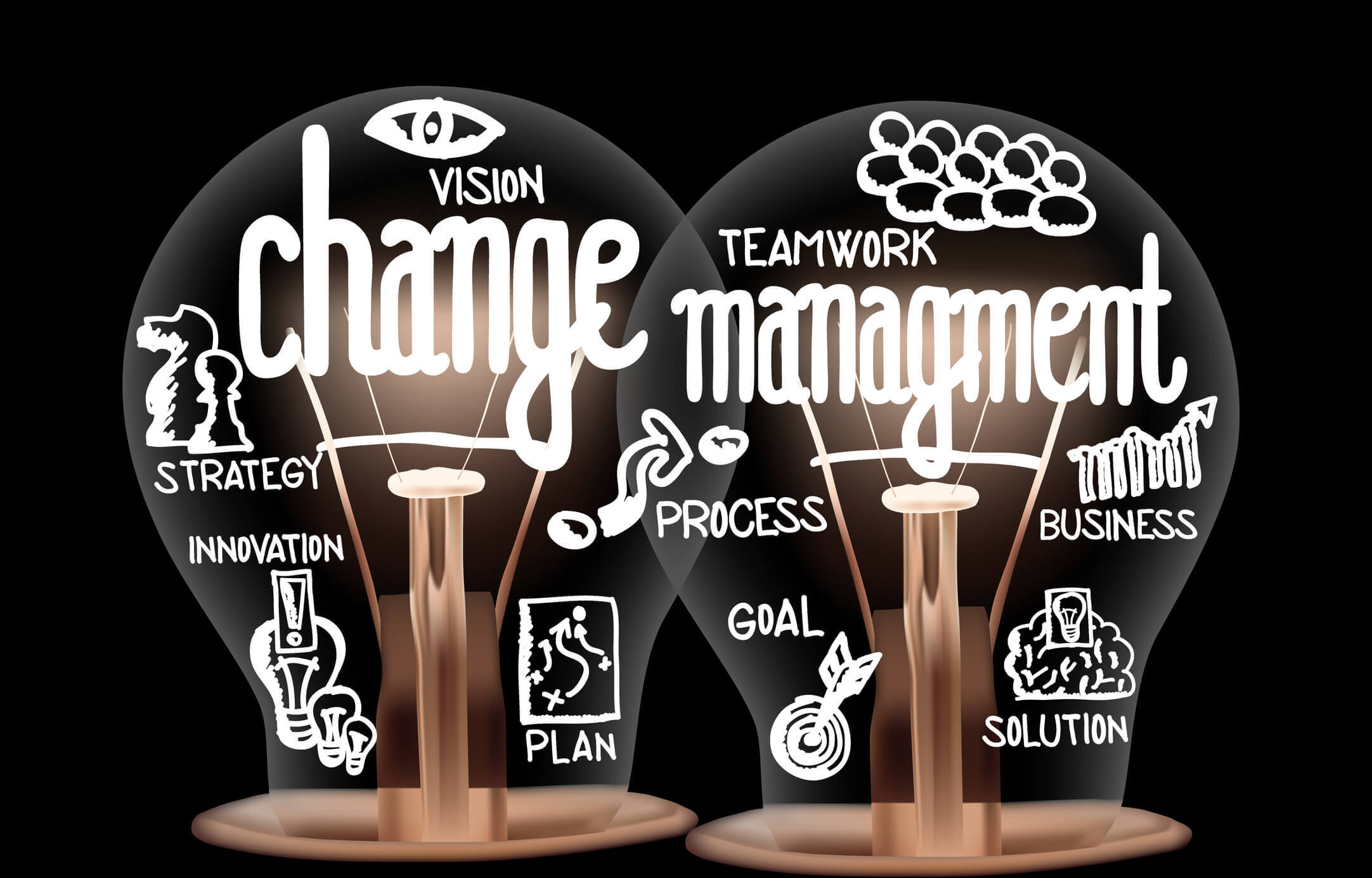
Change management is a crucial aspect of any successful organisation. Understanding how to manage change effectively can make a significant difference in achieving your goals.
The four principles of change management are: communicate effectively, involve everyone, offer support and training, and monitor progress. These principles help ensure that changes are smoothly implemented and sustained.
Communicating effectively means making sure that everyone understands the reasons behind the change. Involving everyone in the process helps to foster a sense of ownership and reduces resistance. Offering support and training ensures that all team members have the skills they need to adapt to the changes.
Monitoring progress is essential to ensure that the changes are having the desired impact. Regularly check in with your team and adjust your strategies as needed. Emphasising these principles can make your change initiatives more successful and less stressful for everyone involved.
Key Takeaways
- Effective communication is crucial for change management.
- Involvement and support increase acceptance of change.
- Regular monitoring helps in adjusting strategies effectively.
Understanding Change Management
Change management is essential for organisations to adapt, grow, and thrive in today’s rapidly evolving environment. It involves implementing plans and strategies to manage the impact of transformations, mergers, and new technologies.
The Need for Change Management
In today’s world, organisations face constant pressure to innovate and stay competitive. Whether through introduction of new technologies, mergers, or growth initiatives, change is unavoidable. To manage this effectively, change management is crucial.
Without a structured change process, efforts can become chaotic, leading to confusion and resistance within your team. Effective change management minimizes disruption and aligns your team towards common goals. This ultimately fosters a smoother transition and supports long-term success.
Key Components of Change Management
Effective change management requires careful planning and execution. Key components include:
- Clear Vision and Objectives: Establish a clear vision and specific goals to guide the transition. This ensures everyone understands the purpose and expected outcomes.
- Stakeholder Engagement: Involve all relevant stakeholders from the outset. Their input can provide valuable insights and foster a sense of ownership and buy-in.
- Communication: Maintain open and transparent communication throughout the change process. Regular updates help manage expectations and reduce uncertainty.
- Training and Support: Provide necessary training and resources to help your team adapt to new tools, technologies, or processes. Support can be in the form of workshops, tutorials, or one-on-one sessions.
- Monitoring and Evaluation: Continuously monitor progress and evaluate the effectiveness of the change management efforts. This allows for adjustments and improvements to be made as needed.
Implementing these components effectively ensures that your organisation navigates the complexities of change with confidence and resilience.
Principles of Change Management
Change management is a crucial process in any organisation. This section will explore the core principles that guide successful change management, including defining clear goals, effective communication, and strong leadership.
Defining Principles of Change Management
You need clear principles to guide the change process. The first principle is defining a clear vision for the change. This means knowing why the change is needed and what the end goal is. It helps everyone understand the purpose and direction of the changes.
Effective communication is equally important. You must ensure that information about the change is shared openly and transparently. This helps to reduce uncertainty and resistance from employees.
Involvement is the third key principle. When you include your team in the planning and implementation stages, it builds a sense of ownership and engagement. This increases their commitment to the process.
Finally, strong leadership is essential. Leaders need to support the change and guide their teams through the process. They should be role models, showing confidence and commitment to the change. By following these principles, you can manage change more effectively in your organisation.
Strategic Planning
Strategic planning in change management focuses on creating a structured approach to implement change effectively. This involves developing a detailed plan, setting objectives, and identifying necessary resources and support.
Developing a Change Management Plan
Creating a change management plan is essential. The plan should outline the steps needed to achieve the desired change. It should start with a clear vision that defines what you aim to accomplish. Include a timeline with specific milestones.
Key elements to include:
- Detailed actions: Break down the actions required to achieve each milestone.
- Stakeholder roles: Define who is responsible for each task.
- Risk management: Identify potential risks and create strategies to mitigate them.
- Communication plan: Outline how you will keep stakeholders informed throughout the process.
By having these elements in place, you’ll ensure that everyone understands their role in the change process.
Setting Clear Objectives
Setting clear objectives is crucial for successful change management. Objectives provide direction and a measurable way to track progress. They should be specific, measurable, achievable, relevant, and time-bound (SMART).
Important aspects:
- Specific targets: Define what success looks like.
- Measurable criteria: Use metrics to measure progress.
- Achievability: Set realistic goals considering the available resources.
- Relevance: Ensure objectives align with the overall vision.
- Time-bound deadlines: Set deadlines for each objective to maintain momentum.
Clear objectives help in maintaining focus and guiding efforts towards desired outcomes.
Identifying Resources and Support
Identifying the necessary resources and gaining support from stakeholders are critical steps. Resources can include personnel, financial investments, and technological tools.
Steps to follow:
- Assess needs: Determine what resources are required for each phase.
- Allocate resources: Assign available resources efficiently.
- Seek stakeholder buy-in: Engage stakeholders to gain their support.
- Provide training: Ensure everyone involved has the necessary skills.
By thoroughly identifying and managing resources, you’ll be better positioned to handle challenges and sustain progress towards your change goals.
Executing the Change
Effective execution of change requires careful planning and attention to both the implementation processes and the management of the transition and transformation phases. Each step must be meticulously handled to ensure a smooth integration into the new operational framework.
Change Implementation Processes
During the implementation phase, clear and concise communication is crucial. Ensure everyone understands their responsibilities and the new processes that will be in place.
Timelines play a significant role. Establish a structured timeline with achievable milestones. This helps keep everyone on track and measures progress.
Operational efficiency can be maintained by providing necessary training. This ensures that all team members are equipped to handle their new roles effectively.
Additionally, resources such as training materials and support systems should be readily available to assist during the changeover. A step-by-step approach to the implementation processes helps make the transition smoother and less daunting for everyone involved.
Managing Transition and Transformation
Managing the transition involves guiding people through the psychological shift of adopting new methods. This starts with addressing any resistance to change through open communication.
Transition periods may be challenging, so it’s important to monitor progress continually. Set regular check-ins to address any issues promptly.
Transformation means altering long-term attitudes and adapting to new ways of working. Provide ongoing support and training. This can help in fostering a culture that embraces change positively.
Identify and celebrate small wins to motivate the team and create a sense of accomplishment during the transition. This not only sustains morale but also reinforces the benefits of the new system, leading to a smoother transformation.
Communication and Involvement
Effective communication and active involvement of stakeholders are critical for successful change management. It’s crucial to establish open channels for communication and ensure that everyone involved understands their role and the objectives of the change.
Encouraging Effective Communication
Clear and effective communication is essential in any change management process. You need to create a communication plan that outlines how and when information will be shared. This plan ensures that everyone is informed and reduces uncertainty.
Use multiple communication channels, such as emails, meetings, and newsletters, to reach all employees. Address concerns and questions promptly to build trust. Regular updates keep everyone on the same page and help prevent misunderstandings and resistance.
Feedback is another crucial element. Encourage employees to share their thoughts and concerns. This not only helps in identifying potential issues early but also makes employees feel valued and involved in the process.
Stakeholder Involvement and Participation
Involving stakeholders early in the change process is key to gaining their buy-in and reducing resistance. By including them in the planning and decision-making stages, you ensure that their insights and expertise are utilised effectively.
Conduct meetings and workshops to gather input from different stakeholders. This collaborative approach helps in addressing concerns and developing strategies that are more likely to be accepted by everyone.
Create opportunities for active participation, such as task forces or committees, where stakeholders can contribute to the change initiatives. This involvement not only helps in leveraging their knowledge but also fosters a sense of ownership and commitment to the change process.
Support and Training
Successful change management involves providing resources and support to people, along with training programmes for skill development. These elements are key to helping teams adapt and thrive in new environments.
Providing Resources and Support
Ensuring your team has the right resources is crucial. Adequate resources and support can include tools, technology, and funding. When people feel supported, they are more likely to embrace change. It’s important to identify what resources will be needed well in advance.
Collaboration is another critical factor. Establish open lines of communication to address concerns and provide regular updates. Create an environment where feedback is encouraged and addressed promptly. This helps build trust and ensures that everyone is on the same page.
Active support from leadership is essential as well. Managers should act as role models by adopting new behaviours and leading by example. Their continuous engagement can motivate and reassure the team.
Training Programmes for Skill Development
Training programmes are essential for developing the necessary skills to adapt to changes. Tailored training can ensure that all team members are prepared for their new roles and responsibilities. This could involve workshops, seminars, or online courses.
Regular and ongoing training initiatives must be put in place. These programmes should not be one-off events but rather part of a continual learning process. Evaluate their effectiveness periodically and make adjustments as necessary.
Another important aspect is involving employees in the training process. Encourage them to share their knowledge and experiences. Peer learning can be particularly effective, as it promotes collaboration and reinforces new skills through practice and feedback.
Monitoring and Feedback
Effective change management depends on constant monitoring and gathering feedback to understand the impact of changes and make necessary adjustments. Monitoring the performance and gathering feedback ensures that the change implementation is in line with organisational goals.
Evaluating Change Impact and Performance
Monitoring involves assessing how changes affect both processes and people. This helps to identify areas that need improvement. Using performance audits, you can track key metrics to keep an eye on progress. These audits look at several indicators, such as productivity, employee morale, and customer satisfaction.
Key performance indicators (KPIs) are crucial for evaluating the success of the change. KPIs could include revenue growth, cost savings, and employee engagement levels. Regular performance reviews allow you to understand the practical and emotional responses (head and heart) of your employees to the changes. Reviewing these parameters ensures that the changes are delivering the desired results and identifies areas for improvement.
Gathering and Implementing Feedback
Gathering feedback is essential to allow continuous improvement. Employees and stakeholders often have insights that top management might miss. Feedback can be collected through surveys, suggestion boxes, and meetings. This direct input can reveal how changes are received and where adjustments are needed.
Make sure to implement the feedback where relevant. Psychologically, when employees see their feedback being implemented, they feel valued and engaged. This can lead to improved performance and a smoother change process. Monitoring and adjusting based on feedback keeps the change process dynamic and effective, ensuring it meets the changing needs of the organisation.
Consolidating and Integrating Change
To consolidate and integrate change successfully, it is crucial to reinforce new behaviours and measure the effectiveness of changes over time. This helps ensure that the changes become embedded in the organisational culture and yield long-term benefits.
Reinforcing Changes and Building a New Culture
Sustaining change means integrating new practices into the daily routines of employees. This often requires reinforcing the changes through consistent communication and training.
Encourage feedback and recognise employees who embrace new methods. Recognition not only boosts morale but also sets a standard for others to follow. Create opportunities for workers to take ownership of their roles. This sense of ownership helps in maintaining high engagement.
Building a new culture may involve altering existing structures or creating new teams. Ensuring that these new ways of working are sustainable is crucial to the continued success of the change efforts. New behaviours need to be rewarded and celebrated to be fully integrated into the culture.
Measuring Long-Term Success
To understand the effectiveness of the changes, it is important to measure long-term outcomes. Use key performance indicators (KPIs) to track progress. These KPIs could include measures of productivity, customer satisfaction, and employee morale.
Surveys can be useful tools for gaining insight into employee experiences and perceptions. Regularly conducting these can help identify challenges and areas for further improvement. Look for metrics that indicate a competitive advantage gained through the changes.
Consistent assessment helps ensure that the changes are not only implemented but also sustained over time. Adjustments may be necessary, and continuous monitoring allows you to make informed decisions to further embed the changes into the organisational fabric.
Continuous Improvement
Continuous Improvement involves consistently striving for better processes and outcomes through proactive strategies. It includes learning from past experiences and adjusting strategies for ongoing success.
Learning from Experience
Learning from experience is essential for continuous improvement. By analysing past projects and identifying what worked well and what didn’t, you can develop a clear understanding of best practices.
Incorporating insights from a specific group of experts can enhance your approach. Experts can offer valuable feedback, helping you refine your methods. For instance, following established change management models can guide you through effective implementation steps. This constant evaluation and learning help improve productivity and make your team more agile in managing change.
Adjusting Strategies for Ongoing Success
Adjusting strategies is crucial to meet the ever-changing needs of your organisation. Regularly revisiting and adapting your change management plans ensures they stay relevant and effective.
Proactive strategies are vital in anticipating potential obstacles and managing change resistance. As a change manager, you should frequently review the strategies and make necessary adjustments. This keeps you prepared for different scenarios and ensures ongoing success.
By focusing on fine-tuning your processes and being open to change, you maintain productivity and agility, ultimately leading to more successful outcomes.
Frequently Asked Questions
Understanding the principles of change management helps in dealing with transformations effectively. This section covers key aspects such as core principles, essential components, and practical applications.
What constitutes the core principles of managing change effectively?
Effective change management involves four key principles: understanding the change, planning and implementing support structures, communication, and monitoring and evaluation. By focusing on these principles, you can guide your organisation through change smoothly.
Can you outline the quintessential components for successful change management?
Successful change management includes stakeholder engagement, strategic planning, continuous communication, and training initiatives. Each of these components plays a vital role in ensuring that all team members are aligned and prepared.
How can one apply the foundational principles of change management in practice?
To apply these principles, start by clearly defining the change and its impact. Establish support systems and open communication channels. Provide training and resources to support employees, and regularly monitor progress to make adjustments as needed.
What are the essential elements to consider when facilitating organisational change?
When facilitating change, focus on stakeholder buy-in, clear communication, consistent training, and regular feedback. Ensuring that everyone understands their role in the change process and feels supported is crucial for success.
How do the main principles of change management support the change process?
The core principles—understanding, planning, communication, and evaluation—create a structured approach. They help in anticipating challenges, providing clear guidance, and ensuring that progress is tracked, which collectively supports a smooth change process.
What frameworks exist for understanding the primary principles of managing change?
Several frameworks can help, including Kotter’s 8-Step Change Model, Lewin’s Change Management Model, and the ADKAR Model. These frameworks provide structured approaches and tools to manage change effectively.


