
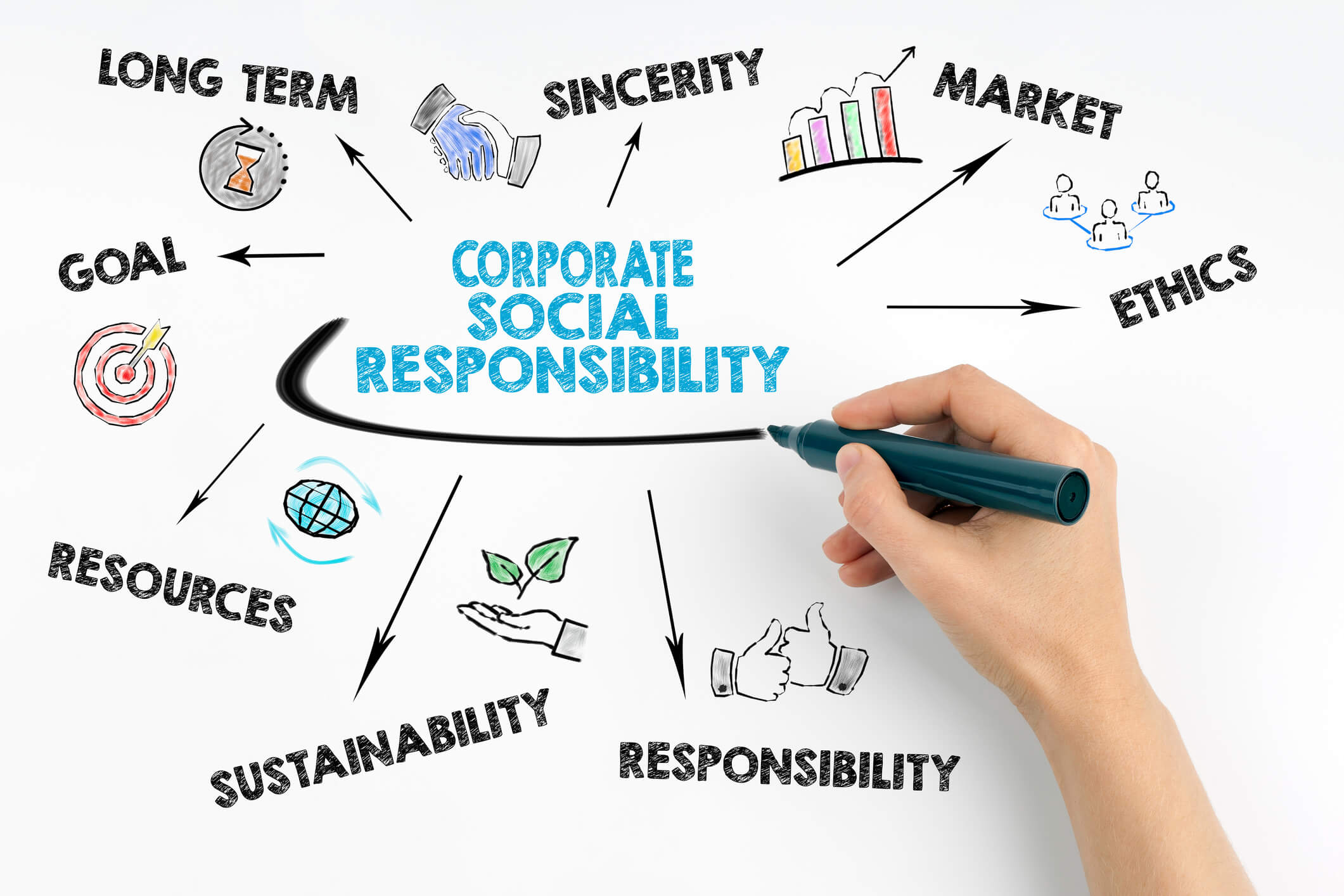
Corporate social responsibility (CSR) refers to the efforts a company makes beyond profit generation to positively impact society and the environment. CSR activities can include environmental efforts, philanthropy, ethical labour practices, and volunteering, all of which aim to contribute to societal well-being.
These initiatives reflect how businesses engage with their communities and address environmental concerns.
By integrating CSR into your company’s strategy, you show accountability not only to shareholders but also to employees, customers, and the broader public. Companies often find that focusing on sustainability and social responsibility can enhance their brand image and build trust among stakeholders. Engaging in CSR activities can also create a positive workplace culture and improve employee satisfaction.
Understanding CSR involves looking at its strategic implementation and assessing its impact. Companies are increasingly held accountable for their social, environmental, and economic effects. Examining successful CSR case studies reveals how businesses globally have adopted practices that align with corporate governance and ethical standards.
Key Takeaways
- CSR involves initiatives beyond profit-making aimed at societal good.
- Effective CSR enhances brand image and stakeholder trust.
- Companies today are expected to be accountable for social and environmental impacts.
The Essence of CSR
Corporate Social Responsibility (CSR) combines various responsibilities that businesses have towards society. These responsibilities are not just moral obligations but also strategic elements in ensuring a sustainable business model.
Defining Corporate Social Responsibility (CSR)
In simple terms, CSR refers to the ways in which companies integrate social and environmental concerns into their operations and interactions with stakeholders. It goes beyond just compliance with laws and regulations.
- Corporate social responsibility (CSR) helps companies positively impact society, focusing on ethical practices, environmental protection, and improving community welfare.
- Stakeholders play a crucial role as their needs and expectations often drive CSR initiatives. Listening to these stakeholders, including customers, employees, and communities, is vital for shaping effective CSR strategies.
The Four Pillars of CSR: Economic, Legal, Ethical, and Philanthropic
CSR is based on four main pillars, each addressing different areas of responsibility.
- Economic responsibility involves making a profit while considering societal well-being. It ensures that businesses remain financially stable, benefiting both the company and the larger community.
- Legal obligations require businesses to abide by local, national, and international laws. Meeting these obligations assures stakeholders that the company operates fairly and transparently.
- Ethical responsibility involves doing what is right, even beyond legal requirements. This includes fair labour practices, honest marketing, and environmental stewardship.
- Philanthropic responsibility encourages businesses to contribute to community development. Donations, volunteering, and sustainable practices reflect a company’s commitment to giving back to the society it operates within.
These pillars guide companies in creating balanced, impactful CSR strategies.
Strategic Implementation of CSR
Strategic implementation of Corporate Social Responsibility (CSR) involves integrating responsible business practices into a company’s core operations. This focus ensures organisations not only comply with ethical standards but also evolve sustainable business models, thereby enhancing their corporate citizenship.
Integrating CSR into the Business Model
Incorporating CSR into the business model is crucial for aligning corporate goals with sustainable practices. Begin by identifying areas where CSR activities can complement your existing operations. For example, if you are in manufacturing, invest in eco-friendly materials or processes that reduce waste. By embedding CSR into your strategic plan, you ensure that it becomes a part of everyday decision-making.
Key Steps:
- Assessment: Evaluate current practices and identify areas for improvement.
- Alignment: Ensure CSR goals align with business objectives.
- Implementation: Develop a strategy that incorporates CSR into your operations.
The main aim is to create a seamless integration where CSR enhances rather than disrupts your business model.
CSR Activities and Programmes
CSR activities and programmes are the actionable parts of your CSR strategy. These initiatives can range from community engagement to reducing environmental impact. For instance, you might develop a programme to support local charities or enhance employee volunteerism. Each activity should serve a dual purpose: benefiting the community and strengthening your corporate citizenship.
Types of Activities:
- Community Engagement: Partner with local organisations.
- Environmental Initiatives: Implement recycling or energy-saving measures.
- Employee Welfare: Offer fair wages and safe working conditions.
Select programmes that align with your company’s values and strategic goals, ensuring sustainable impact.
Sustainable Business Practices
Sustainable business practices focus on long-term benefits for society and the environment. These include using resources responsibly and adopting practices that minimise harm to the planet. For businesses, this might mean choosing suppliers with ethical practices or implementing energy-efficient systems that lower carbon footprints.
Examples Include:
- Resource Management: Optimise the use of water and energy.
- Eco-friendly Products: Develop goods with minimal environmental impact.
- Sustainable Supply Chain: Work with partners committed to ethical practices.
Adopting sustainable practices is not just about regulatory compliance; it’s about leading as a responsible business in today’s market.
Impact and Accountability
Corporate Social Responsibility (CSR) activities impact many areas, including the environment, society, and business transparency. By focusing on these areas, companies can showcase their dedication to ethical practices and responsible growth.
Environmental Stewardship and Sustainability
Incorporating environmental responsibility into CSR activities involves minimising pollution, managing waste effectively, and conserving resources. These actions not only help preserve ecosystems but also offer environmental benefits like reduced carbon footprints and better resource efficiency. By prioritising sustainable practices, companies can demonstrate accountability for their environmental impact.
You can also expect businesses to adopt sustainable supply chain measures. This includes reducing water usage or shifting to renewable energy sources. These changes often enhance corporate reputation and may lead to long-term financial savings.
Social Impact and Community Development
CSR activities in this area aim to improve the well-being of individuals and communities. Through community engagement, businesses can contribute to local development by supporting education, healthcare, and social welfare projects. These contributions not only benefit society but may also enhance employee morale and customer loyalty.
Accountability is vital here, ensuring that efforts are genuine and not merely attempts at gaining goodwill. Effective programmes often have measurable outcomes and are tailored to meet specific community needs. This level of responsibility ensures that the desired social impact is achieved.
CSR Reporting and Transparency
Transparency in CSR reporting allows stakeholders to evaluate a company’s genuine commitment. Clear and detailed reports offer insights into CSR activities, highlighting achievements and areas for improvement. Companies often publish these reports annually, providing a basis for accountability.
Such reports cover various metrics, including environmental performance, social impact, and ethical practices. This transparency boosts trust among stakeholders, including customers and investors. By being open about CSR efforts, companies can promote a culture of integrity and accountability, setting a positive example in their industries.
CSR reporting is a means to demonstrate this commitment and help build a reliable and reputable brand image.
Stakeholder Engagement
Stakeholder engagement is a crucial part of corporate social responsibility (CSR) activities. It involves interacting and cooperating with those affected by your company’s actions, especially in the context of the supply chain. Ethical practices and collaboration ensure sustainable and mutually beneficial outcomes.
Collaboration with Stakeholders
Collaboration with stakeholders means working actively with various parties that have an interest in your business. These can include employees, community groups, customers, and investors. Engaging with them can help you understand their needs and concerns, leading to better decision-making.
It’s essential to hold regular meetings or forums to share updates and gather feedback. This open communication fosters trust and allows for addressing conflicts early. For instance, getting input from local communities on new projects can enhance social approval and reduce resistance.
Moreover, establishing partnerships with non-profits or NGOs can lead to successful CSR initiatives. By joining forces with such organisations, you can create programs that address social or environmental challenges more effectively. Transparency is key here, so make sure you openly share your goals and progress.
Ethical Engagement in the Supply Chain
Ethical engagement in the supply chain focuses on fair labour practices and sustainability. It requires assessing suppliers for compliance with ethical standards. Auditing suppliers can help ensure they follow labour laws, such as fair wages and safe working conditions.
Implement fair trade practices to support ethical engagement. By purchasing goods that are certified fair trade, you contribute to better working conditions and sustainability. This builds a reputation for responsibility and caring for human rights.
Creating a code of conduct for suppliers provides clear expectations. Encourage feedback from suppliers about potential challenges in meeting these standards. This proactive approach can lead to improvements and stronger relationships.
Global CSR Standards and Frameworks
Global standards and frameworks guide companies in crafting effective Corporate Social Responsibility (CSR) strategies. They emphasise sustainable development and ethical practices. Important areas to focus on include guidelines like ISO 26000 and Environmental, Social, and Governance (ESG) criteria.
Understanding ISO 26000
ISO 26000 offers guidance on social responsibility distinct from obligatory standards. It helps companies operate socially responsibly, respecting ethical norms and sustainable practices. ISO 26000 covers crucial areas such as community involvement, human rights, and fair operating practices.
This standard serves as a toolkit for organisations, offering recommendations instead of mandates. The essence of ISO 26000 lies in embedding ethical behaviour in business strategies. Companies use it to align their operations with the triple bottom line approach: social, environmental, and economic benefits.
Adopting ISO 26000 can improve the company’s reputation and stakeholder relationships. It is essential for businesses looking to enhance their commitment to sustainability. For more information, see the ISO 26000 framework.
The Role of ESG in CSR
Environmental, Social, and Governance (ESG) criteria play a significant role in shaping CSR activities. These criteria assess a company’s ethical impact and sustainability practices. ESG focuses on three areas: the environmental footprint, social relationships, and governance structures.
Businesses use ESG frameworks to enhance transparency and responsibility in their operations. Investors often consider ESG ratings to evaluate long-term investment opportunities. This creates a link between sustainable practices and financial performance.
The ESG approach complements traditional CSR standards by emphasising comprehensive assessments. It holds companies accountable for their overall impact on the planet and society. Learn more about the relationship between ESG and CSR reporting in CSR frameworks.
Corporate Governance and Ethics
Strong corporate governance and ethics form the backbone of any successful company. Governance ensures that a company is effectively managed with the best interest of all stakeholders in mind. Meanwhile, ethical standards guide decision-making to prevent misconduct and promote trust.
Enhancing Corporate Governance
Corporate governance refers to the systems and processes by which companies are directed and controlled. Enhancing corporate governance improves accountability, transparency, and efficiency of a company. Key strategies include establishing a diverse and skilled board of directors, implementing strict compliance mechanisms, and ensuring regular audits.
Proper governance also involves promoting shareholder rights and ensuring open communication. By doing this, companies can increase trust and credibility with their stakeholders. This involves regular updates and clear reporting on company performance and strategic goals. Enhanced governance can lead to better decision-making and higher levels of investor confidence, ultimately leading to sustainable growth.
Upholding Ethical Standards and Practices
Upholding ethical standards is crucial in maintaining a company’s reputation and integrity. Ethical behaviour means conducting business honestly and fairly, which fosters trust among customers, employees, and partners. You can achieve this by implementing a robust code of ethics and conducting training sessions.
Regular evaluations and whistleblower policies are also important. These ensure ethical violations are identified and addressed promptly. Ethical practices extend to fair treatment of employees, responsible sourcing, and environmental sustainability. An ethical culture is built by setting clear expectations and ensuring leaders exemplify these standards.
By prioritising ethics, companies not only comply with legal standards but also create an environment of trust and loyalty. This can lead to long-term success and a positive corporate image.
Case Studies and Role Models
Socially responsible companies set examples through successful CSR activities. By examining these role models, you gain insights into effective strategies and practices. Some companies have excelled in incorporating CSR into their core values and operations, standing out as leaders in the field.
Examining Leading CSR Exemplars
Patagonia is renowned for its commitment to the environment. The company encourages sustainable practices, such as using recycled materials and reducing waste. Their programme, “Worn Wear,” promotes product repair and reuse.
Microsoft invests in digital skills and education across communities. Their initiatives aim to increase accessibility to technology, fostering growth and equality in the workforce.
At Ikea, sustainable sourcing improves environmental impact. Efforts include energy-efficient products and renewable materials. Their commitment extends to social projects benefiting communities.
Google focuses on renewable energy and reducing carbon footprints. The company’s efforts include substantial investments in wind and solar energy, achieving carbon neutrality.
By following these company examples, you can better understand effective CSR strategies and consider applying similar principles within your own organisation.
CSR Trends and Future Directions
CSR (Corporate Social Responsibility) is constantly evolving with a focus on sustainability and impact. Key trends include renewable energy initiatives and reducing carbon footprints. Companies are increasingly adopting sustainable practices and strategies, striving for net-zero emissions and utilising sustainable materials.
Emerging CSR Trends
There is a strong movement towards integrating renewable energy sources. Many companies are investing in solar and wind power to reduce their reliance on fossil fuels. This transition is crucial in meeting sustainability goals and aligning with global efforts against climate change.
Reducing the carbon footprint is another significant trend. Businesses are actively pursuing strategies to lower emissions, often setting targets for achieving net-zero emissions. Measuring and reporting on environmental impacts are becoming standard practice ensuring transparency and accountability.
Innovative Approaches to CSR
Companies are redefining CSR by embracing innovative strategies in sustainable business. This includes adopting practices like circular economy models, which emphasise recycling and reusing materials. The use of sustainable materials in product development reduces environmental impact and appeals to eco-conscious consumers.
Digital transformation plays a key role in increasing efficiency and reducing waste. Technologies like blockchain ensure traceability in supply chains, helping to verify sustainable practices. These creative solutions demonstrate how modern CSR can drive meaningful change.
The Future of CSR and Sustainable Business
The future of CSR is intertwined with developing a comprehensive, sustainable business strategy. Organisations are expected to integrate CSR into their core policies and business models. This involves not just surface-level initiatives but a systemic approach to sustainability.
Regulations and consumer expectations are driving companies towards greater accountability. Future businesses are likely to be judged by their commitment to ethical practices and environmental stewardship. Emphasising long-term impact rather than short-term gains will be essential in shaping a sustainable future.
Employee Participation and Organisational Culture
Employee participation is crucial for enhancing an organisation’s culture. By involving employees in various initiatives, such as corporate philanthropy and fair treatment practices, organisations can cultivate a more inclusive and engaging atmosphere. This section delves into how fostering employee engagement and building a culture of responsibility impacts organisational success.
Fostering Employee Engagement
To boost employee engagement, it’s essential to encourage participation in activities that align with organisational values. When employees take part in meaningful projects, especially those focused on diversity and inclusion, their attachment to the organisation strengthens. Employee turnover can be reduced by ensuring fair treatment and addressing any forms of discrimination.
Engaging with Corporate Social Responsibility (CSR) initiatives can further enhance engagement levels. Employees become more motivated when they see their efforts contributing positively to society. Regular feedback sessions and open communication can further improve engagement. When employees feel heard and valued, their investment in the company increases. Employee attitudes to these initiatives also play a significant role in promoting a participatory culture. By creating an inclusive environment where employees feel empowered to share their ideas, organisations can foster a more committed workforce.
Building a Culture of Responsibility
Creating a culture of responsibility involves embedding values such as trust, respect, and accountability into daily practices. A strong organisational culture promotes participation in CSR activities, as seen in various studies. These activities can include initiatives that support employee well-being and environmental efforts. By integrating CSR into the core business strategy, organisations can ensure these values become norms rather than exceptions.
Emphasising diversity, equity, and inclusion (DEI) is also crucial. This ensures every team member feels respected, which can enhance their sense of responsibility and belonging. Participation in community service projects or environmental initiatives like recycling programmes can also reinforce a culture of responsibility. Training programmes focused on these aspects can be beneficial. Organisations benefit greatly from cultivating an environment where responsible actions are recognised and rewarded. This approach not only enhances the internal culture but also strengthens the company’s external reputation.
Challenges and Criticisms of CSR
Corporate social responsibility (CSR) faces criticisms such as greenwashing, where companies might overstate their environmental efforts. Another challenge is navigating complex CSR issues, which require a strategic approach to risk management and maintaining a positive brand image.
Addressing the Critique of Greenwashing
Greenwashing is a major concern in CSR. Companies sometimes advertise themselves as more environmentally friendly than they really are. This could boost their brand image in the short term, but it can harm their reputation when exposed.
To address this issue, transparency is key. You must provide clear evidence of your CSR activities and their outcomes. This could include sharing detailed reports on environmental impact or progress on sustainability goals. By doing this, you build trust with stakeholders and avoid accusations of greenwashing. Using independent audits can add credibility to your claims, ensuring your CSR efforts are genuine and verifiable. In this way, you protect your brand reputation while demonstrating a true commitment to corporate social responsibility.
Navigating Complex CSR Challenges
CSR involves dealing with complex issues that span various domains, such as environmental sustainability, social equity, and ethical governance. These challenges require balancing different stakeholder interests, which can sometimes conflict. A strategic approach is essential here.
Effective risk management can help you anticipate potential problems and develop solutions proactively. Monitoring emerging trends and understanding stakeholder needs can guide you in setting realistic CSR goals. Furthermore, aligning CSR strategies with your core business values ensures that they are sustainable and meaningful. This alignment helps maintain a consistent brand image and strengthens trust with customers and employees. By addressing these complex challenges strategically, you can enhance your brand reputation and drive positive change in society.
Practical Tools and Resources
Practical tools and resources play a critical role in implementing effective Corporate Social Responsibility (CSR) activities. These tools can aid in enhancing activities like philanthropy and disaster relief, while also managing key aspects such as accounting and financial reporting.
CSR Resources and Best Practices
There are several resources that can help you develop and sustain effective CSR practices. Established frameworks and reports, like those from the Global Reporting Initiative (GRI), provide principles and initiatives for businesses. These resources offer guidelines on activities such as philanthropy and can support creating shared value through organised efforts.
Professional networks and CSR-focused organisations are useful for sharing best practices. They often host workshops and conferences to explore the latest approaches in CSR, including methods for disaster relief. Keeping updated with these resources ensures that your CSR strategies remain effective and relevant.
Using Technology and Tools to Advance CSR
Technology offers many tools that simplify and enhance CSR efforts. For accounting and financial management, software like Excel can help track CSR budgets and projects, providing a clear balance sheet for all activities. This tracking is essential for transparency and accountability.
Digital platforms can be used to engage communities and stakeholders, encouraging participation and feedback. These platforms can also disseminate CSR achievements, broadening their impact. Additionally, using online resources for climate risk assessments can help align your efforts with sustainability goals. Embracing these tools leads to more streamlined, impactful CSR initiatives.
Measuring CSR Efficacy
Understanding the impact of Corporate Social Responsibility (CSR) is key for companies wanting to practise responsible business and improve their competitive edge. By measuring CSR, you can assess social accountability and benefit from the insights gathered.
Key Performance Indicators for CSR
Key Performance Indicators (KPIs) help you measure the success of CSR activities. These indicators can vary but often include metrics such as employee engagement, community impact, and sustainability goals. Measuring employee engagement involves looking at metrics like retention rates or satisfaction surveys, which indicate how CSR activities contribute to a positive work environment.
Community impact can be tracked by examining improvements in local education standards, healthcare access, or employment rates as a result of CSR initiatives. Metrics like carbon footprints or waste reduction help assess sustainability efforts. By employing KPIs, you can effectively gauge how well your CSR activities align with your business goals and improve social accountability.
Social Return on Investment (SROI)
Social Return on Investment (SROI) is a framework enabling you to quantify the social, environmental, and economic impacts of CSR initiatives. This involves comparing the investment made in CSR activities against the benefits generated for the community and the business itself. By using SROI, you can demonstrate tangible outcomes, showcasing how CSR not only benefits society but also drives financial returns.
For example, SROI might measure how investment in local job training programmes leads to increased employment and boosts your brand reputation. This approach helps you better understand the broad impact of CSR, ensuring that resources are allocated efficiently and maximising both social good and competitive advantage.
Frequently Asked Questions
Corporate Social Responsibility (CSR) activities are diverse, including initiatives that aim to improve community welfare, address environmental issues, and uphold ethical practices. Understanding these activities involves exploring examples, objectives, and impacts on both businesses and society.
What are some examples of CSR initiatives undertaken by companies?
Companies often engage in CSR activities such as supporting local communities through charitable donations, implementing eco-friendly practices, and ensuring ethical supply chain management. These actions aim to benefit society as well as enhance the company’s reputation.
What constitutes the four pillars of corporate social responsibility?
The four pillars of CSR include ethical responsibility, economic responsibility, environmental responsibility, and philanthropic responsibility. Ethical responsibility relates to fair business practices, while economic responsibility focuses on maintaining profitability. Environmental responsibility involves reducing negative impacts on the planet, and philanthropic responsibility refers to charitable activities and community support.
What are the primary objectives of conducting CSR practices?
The key objectives of CSR practices include improving a company’s public image, fostering sustainable development, and fulfilling moral and ethical obligations. Businesses also aim to build stronger relationships with stakeholders and create a positive impact on communities and the environment.
How do CSR activities contribute to corporate governance?
CSR activities contribute to corporate governance by promoting transparency, accountability, and ethical decision-making. By integrating CSR into governance structures, companies can ensure that social and environmental considerations are part of their strategic planning and operations.
In what ways can businesses measure the impact of their CSR engagements?
Businesses can measure the impact of their CSR activities through key performance indicators (KPIs) such as the reduction in carbon emissions, community welfare improvements, and stakeholder feedback. Corporate reports and audits also play a crucial role in assessing CSR outcomes effectively.
What are the legal requirements for implementing CSR strategies for businesses?
Legal requirements for CSR vary by region and industry. In some countries, companies must meet specific regulations related to environmental protection and social responsibility. For instance, certain jurisdictions mandate that businesses document and report their CSR activities to ensure compliance and transparency.


