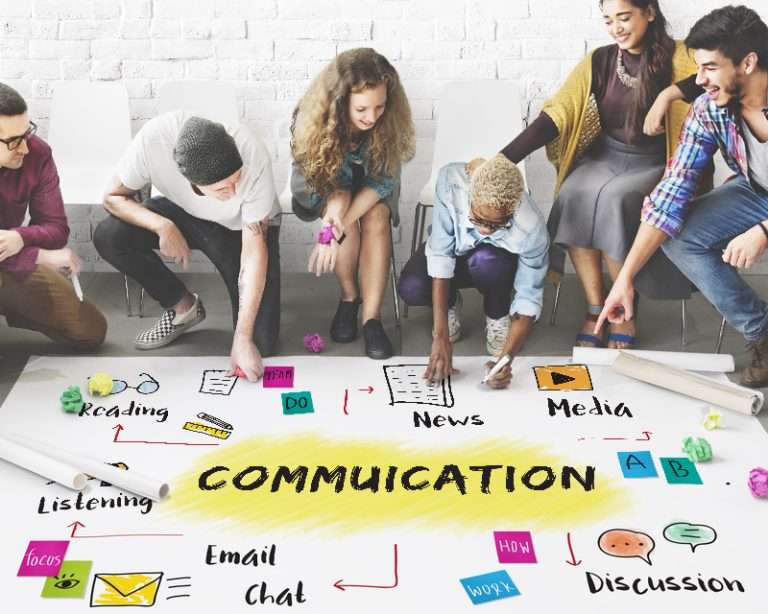
Verbal communication skills shape every professional interaction you have. From how you present ideas in meetings to how you handle a difficult one-to-one, the quality of your spoken communication determines how confidently your ideas land, how effectively you influence decisions, and how strongly your colleagues and clients trust working with you. These skills are not fixed. Every professional who commits to developing them sees measurable improvement quickly.
Key Takeaways
- Verbal communication skills directly influence professional credibility, leadership effectiveness, and career progression
- Clarity, tone, and structure matter as much in spoken communication as in written communication
- Listening is an essential component of verbal communication, not a separate skill
- Preparation and deliberate practice produce faster improvement than natural confidence alone
What Verbal Communication Covers in a Workplace Context?
Verbal communication is every exchange of information through spoken words. In a workplace context it includes team meetings, one-to-one conversations, client calls, presentations, feedback sessions, and informal discussions that move work forward.
Each of these situations demands a slightly different approach, but the core principles of effective verbal communication apply consistently across all of them. Professionals who develop those principles broadly find that every specific verbal situation becomes easier to handle.
Why Verbal Communication Affects Every Area of Your Career?
Strong verbal communicators are trusted with more responsibility because they can articulate their thinking clearly under pressure. They build stronger relationships by making people feel genuinely heard. They influence decisions more effectively by presenting ideas in ways that resonate with their audience.
The reverse is also true. Professionals whose verbal communication is unclear, hesitant, or poorly structured are regularly underestimated, regardless of the quality of their thinking or the strength of their technical skills.
Tip: Think of your verbal communication as the packaging around your professional capability. Strong packaging does not replace strong content, but it ensures the content inside is actually received and valued.
Core Verbal Communication Skills Worth Developing
Improving verbal communication does not require a complete personality change or years of public speaking training. A small number of deliberately developed specific skills produce rapid and lasting improvement across every professional speaking situation.
Speak With Clarity and Structure
The most common verbal communication problem is not a lack of confidence. It is a lack of structure. Professionals who begin speaking before they have organised their thinking produce responses that trail off, circle back, and leave the listener uncertain about the main point.
Before contributing to any significant conversation, take two to three seconds to organise your response. Know your opening sentence, your main point, and your closing before you begin. That brief pause consistently produces clearer, more confident delivery than an immediate unstructured response.
Strategy: In your next meeting, practise pausing before you respond to any question or prompt. Notice how the quality of your contributions changes when you take two seconds to structure your response before speaking.
Manage Tone and Pace Deliberately
Tone conveys as much meaning as words in verbal communication. The same sentence delivered with warmth and confidence lands completely differently from the same sentence delivered with impatience or hesitation. Professionals who develop awareness of their tone become significantly more effective in high-stakes conversations.
Pace matters equally. Speaking too quickly signals anxiety and makes it harder for listeners to follow. Speaking too slowly loses attention. A measured, deliberate pace signals confidence, gives listeners time to absorb what is being said, and allows the speaker to think clearly as they talk.
Fix: Record yourself in a low-stakes verbal situation, a voice memo, a practice run of a presentation, or a recorded call. Listen back specifically for tone and pace. Most professionals are surprised by habits they were completely unaware of.
Listen as Part of Verbal Communication
Effective verbal communication is not only about how well you speak. It is equally about how well you listen. Professionals who speak clearly but listen poorly miss the information that would make their responses more relevant, more accurate, and more useful to the people they are speaking with.
Active listening in verbal exchanges means giving full attention, not formulating your response while the other person is still speaking, and confirming your understanding before replying. These habits transform the quality of verbal exchanges from one-way broadcasts into genuine two-way communication.
Tip: In your next significant verbal conversation, set one goal: summarise what the other person has said before you respond. That single habit immediately changes the quality of your listening and the relevance of your contributions.
Verbal Communication in Specific Workplace Situations
Developing general verbal communication skills is valuable. Applying those skills deliberately in the specific situations that matter most in your professional life is where the return is highest.
In Meetings
Meetings are where verbal communication skills are most visible and most consequential. Every contribution you make is an observable demonstration of how clearly you think and how confidently you engage with others.
Prepare before meetings where your input matters. Know what you want to contribute, how you will make your point clearly, and what outcome you are looking for from the discussion. Professionals who prepare for meetings contribute more effectively than those who rely on improvisation in a format that rewards preparation.
Strategy: Before any meeting where your input matters, write one sentence that captures the most important thing you want to say or the most important question you want to ask. Having that prepared gives you a clear anchor for your verbal contribution.
In One-to-One Conversations
One-to-one conversations are where professional relationships are built and where difficult topics are most productively addressed. The verbal communication skills that matter most in these settings are listening, asking clarifying questions, and managing tone when emotions are involved.
Resist the instinct to fill silence in one-to-one conversations. Silence after a question or a difficult point gives the other person space to think and respond fully. Filling that space prematurely with reassurance or additional information often prevents the honest exchange that the conversation needed.
Fix: In your next one-to-one, count to five silently after asking any significant question before saying anything else. The responses that emerge from that pause are consistently more useful than those produced when silence is filled immediately.
In Presentations
Presentations are the highest-stakes form of verbal communication for most professionals. Preparation, structure, and deliberate delivery matter more here than in any other verbal context.
Structure every presentation around the audience’s needs rather than your own thought process. Start with why the topic matters to them, cover what they need to know, and close with a clear action or takeaway. That structure keeps audiences engaged and ensures your message lands.
Tip: Practise any significant presentation aloud at least twice before delivering it. Reading slides silently is not practice. Speaking the words aloud reveals the places where your delivery needs adjustment before the audience does.
Final Thoughts
Verbal communication skills are a direct investment in professional effectiveness and career progression. Clarity and structure in how you speak, deliberate management of tone and pace, genuine listening, and preparation for high-stakes verbal situations all compound to improve how your ideas land and how strongly people trust working with you.
Pick one skill from this guide and apply it in every relevant verbal situation this week. The improvement will be visible in your conversations sooner than you expect, and it will carry over to every professional interaction that follows.
FAQs
Can verbal communication skills be improved without formal training?
Yes. Deliberate practice in real professional situations, combined with honest self-review, produces meaningful improvement faster than most formal programmes.
What is the most important verbal communication skill to develop first?
Structure. Knowing your opening sentence, main point, and close before you begin speaking improves clarity more than any other single habit.
How does tone affect verbal communication at work?
Tone conveys confidence, intent, and emotional state independently of the words used. Mismatched tone is one of the most common causes of misunderstanding in professional verbal exchanges.
Why is listening part of verbal communication skills?
Because effective verbal communication is a two-way exchange. Professionals who speak clearly but listen poorly consistently produce less effective outcomes than those who do both well.
How do I improve my verbal communication in meetings specifically?
Prepare one clear point or question before each meeting. Pause before responding to organise your contribution. Listen fully before replying. Those three habits produce immediate improvement in meeting contribution quality.