Planning video content is an essential step in creating successful video campaigns. Whether you are producing videos for your brand or creating content for social media, having a plan in place can help you achieve your goals and reach your target audience.
In this article, we will guide you through the process of planning video content, from understanding your audience to measuring success.
Understanding your audience is the first step in planning video content. You need to know who your audience is, what they are interested in, and what type of content they prefer. This will help you create videos that resonate with your audience and increase engagement.
Once you have a clear understanding of your audience, you can set clear objectives for your video campaign. This includes defining the purpose of your videos, whether it is to increase brand awareness, generate leads, or drive sales.
Developing a content strategy is the next step in planning video content. This involves identifying the types of videos you want to create, the topics you want to cover, and the platforms you want to use. You also need to consider your budget and resources, as well as the production plan and content creation techniques you will use.
Once your videos are created, you need to optimize them for different platforms and promote them to your target audience. Finally, you need to measure the success of your video campaign and make adjustments as needed.
Key Takeaways
- Understanding your audience is key to creating effective video content
- Setting clear objectives and developing a content strategy are essential steps in planning video content
- Measuring success and making adjustments are important for the ongoing success of your video campaign.
Understanding Your Audience
When planning video content, it is essential to understand your audience. Without a clear understanding of your audience, it is difficult to create content that resonates with them. In this section, we will discuss how to identify your target audience and analyze their needs.
Identifying Target Audience
The first step in understanding your audience is to identify your target audience. A target audience is a group of people who are most likely to be interested in your content. To identify your target audience, you need to create buyer personas. A buyer persona is a fictional representation of your ideal customer. It includes information such as demographics, interests, and pain points.
To create buyer personas, you can conduct market research, analyze your website analytics, and survey your existing customers. Once you have created your buyer personas, you can use them to guide your content creation process. Your content should speak directly to your buyer personas and address their pain points.
Analysing Audience Needs
After identifying your target audience, you need to analyze their needs. Analyzing your audience’s needs will help you create content that provides value to them. To analyze your audience’s needs, you can conduct surveys, analyze social media conversations, and monitor your website analytics.
When analyzing your audience’s needs, you should consider their pain points, interests, and goals. Your content should address their pain points and provide solutions to their problems. It should also align with their interests and help them achieve their goals.
In conclusion, understanding your audience is crucial when planning video content. By identifying your target audience and analyzing their needs, you can create content that resonates with them and provides value. Use buyer personas to guide your content creation process and address your audience’s pain points, interests, and goals.
Setting Clear Objectives
When planning your video content, it’s essential to set clear objectives that align with your overall marketing goals. Defining your goals will help you create a video that is targeted, engaging, and effective in achieving your desired outcome. In this section, we’ll cover two key areas of objective setting: defining marketing goals and establishing video goals.
Defining Marketing Goals
Before you start planning your video content, you need to define your marketing goals. These goals will help you determine what you want to achieve with your video content. Some common marketing goals include:
- Awareness: You want to increase brand awareness and get your message out to a wider audience.
- Engagement: You want to create content that engages your audience and encourages them to interact with your brand.
- Conversion: You want to drive conversions, such as sales or sign-ups, through your video content.
Once you have defined your marketing goals, you can start to plan your video content with these goals in mind.
Establishing Video Goals
Now that you have defined your marketing goals, you can establish video goals that align with these objectives. Your video goals should be specific, measurable, achievable, relevant, and time-bound (SMART). Here are some examples of video goals that align with marketing goals:
- Awareness: You want to create a video that introduces your brand to a new audience and generates interest in your products or services.
- Engagement: You want to create a video that is engaging and encourages viewers to interact with your brand by commenting, sharing, or liking the video.
- Conversion: You want to create a video that drives conversions by showcasing your products or services and encouraging viewers to take action, such as making a purchase or signing up for a newsletter.
By establishing clear video goals, you can create content that is targeted and effective in achieving your marketing objectives. Keep your video goals in mind when planning your content, and ensure that your video aligns with these objectives.
Developing a Content Strategy
To create effective video content, you need to start with a solid content strategy. This strategy should guide your content creation process and ensure that your videos are aligned with your overall marketing goals. In this section, we will explore two key aspects of developing a content strategy: creating a content plan and aligning with marketing strategy.
Creating a Content Plan
A content plan is a roadmap for your video content creation process. It should outline the topics, formats, and publishing schedule for your videos. When creating a content plan, it’s important to consider your audience and their needs. What questions are they asking? What problems are they trying to solve? Your video content should provide answers and solutions that are relevant to your target audience.
To create a content plan, start by brainstorming a list of video topics. These topics should align with your overall marketing goals and be relevant to your audience. Once you have a list of topics, consider the different formats you can use to present your content. For example, you could create explainer videos, how-to videos, or product demos. Finally, create a publishing schedule that ensures a consistent flow of content.
Aligning with Marketing Strategy
Your video content strategy should be aligned with your overall marketing strategy. This means that your video content should support your marketing goals and be consistent with your brand messaging. When developing your video content strategy, consider the following:
- What is your unique value proposition?
- What are your marketing goals?
- What is your target audience?
- What are your competitors doing?
- What channels will you use to distribute your videos?
By answering these questions, you can ensure that your video content is aligned with your marketing strategy and supports your overall business goals.
In conclusion, developing a content strategy is an essential step in creating effective video content. By creating a content plan and aligning with your marketing strategy, you can ensure that your videos are relevant, engaging, and consistent with your brand messaging.
Budgeting and Resources
When planning video content, budgeting and resource allocation are crucial to ensure that your project is cost-effective and completed on time. In this section, we will explore how to allocate your budget and manage your resources effectively.
Allocating Budget
Before you start planning your video content, it’s important to determine how much money you have to work with. You should consider the following factors when allocating your budget:
- Pre-production costs: This includes expenses such as location scouting, scriptwriting, and storyboarding.
- Production costs: This includes expenses such as equipment rental, crew salaries, and talent fees.
- Post-production costs: This includes expenses such as editing, sound design, and colour grading.
Once you have determined your budget, it’s important to allocate your funds wisely. You should consider the following tips:
- Prioritize your expenses: Allocate more funds to areas that are critical to the success of your project, such as high-quality equipment or talented crew members.
- Plan for contingencies: Set aside a portion of your budget for unexpected expenses, such as equipment failure or weather-related delays.
- Consider cost-effective options: Look for ways to cut costs without sacrificing quality, such as using natural lighting instead of expensive lighting equipment.
Resource Management
Effective resource management is essential to ensure that your project is completed on time and within budget. You should consider the following tips when managing your resources:
- Identify your resources: Determine the resources you have available, such as equipment, crew members, and talent.
- Plan your resources: Create a schedule that outlines when and how your resources will be used.
- Monitor your resources: Keep track of your resources throughout the project to ensure that they are being used effectively and efficiently.
- Adjust your resources: Be prepared to adjust your resources as needed to accommodate unexpected changes or delays.
By following these tips, you can effectively manage your budget and resources to ensure the success of your video content project.
Creating a Production Plan
When creating a video, it is essential to have a production plan in place. This plan will help you stay on track and ensure that your video is completed on time and within budget. Here are some key steps to follow when creating a production plan.
Choosing a Video Production Agency
If you decide to work with a video production agency, it is important to choose the right one. Look for an agency that has experience in creating the type of video you want to produce. Check their portfolio and client reviews to ensure that they have a track record of producing high-quality videos on time and within budget.
When choosing an agency, consider their pricing structure. Some agencies charge a flat fee, while others charge by the hour or by the project. Make sure you understand their pricing structure before signing a contract.
Video Content Scheduling
Scheduling is an important part of the production plan. You need to decide when you want to shoot your video and how long it will take to complete. Consider factors such as weather, location availability, and talent availability when scheduling your shoot.
Create a detailed schedule that outlines each step of the production process, including pre-production, production, and post-production. This schedule should include deadlines for each step and the people responsible for completing each task.
It is also important to have a backup plan in case something unexpected happens. For example, if your location falls through, have a backup location in mind. If a key member of your team gets sick, have a backup plan for how to proceed.
By following these steps, you can create a production plan that will help you produce a high-quality video on time and within budget.
Optimising for Platforms
When planning your video content, it’s essential to consider the platform you intend to publish it on. Different platforms have different requirements and limitations, so it’s crucial to tailor your content accordingly.
Selecting Appropriate Channels
Firstly, you need to select the appropriate channels for your video content. Consider your target audience and where they are most likely to consume your content. For example, if your target audience is primarily on social media, you might consider platforms such as YouTube, Facebook, or Instagram’s IGTV.
It’s also worth considering publishing your video content on multiple channels to reach a broader audience. However, keep in mind that each platform has its unique requirements, so you may need to tailor your content for each channel.
Tailoring Content for Platforms
Once you have selected your channels, it’s time to tailor your content for each platform. For example, Facebook videos tend to perform better when they are shorter and have captions, while YouTube videos can be longer and more in-depth.
Consider the technical requirements of each platform as well. For example, Vimeo has specific guidelines for video resolution and aspect ratio, while YouTube has strict rules about copyright infringement.
It’s also worth noting that social media platforms tend to favour native content, so consider creating content specifically for each platform rather than repurposing the same video across multiple channels.
In summary, optimising your video content for platforms is crucial to ensure its success. Start by selecting appropriate channels and tailoring your content for each platform’s unique requirements and limitations. By doing so, you’ll maximise your video’s reach and engagement with your target audience.
Content Creation Techniques
Creating engaging video content requires a well-planned and structured approach. Here are two essential techniques that can help you create high-quality video content:
Writing Engaging Scripts
The script is the backbone of any video content, and it’s essential to get it right. Your script should be engaging, informative, and easy to follow. A well-written script can help you convey your message effectively and keep your audience engaged throughout the video.
To write an engaging script, start by defining your target audience and the message you want to convey. Use simple language, and avoid jargon or technical terms that your audience may not understand. Keep your sentences short and concise, and use active voice wherever possible.
Storyboarding and Shot Lists
Storyboarding is a visual representation of your script. It helps you plan the shots you need to capture and how they will fit together in the final video. A shot list is a detailed list of all the shots you need to capture during filming.
Storyboarding and shot lists help you plan your video content effectively, saving you time and money. You can use a storyboard to experiment with different ideas and visual styles before you start filming. A shot list helps you stay organized during filming, ensuring that you capture all the shots you need.
In conclusion, writing an engaging script and creating a storyboard and shot list are two essential techniques in content creation. By following these techniques, you can create high-quality video content that engages your audience and effectively conveys your message.
Video Marketing Essentials
When it comes to planning your video content, there are a few essential elements that you need to consider. In this section, we will cover two key aspects of video marketing: incorporating SEO and keywords, and creating effective messaging and CTAs.
Incorporating SEO and Keywords
One of the most important things you can do to ensure your video content is seen by your target audience is to incorporate SEO and keywords. By doing so, you can improve your video’s visibility in search engine results pages (SERPs), which can lead to more views and engagement.
To incorporate SEO into your video content, start by doing keyword research to identify the terms and phrases that your target audience is searching for. Then, use those keywords in your video’s title, description, and tags. You should also aim to include your keywords naturally throughout your video’s script, without forcing them in.
Effective Messaging and CTAs
Another key element of successful video marketing is creating effective messaging and CTAs. Your video’s core message should be clear and concise, and should resonate with your target audience. Make sure your video’s messaging is aligned with your brand and your overall marketing goals.
In addition to your core message, you should also include a clear call to action (CTA) in your video. This could be anything from encouraging viewers to visit your website, to asking them to sign up for your newsletter. Your CTA should be prominently displayed in your video, and should be easy for viewers to follow.
By incorporating SEO and keywords, and creating effective messaging and CTAs, you can improve the effectiveness of your video marketing efforts and achieve better results.
Leveraging Analytics
When it comes to planning your video content, leveraging analytics can help you make data-driven decisions that can improve your content and increase engagement. There are several ways to utilise data to improve your video content.
Utilising Data for Improvement
One way to use analytics to improve your video content is by analysing the metrics of your previous videos. By looking at the data, you can identify which videos performed well and which ones didn’t. This information can help you understand what your audience likes and dislikes, and you can use this information to create better content in the future.
You can also use analytics to identify trends in your audience’s behaviour. For example, if you notice that your audience is watching your videos for longer periods, you can create longer videos that keep them engaged. If you notice that your audience is dropping off after a certain point, you can use this information to improve the pacing of your videos.
YouTube Analytics Insight
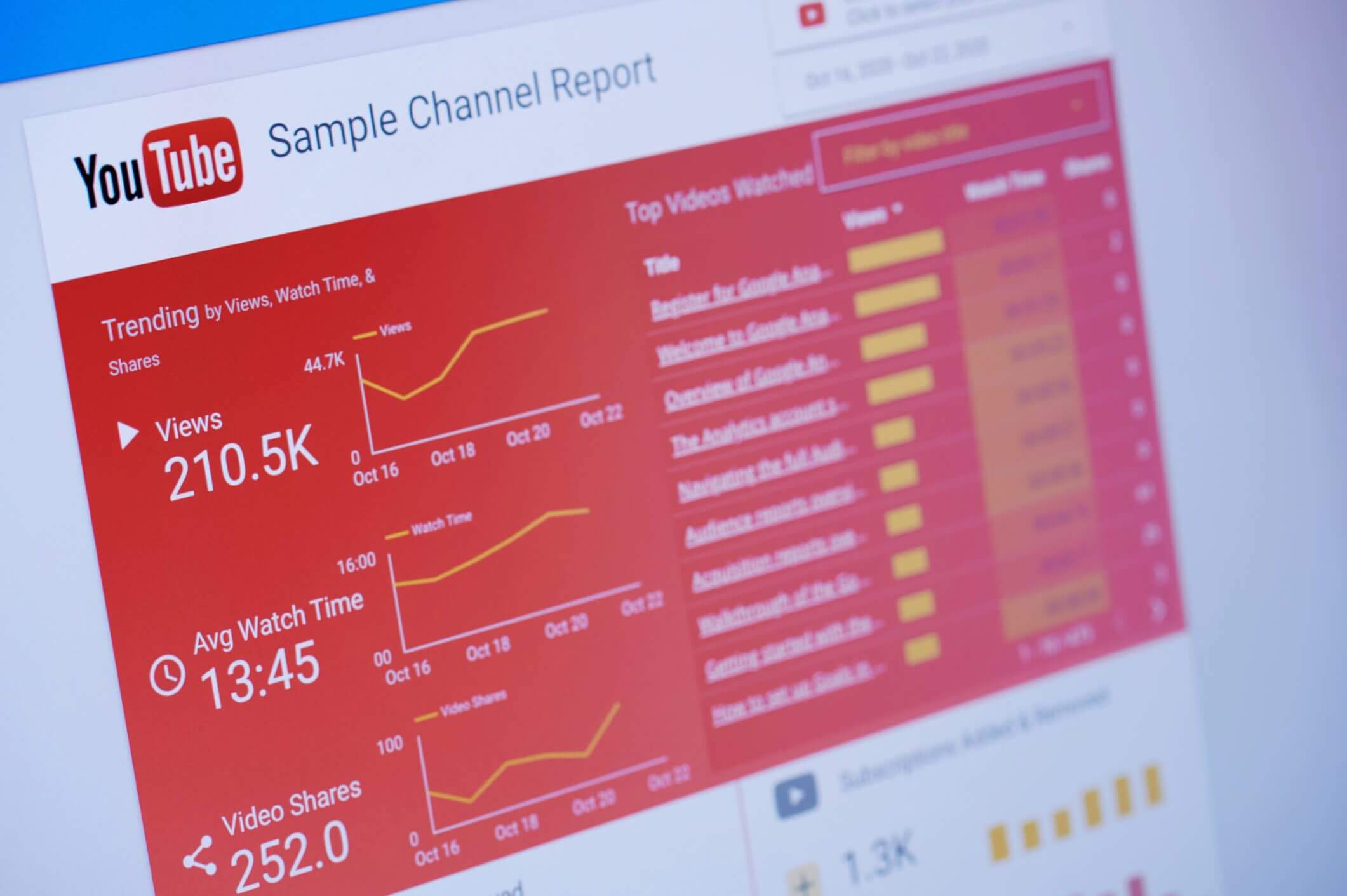
YouTube Analytics is a powerful tool that can give you valuable insights into your audience’s behaviour. You can use this tool to track metrics such as views, watch time, and engagement rate. You can also see where your traffic is coming from and which videos are driving the most traffic to your channel.
One of the most useful features of YouTube Analytics is the ability to see where your audience is dropping off in your videos. This information can help you identify areas where you need to improve the pacing or content of your videos.
Another useful feature of YouTube Analytics is the ability to see which videos are driving the most engagement. You can use this information to identify which topics and styles of videos are resonating with your audience, and you can create more content that is similar to those videos.
In conclusion, leveraging analytics can help you make data-driven decisions that can improve your video content and increase engagement. By analysing the metrics of your previous videos and using tools like YouTube Analytics, you can gain valuable insights into your audience’s behaviour and create better content that resonates with them.
Types of Video Content
When planning your video content, it’s important to consider the type of video you want to create. Different types of videos serve different purposes and audiences. Here are two common types of video content:
Explainer and Tutorials
Explainer videos are a great way to educate and entertain your audience. These videos are typically short and to the point, and use animation or live action to explain a concept or product. Explainer videos can be used to introduce a new product, service or idea, or to provide a step-by-step tutorial on how to use a product or service.
Tutorials are another type of video content that can be used to educate your audience. Tutorials are typically longer than explainer videos and provide a more detailed overview of a product or service. They can be used to teach skills, demonstrate how to use a product, or provide a walkthrough of a process.
When creating explainer or tutorial videos, it’s important to keep your audience in mind. Make sure the content is easy to understand and engaging, and that it provides value to your audience.
Corporate and Promotional Videos
Corporate and promotional videos are another type of video content that can be used to promote your brand or company. These videos can be used to showcase your products or services, provide an overview of your company, or to share company news and updates.
Corporate videos are typically more formal and informative, while promotional videos are designed to be more engaging and entertaining. Promotional videos can be used to launch a new product or service, or to promote a sale or special offer.
When creating corporate or promotional videos, it’s important to keep your brand messaging consistent. Make sure the video aligns with your brand values and tone of voice, and that it provides value to your audience.
Overall, when planning your video content, it’s important to consider your audience and the purpose of the video. Whether you want to educate, entertain, or promote, there is a type of video content that can help you achieve your goals.
Measuring Success
When planning video content, it is vital to have a way to measure its success. There are many metrics to consider, including ROI, conversions, engagement, and impressions. In this section, we will discuss how to track these metrics and assess the effectiveness of your video content.
Tracking Conversions and ROI
ROI (Return on Investment) is a critical metric to track when it comes to video content. It helps you determine how much revenue you are generating from your investment in video marketing. To calculate ROI, you need to track the conversions generated by your video content. Conversions can be anything from a sale to a sign-up, depending on your goals.
To track conversions, you can use tools like Google Analytics or other analytics platforms. These tools allow you to set up conversion tracking and monitor the performance of your video content. You can also use unique URLs or promo codes to track conversions.
Assessing Engagement and Impressions
Engagement and impressions are essential metrics to track when it comes to video content. Engagement measures how much your audience interacts with your content, while impressions measure how many people see your content.
To track engagement, you can monitor metrics like likes, comments, shares, and click-through rates. You can also use heat maps to see where your audience is engaging with your content the most.
To track impressions, you can use tools like YouTube Analytics or Facebook Insights. These tools allow you to monitor how many people are viewing your content and how long they are watching it.
By tracking these metrics, you can assess the effectiveness of your video content and make improvements where necessary. Remember to set clear goals and objectives before creating your video content, and use these metrics to measure your success.
Post-Production and Editing
Once you have captured all the footage you need, it’s time to start editing your video. This process can take a lot of time, but it’s essential to ensure that your video is clear, concise, and engaging. Here are some tips for editing your video content:
Editing for Clarity and Style
When editing your video, you want to make sure that it is clear and easy to understand. One way to do this is to remove any unnecessary footage or dialogue that doesn’t add to the overall message of the video. You should also consider the style of your video and make sure that it matches your brand and message. For example, if you’re creating a promotional video for a luxury product, you might want to use a more polished and refined style than if you were creating a video for a more casual audience.
Adapting Video Length and Formats
Another important aspect of post-production is adapting your video to different lengths and formats. For example, you might create a longer video for your website or YouTube channel, but then create shorter versions for social media platforms like Instagram and Twitter. You should also consider the format of your video and make sure that it is optimised for the platform you’re sharing it on. For example, if you’re sharing a video on Instagram, you might want to use a square or vertical format instead of a horizontal format.
Overall, post-production and editing are essential steps in creating high-quality video content. By taking the time to edit your video for clarity and style and adapting it to different lengths and formats, you can ensure that your video is engaging and effective.
Distribution and Promotion
Once you have created your video content, it is essential to plan how you will distribute and promote it. This section will cover two key areas of focus: strategising multi-video releases and marketing across multiple platforms.
Strategising Multi-Video Releases
When releasing multiple videos, it is important to strategize the order and timing of their release. Consider the following factors:
- Consistency: Release videos at consistent intervals to keep your audience engaged and interested.
- Variety: Vary the types of videos you release to keep your audience engaged and interested.
- Seasonal Relevance: Consider releasing videos that are relevant to the current season or holiday.
- Trends: Keep up with current trends and release videos that align with them.
Marketing Across Multiple Platforms
Marketing your videos across multiple platforms is crucial for reaching a wider audience. Here are some tips for effective cross-platform promotion:
- Social Media: Promote your videos on social media platforms such as Facebook, Twitter, and Instagram. Use targeted advertising to reach your desired audience.
- Email Marketing: Use email marketing campaigns to promote your videos to your subscribers.
- YouTube: Use YouTube to promote your videos and build your audience. Optimize your videos for search with relevant keywords, titles, and descriptions.
- Collaborations: Collaborate with other content creators or influencers to reach new audiences.
By following these tips, you can effectively promote and distribute your video content to a wider audience.
Building Brand Awareness
Video content is a powerful tool in building brand awareness. It allows you to showcase your brand’s personality, values, and unique selling proposition in an engaging and memorable way. Here are some tips on how to use video content to build brand awareness:
Crafting a Consistent Brand Message
Your core message is what sets you apart from your competitors and resonates with your target audience. It’s important to ensure that your video content conveys a consistent brand message across all channels. This means using the same tone of voice, visual style, and messaging in all your videos.
Consistency is key to building brand awareness. If your videos are inconsistent in their messaging, tone, or visual style, it can create confusion and dilute your brand’s impact. By crafting a consistent brand message, you can ensure that your audience understands what your brand stands for and what makes it unique.
Utilising Social Proof and Testimonials
Social proof is a powerful tool in building brand awareness. It’s the idea that people are more likely to trust and follow the actions of others. By including customer testimonials in your video content, you can leverage social proof to build trust and credibility with your audience.
Testimonial videos are a great way to showcase the benefits of your products or services from the perspective of your satisfied customers. These videos can be used on your website, social media channels, and other marketing materials to build trust and credibility with your audience.
In conclusion, building brand awareness through video content requires a consistent brand message and utilising social proof and testimonials. By following these tips, you can create video content that resonates with your target audience and helps build your brand’s reputation and credibility.
Frequently Asked Questions
What steps are involved in creating a video content plan?
To create a video content plan, you should start by defining your target audience and the purpose of your video. Then, you can brainstorm content ideas and create a rough outline of your video. Next, you should develop a script, create a storyboard, and plan the production process. Finally, you should edit and refine your video before publishing it.
What elements should be included in a video storyboard?
A video storyboard should include a visual representation of each scene in your video, along with a description of the action, dialogue, and camera angles. You should also include notes on any special effects, music, or sound effects that will be included in the final video.
What is the best way to structure a video for content marketing?
The best way to structure a video for content marketing is to start with a hook that grabs the viewer’s attention, followed by a clear introduction that sets the tone for the rest of the video. Then, you should provide valuable information or entertainment that is relevant to your target audience. Finally, you should end with a call to action that encourages viewers to take a specific action.
How can beginners effectively plan and produce video content?
Beginners can effectively plan and produce video content by starting with a clear idea of their target audience and the purpose of their video. They should then focus on creating a strong script and storyboard that outlines the key elements of their video. Finally, beginners should take the time to learn the basics of video production, including lighting, sound, and editing.
What are key strategies for a successful video marketing campaign?
Key strategies for a successful video marketing campaign include defining your target audience, creating high-quality content that is relevant and engaging, using social media and other platforms to promote your video, and tracking your results to measure the success of your campaign.
What should be on a checklist for video production to ensure all details are covered?
A checklist for video production should include items such as equipment checks, location scouting, script review, talent and crew coordination, shot list review, lighting and sound checks, and post-production editing and review. It’s important to ensure that all details are covered to ensure a smooth and successful video production process.