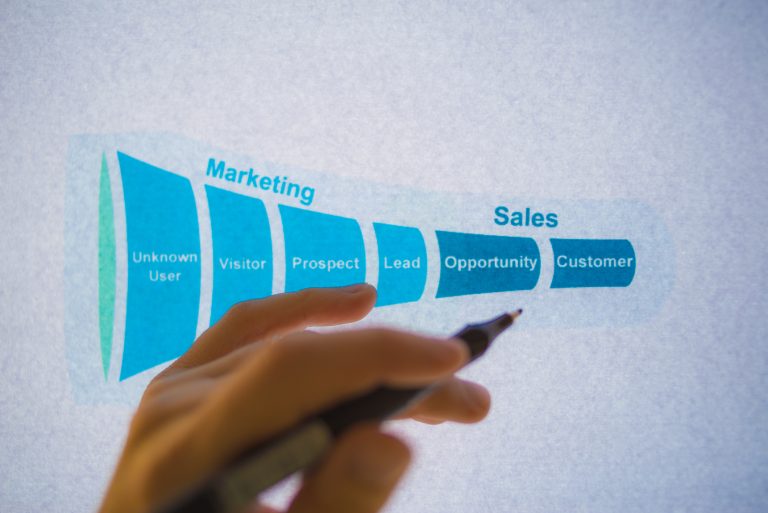
If you’re looking to boost your sales, optimizing your sales funnel is a crucial step. A sales funnel is a visual representation of the journey that your potential customers take from being aware of your product or service to making a purchase. The goal of optimizing your sales funnel is to increase the number of people who move through each stage of the funnel and ultimately make a purchase.
Understanding your sales funnel is the first step towards optimizing it. You need to know how many people are entering your funnel, how many are dropping off at each stage, and how many are making it to the final stage.
Once you have a clear understanding of your funnel, you can start identifying areas for improvement. This could involve creating more valuable content, building trust and credibility with your audience, optimizing landing pages, or leveraging email marketing. By making incremental improvements to each stage of your funnel, you can increase your chances of converting potential customers into paying customers.
Key Takeaways
- Understanding your sales funnel is crucial for optimizing it.
- Incremental improvements to each stage of your funnel can increase your chances of converting potential customers into paying customers.
- Strategies for optimizing your sales funnel include creating valuable content, building trust and credibility, optimizing landing pages, leveraging email marketing, and conducting webinars and demos.
Understanding Sales Funnel
When it comes to optimising your sales funnel, it is important to first understand what a sales funnel is and how it works. A sales funnel is a visual representation of the customer journey from awareness to purchase. It is a way to track and measure the effectiveness of your sales process.
The AIDA model is a helpful framework to understand the different stages of the sales funnel. AIDA stands for Awareness, Interest, Desire, and Action. The customer journey typically starts with awareness, where the customer becomes aware of your product or service. From there, they move to the interest stage, where they begin to research and learn more about your offering. The desire stage is where the customer decides they want your product or service, and finally, the action stage is where they make a purchase.
It is important to note that not all leads will make it through the entire sales funnel. Some may drop off at the interest stage, while others may make it all the way to the action stage but not convert. Understanding where your leads are dropping off can help you identify areas for improvement in your sales process.
The sales funnel is typically broken down into several stages, each with its own set of goals and metrics. These stages may vary depending on your business, but some common stages include:
- Awareness: This is the top of the funnel, where potential customers become aware of your product or service.
- Interest: At this stage, potential customers are actively researching and learning more about your offering.
- Consideration: This is where potential customers are weighing the pros and cons of your offering and comparing it to other options.
- Intent: At this stage, potential customers have decided they want your offering and are ready to make a purchase.
- Evaluation: This is where potential customers are evaluating the specifics of your offering, such as pricing and features.
- Purchase: This is the final stage of the funnel, where the customer makes a purchase.
By understanding the different stages of the sales funnel and the customer journey, you can better tailor your marketing and sales strategies to meet the needs of your potential customers at each stage. This can help you improve your conversion rates and ultimately drive more sales for your business.
Importance of Optimising the Sales Funnel
Optimising the sales funnel is an essential part of any successful business strategy. It helps to improve the conversion rate, increase revenue, and drive revenue growth. By optimising the sales funnel, you can identify the areas where customers are dropping off and take steps to address them. This, in turn, improves the overall customer experience and increases the likelihood of converting leads into customers.
One of the primary benefits of optimising the sales funnel is that it helps to improve the conversion rate. The conversion rate is the percentage of visitors to your website who take a specific action, such as making a purchase or filling out a form. By optimising the sales funnel, you can identify the areas where visitors are dropping off and take steps to address them. This can include improving the website’s user experience, streamlining the checkout process, or creating more compelling calls-to-action.
Optimising the sales funnel also helps to increase revenue by improving the overall customer experience. By identifying the areas where customers are dropping off, you can take steps to address them and create a more seamless experience for your customers. This, in turn, can lead to increased customer satisfaction and loyalty, which can translate into higher revenue over time.
Another benefit of optimising the sales funnel is that it helps to drive revenue growth. By improving the conversion rate and increasing customer satisfaction, you can attract new customers and retain existing ones. This can lead to increased revenue and growth for your business over time.
In summary, optimising the sales funnel is an essential part of any successful business strategy. It helps to improve the conversion rate, increase revenue, and drive revenue growth. By identifying the areas where customers are dropping off and taking steps to address them, you can create a more seamless experience for your customers and increase the likelihood of converting leads into customers.
Identifying and Understanding Your Audience
To optimize your sales funnel, it is crucial to identify and understand your audience. Your audience is the group of people who are most likely to be interested in your product or service. By understanding their needs and preferences, you can tailor your marketing efforts to attract and convert them into paying customers.
Target Audience
Your target audience is the group of people who are most likely to become your customers. To identify your target audience, you need to consider factors such as demographics, interests, and behaviours. For example, if you sell luxury watches, your target audience might be affluent individuals who value quality and craftsmanship.
Buyer Persona
A buyer persona is a fictional representation of your ideal customer. It helps you to create a more detailed picture of your target audience, including their motivations, pain points, and buying habits. By creating buyer personas, you can tailor your marketing messages to resonate with your audience and increase your chances of converting them into customers.
Potential Customers
Potential customers are individuals who have shown some interest in your product or service but have not yet made a purchase. To convert potential customers into paying customers, you need to understand their needs and preferences. This can be achieved through market research, customer feedback, and analytics.
Audience Behaviour
Understanding your audience’s behaviour is key to optimizing your sales funnel. By tracking their interactions with your website, social media channels, and other marketing channels, you can identify patterns and trends that can help you to improve your conversion rates. For example, if you notice that a large percentage of your audience is dropping off at a particular stage of the sales funnel, you can make changes to that stage to improve the user experience and increase conversions.
In conclusion, identifying and understanding your audience is essential to optimizing your sales funnel. By creating buyer personas, tracking audience behaviour, and tailoring your marketing messages to your target audience, you can increase your chances of converting potential customers into paying customers.
Creating Valuable Content
One of the most important aspects of optimizing your sales funnel is creating valuable content. Your content should be relevant, informative, and engaging for your target audience. By providing educational content that addresses your audience’s pain points, you can establish yourself as an authority in your industry and build trust with potential customers.
Content marketing is a technique of creating and distributing relevant and valuable content to attract, acquire, and engage a clearly defined and understood target audience. It is an ongoing process that requires careful planning and execution. Your content should be tailored to each stage of the sales funnel, from awareness to consideration to decision-making.
When creating content, it is important to focus on providing value to your audience. Your content should be educational and informative, answering your audience’s questions and providing solutions to their problems. By providing value, you can establish yourself as a trusted source of information and build a loyal following.
There are many types of content that you can create to optimize your sales funnel. Some examples include blog posts, whitepapers, ebooks, webinars, and videos. Each type of content has its own strengths and weaknesses, and it is important to choose the right format for your audience and your goals.
When creating content, it is important to measure its performance and optimize it for better results. You can use analytics tools to track your content’s engagement, such as page views, click-through rates, and social shares. By analyzing this data, you can identify areas for improvement and make changes to your content to increase its effectiveness.
In summary, creating valuable content is a key component of optimizing your sales funnel. By providing educational content that addresses your audience’s pain points, you can establish yourself as an authority in your industry and build trust with potential customers. Choose the right format for your audience and goals, measure its performance, and optimize it for better results.
Building Trust and Credibility
Building trust and credibility is crucial to optimizing your sales funnel. Without trust, potential customers are unlikely to purchase your product or service. There are several ways to build trust and credibility with your audience.
Trust Signals
Trust signals are indicators that help build trust with potential customers. These signals can include things like security badges, SSL certificates, and trust seals. By displaying these signals on your website, you can help customers feel more secure and confident in purchasing from you.
Social Proof
Social proof is a powerful tool for building trust and credibility. Social proof can come in many forms, including customer reviews, testimonials, and case studies. By displaying positive reviews and testimonials on your website, you can show potential customers that others have had a positive experience with your product or service.
Reviews
Reviews are a great way to build trust and credibility with potential customers. By displaying reviews on your website, you can show potential customers that others have had a positive experience with your product or service. It’s important to respond to both positive and negative reviews in a professional and timely manner to show that you care about your customers’ experiences.
Testimonials
Testimonials are another powerful tool for building trust and credibility. By featuring testimonials from satisfied customers on your website, you can show potential customers that others have had a positive experience with your product or service. It’s important to use real testimonials from real customers to avoid any potential trust issues.
Case Studies
Case studies are a great way to showcase the success of your product or service. By featuring case studies on your website, you can show potential customers how your product or service has helped others achieve their goals. It’s important to use real case studies with real results to avoid any potential trust issues.
In conclusion, building trust and credibility is crucial to optimizing your sales funnel. By using trust signals, social proof, reviews, testimonials, and case studies, you can show potential customers that you are a trustworthy and credible business.
Optimising Landing Pages
Landing pages are a crucial part of your sales funnel, as they are the first point of contact between your potential customer and your business. Optimising your landing pages can have a significant impact on your conversion rates. Here are some tips to help you optimise your landing pages:
Headlines
Your headline is the first thing your potential customer will see when they arrive on your landing page. It’s essential to make sure that your headline is clear, concise, and attention-grabbing. Your headline should clearly communicate the value proposition of your product or service and should be relevant to the ad or link that brought the visitor to your landing page.
Copy
The copy on your landing page should be clear, concise, and persuasive. It should be easy to read and should clearly communicate the benefits of your product or service. Make sure to highlight the most important points and make them stand out. Use bullet points and bold text to make the copy more scannable.
Forms
Your landing page should include a form that visitors can fill out to take the next step in your sales funnel. Make sure that your form is easy to fill out and doesn’t ask for too much information. Only ask for the information that you need to move the visitor to the next step in your sales funnel.
Colour
Colour can have a significant impact on the effectiveness of your landing page. Make sure that your colour scheme is consistent with your brand and is visually appealing. Use contrasting colours to make important elements stand out, such as your headline, call-to-action, and form.
Testing
Testing is essential to optimising your landing pages. Test different headlines, copy, forms, and colours to see what works best for your audience. Use A/B testing to compare different versions of your landing page and see which one performs better.
By optimising your landing pages, you can improve your conversion rates and move more visitors through your sales funnel. Keep testing and refining your landing pages to get the best results.
Utilising Social Media and SEO
Social media and SEO are two powerful tools that can help you optimise your sales funnel. By utilising these tools effectively, you can improve your brand’s visibility, attract more leads, and ultimately increase your sales.
Social Media
Social media platforms like Facebook, Twitter, and Instagram can be used to connect with your target audience and promote your products or services. By creating engaging content and interacting with your followers, you can build trust and establish your brand as an authority in your industry.
To make the most of social media, it’s important to have a clear strategy in place. You should identify your target audience, choose the right platforms to reach them, and create content that resonates with them. You can also use social media analytics to track your performance and adjust your strategy accordingly.
SEO
SEO, or search engine optimisation, is the process of improving your website’s visibility in search engine results pages (SERPs). By optimising your website for relevant keywords, you can attract more organic traffic and increase your chances of converting visitors into customers.
To optimise your website for SEO, you should conduct keyword research to identify the terms and phrases that your target audience is searching for. You can then use these keywords to optimise your website’s content, meta tags, and other on-page elements. You should also focus on building high-quality backlinks to your website, as this can improve your website’s authority and improve your search engine rankings.
In conclusion, social media and SEO are two powerful tools that can help you optimise your sales funnel. By creating a clear strategy and utilising these tools effectively, you can attract more leads, improve your brand’s visibility, and ultimately increase your sales.
Leveraging Email Marketing
Email marketing is an effective way to optimize your sales funnel. By leveraging email, you can generate leads, nurture them, and ultimately convert them into customers. Here are some tips on how to use email marketing to optimize your sales funnel:
Generate Leads
Email marketing can be used to generate leads by offering something of value in exchange for an email address. This could be a free e-book, a discount code, or a newsletter subscription. Once you have the email address, you can then begin to nurture the lead.
Nurture Leads
Nurturing leads is the process of building a relationship with them over time. This can be done through a series of automated emails that provide value to the lead. For example, you could send them a welcome email, followed by a series of educational emails that help them solve a problem or achieve a goal. By providing value, you build trust with the lead and increase the likelihood that they will eventually become a customer.
Convert Leads into Customers
Once you have built a relationship with the lead and they are ready to make a purchase, you can use email marketing to convert them into a customer. This can be done by sending them a promotional email that offers a discount or special offer. Alternatively, you could send them a series of emails that provide social proof, such as customer testimonials or case studies.
Optimise Your Sales Funnel
Email marketing can also be used to optimise your sales funnel. By tracking the performance of your emails, you can identify areas where you can improve. For example, you may find that a particular email has a low open rate or click-through rate. By testing different subject lines or calls to action, you can improve the performance of your emails and ultimately increase your conversion rate.
In conclusion, email marketing is a powerful tool for optimizing your sales funnel. By generating leads, nurturing them, and converting them into customers, you can increase your revenue and grow your business. By tracking the performance of your emails and continually improving them, you can achieve even greater results.
Conducting Webinars and Demos
Webinars and demos are powerful tools for optimizing your sales funnel. They allow you to showcase your product or service to potential customers and demonstrate its value. Here are some tips for conducting webinars and demos that will help you convert more leads into customers.
1. Keep it Short and Sweet
When conducting a webinar or demo, it’s important to keep it short and sweet. People have short attention spans, so you want to make sure you get your message across quickly and effectively. Aim for a duration of around 30 minutes, and make sure you cover all the important points without getting bogged down in unnecessary details.
2. Focus on Benefits
When showcasing your product or service, it’s important to focus on the benefits rather than the features. People don’t care about the technical details, they want to know how your product or service can help them. Make sure you highlight the benefits and show how your product or service can solve their problems.
3. Use Visuals
Visuals are a powerful tool for engaging your audience and making your message more memorable. Use screenshots, images, and videos to illustrate your points and make your presentation more engaging. This will help keep your audience’s attention and make your message more memorable.
4. Offer a Demo or Trial
Offering a demo or trial is a great way to get potential customers to try your product or service. This allows them to see the value first-hand and helps build trust in your brand. Make sure you offer a demo or trial at the end of your webinar or demo, and make it easy for people to sign up.
5. Follow Up
Following up after your webinar or demo is crucial for converting leads into customers. Send a follow-up email thanking people for attending and offering them a special deal or discount. This will help keep your brand top-of-mind and encourage people to take action.
By following these tips, you can conduct webinars and demos that will help you optimize your sales funnel and convert more leads into customers. Remember to keep it short and sweet, focus on benefits, use visuals, offer a demo or trial, and follow up.
Implementing A/B Testing
A/B testing is a powerful technique that can help you optimize your sales funnel and improve conversion rates. By testing different versions of your website or landing page, you can identify which changes lead to better results and make data-driven decisions.
To implement A/B testing, you will need to use a tool that allows you to create and run experiments. Google Analytics is a popular choice for this, as it provides a simple and easy-to-use interface for setting up experiments and tracking results.
Before you start testing, it’s important to define clear goals and metrics for your experiments. What do you want to achieve? What metrics will you use to measure success? By setting clear goals, you can ensure that your experiments are focused and meaningful.
Once you have defined your goals and metrics, you can start creating variations of your website or landing page. These variations should be different in some way, such as changing the headline, call to action, or layout. The more variations you test, the more insights you can gain.
To run an A/B test, you will need to split your traffic between the different variations. For example, you might send 50% of your traffic to the original page and 50% to the variation. You can then track the conversion rates for each group and compare the results.
When analyzing the results of your A/B tests, it’s important to look beyond just the conversion rates. You should also consider other metrics such as bounce rate, time on page, and click-through rate. By looking at the bigger picture, you can gain deeper insights into how your changes are affecting user behaviour.
In conclusion, implementing A/B testing can help you optimize your sales funnel and improve conversion rates. By setting clear goals, creating meaningful variations, and analyzing the results, you can make data-driven decisions and continuously improve your website or landing page.
Utilising Tools for Funnel Optimisation
Utilising tools for funnel optimisation is crucial for any business looking to improve their sales performance. With the help of various tools, you can easily track and analyse your funnel performance, identify bottlenecks, and make data-driven decisions to improve your funnel metrics.
One of the most popular tools for funnel optimisation is HubSpot. HubSpot offers a range of features to help you optimise your funnel, including lead capture forms, lead scoring, and lead nurturing workflows. With HubSpot, you can easily track your funnel metrics, such as conversion rates and customer acquisition costs, and make data-driven decisions to improve your funnel performance.
Another useful tool for funnel optimisation is Google Analytics. Google Analytics provides valuable insights into your website traffic and funnel performance. With Google Analytics, you can track your key metrics, such as traffic sources, bounce rates, and conversion rates, and identify areas for improvement.
To further optimise your funnel, it’s important to track your key metrics regularly. Some of the key metrics to track include conversion rates, customer acquisition costs, and customer lifetime value. By tracking these metrics, you can identify areas for improvement and make data-driven decisions to optimise your funnel performance.
In addition to these tools, there are many other tools available to help you optimise your funnel. Some of these tools include A/B testing tools, landing page builders, and email marketing automation tools. By utilising these tools, you can improve your funnel performance and drive more sales for your business.
Overall, utilising tools for funnel optimisation is essential for any business looking to improve their sales performance. With the help of these tools, you can track your funnel metrics, identify areas for improvement, and make data-driven decisions to optimise your funnel performance.
Understanding and Reducing Friction Points
To optimize your sales funnel, it is essential to understand and reduce friction points. Friction points are obstacles that slow down or prevent potential customers from moving through your sales funnel. Identifying and addressing these friction points can help you increase conversions and improve your bottom line.
One of the most common friction points in the sales funnel is a lack of information. If potential customers don’t have enough information about your product or service, they may be hesitant to move forward. To address this friction point, make sure your website and marketing materials provide clear and detailed information about what you offer.
Another common friction point is a complicated checkout process. If your checkout process is too long or confusing, potential customers may abandon their purchase. To reduce this friction point, simplify your checkout process as much as possible. Consider offering guest checkout options and minimizing the number of steps required to complete a purchase.
Pain points are another important factor to consider when optimizing your sales funnel. Pain points are specific problems or challenges that potential customers are experiencing. By identifying and addressing these pain points, you can better tailor your marketing and sales strategies to meet their needs.
Bottlenecks can also impact your sales funnel. Bottlenecks occur when a particular stage of the sales funnel is slow or inefficient, causing potential customers to drop off. To address bottlenecks, analyze your sales funnel to identify any stages that are causing delays or issues. Consider streamlining these stages to improve the overall flow of your sales funnel.
In summary, understanding and reducing friction points, pain points, and bottlenecks is essential for optimizing your sales funnel. By addressing these factors, you can improve the customer experience, increase conversions, and boost your bottom line.
Developing Effective Calls to Action
One of the most important aspects of optimizing your sales funnel is developing effective calls to action (CTAs). A CTA is a prompt that encourages your website visitors to take a specific action, such as filling out a form or making a purchase. CTAs can be in the form of buttons, links, or even images.
When creating CTAs, it’s important to keep in mind the following best practices:
1. Be Clear and Direct
Your CTA should be clear and direct, leaving no room for confusion about what action you want the user to take. Use action-oriented language such as “Buy Now” or “Download our Guide” to clearly communicate the desired action.
2. Create Urgency
Creating a sense of urgency can be an effective way to encourage users to take action. Use phrases such as “Limited Time Offer” or “Only a Few Left” to create a sense of urgency and encourage users to act quickly.
3. Use Contrasting Colors
Make sure your CTA stands out on the page by using a contrasting color that draws the user’s attention. Use bold, bright colors that contrast with the background to make the CTA visually appealing.
4. Keep it Above the Fold
Ensure your CTA is visible without the user having to scroll down the page. Keep it above the fold so that it’s one of the first things the user sees when they land on your page.
5. Test and Optimize
Finally, it’s important to test and optimize your CTAs to ensure they are as effective as possible. Try different variations of language, colors, and placement to see what works best for your audience.
By following these best practices, you can create CTAs that are clear, effective, and encourage users to take action, ultimately leading to increased conversions and a more optimized sales funnel.
Evaluating and Improving Conversion Rates
One of the most important metrics to track in a sales funnel is the conversion rate. This metric measures the percentage of visitors who take the desired action, such as making a purchase or filling out a form. Evaluating and improving conversion rates is crucial for optimizing your sales funnel and increasing revenue.
To evaluate your conversion rates, you need to track the number of conversions and the total number of visitors to your website or landing page. You can use tools such as Google Analytics or Kissmetrics to track these metrics. Once you have this data, you can calculate your conversion rate by dividing the number of conversions by the total number of visitors and multiplying by 100.
Improving your conversion rate requires a deep understanding of your target audience and their needs. You need to identify the obstacles that prevent visitors from taking the desired action and address them. Here are some strategies to improve your conversion rates:
- Optimize your landing pages: Your landing pages should be designed to guide visitors towards the desired action. Use clear and concise headlines, compelling copy, and high-quality images to grab visitors’ attention and communicate your value proposition. Make sure your call-to-action (CTA) stands out and is placed prominently on the page.
- Reduce friction: Friction refers to any element of your website or landing page that makes it difficult for visitors to take the desired action. This could include long forms, slow page load times, or confusing navigation. Identify and remove any sources of friction to make it as easy as possible for visitors to convert.
- Test and iterate: A/B testing is a powerful tool for improving conversion rates. Test different variations of your landing pages, CTAs, and other elements to see which ones perform best. Use the data to make informed decisions and continually refine your approach.
- Personalize your messaging: Personalization can help you connect with your target audience on a deeper level. Use data such as demographics, location, and browsing history to tailor your messaging to each visitor’s unique needs and preferences.
By evaluating and improving your conversion rates, you can optimize your sales funnel and increase your revenue. Use the strategies outlined above to identify and address obstacles, test and iterate your approach, and personalize your messaging to maximize your conversions.
Strategising Marketing Efforts
When it comes to optimising your sales funnel, strategising your marketing efforts is a crucial step. Your marketing strategy should be designed to move potential customers through the sales funnel, from awareness to purchase. Here are some tips to help you strategise your marketing efforts:
Define Your Target Audience
Before you can begin to strategise your marketing efforts, you need to know who your target audience is. Who are the people that are most likely to be interested in your product or service? Once you have defined your target audience, you can create marketing campaigns that are tailored to their needs and interests.
Create a Marketing Funnel
A marketing funnel is a visual representation of the customer journey from awareness to purchase. It is a useful tool for identifying areas where potential customers may drop off and for creating marketing campaigns that are designed to move them through the funnel. Your marketing funnel should include the following stages:
- Awareness: This is the stage where potential customers become aware of your product or service.
- Interest: This is the stage where potential customers show interest in your product or service.
- Desire: This is the stage where potential customers develop a desire for your product or service.
- Action: This is the stage where potential customers take action and make a purchase.
Use Multiple Marketing Channels
To reach your target audience effectively, you need to use multiple marketing channels. This could include social media, email marketing, paid advertising, and content marketing. By using multiple channels, you can reach potential customers at different stages of the funnel and increase the likelihood of conversion.
Measure Your Results
To determine the effectiveness of your marketing campaigns, you need to measure your results. This could include tracking website traffic, email open rates, social media engagement, and conversion rates. By measuring your results, you can identify areas where your marketing efforts are working well and areas where they need improvement.
In conclusion, strategising your marketing efforts is a crucial step in optimising your sales funnel. By defining your target audience, creating a marketing funnel, using multiple marketing channels, and measuring your results, you can create effective marketing campaigns that move potential customers through the funnel and increase conversion rates.
Enhancing Customer Retention and Loyalty
Once you have successfully converted a lead into a customer, it is essential to keep them engaged and loyal to your brand. Customer retention is the key to long-term success and profitability. Loyal customers not only make repeat purchases but also recommend your brand to others, acting as brand ambassadors. In this section, we will discuss how to enhance customer retention and loyalty.
Build Strong Relationships
Building strong relationships with your customers is crucial for retaining them. You can do this by providing excellent customer service, responding to their queries and complaints promptly, and offering personalised solutions. You can also engage with your customers through social media or email marketing campaigns to keep them informed about new products and special offers.
Offer Loyalty Programmes
Loyalty programmes are a great way to incentivise customers to keep coming back. These programmes can include rewards such as discounts, free products, or exclusive access to events. By offering loyalty programmes, you can show your customers that you value their business and are willing to reward them for their loyalty.
Provide Excellent Customer Experience
Providing an excellent customer experience is crucial for retaining customers. This includes making the buying process as smooth as possible, providing clear and concise information about your products, and offering after-sales support. You can also use customer feedback to improve your products and services continually.
Measure Customer Retention
Measuring customer retention is essential to understand how well your retention strategies are working. You can measure customer retention by calculating the percentage of customers who make repeat purchases or the number of customers who are still active after a particular period. By measuring customer retention, you can identify areas where you need to improve and make necessary changes to enhance customer loyalty.
In conclusion, enhancing customer retention and loyalty is crucial for the long-term success of your business. By building strong relationships, offering loyalty programmes, providing an excellent customer experience, and measuring customer retention, you can retain your customers and turn them into loyal brand ambassadors.
Conclusion
In conclusion, optimising your sales funnel is critical to the success of your business. By understanding the different stages of the funnel and how to improve them, you can increase your conversion rates and ultimately boost your revenue.
Throughout this article, we have discussed various strategies for optimising each stage of the sales funnel. By implementing these strategies, you can improve your lead generation, increase your engagement and ultimately convert more prospects into customers.
Remember, the key to a successful sales funnel is to keep testing and refining your approach. Continuously monitor your metrics and adjust your strategy as necessary to ensure that you are maximising your results.
By following the tips and strategies outlined in this article, you can create a high-converting sales funnel that will help you grow your business and achieve your goals. So, take action today and start optimising your sales funnel for success!
Frequently Asked Questions
What are the key stages of a successful sales funnel?
A successful sales funnel typically consists of four key stages: awareness, interest, decision, and action. In the awareness stage, potential customers become aware of your brand and the products or services you offer. In the interest stage, they begin to show interest in your offerings and start to consider whether they are a good fit for their needs. In the decision stage, they make a decision about whether to purchase from you or not. Finally, in the action stage, they take action and make a purchase.
How can you improve your sales funnel conversion rates?
There are several ways to improve your sales funnel conversion rates. One effective strategy is to optimize your website and landing pages to make them more user-friendly and engaging. You can also use targeted marketing campaigns to attract the right audience to your website. Additionally, offering incentives such as discounts or free trials can help encourage potential customers to make a purchase.
What are some effective strategies for optimizing sales funnels?
Some effective strategies for optimizing sales funnels include using A/B testing to test different versions of your website and landing pages, creating targeted marketing campaigns, and using retargeting ads to reach potential customers who have already shown interest in your offerings. You can also use email marketing to nurture leads and keep them engaged throughout the sales funnel.
What are the most important elements to include in a sales funnel?
The most important elements to include in a sales funnel are a clear value proposition, engaging content, and a strong call-to-action. You should also make sure that your website and landing pages are easy to navigate and visually appealing. Additionally, providing social proof in the form of customer testimonials or case studies can help build trust and credibility with potential customers.
How can you use data to optimize your sales funnel?
Data can be used to optimize your sales funnel in several ways. By tracking metrics such as conversion rates, bounce rates, and time on site, you can identify areas where your funnel may be underperforming and make necessary improvements. You can also use data to segment your audience and create targeted marketing campaigns that are tailored to the specific needs and interests of different groups.
What are some common mistakes to avoid when optimizing a sales funnel?
Some common mistakes to avoid when optimizing a sales funnel include neglecting to track and analyze data, failing to provide clear and engaging content, and not optimizing your website and landing pages for mobile devices. You should also avoid overcomplicating your sales funnel and making it difficult for potential customers to move through the stages.