Improving customer experience is a crucial aspect of running a successful business. It involves creating a positive and memorable experience for your customers at every touchpoint they have with your brand. Improving customer experience can increase customer loyalty, boost revenue, and gain a competitive advantage in your industry.
To improve customer experience, you must start by understanding what it means. Customer experience is the sum of all interactions a customer has with your brand, from the first point of contact to the post-purchase stage. It encompasses every aspect of your business, including your products, services, website, social media presence, and customer support. Understanding customer experience is the first step towards improving it.
Improving customer experience requires a customer-centric approach. You must focus on creating a positive experience for your customers at every stage of their journey with your brand. This means leveraging technology to enhance the customer experience, collecting and analysing customer feedback to identify pain points, and delivering personalised experiences that build trust and loyalty with your customers. The following sections will explore some strategies and best practices for improving customer experience.
Key Takeaways
- Understanding customer experience is the first step towards improving it.
- A customer-centric approach is crucial for delivering a positive customer experience.
- Leveraging technology, collecting customer feedback, and delivering personalised experiences are some of the key strategies for improving customer experience.
Understanding Customer Experience
To improve customer experience, you need to start by understanding it. Customer experience refers to the overall perception a customer has of your business based on their interactions with your brand. This perception is formed over time and is influenced by various factors such as touchpoints, customer interactions, and customer persona.
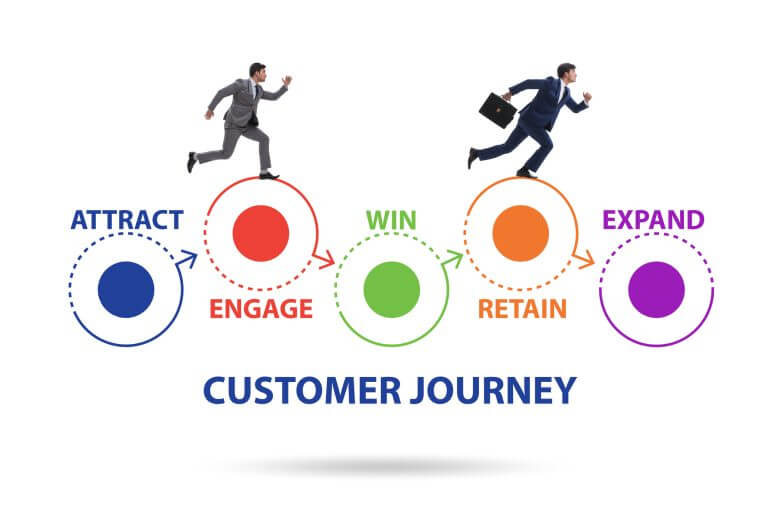
The customer journey is the path a customer takes from initial contact with your business to the final purchase and beyond. It is important to understand the customer journey to identify areas where improvements can be made to enhance the overall customer experience. Mapping out the customer journey can help you identify touchpoints where customers are most likely to interact with your brand and where you can significantly impact their experience.
Customer interactions are the individual interactions that a customer has with your business. These interactions can happen at any point along the customer journey, from initial contact to post-purchase follow-up. Each interaction contributes to the overall perception a customer has of your brand and can impact their decision to continue doing business with you.
Customer persona refers to the characteristics of your ideal customer. Understanding your customer persona can help you tailor your customer experience to meet their needs and expectations. By understanding your customer persona, you can create a customer experience that resonates with them and helps build a strong relationship with your brand.
Customer experience management is the process of managing and improving the overall customer experience. It involves identifying areas where improvements can be made, implementing changes, and measuring the impact of those changes on the customer experience. By adopting a customer-centric approach, you can create a customer experience that meets the needs and expectations of your customers, leading to increased loyalty and repeat business.
In summary, understanding customer experience is essential to improving it. By mapping out the customer journey, identifying touchpoints, understanding customer interactions, and creating a customer persona, you can create a customer experience that resonates with your customers and strengthens your brand. Customer experience management is an ongoing process that requires continuous monitoring and improvement to meet your customers’ changing needs and expectations.
The Importance of a Customer-Centric Approach
Improving customer experience is crucial for the success of any business. One of the most effective ways to achieve this is by adopting a customer-centric approach. This approach puts the customer at the centre of everything you do, focusing on their needs and preferences. Doing so can improve customer satisfaction, loyalty, and lifetime value.
A customer-centric culture is essential for achieving this approach. This culture involves creating an environment where all employees understand the importance of customer satisfaction and are committed to delivering the best possible experience. It requires a shift in mindset from a product-focused approach to a customer-focused one.
Understanding customer needs is also a critical component of a customer-centric approach. It involves gathering data on customer behaviour, preferences, and pain points, and using this information to tailor your products and services to meet their needs. This can help you create a more personalised experience that resonates with your customers.
By adopting a customer-centric approach, you can also improve customer loyalty. Customers are more likely to return to a business that understands their needs and provides a positive experience. This can lead to increased customer lifetime value, as loyal customers are more likely to make repeat purchases and refer others to your business.
In summary, a customer-centric approach is essential for improving customer experience. It involves creating a culture that prioritises customer satisfaction, understanding customer needs, and tailoring your products and services to meet those needs. Doing so can improve customer loyalty and lifetime value, leading to increased business success.
Leveraging Technology for Improved CX
In today’s digital age, technology plays a crucial role in enhancing customer experience (CX). By leveraging the power of technology, businesses can provide a seamless and personalised experience to their customers, which is essential for building long-term relationships. In this section, we will explore some of the ways in which you can leverage technology to improve CX.
AI
Artificial Intelligence (AI) is one of the most powerful technologies for improving CX. By using AI-powered tools, businesses can automate various processes and provide personalised recommendations to their customers. For instance, AI-powered chatbots can be used to provide quick and personalised responses to customer queries, which can significantly improve CX. AI can also be used to analyse customer data and provide insights that can help businesses tailor their services and products to meet the unique needs of their customers.
Tech
In addition to AI, businesses can use various other technologies to improve CX.
For example, businesses can use mobile apps to provide their customers with a seamless and personalised experience.
Mobile apps can be used to provide real-time updates, personalised recommendations, and easy access to customer support. Additionally, businesses can use Big Data to analyse customer behaviour and preferences, which can help them tailor their services and products accordingly.
Chatbots
Chatbots are another powerful tool for improving CX. Businesses can provide quick and personalised responses to customer queries using chatbots, significantly improving CX. Chatbots can also be used to provide 24/7 customer support, which is essential for building long-term relationships with customers. Additionally, chatbots can be used to automate various processes, such as order tracking, which can help businesses save time and resources.
Big Data
Big Data is another technology that can be used to improve CX. By analysing customer data, businesses can gain valuable insights into customer behaviour and preferences, which can help them tailor their services and products accordingly.
For example, businesses can use Big Data to identify patterns in customer behaviour and preferences, which can help them offer personalised recommendations and promotions.
In conclusion, technology plays a crucial role in improving CX. By leveraging the power of AI, tech, chatbots, and Big Data, businesses can provide their customers with a seamless and personalised experience, which is essential for building long-term relationships.
Collecting and Analysing Customer Feedback
It’s essential to collect and analyze customer feedback to improve customer experience. This feedback can provide valuable insights into what works well and what needs improvement. Here are some tips for collecting and analyzing customer feedback effectively:
Surveys
Surveys are a great way to collect customer feedback. You can use online survey tools to create and send surveys to your customers. Ensure your survey questions are clear, concise, and relevant to the customer experience. Keep your surveys short and sweet to encourage customers to complete them.
Open-Text Feedback
Open-text feedback is another valuable way to collect customer feedback. This type of feedback allows customers to provide detailed comments about their experience. You can collect open-text feedback through surveys or by providing a feedback form on your website.
Voice of the Customer (VOC)
Voice of the Customer (VOC) is a process of capturing customer feedback and using it to improve the customer experience. VOC can be collected through various channels, including surveys, social media, and customer support interactions. Analyzing VOC data can help you identify areas of improvement and make data-driven decisions to enhance the customer experience.
Analyzing Feedback
Once you have collected customer feedback, it’s essential to analyze it to identify trends and areas for improvement. You can use data analysis tools to analyze the feedback data and identify patterns. Look for common feedback themes, such as customer support issues or product quality.
Taking Action
After analyzing the feedback, it’s essential to take action to improve the customer experience. Use the insights gained from customer feedback to make data-driven decisions and prioritize improvements. Communicate the changes you are making to your customers to show that you are listening to their feedback and taking action to improve their experience.
In conclusion, collecting and analyzing customer feedback is crucial to improving the customer experience. Use surveys, open-text feedback, and VOC data to collect feedback, analyze it to identify trends and areas for improvement, and take action to enhance the customer experience.
The Role of Data in CX Improvement
Improving customer experience (CX) is a continuous process that requires a deep understanding of your customers’ needs, wants, and expectations. Data plays a crucial role in this process, as it provides valuable insights into customer behaviour, preferences, and pain points. By leveraging data, you can identify areas where your CX needs improvement and take proactive measures to enhance it.
One of the most important aspects of data-driven CX improvement is the use of metrics. Metrics are quantifiable measures that help you track and evaluate the effectiveness of your CX initiatives. Some common CX metrics include Net Promoter Score (NPS), Customer Satisfaction (CSAT), and Customer Effort Score (CES). By tracking these metrics, you can identify trends and patterns in customer behaviour and take appropriate actions to improve their experience.
Another important use of data in CX improvement is predictive analytics. Predictive analytics involves the use of statistical algorithms and machine learning techniques to analyse customer data and predict future behaviour. By analysing customer data, you can identify patterns and trends that can help you predict future behaviour and take proactive measures to improve CX.
You need a robust data analysis framework to effectively leverage data for CX improvement. This framework should include tools and techniques for data collection, cleaning, analysis, and visualisation. By using the right tools and techniques, you can gain a deeper understanding of your customers and take data-driven actions to improve their experience.
In conclusion, data plays a critical role in CX improvement. By using metrics, predictive analytics, and data analysis frameworks, you can gain valuable insights into customer behaviour and take proactive measures to enhance their experience. Remember to use data responsibly and ethically, and always keep the customer at the centre of your CX initiatives.
Delivering a Positive Customer Experience
Delivering a positive customer experience is essential for any business that wants to succeed and grow. A positive customer experience can lead to increased customer loyalty, higher customer satisfaction, and improved brand reputation. Here are some tips on how to deliver a positive customer experience:
1. Understand Your Customers
To deliver a positive customer experience, you need to understand your customers. This means knowing their needs, preferences, and pain points. You can gather this information through customer surveys, social media listening, and customer feedback. Use this information to tailor your products and services to meet your customers’ needs and preferences.
2. Train Your Staff
Your staff are the face of your business, and they play a crucial role in delivering a positive customer experience. Ensure your staff are well-trained in customer service and have the skills and knowledge to handle customer queries and complaints effectively. Encourage your staff to go above and beyond to help customers, and reward them for delivering exceptional customer service.
3. Provide a Seamless Customer Journey
A seamless customer journey is key to delivering a positive customer experience. This means making it easy for customers to interact with your business at every touchpoint. Use technology, such as online booking systems, chatbots, and mobile apps, to streamline your processes. Make sure your website is user-friendly and easy to navigate. Provide clear and concise information about your products and services, and be transparent about your pricing and policies.
4. Personalise Your Customer Interactions
Personalisation is a powerful tool for delivering a positive customer experience. Use customer data to personalise your interactions with customers, such as addressing them by name, recommending products based on their purchase history, and sending personalised offers and promotions. This can help to build a stronger relationship with your customers and increase their loyalty to your brand.
5. Respond to Customer Feedback
Customer feedback is a valuable source of information for improving your customer experience. Make sure you respond to customer feedback promptly and take action to address any issues or concerns raised. Use customer feedback to identify areas for improvement and make changes to your products and services accordingly.
By following these tips, you can deliver a positive customer experience that will help to build customer loyalty, increase customer satisfaction, and improve your brand reputation.
Managing the Customer Journey
Managing the customer journey is crucial to improving the overall customer experience. The customer journey refers to the entire process that a customer goes through when interacting with a company, from initial contact to post-purchase follow-up. A positive customer journey can lead to increased customer loyalty, while a negative one can result in lost business and a damaged reputation.
To manage the customer journey effectively, you must first understand the various touchpoints that a customer may encounter. These can include website visits, social media interactions, phone calls, and in-person interactions. By mapping out the customer journey and identifying these touchpoints, you can better understand the customer experience and identify areas for improvement.
One effective way to manage the customer journey is to implement a customer relationship management (CRM) system. A CRM system can help you track customer interactions and preferences, allowing you to provide more personalised service and anticipate customer needs. It can also help you identify areas where the customer journey may fall short and provide insights into improving it.
Another key aspect of managing the customer journey is ensuring consistency across all touchpoints. Customers expect a seamless experience, regardless of how they interact with your company. This means that your website, social media profiles, in-store experience, and customer service should all be aligned and provide a consistent message.
Finally, it is essential to gather feedback from customers throughout the customer journey. This can include post-purchase surveys, social media monitoring, and customer service feedback. By listening to customer feedback, you can identify pain points in the customer journey and take steps to address them.
In summary, managing the customer journey is critical to improving customer experience. By mapping out the customer journey, implementing a CRM system, ensuring consistency across touchpoints, and gathering customer feedback, you can create a positive customer experience that leads to increased loyalty and business success.
Enhancing Communication with Customers
Effective communication is a crucial component of enhancing the customer experience. By communicating clearly and promptly with your customers, you can build trust and establish a positive relationship with them. This section will discuss some strategies for enhancing communication with your customers.
Provide Contact Information
One of the simplest ways to enhance communication with your customers is to provide them with your contact information. Ensure that your website and social media pages clearly display your phone number, email address, and physical address. This will make it easy for customers to reach out to you with any questions or concerns they may have.
Utilize Live Chat
Live chat is a great tool for enhancing communication with your customers. It allows customers to quickly and easily get in touch with your customer service team without picking up the phone or sending an email. Ensure that your live chat feature is prominently displayed on your website and that knowledgeable and friendly customer service representatives staff it.
Communicate Clearly and Promptly
When communicating with your customers, it is important to be clear and prompt. Ensure that your emails and social media messages are easy to understand and that you respond to customer inquiries as quickly as possible. This will help to build trust and establish a positive relationship with your customers.
Provide Self-Service Options
Another way to enhance communication with your customers is to provide self-service options. This can include things like a FAQ page on your website or a knowledge base that customers can access to find answers to common questions. By providing customers with self-service options, you can help them find the information they need quickly and easily, without having to contact your customer service team.
In summary, enhancing communication with your customers is a critical component of providing an outstanding customer experience. You can build trust and establish a positive relationship with your customers by providing contact information, utilizing live chat, communicating clearly and promptly, and providing self-service options.
Building Trust and Loyalty with Customers
Building trust and loyalty with customers is crucial for any business to succeed. Loyal customers are more likely to return and recommend your business to others, which can lead to increased sales and revenue. Here are some strategies you can use to build trust and loyalty with your customers:
Provide Excellent Customer Service
Providing excellent customer service is one of the most important ways to build customer trust and loyalty. This means being responsive to their needs, answering their questions promptly, and resolving any issues or complaints they may have. Make sure your customer service team is well-trained and equipped to handle any situation that may arise.
Offer High-Quality Products and Services
High-quality products and services are another key way to build customer trust and loyalty. Make sure your products and services meet or exceed their expectations. Provide clear and accurate product descriptions and pricing information to avoid any confusion or misunderstandings.
Be Transparent and Honest
Being transparent and honest with your customers is essential for building trust and loyalty. This means being upfront about any potential issues or limitations with your products or services. It also means being transparent about your business practices, such as your return policy or shipping times.
Reward Loyal Customers
Rewarding loyal customers is a great way to build loyalty and keep them coming back. Offer discounts, special promotions, or exclusive content to customers who have been with you for a long time. You can also offer referral bonuses to customers who refer new business to you.
Communicate Regularly
Regular communication with your customers is important for building trust and loyalty. Keep them informed about new products or services, special promotions, or any changes to your business. Use email newsletters, social media, or other channels to stay in touch with your customers.
Following these strategies can build customer trust and loyalty and create a strong foundation for your business to succeed.
The Impact of Company Culture on CX
Your company culture plays a vital role in shaping the customer experience (CX) you provide. It impacts how your employees interact with customers, solve problems, and represent your brand. Your company culture can either make or break your CX efforts.
Leadership plays a key role in creating and maintaining a customer-centric culture. As a CEO or a leader, you must set the tone for your organisation. You must lead by example and demonstrate that customer satisfaction is a top priority. You need to ensure that your employees understand the importance of CX and are empowered to deliver it.
A customer-centric culture is one where everyone in the organisation understands that the customer is at the heart of everything you do. It’s a culture where employees are trained to listen to customers, understand their needs, and provide solutions that meet those needs. It’s a culture where employees are encouraged to go above and beyond to exceed customer expectations.
To create a customer-centric culture, you need to focus on a few key areas:
- Leadership: As mentioned earlier, leadership plays a key role in shaping your company culture. You need to lead by example and demonstrate your commitment to CX.
- Employee training: You must provide your employees with the training they need to deliver an exceptional CX. This includes training in communication skills, problem-solving, and customer service.
- Employee empowerment: You must empower your employees to make decisions that benefit the customer. This means giving them the tools and resources they need to solve problems quickly and efficiently.
- Customer feedback: You must listen to your customers and use their feedback to improve your CX. This means collecting feedback through surveys, social media, and other channels, and using that feedback to make changes to your processes and policies.
In summary, your company culture significantly impacts the customer experience you provide. As a leader, you must create a customer-centric culture that empowers your employees to deliver an exceptional CX. By focusing on leadership, employee training, employee empowerment, and customer feedback, you can create a culture that puts the customer at the heart of everything you do.
Personalising the Customer Experience
Personalisation is the key to improving customer experience. Personalising the experience can make your customers feel valued, understood, and appreciated. This, in turn, will lead to increased customer loyalty, higher customer satisfaction rates, and increased revenue.
Here are some ways to personalise the customer experience:
- Data Collection: Collecting data about your customers is the first step in personalising the customer experience. You can gather data through online surveys, feedback forms, and social media. This data can then be used to create customer profiles that help you understand your customers’ preferences, needs, and behaviours.
- Tailored Content: Once you have collected customer data, you can use it to create tailored content that speaks directly to them. This could include personalised emails, product recommendations, and special offers. You can increase engagement and drive conversions by tailoring your content to your customer’s interests and needs.
- Customer Service: Personalisation can also be applied to customer service. By training your customer service representatives to use customer data to provide personalised support, you can improve the overall customer experience. For example, if a customer has a history of purchasing a particular product, your customer service representative can recommend related products or offer discounts on future purchases.
- User Experience: Finally, personalisation can be applied to the user experience of your website or app. By using customer data to create personalised interfaces, you can make it easier for customers to find what they are looking for and complete their desired actions. This could include personalised product recommendations, customised search results, and tailored navigation menus.
Personalising the customer experience is a powerful way to improve customer satisfaction, loyalty, and revenue. By collecting data, tailoring content, providing personalised customer service, and improving the user experience, you can create a more engaging and satisfying experience for your customers.
The Role of Social Media in CX
Social media has become essential for businesses to connect with customers and improve their customer experience (CX). Businesses can leverage social media platforms to communicate with their customers, gain valuable feedback, and build brand loyalty.
One way social media can improve CX is by providing a platform for customers to leave reviews and feedback. Social media platforms such as Facebook, Twitter, and Instagram allow customers to share their experiences with a wider audience, making it easier for businesses to identify areas for improvement. By monitoring and responding to customer feedback on social media, businesses can show customers that they care about their opinions and are committed to improving their experience.
In addition to customer feedback, social media can also be used to provide customers with valuable information about products and services. By sharing informative content, such as tutorials, product demos, and how-to guides, businesses can help customers make informed decisions and improve their overall experience.
Moreover, social media can also be used to provide customers with personalized support and assistance. By responding to customer inquiries and complaints on social media, businesses can show customers that they are valued and appreciated. This can help build brand loyalty and improve customer retention.
Overall, social media plays a crucial role in improving CX. By leveraging social media platforms, businesses can gain valuable feedback, provide customers with informative content, and offer personalized support and assistance. By doing so, businesses can build brand loyalty, improve customer retention, and ultimately drive business growth.
Addressing Customer Pain Points
One of the most effective ways to improve customer experience is to address their pain points. Pain points are the areas where customers experience frustration or gaps in their journey. Youexa can improve customer satisfaction and loyalty by identifying and addressing these pain points.
To begin addressing customer pain points, you must understand your customers’ experience. Conduct a customer satisfaction analysis to help you identify specific pain points in the journeys that matter. This analysis will help you set priorities for addressing these pain points and improving the overall customer experience.
Once you have identified the pain points, you can begin to address them. Prioritize the pain points and tackle the biggest ones first. This will have the most significant impact on improving the customer experience.
Addressing customer pain points requires a customer-centric approach. You must put yourself in your customers’ shoes and understand their perspective. This will help you identify the root cause of the pain point and develop a solution that addresses it effectively.
When addressing pain points, be sure to communicate with your customers. Let them know that you are aware of the issue and are taking steps to address it. This will help build trust and show your customers that you value their feedback.
In conclusion, addressing customer pain points is crucial to improving the customer experience. By understanding your customers’ journey and identifying their pain points, you can develop effective solutions that improve customer satisfaction and loyalty. Remember to prioritize the pain points, take a customer-centric approach, and communicate with your customers throughout the process.
The Importance of Omnichannel CX
In today’s fast-paced world, customers demand seamless experiences across channels. Omnichannel customer experience (CX) is a strategy that aims to provide a consistent and integrated experience across all channels, including online, mobile, in-store, and social media.
Omnichannel CX is essential because customers expect to interact with brands on their own terms, using the most convenient channels. By providing a seamless experience across channels, you can improve customer satisfaction, loyalty, and retention rates.
Channels are no longer siloed, and customers expect to be able to switch between them seamlessly.
For example, a customer might start browsing products on your website, add items to their cart, and then decide to visit your physical store to try them on before making a purchase. If the experience is not seamless, the customer may abandon their purchase altogether.
Omnichannel CX can also help you better understand your customers’ behaviour and preferences. By tracking their interactions across channels, you can gain insights into their needs and preferences, which can help you to tailor your marketing and sales efforts to their specific needs.
In summary, omnichannel CX is essential for businesses that want to provide a seamless and integrated experience across all channels. By doing so, you can improve customer satisfaction, loyalty, and retention rates and gain valuable insights into your customers’ behaviour and preferences.
Boosting Revenue through Improved CX
Improving customer experience (CX) can lead to a boost in revenue growth rate for businesses. According to a research paper published in IEEE Xplore, CX has become a critical success factor for businesses to drive revenue growth. By improving CX, businesses can improve customer loyalty, increase customer retention rates, and attract new customers through word-of-mouth recommendations.
Businesses should focus on enhancing customer satisfaction and experience to boost revenue through improved CX. A survey of recent research in financial services journals found that improving customer experience can lift revenue by up to 15 per cent and increase customer satisfaction by 20 per cent. This highlights the importance of focusing on CX as a key business outcome.
Businesses should focus on key concepts in customer experience, such as convenience, personalization, and feedback, to improve CX. CX leaders are more resilient during times of uncertainty, as they are better equipped to adapt to the next normal in retail. Businesses should strive to enhance convenience for customers and boost sales by making it easier for customers to find what they need and complete transactions.
In addition, businesses should focus on personalization by tailoring their products and services to meet the specific needs of their customers. This can be achieved by using data analytics to gain insights into customer preferences and behaviours. By doing so, businesses can create better and more personalized customer experiences, which can lead to increased customer satisfaction and loyalty.
Finally, businesses should focus on gathering customer feedback throughout the design process. This can help businesses identify areas for improvement and make changes to their products and services based on customer feedback. By doing so, businesses can create better customer experiences and drive revenue growth through increased customer satisfaction and loyalty.
In conclusion, improving CX is a critical success factor for businesses to drive revenue growth. By focusing on key concepts such as convenience, personalization, and feedback, businesses can create better and more personalized customer experiences, which can lead to increased customer satisfaction and loyalty.
Strategies for Customer Retention
Customer retention is a crucial aspect of any business that aims to succeed in the long run. Retaining customers is not only cost-effective but also helps to build a loyal customer base that can help drive sales and revenue growth. In this section, we will discuss some effective strategies that you can use to improve customer retention.
Provide Exceptional Customer Service
One of the most effective ways to retain customers is by providing exceptional customer service. Ensure that your customer service team is well-trained, knowledgeable, and friendly. Respond promptly to customer inquiries, complaints, and feedback. By providing excellent customer service, you can build trust and loyalty with your customers, which can lead to repeat business.
Offer Personalised Experiences
Personalisation is another effective strategy for improving customer retention. Customers appreciate when businesses take the time to understand their needs and preferences. Use data analytics to gather information about your customers, such as their purchase history and browsing behaviour, to create personalised experiences.
For example, you can send personalised emails with product recommendations based on their previous purchases.
Implement a Loyalty Program
Implementing a loyalty program is an effective way to retain customers. Loyalty programs reward customers for their repeat business, which can incentivise them to continue buying from your business. Consider offering discounts, exclusive access to products, or free gifts to loyal customers. Make sure your loyalty program is easy to understand and use, and communicate the benefits clearly to your customers.
Focus on Customer Feedback
Customer feedback is a valuable source of information that can help you improve your products and services. Encourage customers to leave feedback, and use their insights to make changes that can improve the customer experience. Consider implementing a feedback system that allows customers to rate their experience with your business and provide suggestions for improvement.
Measure and Monitor the Retention Rate
Finally, it is important to measure and monitor your retention rate regularly. This will help you understand how effective your retention strategies are and identify areas for improvement. Use customer relationship management (CRM) software to track customer behaviour and identify customers who are at risk of leaving. By monitoring your retention rate, you can take proactive steps to retain customers before they churn.
Incorporating these strategies into your business can help you improve customer retention and build a loyal customer base. Remember to provide exceptional customer service, offer personalised experiences, implement a loyalty program, focus on customer feedback, and measure and monitor retention rate.
Competing on Customer Service
In today’s competitive business landscape, providing exceptional customer service is essential to stand out from the crowd. Customer service can be the key to retaining and attracting new customers. Here are some tips to help you compete in customer service:
1. Make it easy for customers to reach you
Customers want to be able to contact you easily and quickly. Make sure you have multiple channels available for customers to reach you, such as phone, email, chat, and social media. Ensure that your contact information is prominently displayed on your website and any other customer-facing materials.
2. Respond promptly
When a customer contacts you, respond promptly. This means acknowledging their message and providing an estimated time for resolution. If you can’t resolve the issue immediately, keep the customer updated on your progress.
3. Train your staff
Your customer service representatives are the face of your company. Ensure they are trained to handle all customer interactions, from simple inquiries to complex complaints. Provide them with the tools and resources they need to resolve issues quickly and efficiently.
4. Personalize the experience
Customers appreciate a personalized experience. Use customer data to tailor your interactions with them.
For example, if a customer has a history of purchasing a particular product, you could recommend related products or offer them a discount on their next purchase.
5. Follow up
After resolving an issue, follow up with the customer to ensure they are satisfied with the outcome. This shows that you value their business and are committed to providing excellent customer service.
By implementing these tips, you can compete on customer service and differentiate your business from your competitors. Remember, providing exceptional customer service is not just about resolving issues; it’s about creating a positive experience for your customers that keeps them coming back.
The Future of Customer Experience
Improving customer experience (CX) is an ongoing process requiring businesses to stay updated with the latest trends and technologies. The future of CX is promising, with new technologies and strategies emerging to improve the customer journey. Here are some of the key trends that will shape the future of CX:
Customer-Experience Transformation
Customer-experience transformation is a process that involves rethinking the entire customer journey and implementing new strategies and technologies to improve the customer experience. This transformation is essential for businesses that want to stay competitive in the future. By focusing on CX transformation, businesses can create a customer-centric culture, enhance customer loyalty, and increase revenue.
Resistance
Resistance to change can be a significant barrier to CX transformation. Many businesses are resistant to change because they fear the unknown or are comfortable with the status quo. However, resistance to change can lead to missed opportunities and lost revenue. Businesses must communicate the benefits of CX transformation and involve employees in the process to overcome resistance.
Momentum
Momentum is critical for CX transformation. Once businesses start to see positive results from CX initiatives, they are more likely to continue investing in CX. Momentum can be generated by setting achievable goals, measuring progress, and celebrating successes.
Emerging Technologies
Emerging technologies such as artificial intelligence (AI), chatbots, and virtual reality (VR) will play a significant role in the future of CX. These technologies can enhance the customer journey by providing personalised experiences, improving customer service, and streamlining processes.
In conclusion, the future of CX is promising, with new technologies and strategies emerging to improve the customer journey. By focusing on CX transformation, overcoming resistance, generating momentum, and embracing emerging technologies, businesses can create a customer-centric culture, enhance customer loyalty, and increase revenue.
Frequently Asked Questions
What are some effective strategies for enhancing the customer experience?
There are several effective strategies that you can use to enhance the customer experience. One of the most important strategies is to listen to your customers and take their feedback seriously. You can also personalise your interactions with customers, offer loyalty incentives and rewards, and ensure that your employees are well-trained and knowledgeable about your products and services.
What are some examples of companies that have successfully improved their customer experience?
Several companies, including Amazon, Zappos, and Apple, have successfully improved their customer experience. These companies have invested heavily in customer service, personalised their interactions with customers, and made sure that their employees are well-trained and knowledgeable about their products and services.
How can digital transformation be leveraged to improve the customer experience?
Digital transformation can be leveraged to improve the customer experience in several ways.
For example, you can use chatbots and other AI-powered tools to provide customers with quick and accurate responses to their queries.
You can also use data analytics to gain insights into customer behaviour and preferences, and use this information to personalise your interactions with customers.
What are the key factors that contribute to a great customer experience?
Several key factors contribute to a great customer experience, including excellent customer service, personalisation, convenience, and value for money. Customers also appreciate companies that are transparent, honest, and responsive to their needs and concerns.
What are some best practices for improving customer experience in a call centre?
To improve customer experience in a call centre, you should focus on reducing wait times, providing clear and accurate information, and making sure that your employees are well-trained and knowledgeable about your products and services. You can also use customer feedback to identify areas for improvement and make changes accordingly.
What are the essential steps to take when developing a customer experience strategy?
When developing a customer experience strategy, it is important to start by understanding your customers’ needs and preferences. You should also set clear goals and objectives, identify key metrics for measuring success, and involve all relevant stakeholders in the process. Once you have developed your strategy, you should regularly review and update it based on customer feedback and changing market conditions.