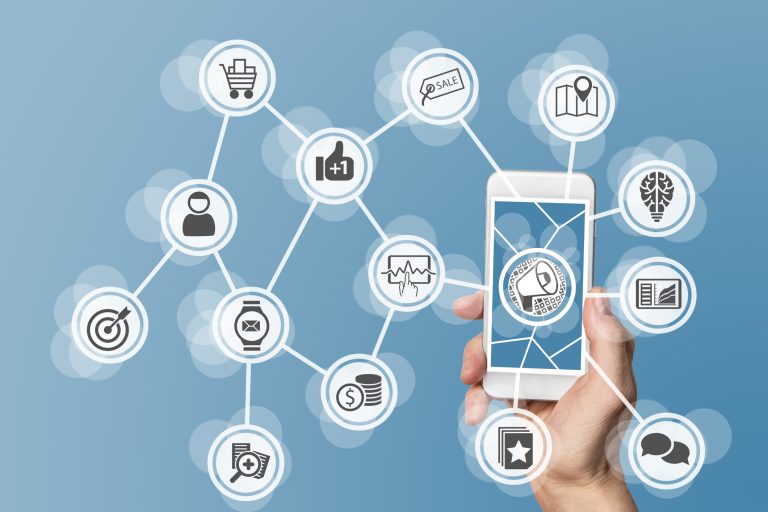
Mobile marketing has become an integral part of any marketing strategy. It is a powerful tool that enables businesses to connect with their target audience in real-time and on the go. With the majority of people accessing the internet through their mobile devices, it is crucial for businesses to have a mobile marketing strategy that is effective and efficient.
In this article, you will learn how to do mobile marketing effectively and how to leverage mobile technologies to reach your target audience.
Understanding mobile marketing is the first step towards developing a successful mobile marketing strategy. It involves reaching out to your target audience through various mobile channels such as SMS, email, social media, and mobile applications. Developing a mobile marketing strategy requires careful planning and execution. It involves identifying your target audience, understanding their needs and preferences, and creating content that resonates with them.
Leveraging mobile technologies is another important aspect of mobile marketing. With the advent of new technologies such as augmented reality, virtual reality, and artificial intelligence, businesses can create immersive and engaging mobile experiences for their customers. Optimising for mobile devices is also crucial for mobile marketing success. This involves creating mobile-friendly content that is easy to navigate and access on mobile devices.
Key Takeaways
- Understanding mobile marketing is crucial for developing an effective mobile marketing strategy.
- Leveraging mobile technologies and optimising for mobile devices are important aspects of mobile marketing.
- Analysing mobile marketing performance and understanding user behaviour and preferences can help businesses improve their mobile marketing strategy.
Understanding Mobile Marketing
To effectively do mobile marketing, it is important to first understand what it is. Mobile marketing is the process of promoting products or services to customers through mobile devices such as smartphones and tablets. With the increasing use of mobile devices, mobile marketing has become an essential part of any marketing strategy.
Mobile marketing can take many forms, including mobile apps, mobile-friendly websites, and mobile advertising. It is important to have a mobile marketing strategy that is tailored to your target audience and the type of mobile device they are using.
Mobile apps are a popular way to engage with customers and provide them with a personalised experience. Mobile apps can be used to provide customers with special offers, loyalty rewards, and other incentives. However, it is important to ensure that your mobile app is user-friendly and provides value to your customers.
Mobile-friendly websites are also important for mobile marketing. A mobile-optimized website ensures that your website is easy to navigate on a mobile device. This is important because more and more people are using their mobile devices to browse the internet. A mobile-friendly website can also improve your search engine rankings, as search engines favour mobile-optimized websites.
Mobile advertising is another important aspect of mobile marketing. Mobile advertising can take many forms, including in-app advertising, mobile search ads, and display ads. Mobile advertising can be an effective way to reach your target audience and increase brand awareness.
In summary, mobile marketing is an essential part of any marketing strategy. To do mobile marketing effectively, it is important to have a mobile marketing strategy that is tailored to your target audience and the type of mobile device they are using. This can include mobile apps, mobile-friendly websites, and mobile advertising. By understanding mobile marketing, you can effectively engage with your customers and increase brand awareness.
Developing a Mobile Marketing Strategy
Developing a mobile marketing strategy is crucial for the success of your mobile marketing campaigns. It involves identifying your target audience, creating engaging content, and executing effective campaigns to generate leads, increase sales, and improve your ROI.
Identify Your Target Audience
To develop an effective mobile marketing strategy, you need to identify your target audience. This involves understanding their needs, preferences, and behaviours. You can use various tools and techniques to gather data about your target audience, such as surveys, focus groups, and social media analytics.
Once you have identified your target audience, you can create personalised content that resonates with them. Personalisation is key to engaging your audience and building long-term relationships with them.
Create Engaging Content
Engaging content is essential for any mobile marketing campaign. It should be informative, entertaining, and relevant to your target audience. You can use various types of content, such as videos, images, and infographics, to capture your audience’s attention and keep them engaged.
It is also important to optimise your content for mobile devices. This means using responsive design, clear and concise copy, and easy-to-use navigation. Mobile users have short attention spans, so your content should be easy to consume and share.
Execute Effective Campaigns
To execute effective mobile marketing campaigns, you need to use a combination of digital marketing strategies. This includes email marketing, social media marketing, and mobile advertising. You should also use analytics to track your campaigns’ performance and adjust your strategy accordingly.
Your campaigns should be designed to generate leads, increase sales, and improve your ROI. You can use various tactics, such as discounts, promotions, and giveaways, to incentivise your audience to take action.
In conclusion, developing a mobile marketing strategy requires a deep understanding of your target audience, creating engaging content, and executing effective campaigns. By following these steps, you can generate leads, increase sales, and improve your ROI.
Leveraging Mobile Technologies
In today’s fast-paced world, it is essential to leverage mobile technologies to reach your target audience effectively. Mobile technologies offer marketers several opportunities to connect with their customers, such as AI-powered chatbots, push notifications, QR codes, location-based marketing, and automation.
AI-powered chatbots can provide 24/7 customer support, answer frequently asked questions, and help customers navigate your app or website. By using chatbots, you can improve customer engagement and satisfaction, reduce response time, and increase conversion rates.
Push notifications are an effective way to keep your customers engaged and informed about your products or services. You can use push notifications to send reminders, promotions, updates, and personalized messages based on your customers’ behaviour and preferences. However, it is essential to use push notifications judiciously to avoid annoying your customers.
QR codes are a popular way to provide customers with quick access to your website, app, or social media profiles. You can use QR codes on your product packaging, business cards, flyers, and posters to increase brand awareness and drive traffic to your digital channels.
Location-based marketing allows you to target customers based on their location, such as their proximity to your store or event. You can use location-based marketing to send personalized offers, promotions, and recommendations to your customers, based on their real-time location data.
Automation can help you streamline your marketing processes and save time and resources. You can use automation to schedule social media posts, send automated emails, and create personalised landing pages based on your customers’ behaviour and preferences.
In summary, leveraging mobile technologies can help you reach your target audience more effectively and improve customer engagement and satisfaction. By using AI-powered chatbots, push notifications, QR codes, location-based marketing, and automation, you can create a seamless and personalised experience for your customers.
Optimising for Mobile Devices
When it comes to mobile marketing, it’s essential to optimise your content for mobile devices. With the increasing use of mobile devices, it’s crucial to ensure that your content is accessible and user-friendly on any screen size.
One of the most important aspects of mobile marketing is speed. Mobile users expect fast loading times, and if your website takes too long to load, they will likely leave and never come back. Therefore, it’s crucial to ensure that your website is optimised for speed and that your content is delivered quickly to your users.
Visuals are also essential in mobile marketing. Since mobile screens are smaller than desktop screens, it’s important to use high-quality visuals that are optimised for mobile devices. This includes using images that are resized and compressed for mobile viewing, as well as using videos that are optimised for mobile devices.
Another critical aspect of mobile marketing is ensuring that your website is mobile-friendly. This means that your website should be easy to navigate on a mobile device, with clear and concise menus and buttons that are easy to tap.
Having a mobile-optimised website is also important for mobile marketing. This means that your website should be designed specifically for mobile devices, with a layout that is optimised for smaller screens. This includes using responsive design, which adjusts the layout of your website based on the screen size of the device.
Overall, optimising your content for mobile devices is essential for effective mobile marketing. By ensuring that your website is mobile-friendly, mobile-optimised, and optimised for speed and visuals, you can provide a great user experience for your mobile users and drive more conversions.
Mobile Content Marketing
Mobile content marketing is an important aspect of mobile marketing. It refers to creating and sharing valuable, relevant, and engaging content with your target audience through mobile devices. The goal of mobile content marketing is to attract and retain your target audience and ultimately drive profitable customer action.
To create effective mobile content, you need to understand your audience and create content that resonates with them. This means understanding their needs, interests, and pain points. You can use tools like Google Analytics to gain insights into your audience and create content that addresses their needs.
Engaging content is key to successful mobile content marketing. You need to create content that is interesting, informative, and relevant to your audience. This can be in the form of blog posts, videos, infographics, or social media posts. Your content should be visually appealing and easy to consume on mobile devices.
Headlines are also important in mobile content marketing. You need to create headlines that grab the attention of your audience and entice them to read your content. Your headline should be clear, concise, and include relevant keywords for SEO purposes.
Call to actions (CTAs) are also important in mobile content marketing. You need to include clear and compelling CTAs that encourage your audience to take action. This can be in the form of signing up for a newsletter, downloading an app, or making a purchase.
Finally, SEO is important in mobile content marketing. You need to create content that is optimised for search engines so that your audience can find it easily. This means including relevant keywords, meta descriptions, and alt tags in your content.
In summary, mobile content marketing is an important aspect of mobile marketing. To create effective mobile content, you need to understand your audience, create engaging content, use compelling headlines, include clear CTAs, and optimise for SEO.
Utilising Email and SMS Marketing
Email and SMS marketing are two of the most popular and effective ways to reach your audience. Both are cost-effective, easy to implement, and can be targeted to specific groups. However, to make the most of these marketing channels, you need to know how to use them effectively.
Email Marketing
Email marketing is a powerful tool for engaging with your audience and driving sales. When done right, it can be a highly effective way to communicate with your customers and prospects. Here are some tips to help you get the most out of your email marketing campaigns:
- Keep it short and sweet: People are busy, and they don’t have time to read long emails. Keep your emails short and to the point, and make sure they are easy to read.
- Personalise your emails: Personalisation is key to making your emails stand out. Use the recipient’s name in the subject line and throughout the email to make it more personal.
- Use a clear call-to-action: Make it clear what you want the recipient to do after reading your email. Use a clear, concise call-to-action that is easy to understand and follow.
- Monitor email open rates: Keep an eye on your email open rates to see how your campaigns are performing. If you notice a decline in open rates, it may be time to change up your approach.
SMS Marketing
SMS marketing is a highly effective way to reach your audience on their mobile devices. It is a great way to send timely messages, such as promotions, reminders, and alerts. Here are some tips to help you get the most out of your SMS marketing campaigns:
- Keep it short and sweet: Like email marketing, keep your messages short and to the point. SMS messages have a character limit, so make sure your message is concise and easy to read.
- Be timely: SMS messages are often read immediately, so make sure your messages are timely and relevant. Use SMS messages to send promotions, reminders, and alerts to keep your audience engaged.
- Get permission: Make sure you have permission to send SMS messages to your audience. This will help you avoid spam complaints and ensure that your messages are well-received.
- Monitor response rates: Keep an eye on your response rates to see how your campaigns are performing. If you notice a decline in response rates, it may be time to change up your approach.
By following these tips, you can make the most of your email and SMS marketing campaigns and reach your audience in a more effective way.
Social Media and Mobile Marketing
Social media has become an essential component of mobile marketing. With over 4 billion people using social media worldwide, it has become a crucial platform for businesses to reach their target audience. By using social media platforms like Instagram, Facebook, and LinkedIn, businesses can engage with their customers, build brand awareness, and promote their products or services.
When it comes to mobile marketing, social media offers several advantages. For instance, social media platforms are designed to be mobile-friendly, which means that users can easily access them on their mobile devices. Additionally, social media platforms offer a range of advertising options that are specifically tailored to mobile devices, such as video ads, carousel ads, and story ads.
One of the most significant benefits of using social media for mobile marketing is the ability to target specific demographics. Social media platforms collect vast amounts of data on their users, including their age, gender, location, interests, and behaviour. This data can be used to create highly targeted advertising campaigns that are more likely to reach the right people at the right time.
To make the most of social media for mobile marketing, it’s essential to understand which social media platforms your target audience uses most frequently. For instance, if your target audience is primarily young adults, you may want to focus your efforts on platforms like Instagram and Snapchat. On the other hand, if your target audience is primarily professionals, you may want to focus on LinkedIn.
In conclusion, social media is a powerful tool for mobile marketing. By using social media platforms to engage with your target audience, you can build brand awareness, promote your products or services, and drive sales. To make the most of social media for mobile marketing, it’s essential to understand your target audience and which social media platforms they use most frequently.
Analysing Mobile Marketing Performance
To ensure the effectiveness of your mobile marketing campaigns, it is essential to analyse their performance regularly. This analysis will help you understand what works and what doesn’t, allowing you to make data-driven decisions to improve your campaigns.
One of the most popular tools for analysing mobile marketing performance is Google Analytics. This free tool provides a wealth of information on your website’s traffic, including the number of visitors, their demographics, and the pages they visit. You can also use Google Analytics to track your mobile app’s performance, including user behaviour and conversion rates.
When analysing mobile marketing performance, it is important to focus on key performance indicators (KPIs). These are the metrics that matter most to your business, such as conversion rates, click-through rates, and revenue generated. By tracking these KPIs, you can identify areas for improvement and adjust your campaigns accordingly.
To ensure that your analysis is accurate and actionable, it is important to use data-driven insights. This means looking beyond just the numbers and understanding the story behind the data. For example, if your conversion rate is low, you need to understand why this is the case and what you can do to improve it.
In conclusion, analysing mobile marketing performance is essential for any business looking to succeed in today’s digital landscape. By using tools like Google Analytics, focusing on KPIs, and using data-driven insights, you can make informed decisions to improve your campaigns and drive better results.
Understanding User Behaviour and Preferences
To effectively market to your audience, you need to understand their behaviour and preferences. This involves identifying their pain points, demographics, and touchpoints, as well as their user and customer experience. By understanding these factors, you can tailor your mobile marketing strategy to better meet their needs.
One important aspect of user behaviour is their preferences. This can include their preferred communication channels, the types of content they engage with, and their purchasing habits. By understanding these preferences, you can create a mobile marketing strategy that resonates with your audience and encourages them to engage with your brand.
Another important factor to consider is user experience. This includes the overall experience of using your mobile app or website, as well as the ease of navigating your content and completing actions. By providing a seamless user experience, you can increase trust in your brand and reduce bounce rates.
It’s also important to consider customer experience when developing your mobile marketing strategy. This involves the entire customer journey, from initial engagement to post-purchase follow-up. By providing a positive customer experience, you can build trust and loyalty with your audience.
Overall, understanding user behaviour and preferences is crucial for developing an effective mobile marketing strategy. By tailoring your approach to meet the needs of your audience, you can increase engagement and drive conversions.
Ensuring Compliance and Consent
When it comes to mobile marketing, ensuring compliance and consent is crucial. Without proper compliance and consent, your mobile marketing efforts can quickly turn into a legal nightmare. Here are some tips to help you ensure compliance and obtain consent from your audience:
Compliance
Compliance is essential to avoid legal issues and ensure that your mobile marketing campaign is ethical and trustworthy. Here are some ways to ensure compliance:
- Stay up-to-date with the latest regulations: Make sure you are familiar with the relevant regulations in your area. This includes data protection laws, privacy laws, and advertising standards.
- Get legal advice: If you are unsure about any aspect of compliance, it’s a good idea to seek legal advice. A lawyer can help you navigate the legal landscape and ensure that your mobile marketing campaign is compliant.
- Keep accurate records: Make sure you keep accurate records of all your mobile marketing activities. This includes data collection, consent, and opt-outs. Accurate records can help you demonstrate compliance if there is ever a legal challenge.
Consent
Consent is essential when it comes to mobile marketing. Without consent, your mobile marketing campaign can quickly become intrusive and unwelcome. Here are some ways to obtain consent:
- Make sure consent is informed: Consent must be informed to be meaningful. This means that you need to explain what data you are collecting, how it will be used, and who it will be shared with.
- Make it easy to opt-out: You must provide an easy way for people to opt-out of your mobile marketing campaign. This can be a simple SMS message or a link to an opt-out page.
- Respect people’s choices: Once someone has opted-out of your mobile marketing campaign, you must respect their choice. Continuing to send messages to someone who has opted-out is illegal and can result in legal action.
By ensuring compliance and obtaining consent, you can create a mobile marketing campaign that is ethical, trustworthy, and effective.
Leveraging Feedback and Reviews
When it comes to mobile marketing, feedback and reviews can be powerful tools to improve customer satisfaction and increase sales. By leveraging feedback and reviews, you can gain valuable insights into what your customers think about your products or services, and use that information to make improvements and address any issues.
One effective way to leverage feedback is to encourage customers to leave reviews on your mobile app or website. This can be done by offering incentives such as discounts or rewards for leaving a review. You can also make it easy for customers to leave feedback by providing a clear and simple feedback form. By doing so, you can gather valuable feedback that can be used to improve your products or services.
Another way to leverage feedback is to monitor social media channels for customer feedback and reviews. Social media platforms such as Twitter and Facebook can be powerful tools for gathering customer feedback and reviews. By monitoring these channels, you can quickly identify any issues or concerns that customers may have and take action to address them.
Reviews are also a powerful tool for mobile marketing. Positive reviews can help to build trust and credibility with potential customers, while negative reviews can provide valuable insights into areas where you need to improve. By responding to negative reviews in a professional and courteous manner, you can show that you value customer feedback and are committed to improving your products or services.
In summary, leveraging feedback and reviews is an effective way to improve customer satisfaction and increase sales in mobile marketing. By encouraging customers to leave reviews, monitoring social media channels, and responding to reviews in a professional and courteous manner, you can gain valuable insights into what your customers think about your products or services and use that information to make improvements and address any issues.
Best Practices and Latest Trends
Mobile marketing is a constantly evolving field, and it’s important to stay up-to-date with the latest trends and best practices to ensure the success of your campaigns. Here are some key trends and practices to keep in mind:
Personalisation
One of the most important trends in mobile marketing is personalisation. Customers expect tailored experiences, and mobile devices provide a wealth of data that can be used to deliver personalised content and messaging. By leveraging data such as location, browsing history, and purchase behaviour, you can create highly targeted campaigns that are more likely to resonate with your audience.
Video Content
Video content is becoming increasingly popular on mobile devices, and it’s a great way to engage your audience and convey your message. Short, attention-grabbing videos are particularly effective, and can be used to showcase your products or services, tell a story, or provide helpful tips and advice. Just make sure your videos are optimised for mobile devices and don’t require too much data or bandwidth.
SMS Marketing
SMS marketing is a tried-and-true method that is still highly effective today. By sending targeted, personalised messages directly to your customers’ phones, you can drive engagement and conversions. Just make sure your messages are relevant, valuable, and not too frequent. Also, make sure you comply with relevant regulations and obtain consent from your customers.
Chatbots
Chatbots are becoming increasingly popular in mobile marketing, and for good reason. They provide a convenient and efficient way to interact with customers, answer questions, and provide support. By using AI and machine learning, chatbots can even learn from customer interactions and provide increasingly personalised and effective responses over time.
Mobile Wallets
Mobile wallets like Apple Pay and Google Wallet are becoming more popular, and they provide a convenient and secure way for customers to make purchases on their mobile devices. By integrating mobile wallets into your mobile marketing campaigns, you can make it easier for customers to make purchases and increase conversions.
By incorporating these latest trends and best practices into your mobile marketing campaigns, you can stay ahead of the curve and deliver more effective and engaging experiences for your customers.
Frequently Asked Questions
What are the key elements of a successful mobile marketing campaign?
To create a successful mobile marketing campaign, you need to focus on several key elements. First, you need to have a clear understanding of your target audience and tailor your messaging accordingly. Second, you need to have a strong call-to-action that encourages users to engage with your campaign. Third, you need to have a mobile-optimized landing page that is easy to navigate and provides a seamless user experience. Finally, you need to track and analyse your results to continually refine and improve your campaign.
How can you measure the effectiveness of your mobile marketing strategy?
There are several metrics that you can use to measure the effectiveness of your mobile marketing strategy. These include click-through rates, conversion rates, engagement rates, and return on investment. By tracking these metrics, you can determine what is working well and what needs to be improved.
What are some common mistakes to avoid in mobile marketing?
One of the biggest mistakes that businesses make in mobile marketing is not optimizing their campaigns for mobile devices. This can lead to a poor user experience and lower engagement rates. Another common mistake is not targeting the right audience with your messaging. It’s important to understand who your audience is and what they are looking for in order to create effective campaigns. Finally, businesses often fail to track and analyse their results, which can lead to missed opportunities for improvement.
How can you tailor your mobile marketing approach to different target audiences?
To tailor your mobile marketing approach to different target audiences, you need to have a clear understanding of each audience’s needs and preferences. This can be done through market research and data analysis. Once you have this information, you can create messaging and campaigns that resonate with each audience and drive engagement.
What are some innovative mobile marketing techniques that are currently being used?
There are several innovative mobile marketing techniques that are currently being used, including augmented reality, location-based marketing, and chatbots. Augmented reality allows businesses to create immersive experiences for users, while location-based marketing allows them to target users based on their physical location. Chatbots can provide personalized messaging and support to users, improving engagement and customer satisfaction.
How can you stay up-to-date with the latest trends and developments in mobile marketing?
To stay up-to-date with the latest trends and developments in mobile marketing, you can follow industry publications and blogs, attend conferences and events, and network with other professionals in the field. It’s also important to continually track and analyse your own results and experiment with new techniques and strategies.