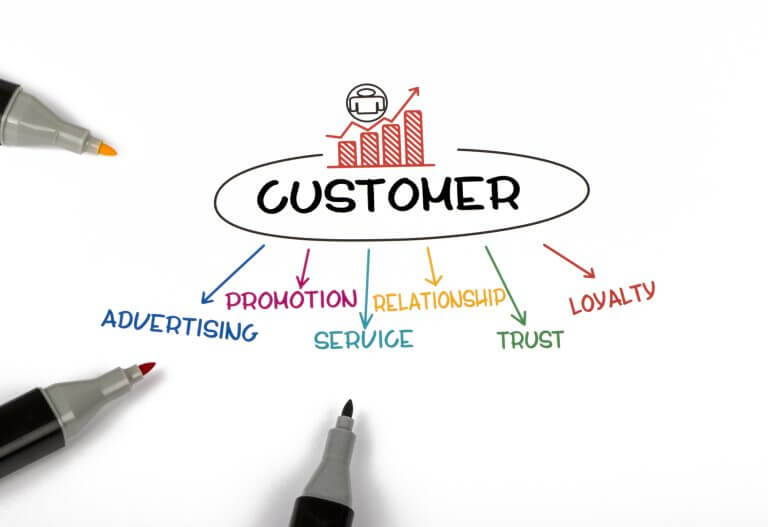
Managing customer value is essential for any business aiming for long-term success. To effectively manage customer value, focus on understanding what your customers truly want and need, and tailor your offerings to meet those expectations.
By doing so, you can create a strong bond with your customers, leading to increased satisfaction and loyalty.
To achieve this, you must continuously gather feedback and actively engage with your customers. These insights will help you refine your strategies to enhance their experiences. By nurturing customer relationships and emphasising their value, your business can adapt and thrive in a competitive market.
Implementing a few key strategies will allow you to measure and manage customer value effectively. This ongoing commitment can result in better retention rates and improved customer satisfaction, ultimately benefiting your bottom line.
Key Takeaways
- Understanding customer needs is crucial for effective value management.
- Gathering feedback helps enhance customer experiences and loyalty.
- Strong customer relationships lead to increased satisfaction and retention.
Understanding Customer Value
Customer value is a crucial part of any business strategy. It involves how customers perceive the benefits of a product or service compared to its cost. Understanding customer value can help you meet customer expectations and improve customer satisfaction.
Defining Customer Value
Customer value is the difference between the benefits a customer receives and the costs they incur. It encompasses both tangible and intangible elements.
Perceived value is key here. It’s not just about the price; it’s about how customers see the worth of what you offer. For example, a luxury brand may carry a higher price, but its perceived value also depends on brand reputation and quality.
To manage customer value effectively, identify what your customers appreciate most. This might be quality, service, or price. Understanding this can help you tailor your offerings to meet their expectations.
The Customer Value Proposition
The customer value proposition clearly communicates why customers should choose your product or service. It highlights the unique benefits that set you apart from competitors.
When crafting your proposition, consider these elements:
- Quality: Ensure your product meets high standards.
- Price: Offer competitive pricing.
- Experience: Provide excellent customer service.
Your value proposition should resonate with your target audience’s desires and needs. It acts as a promise that your offering will deliver perceived value that exceeds their expectations. Clear communication of this proposition helps build trust and loyalty.
Measuring Customer Value
To measure customer value, you can use various methods. Surveys can gather direct feedback about customer expectations and perceptions.
You might also consider metrics such as:
- Net Promoter Score (NPS): Gauges customer loyalty.
- Customer Satisfaction Score (CSAT): Measures immediate satisfaction post-purchase.
- Customer Lifetime Value (CLV): Calculates the total revenue you can expect from a customer over their lifetime.
These measurements help you understand how well you are meeting customer expectations and where there might be gaps. Regularly assessing customer value allows you to adapt and enhance your offerings for better customer retention and satisfaction.
Strategies for Value Management
Managing customer value is essential for creating lasting relationships and gaining a competitive edge. To excel in this area, consider frameworks that analyse customer perceptions, invest in product development, and implement effective pricing strategies.
Customer Value Management (CVM) Framework
A strong Customer Value Management (CVM) framework helps you understand what your customers truly value. This involves identifying customer needs and preferences to tailor your offerings accordingly. Regularly collect feedback and analyse data to pinpoint areas for improvement.
Using metrics like Net Promoter Score (NPS) and Customer Satisfaction Score (CSAT) can help you gauge satisfaction levels. This data allows you to adjust your strategies for enhanced customer loyalty. Remember, satisfied customers are more likely to become repeat buyers and advocates for your brand.
Product Development and Personalisation
Product development plays a crucial role in managing customer value. By focusing on innovation, you can create solutions that meet your customers’ changing needs. Incorporating personalised experiences into your offerings is equally important.
Use customer data to customise products and services, ensuring that individual preferences shape your development process. For instance, offering tiered options or add-ons can enhance the user experience. This tailored approach not only fosters customer loyalty but also gives you a competitive advantage in the marketplace.
Pricing Strategies
Implementing effective pricing strategies is vital in managing customer value. Value-based pricing allows you to set prices according to perceived customer value rather than solely on costs. This method encourages customers to see the worth of what they are purchasing.
Competitive pricing also plays a role. Research your competitors to find the right price points that attract customers without sacrificing your profit margins. Offering promotions and discounts can entice new customers while also rewarding current ones, further enhancing their perceived value.
Customer Relationships and Service
Managing customer relationships and service is vital for creating loyal customers. Focus on building trust, enhancing communication, and providing excellent support. Doing this will not only retain customers but also encourage them to share their positive experiences with others.
Building Strong Customer Relationships
To build strong customer relationships, start with transparency. Be open about your products, services, and pricing. Customers appreciate honesty and are more likely to trust you if they feel informed.
Regular communication is also essential. Engage with your customers through emails, social media, or feedback surveys. Make an effort to listen to their needs and concerns.
Creating personalised experiences can enhance these relationships. Tailor your interactions based on customer preferences, which shows you value them as individuals. This approach can lead to increased customer loyalty and satisfaction.
CRM Software and Tools
Implementing CRM (Customer Relationship Management) software can greatly enhance your ability to manage customer relationships. These tools help you track customer interactions, preferences, and purchase history.
With CRM systems, you can segment customers effectively. This allows for targeted marketing strategies that resonate with specific groups. You can also automate follow-ups and reminders, streamlining your communication process.
Using these tools helps improve customer support as well. Quick access to customer data allows your team to offer more efficient and informed service. This not only saves time but also fosters trust between you and your customers.
Provision of Excellent Customer Service
Excellent customer service is a cornerstone of successful customer relationships. Ensure that your support team is well-trained and knowledgeable about your products and services.
Responding promptly to inquiries is crucial. Aim for quick resolutions to issues, as this shows that you value your customers’ time.
Additionally, consider providing multiple channels for customer support. Options like live chat, email, and phone support can cater to different customer preferences.
By consistently delivering outstanding service, you will reinforce trust and build loyalty. Satisfied customers are more likely to become repeat buyers, leading to long-term benefits for your business.
Enhancing Customer Experiences
To effectively manage customer value, it is crucial to focus on enhancing customer experiences. This involves providing exceptional support, crafting personalised journeys, and creating emotional connections with customers.
Importance of Customer Support
Customer support plays a vital role in shaping the customer experience. Quick response times can significantly influence customer satisfaction. When you address concerns promptly, customers feel valued and understood.
Implementing multiple channels for support, such as live chat, email, and social media, helps meet customers where they are. Clear communication and helpful interactions ensure that customers have a seamless experience.
Training your staff to handle queries effectively is essential. Empowered employees can resolve issues more efficiently, which builds trust and loyalty over time.
Personalised Customer Journeys
Personalised experiences allow you to cater to individual preferences and needs. By collecting data, you can understand customer behaviour and tailor interactions accordingly. This approach enhances engagement and satisfaction.
For example, using customers’ past purchases or browsing history can guide product recommendations. Sending personalised emails with relevant content can also increase interaction rates.
Utilising customer personas can further refine your strategies. These personas help you anticipate needs and design offers that resonate, leading to improved customer retention.
Creating Emotional Connections
Establishing emotional connections with customers fosters loyalty. When customers feel a bond with your brand, they are more likely to return.
Storytelling is an effective way to connect on an emotional level. Share your brand’s story and values to engage customers. This helps them relate and feel part of your brand’s journey.
Additionally, acknowledging milestones like birthdays or anniversaries can strengthen these bonds. Small gestures, such as personalised messages or exclusive offers, can make customers feel truly valued.
Leveraging Customer Feedback and Surveys
Collecting and using customer feedback is essential in enhancing your business. By implementing effective surveys and actively listening to customer input, you can make informed decisions that boost customer satisfaction and loyalty. This section explores key strategies to harness these tools effectively.
Utilising Feedback for Improvement
You should encourage customers to share their thoughts on products and services. Feedback can be gathered through various channels, including social media, email, and direct interactions. This input reveals strengths and weaknesses in your offerings.
To make the most of this feedback, analyse it for common themes. Create a system to categorise responses. This helps identify areas needing improvement, such as product quality or customer service. Implementing changes based on clear customer insights shows you value their opinions, which can enhance brand loyalty.
Effective Use of Surveys
Surveys are powerful tools to gather structured feedback. You can use them to assess various aspects of your business. Keep surveys short and focused to encourage participation.
Utilise a mix of question types, like multiple-choice and open-ended questions. This variety allows customers to express their thoughts clearly. Use well-designed surveys to gauge customer satisfaction, understand preferences, and evaluate specific experiences. Regularly administering surveys also helps track changes in customer sentiment over time.
Assessing Customer Satisfaction
Understanding customer satisfaction is crucial for your business. Regularly assess how satisfied your customers feel about their experiences with your brand. This can be done through surveys that ask specific questions about their interactions.
Consider using a rating scale for questions related to satisfaction levels. This provides quantifiable data to analyse trends. Follow up with open-ended questions to gain deeper insights. By assessing satisfaction consistently, you can identify opportunities for improvement and respond promptly to customer concerns, ultimately fostering a better relationship with your audience.
Loyalty Initiatives and Retention
Focusing on loyalty initiatives and retention strategies is crucial to managing customer value effectively. These elements help keep customers engaged and satisfied, which can lead to increased customer lifetime value and reduced churn rate.
Loyalty Programs
Implementing a customer loyalty program is a practical way to encourage repeat business. These programmes often reward loyal customers with points, discounts, or exclusive offers. By providing tangible benefits, you increase their likelihood of returning.
Many brands use tiered loyalty systems. For instance, customers who spend more can unlock higher rewards. This not only motivates them to purchase more but also aims to enhance their overall experience. Ensuring that your loyalty programme is easy to navigate will further boost customer engagement.
Customer Retention Techniques
Customer retention techniques focus on keeping your existing customers satisfied and engaged. Personalised communication plays a key role here. By addressing customers by name and tailoring your messages, you increase their emotional connection to your brand.
Another effective strategy is to solicit feedback regularly. This shows customers that their opinions matter and helps you identify areas for improvement. Implementing these changes can significantly enhance customer satisfaction and loyalty.
Additionally, consider offering proactive support. Engaging with customers before issues arise demonstrates care, reducing the chance of them churning. Keeping your customers informed about new products or service updates also increases retention.
Cultivating Brand Advocates
Cultivating brand advocates involves turning loyal customers into enthusiastic promoters of your brand. Encourage them to share their experiences on social media or leave reviews. This not only spreads positive word-of-mouth but also attracts new customers.
You can facilitate this by creating shareable content or providing referral incentives. Offering rewards for referrals can motivate loyal customers to recommend your brand to friends and family.
Training your team to engage with customers positively can transform them into advocates. When customers feel valued and appreciated, their loyalty strengthens, benefiting your brand in the long run.
Metrics and Analytics
To effectively manage customer value, you need to utilise precise metrics and analytics tools. Understanding key performance indicators (KPIs), leveraging machine learning, and calculating customer lifetime value (CLV) are essential for monitoring and improving customer success.
Tracking KPIs for Customer Value
Tracking KPIs is critical for measuring how well you are managing customer value. Focus on metrics like conversion rates, customer retention, and satisfaction scores. These indicators will reveal how effectively you are meeting your marketing goals.
For instance, a high conversion rate suggests that your marketing strategies resonate well with potential customers. You can set specific targets for each KPI and regularly assess your performance. Using dashboards can help visualise these metrics easily.
Regularly reviewing your KPIs allows you to adjust your strategies. Adapt your marketing efforts based on data insights to optimise customer engagement. This proactive approach ensures you maintain a strong focus on customer success.
The Role of Machine Learning
Machine learning tools can enhance your metrics and analytics processes. These tools analyse large datasets to identify patterns in customer behaviour. This analysis can help you predict future buying behaviours.
Using machine learning, you can segment customers based on preferences and demographics. This segmentation allows for targeted marketing strategies tailored to specific groups, increasing conversion rates. Additionally, these tools help enhance customer experiences by recommending products they are likely to buy.
Automated insights from machine learning also save time. Instead of manually reviewing data, you can focus on strategic decision-making. This efficiency ultimately supports your goal of maximising customer value.
Customer Lifetime Value (CLV) Calculation
Calculating customer lifetime value (CLV) is crucial for assessing long-term profitability. CLV measures the total revenue you can expect from a customer throughout their relationship with your business.
The formula for CLV is straightforward: CLV = Average Purchase Value × Average Purchase Frequency × Average Customer Lifespan. This metric helps you understand how much to invest in acquiring new customers and retaining existing ones.
Regularly updating your CLV calculations ensures your strategies evolve with changing customer behaviours. By understanding CLV, you can make informed decisions about marketing spend and customer engagement strategies. Focusing on improving CLV leads to more sustainable growth and success.
Business Models and Customer Value
Managing customer value involves understanding how different business models influence the relationship with customers. Key factors include the dynamics of B2B and SaaS markets, the importance of customer acquisition costs, and strategies for monetisation and upselling.
B2B and SaaS Dynamics
In B2B settings, customer value often hinges on strong relationships and tailored solutions. You need to understand your client’s specific needs and offer products that address those needs directly.
SaaS companies excel in this area by providing software that can be customised for different business operations. This flexibility creates a value proposition that keeps clients engaged and encourages long-term partnerships. Regular updates and responsive support are also key in maintaining high customer satisfaction.
Building trust is essential in these business models. Effective communication and consistent performance enhance perceived value and can lead to referrals, broadening your customer base.
Customer Acquisition Costs
Customer acquisition cost (CAC) is critical for assessing your growth strategy. In e-commerce and SaaS, controlling CAC can significantly impact profitability.
You should calculate your CAC by dividing total sales and marketing expenses by the number of new customers acquired. Keep this ratio as low as possible to maximise your return on investment.
Implementing effective digital marketing strategies, such as SEO and social media campaigns, can help reduce CAC. Moreover, use analytics to identify which strategies yield the best results. Knowing where to allocate your resources is vital for sustaining growth and boosting customer value.
Monetisation and Upselling
Monetisation strategies vary widely but should focus on enhancing customer value. Upselling is a proven method that can increase your revenue without needing new customers.
Identify opportunities where customers might benefit from premium features or additional products. For instance, in SaaS, offering a tiered pricing model can persuade users to upgrade.
Additionally, creating bundles that combine multiple services at a discounted rate can attract existing customers. Personalised recommendations based on previous purchases can also encourage further spending. Through effective upselling, you not only boost profitability but strengthen customer loyalty by providing added value.
Future Trends in Customer Value
Managing customer value effectively means keeping pace with changing trends. Awareness of predictive analytics, shifting customer expectations, and the rise of e-commerce is essential for staying competitive.
Predictive Analytics
Predictive analytics is transforming how businesses understand customer behaviour. By analysing past purchasing patterns and interactions, you can create advanced customer profiles. This helps in predicting future buying behaviour.
Tools like machine learning can refine these profiles with real-time data. With accurate predictions, you can personalise marketing messages and improve customer engagement. This method supports your marketing goal of enhancing customer retention and satisfaction.
As you incorporate predictive analytics, consider how it can guide your product development. Tailoring offerings based on predicted needs can significantly increase the perceived value for your customers.
Evolving Customer Expectations
Today’s consumers have high expectations. They seek seamless experiences and immediate responses. Your ability to manage customer value hinges on meeting these evolving expectations.
Personalisation is key. Customers want tailored experiences rather than generic offers. Using data from your customer profiles, you can segment your audience and deliver relevant content. This tailored approach boosts customer loyalty and satisfaction.
Additionally, transparency and ethical practices are increasingly important. Customers expect clarity regarding how their data is used. Keeping this in mind can elevate your brand’s reputation and strengthen customer trust.
Growth in E-commerce
The rapid growth in e-commerce has transformed customer value management. Online shopping provides unique opportunities to connect with customers. You must adapt your strategies to capture this audience effectively.
Investing in user-friendly platforms is vital. A seamless online experience encourages customer loyalty. You can also leverage social media for targeted marketing. Influencers and reviews play a crucial role in shaping customer perceptions.
Furthermore, consider incorporating subscription models or loyalty programs in your strategy. These can enhance perceived value and encourage repeat purchases. Understanding and leveraging these e-commerce trends will position you advantageously in the market.
Frequently Asked Questions
Managing customer value involves various processes and techniques to ensure that companies meet and exceed customer expectations. This section explores key processes, examples, and differences across industries, as well as definitions and measurements of customer value.
What processes are involved in customer value management?
Customer value management includes several key processes. First, it involves identifying customer needs and preferences. Next, you measure how well your offerings meet those needs through feedback and analysis.
Additionally, you might segment customers to tailor your approach. Continuous monitoring and adjusting strategies based on customer response are critical to maintaining value.
Can you provide examples of how companies assess and enhance customer value?
Many companies use surveys and feedback forms as direct methods to assess customer value. For instance, a retail store may ask shoppers to rate their experience.
Some companies analyse purchasing behaviour to identify trends. They then apply this information to enhance product offerings or improve customer service, ensuring they provide what customers truly value.
In what ways does customer value management differ across industries such as telecommunications and banking?
In telecommunications, customer value management often focuses on service reliability and pricing plans. Companies may offer bundles or loyalty programmes to enhance perceived value.
In contrast, banking prioritises trust and personalised service. Here, value management may involve tailored financial advice and relationship building, as customers expect a different level of engagement.
How can a business define and measure customer value?
To define customer value, start by identifying what aspects are most important to your customers, such as quality, service, and price.
Measuring it can involve quantitative metrics like Net Promoter Score (NPS) and customer satisfaction ratings. Qualitative methods such as customer interviews also provide valuable insights into how your customers perceive value.
What are the various types of customer value and how are they determined?
Customer value can be categorised into functional, emotional, and social value. Functional value relates to the product’s practical benefits.
Emotional value comes from how a product makes a customer feel. Social value is about the status or recognition a product provides. Each type is determined through customer feedback and market research.
What role does customer value have in a company’s overall strategy?
Customer value is central to your company’s overall strategy. It guides product development, marketing efforts, and customer service.
Focusing on customer value helps build loyalty and differentiate your offerings in the market. Ultimately, it drives long-term success and growth for your business.