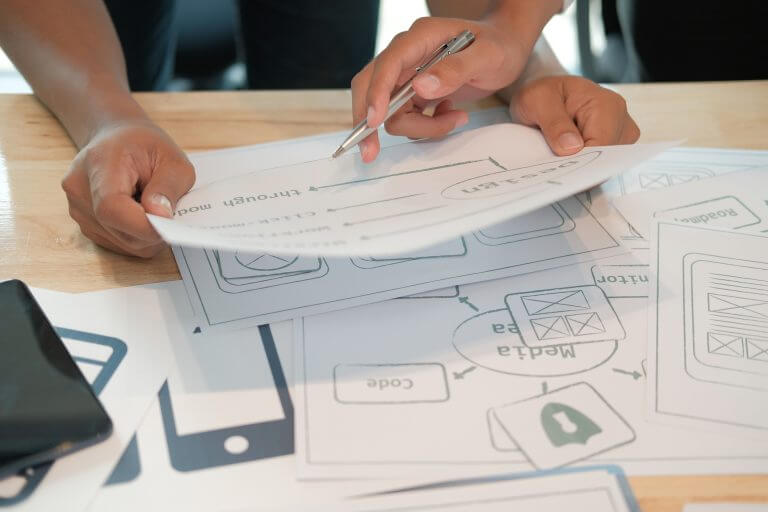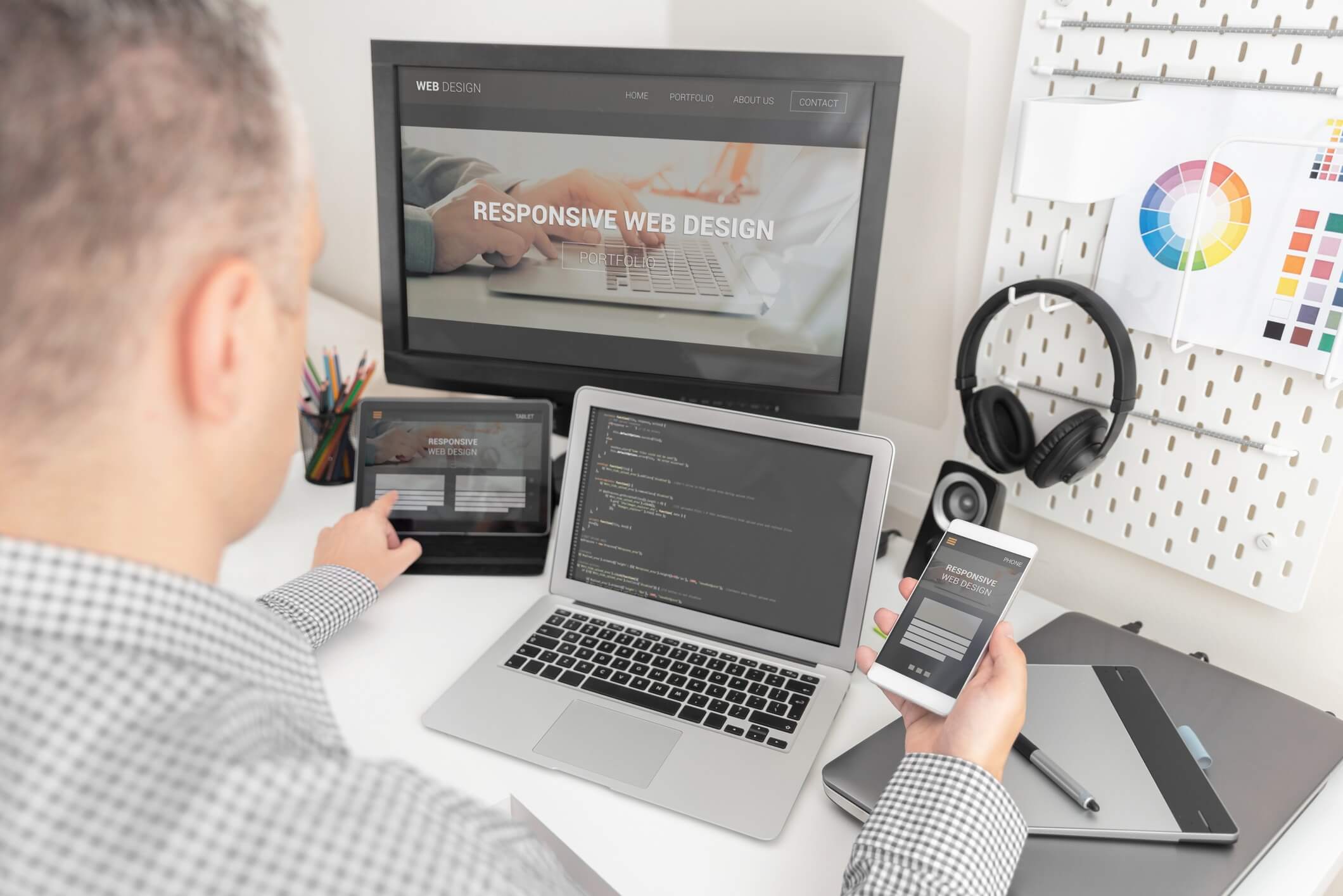
Web design has rapidly evolved over the years, especially with the increase in demand for digital presence. As a web designer, you may be wondering if it’s possible to work from home. Indeed, many web designers successfully operate remotely, offering flexibility and a better work-life balance. This shift towards remote work has transformed how professionals approach their careers in the web design industry.
With the right tools and setup, you can thrive in a home office environment. Establishing a productive workspace is just one of the key aspects to consider. You will also need to develop a strong portfolio to present your skills and attract clients. The web design industry is growing, and freelancers can carve out their niche by adapting to changes and staying ahead of trends.
Key Takeaways
- Remote work is a viable option for web designers, providing flexibility and benefits.
- A strong portfolio is essential for attracting clients and showcasing your skills.
- Continuous learning and adaptation are vital to succeed in the evolving web design industry.
Understanding the Web Design Profession
In the web design profession, it’s essential to grasp the core elements that define the role of a web designer. This includes understanding the skills required, the distinction between designers and developers, and the foundational concepts that guide successful web design.
Fundamentals of Web Design
Web design combines creativity and technical skill. At its heart, it involves creating visually appealing layouts that ensure ease of use. You will often use design software like Adobe XD, Sketch, or Figma to develop these layouts.
Key aspects include:
- HTML: The backbone of web pages, structuring content.
- CSS: Used for styling that makes web pages attractive.
- User Experience (UX): Focusing on how users interact with a website.
Understanding these fundamentals is crucial for creating websites that are both functional and engaging.
Differences Between Web Designers and Web Developers
It’s important to know how a web designer differs from a developer. Designers primarily focus on aesthetics and user experience. They ensure the site looks good and is easy to navigate.
On the other hand, web developers bring designs to life using programming languages such as:
- JavaScript: Adds interactivity and dynamic elements.
- Java, ASP, and Perl: Used for back-end development and managing server-side tasks.
By recognising these differences, you can appreciate the distinct roles within web development.
Essential Skills for Web Designers
To succeed as a web designer, there are several essential skills you should cultivate. You need a solid grasp of graphic design principles to create appealing visuals. Creativity is vital, enabling you to develop unique design solutions.
Proficiency in design software is also necessary. Knowledge of HTML and CSS is key for basic web structure and styling. Familiarity with user experience principles helps ensure that your designs meet the needs of users.
In summary, a successful web designer balances technical skills with creativity, applying design principles to create effective and user-friendly websites.
The Shift to Remote Work
The shift to remote work has transformed how web designers operate. Many professionals have embraced this change, finding distinct advantages while facing some challenges. Understanding these aspects is essential for a successful transition.
Benefits of Working from Home for Web Designers
Working from home offers flexibility that can greatly enhance your productivity. You can set your own hours and choose an environment that suits you best. This autonomy allows for tailored work-life balance.
Cost savings are another advantage. You save on commuting, meals, and other expenses associated with traditional office environments. Additionally, this can lead to less stress and more time for personal projects or family.
Furthermore, remote work demands strong discipline and time management. By honing these skills, you can improve your ability to manage multiple projects efficiently. Enhanced communication skills are also vital, as collaborating effectively online requires clarity and responsiveness.
Challenges and How to Overcome Them
Despite the benefits, working from home presents challenges. One significant issue is isolation. Working alone can lead to feelings of disconnect from your team. To combat this, schedule regular virtual meetings to maintain communication.
Another challenge is staying focused amidst distractions. Create a dedicated workspace to minimise interruptions and establish clear boundaries with those at home.
You may also face difficulties in project management. It’s crucial to utilise tools like Trello or Asana to keep track of tasks and deadlines. Developing a routine can help you remain organised and meet project goals effectively.
Setting Up a Productive Home Office
Creating a productive home office is essential for web designers. The right equipment and an organised workspace can significantly boost your discipline, time management, and overall efficiency.
Choosing the Right Equipment and Software
Start with a reliable computer that meets your design needs. A powerful machine can handle design software without lag. Invest in a high-resolution monitor to ensure colour accuracy and detail.
Additionally, consider ergonomic accessories like a comfortable chair and adjustable desk. These tools will help maintain good posture and reduce fatigue.
For software, choose design programs that fit your workflow. Popular options include Adobe Creative Suite and Sketch. Ensure you have the latest versions to access new features and updates.
Also, utilise project management tools like Trello or Asana. These help keep track of tasks and deadlines, enhancing your time management skills.
Organising Your Workspace for Efficiency
A tidy, organised workspace promotes focus and limits distractions. Clear your desk of unnecessary items; keep only essentials within reach. Use cable management solutions to avoid clutter and maintain a clean look.
Create zones for different tasks. For instance, designate areas for design work, meetings, and breaks. This helps you mentally switch between tasks and stay productive.
Incorporate good lighting, preferably natural light, to reduce eye strain. Desk lamps with adjustable brightness can also help.
Finally, personalise your space with motivational elements or artwork. This can keep your creative energy high while working on design projects.
Building and Presenting a Strong Portfolio
A well-structured portfolio is essential for web designers working from home. It not only showcases your skills but also helps you connect with the right audience. You must focus on clarity and presentation to make a strong first impression.
Showcasing Your Web Design Skills
To effectively showcase your web design skills, choose projects that highlight your abilities. Use before-and-after images to demonstrate your design improvements. Include detailed descriptions for each project, explaining the design process and how you solved specific problems.
Consider incorporating a mix of tools you used, such as Adobe XD or Figma. This provides insight into your workflow. Don’t forget to include user feedback whenever possible. Positive responses can enhance your credibility and attract potential clients.
Highlighting Diverse Projects
Diversity in your projects can appeal to a wider audience. Feature different styles, such as responsive websites, e-commerce platforms, and landing pages. This shows your versatility as a web designer.
Organise your portfolio to present these projects clearly. Use categories or tags to help people navigate easily. A diverse portfolio not only demonstrates your range of skills but also ensures you can meet various client needs.
Using Your Portfolio to Attract the Target Audience
Your portfolio should be tailored to attract your ideal clients. Research your target audience to understand what they value in web design. Use language and visuals that resonate with them.
Make sure your portfolio is easy to navigate and visually appealing. Use a clean layout, a consistent colour scheme, and clearly labelled sections. This will make a strong first impression.
Include a strong call to action, encouraging visitors to reach out for collaboration. By aligning your portfolio with the needs of your target audience, you increase your chances of securing work.
Working with Clients and Web Design Agencies
In web design, working from home requires strong communication and collaboration skills. As a web designer, you often interact with clients and agencies remotely. Developing these skills can enhance your freelance experience and improve project outcomes.
Communicating Effectively as a Freelancer
Effective communication is key when you work with clients. You need to understand their needs clearly and provide updates regularly.
Consider using tools like:
- Email for detailed project discussions.
- Instant messaging apps for quick questions.
- Video calls for meetings and presentations.
Listening actively is just as important. Make sure to ask clarifying questions if something isn’t clear. This not only shows your professionalism but also builds trust with clients.
Setting clear expectations from the start will help avoid misunderstandings later. Outline project timelines, deliverables, and payment terms to ensure everyone is on the same page.
Collaborating with Agencies Remotely
When working with web design agencies, adapting to their processes is vital. Each agency may have its own tools and project management systems. Familiarise yourself with these to collaborate smoothly.
Tools like:
- Trello or Asana for task management.
- Slack or Microsoft Teams for communication.
These platforms often enhance team collaboration and keep projects organised.
Regular check-ins can also reinforce your connection with the agency. These meetings allow for feedback and discussion on project development.
Finally, be proactive in sharing your design ideas. This shows your commitment and can lead to better teamwork and more successful projects.
Marketing Your Web Design Services
As a web designer, effectively marketing your services is crucial for attracting clients. This involves utilising the digital market to your advantage and understanding the role of SEO in driving traffic to your website.
Leveraging the Digital Market
To succeed, you should establish a strong online presence. Start by creating a professional website that showcases your portfolio. Include examples of your best work and testimonials from past clients. This builds credibility and attractiveness.
Utilise social media platforms like Instagram, LinkedIn, and Facebook to connect with potential clients. Share your projects, tips, and industry insights to engage your audience. You can also join online communities or forums related to web design to network with other professionals and potential clients.
Consider targeting specific niches within the digital market. For example, focusing on small businesses or e-commerce sites can help you tailor your services more effectively.
Understanding SEO and Its Importance
Search Engine Optimisation (SEO) is vital for your online visibility. Implementing SEO strategies helps your website rank higher on search engines, making it easier for clients to find you.
Key elements to focus on include:
- Keywords: Research and use relevant keywords that potential clients might search for.
- Quality Content: Create valuable content that addresses your audience’s needs and questions.
- Mobile Optimization: Ensure your website functions well on mobile devices, as many users search via their phones.
Lastly, keep up with SEO trends and algorithm changes. This will allow you to adjust your strategies accordingly and maintain your search rankings.
Professional Development and Continued Learning
In the field of web design, staying ahead is crucial. You need to focus on two main areas: keeping up with industry trends and investing in further qualifications and skills. Both areas significantly affect your growth and success in this dynamic profession.
Staying Updated with Industry Trends
To thrive as a web designer, regularly follow industry trends. Tools and technologies in web design evolve quickly. Frequent updates to software, design principles, and user preferences mean you have to stay informed.
Resources to consider:
- Webinars and online courses: Platforms like Udemy and Coursera offer various courses on the latest design techniques.
- Industry blogs and forums: Websites like Smashing Magazine and A List Apart provide insights on current trends.
- Networking: Joining groups on social media can connect you with other professionals.
Make sure to allocate time each week to read and participate in discussions. Staying current not only improves your skills but also enhances your communication skills, helping you connect better with clients.
Investing in Further Qualifications and Skills
Investing in your qualifications is a smart move. Many employers prefer candidates with formal training or certifications. This could mean pursuing courses in areas like UX design, graphic design, or project management.
Consider the following qualifications:
- Certificates in web design or development: These can solidify your understanding and improve your resume.
- Project management courses: Skills in project management are essential for handling multiple projects effectively.
- Soft skills training: Focus on communication skills to better collaborate with clients and team members.
By enhancing your qualifications, you can open doors to new opportunities in your career. Investing in your professional development is key to long-term growth in web design.
Frequently Asked Questions
Working from home as a web designer brings unique challenges and opportunities. Understanding the essential skills, steps to start, and ways to find work can help you navigate this career path effectively.
What are the essential skills needed to become a web designer able to work remotely?
To succeed as a remote web designer, you need a mix of technical and soft skills. Proficiency in HTML, CSS, and JavaScript is crucial. Knowing design tools like Adobe Creative Suite or Sketch is also important.
Communication skills are vital for collaborating with clients and team members online. Time management and self-discipline help you stay productive while working from home.
What steps should one take to pursue a career as a freelance web designer?
Begin by building a strong portfolio showcasing your best work. Create a website to display your projects and skills. Networking is key, so connect with other designers and join relevant online communities.
Consider taking online courses or certifications to enhance your skills. You might also want to gain experience through internships or volunteer work before going fully freelance.
How do web designers find remote work opportunities?
Many web designers find remote opportunities on freelance job platforms like Upwork or Freelancer. You can also search for remote positions on websites specifically for remote work, such as Remote.co or We Work Remotely.
Networking and word-of-mouth can lead to projects. Engaging with your online community and sharing your work on social media can attract potential clients as well.
What is the potential income for a web designer operating from home?
The income for remote web designers can vary widely based on experience, skills, and project complexity. Entry-level designers might earn around £25,000, while experienced designers can make £50,000 or more.
Freelancers can set their rates, impacting their overall income. Building a strong reputation can lead to higher-paying projects over time.
How do web designers manage client communication and project deliveries when working from home?
Effective communication tools are essential for remote work. Many designers use platforms like Slack, Zoom, or Microsoft Teams for instant messaging and video calls with clients.
Project management tools such as Trello or Asana help keep tasks organised and ensure timely delivery. Regular updates and clear timelines are crucial to maintain client trust.
What are the primary differences between in-office and remote web design work?
In-office work typically offers face-to-face collaboration and immediate feedback. Remote work, however, provides flexibility and the ability to work from anywhere.
Remote designers often need to establish their routines and environments. While both settings require similar skills, remote work demands more self-motivation and discipline to stay focused.