
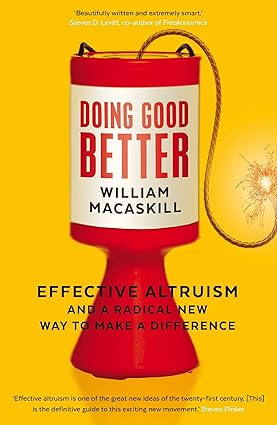
Overview of Doing Good Better by William Macaskill
Doing Good Better by William Macaskill is a book that explores how individuals and organizations can maximize their positive impact on the world. The book introduces the concept of effective altruism, a philosophy that encourages people to use reason and evidence to determine the most effective ways to make the world a better place. Macaskill argues that by applying rational thinking to charitable giving and social causes, we can make a more meaningful and lasting impact on global issues.
The book emphasises the importance of asking the right questions, evaluating evidence, and prioritising efforts that provide the most value in terms of improving lives. Rather than focusing on random acts of kindness or supporting causes based on emotions, Doing Good Better advocates for a more strategic, evidence-based approach to doing good. Macaskill challenges readers to think about the long-term effects of their actions and how they can best direct their time, money, and effort to solve some of the world’s most pressing problems.
Macaskill also encourages individuals to reflect on how they can use their unique skills and resources to contribute to global well-being. He discusses how we can assess the cost-effectiveness of various causes, invest in the most effective charities, and even consider our careers in terms of their potential impact.
Core Ideas of Doing Good Better:
- Effective Altruism:
- The central philosophy of the book, effective altruism, is about using evidence and reason to determine the best ways to help others. It challenges the idea that charity and doing good should be based solely on emotions or personal connections.
- Example: Instead of donating to a cause simply because it’s close to home, you might research global health initiatives and decide that donating to a global malaria campaign could save more lives.
- Cost-Effectiveness:
- Macaskill argues that we should evaluate charitable giving based on how much good we can achieve per dollar spent. Some causes are more effective than others in terms of measurable outcomes.
- Example: If you donate to an organisation providing food aid, consider the impact of your donation compared to an organisation that works to prevent diseases or improve education, which might yield higher long-term benefits.
- Cause Prioritisation:
- The book emphasises the need to prioritise the most urgent and scalable issues, such as global health, poverty alleviation, and climate change. By focusing on these high-priority areas, we can make a broader, more impactful change.
- Example: Rather than supporting every charitable cause, focus your efforts on causes that will have the largest potential for positive impact, such as reducing extreme poverty or combating climate change.
- Personal Responsibility and Skill Utilisation:
- Macaskill encourages individuals to consider how they can apply their own skills and talents to the causes they care about. Instead of simply donating money, it’s worth reflecting on how your professional career or personal expertise can contribute to solving global issues.
- Example: If you’re a doctor, consider working in areas where medical expertise is in high demand or applying your knowledge to global health challenges.
- Choosing Effective Careers:
- In addition to charitable giving, Macaskill argues that one of the most powerful ways to make a difference is by choosing a career that has a high social impact. This could mean working for an effective charity, developing innovative technologies, or even entering fields like policy or economics.
- Example: If you’re passionate about climate change, working in renewable energy or environmental policy could have a bigger long-term impact than donating money to environmental causes.
- Evaluating Charities and Social Enterprises:
- Not all charities and social organisations are equally effective. The book guides readers in assessing which organisations are genuinely making a difference and which ones may not be as effective as they appear.
- Example: Use charity evaluators like GiveWell or Charity Navigator to research the most impactful organisations before making donations.
Practical Implementation in Business and Soft Skills
Applying Doing Good Better in Business:
- Prioritise Impactful Projects:
- In your business, focus on projects that have the potential to create the most value, both for your company and the world. Evaluate opportunities based on their long-term outcomes and scalability.
- Example: If your company has the chance to invest in renewable energy, prioritise this project over other less impactful ventures.
- Evaluate Social Responsibility Initiatives:
- Many businesses have corporate social responsibility (CSR) programs. Apply the principles of effective altruism by ensuring that your CSR efforts are focused on causes that make the greatest impact.
- Example: Instead of donating to a local charity, your company could support international programs that fight preventable diseases or invest in education for underserved populations.
- Incorporate Data-Driven Decision Making:
- Effective altruism emphasises evidence-based decision-making. Apply this approach within your business by using data to assess which initiatives or strategies yield the best outcomes.
- Example: Implement key performance indicators (KPIs) to measure the success of your charity work or sustainability efforts, ensuring that your contributions are making a measurable impact.
- Leverage Skills for Greater Impact:
- Just like Macaskill advises individuals to apply their talents to global causes, businesses can align their expertise with high-impact social challenges. This could involve pro bono services, creating sustainable products, or solving problems with innovation.
- Example: If your business is in tech, consider developing software that improves healthcare access or aids education in underserved communities.
- Build Strategic Partnerships:
- Partnering with highly effective organisations can amplify your business’s impact. Work with charities or initiatives that have a track record of success and align with your company’s values and goals.
- Example: Collaborate with organizations that provide disaster relief or those working on sustainable development goals to maximize your corporate contributions.
Improving Soft Skills Through Doing Good Better:
- Empathy and Compassion:
- Applying the book’s ideas can enhance your emotional intelligence by encouraging empathy and understanding for those affected by global issues. Developing empathy is essential for leaders who want to drive meaningful change.
- Example: When working with diverse teams, take the time to understand their backgrounds, perspectives, and challenges, which can help you create more inclusive business solutions.
- Critical Thinking:
- Evaluating the effectiveness of charities, projects, or even business decisions requires strong critical thinking. Develop this skill by assessing the impact of your actions and looking at the bigger picture.
- Example: Regularly evaluate the impact of business decisions on the environment or society, asking whether the outcomes align with long-term sustainable goals.
- Decision-Making:
- Doing Good Better encourages making decisions based on evidence. This decision-making approach can be applied in business by using data, research, and feedback to guide actions.
- Example: Instead of making impulsive business moves, assess the long-term implications of decisions using data to ensure they align with your company’s mission and values.
- Problem Solving:
- The book’s focus on prioritising impactful causes sharpens problem-solving skills by encouraging you to focus on large-scale, solvable problems.
- Example: Develop a framework in your business for tackling high-impact issues, whether it’s addressing customer needs, market gaps, or sustainability challenges.
Conclusion
Doing Good Better by William Macaskill offers a thoughtful, evidence-based approach to making a positive impact. The book teaches readers how to evaluate opportunities, whether they’re personal, professional, or philanthropic, with an emphasis on maximising their effect. By applying effective altruism principles in business, individuals can achieve a balance between success and social responsibility, creating a meaningful and lasting impact on the world.
Key Takeaways
- Effective Altruism: Use evidence and reason to focus your efforts on the causes that will have the greatest impact.
- Prioritise High-Impact Initiatives: In business and life, focus on opportunities that offer the most scalable and meaningful outcomes.
- Data-Driven Decision Making: Rely on research and metrics to guide your charitable giving and business strategies.
- Leverage Skills for Good: Apply your personal or business expertise to solving pressing global challenges.
- Strategic Partnerships: Collaborate with organisations that share your values and work towards impactful goals.
By aligning business strategies with the principles of effective altruism, businesses and individuals can achieve greater success and contribute to solving the world’s most pressing challenges.