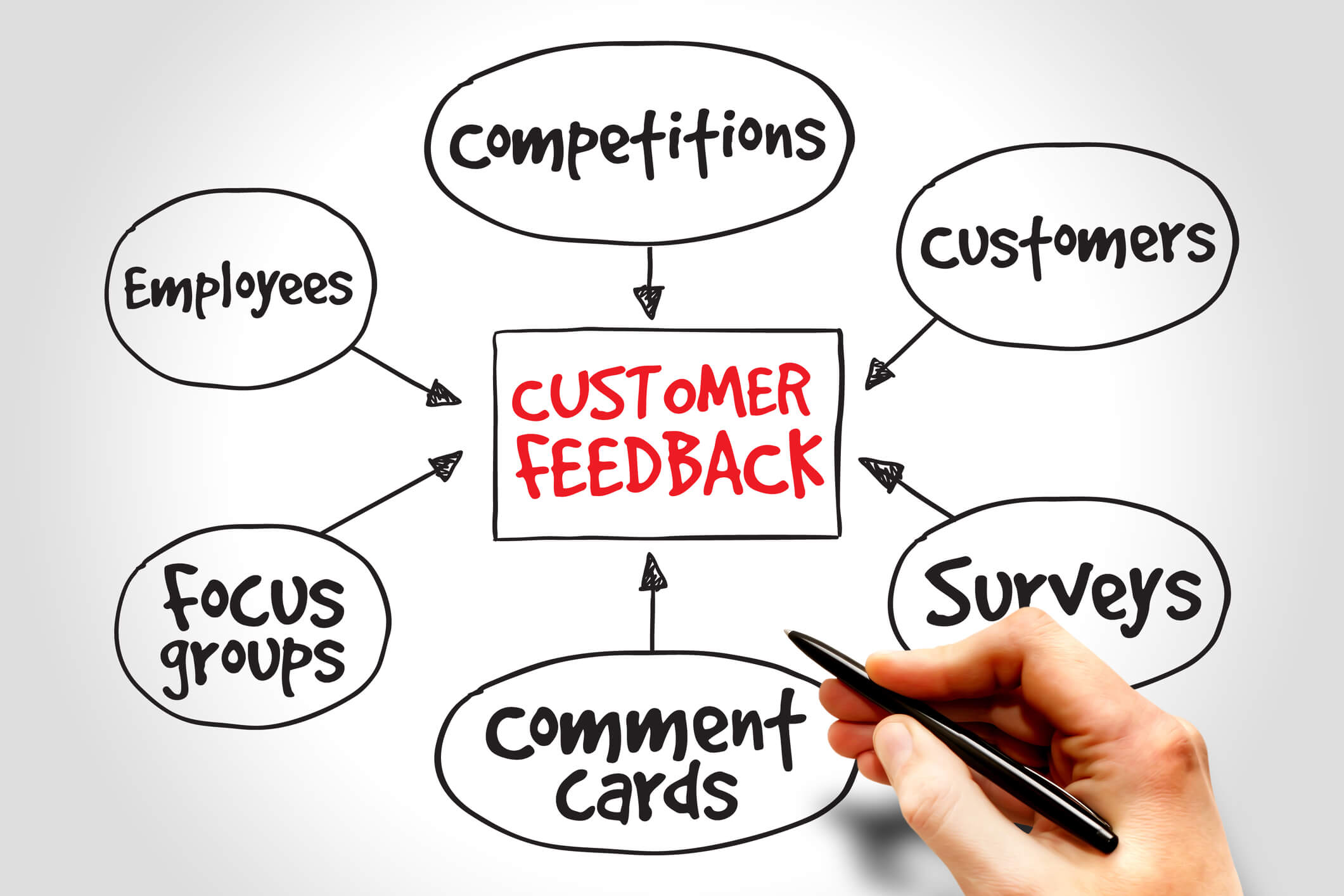
Dealing with customer feedback can be a daunting task for any business. However, it is crucial to understand the importance of customer feedback and how it can help improve your business. Customer feedback is a valuable tool that can help businesses identify areas for improvement, understand customer needs, and ultimately increase customer satisfaction.
Understanding customer feedback is the first step in dealing with it effectively. There are various methods of gathering customer feedback, including surveys, focus groups, and social media.
Once you have collected feedback, it is essential to analyse it to identify common themes and areas for improvement. Responding to customer feedback in a timely and professional manner is also crucial in maintaining customer satisfaction and loyalty.
Implementing customer feedback is the final step in the process. By taking action on customer feedback, businesses can improve their products, services, and overall customer experience. There are various tools and platforms available for managing customer feedback, including customer feedback management software and online review sites.
Key Takeaways
- Understanding customer feedback is crucial in improving your business.
- Gathering and analysing customer feedback can help identify areas for improvement.
- Responding to and implementing customer feedback can help increase customer satisfaction and loyalty.
Understanding Customer Feedback
As a business owner, it is essential to understand your customers’ feedback to make informed decisions and improve your services. Customer feedback can be both positive and negative, and it can come in various forms, including direct and indirect feedback.
Direct feedback is when customers provide their feedback directly to you, either through surveys, emails, or phone calls. Indirect feedback, on the other hand, is when customers share their experiences with others, such as on social media platforms or review sites.
Positive feedback can be a great source of motivation for your employees and can help you identify what you are doing right. It can also be used as a marketing tool to attract new customers. It is essential to acknowledge and appreciate positive feedback promptly.
Negative feedback, on the other hand, can be challenging to handle. However, it is equally important to understand and address negative feedback promptly. Negative feedback can help you identify areas of improvement and prevent future issues.
When dealing with negative feedback, it is crucial to remain calm and professional. Listen to the customer’s concerns, acknowledge their feedback, and take steps to address the issue. Be transparent about the steps you are taking to resolve the issue and follow up with the customer to ensure their satisfaction.
In summary, understanding customer feedback is crucial to the success of your business. Whether it is positive or negative, direct or indirect, feedback can provide valuable insights into your customers’ experiences. Use customer feedback to identify areas of improvement, address issues promptly, and provide better services to your customers.
Methods of Gathering Customer Feedback
When it comes to gathering customer feedback, there are several methods you can use to get insights into your customers’ experiences with your product or service. Here are some of the most effective methods:
Surveys
Surveys are a popular method for gathering customer feedback. They can be conducted in-app, via email, or through SMS. They can be used to collect both quantitative and qualitative data, depending on the questions asked. In-app surveys are particularly effective because they can be triggered at specific points in the user journey, such as after a user completes a task or when they exit the app.
Interviews
Interviews are a great way to get in-depth feedback from customers. They can be conducted in-person or over the phone, and can be structured or unstructured. Open-ended questions are particularly effective in interviews because they allow customers to express their thoughts and feelings in their own words.
Social Media
Social media channels are a great way to gather customer feedback. You can monitor social media posts and use social listening tools to track conversations about your brand. You can also use social media to ask for feedback directly from your customers.
Customer Support
Customer support interactions are a goldmine for customer feedback. You can collect feedback through live chat, emails, and support feedback forms. This feedback can be used to identify common issues and improve your product or service.
Reviews and Comments
Online reviews and comments can provide valuable feedback about your product or service. You can monitor review sites like Yelp and Google Reviews, as well as comments on social media and your own website.
Focus Groups
Focus groups are a great way to gather feedback from a group of customers. They can be conducted in-person or online and typically involve a moderator guiding a discussion around a specific topic.
Usability Tests
Usability tests are a way to gather feedback on how easy it is for customers to use your product or service. You can conduct usability tests in-person or online and observe customers as they complete specific tasks.
Overall, there are many effective methods for gathering customer feedback. By using a combination of these methods, you can gain a comprehensive understanding of your customers’ experiences and make improvements to your product or service.
Analysing Customer Feedback
When it comes to dealing with customer feedback, it’s important to have a structured approach to analysing it. This will allow you to identify trends and patterns in the feedback, and make data-driven decisions to improve your product or service. In this section, we’ll cover some key metrics and techniques for analysing customer feedback.
Net Promoter Score (NPS)
Net Promoter Score (NPS) is a widely used metric for measuring customer loyalty. It’s based on a simple question: “How likely are you to recommend our product/service to a friend or colleague?” Customers are asked to rate their likelihood on a scale of 0 to 10. Those who give a score of 9 or 10 are considered “promoters”, while those who give a score of 0 to 6 are “detractors”. The NPS is calculated by subtracting the percentage of detractors from the percentage of promoters.
NPS can be a useful metric for tracking customer loyalty over time and identifying areas for improvement. However, it’s important to remember that it’s just one metric, and should be used in conjunction with other metrics and qualitative feedback.
Customer Satisfaction
Customer satisfaction is another important metric for analysing customer feedback. It measures how satisfied customers are with your product or service. There are a number of ways to measure customer satisfaction, including surveys, feedback forms, and social media monitoring.
Increasing customer satisfaction should be a key goal for any business, as it can lead to increased customer loyalty, repeat business, and positive word-of-mouth recommendations.
Customer Retention
Customer retention is the percentage of customers who continue to use your product or service over time. It’s a key metric for measuring customer loyalty and the effectiveness of your customer retention strategies.
To calculate customer retention, you need to know the number of customers at the beginning of a period (e.g. a month), the number of customers at the end of the period, and the number of new customers acquired during the period. The formula for calculating customer retention is:
((End Customers – New Customers) / Start Customers) x 100
Customer Feedback Loop
A customer feedback loop is a process for collecting, analysing, and acting on customer feedback. It involves four key steps:
- Collect feedback: This can be done through surveys, feedback forms, social media monitoring, or other methods.
- Analyse feedback: Use tools like spreadsheets or APIs to analyse the feedback and identify trends and patterns.
- Act on feedback: Use the insights gained from the analysis to make improvements to your product or service.
- Follow up: Let customers know that you’ve taken their feedback on board and implemented changes where necessary.
By implementing a customer feedback loop, you can ensure that you’re constantly improving your product or service based on customer feedback, and building a loyal customer base.
Responding to Customer Feedback
As a business, it’s important to listen to your customers and respond to their feedback in a timely and professional manner. Here are some tips for responding to both positive and negative feedback:
Positive Feedback
When a customer leaves positive feedback, it’s important to acknowledge and thank them for taking the time to share their experience. A personalised response can go a long way in building a positive relationship with your customers. Here are some things to keep in mind:
- Respond promptly: Make sure to respond to positive feedback within a reasonable timeframe to show your customers that you appreciate their feedback.
- Personalise your response: Use the customer’s name and refer to specific details from their feedback to show that you are listening and care about their experience.
- Show gratitude: Thank the customer for their feedback and let them know that their opinion is important to you.
Negative Feedback
Dealing with negative feedback can be challenging, but it’s important to handle it professionally and proactively. Here are some things to keep in mind:
- Empathise with the customer: Let the customer know that you understand their frustration and apologise for any inconvenience they may have experienced.
- Offer a solution: If the customer has a specific complaint, offer a solution to address their concerns. This could include a refund, a replacement product, or a discount on their next purchase.
- Follow up: After you’ve addressed the customer’s concerns, follow up with them to make sure they are satisfied with the solution. This can help to build trust and loyalty with your customers.
- Learn from customer complaints: Use customer complaints as an opportunity to improve your products or services. Take note of common complaints and use this feedback to make changes that will benefit your customers in the future.
Remember, responding to customer feedback is an important part of building a positive relationship with your customers. By responding promptly, offering personalised solutions, and learning from complaints, you can turn negative feedback into a positive experience for both you and your customers.
Implementing Customer Feedback
Implementing customer feedback is an essential step in building a successful business. It helps you understand your customers’ needs and expectations, which is crucial for improving your product, sales, and marketing strategies. In this section, we will discuss how to implement customer feedback effectively.
Product Development
Customer feedback is an excellent source of ideas for product development. It can help you identify new features, functionalities, and integration possibilities that your customers want. To manage customer feedback, you need to have a process in place that includes design, managing dialogue, suggestions, and feature requests.
One way to manage customer feedback is to prioritize it based on its impact on your product roadmap. You can use a table or bullet points to list the feedback items and categorize them based on their priority level. This will help you focus on the most critical feedback first and improve your product roadmap accordingly.
Sales and Marketing
Customer feedback can also help you improve your sales and marketing strategies. It can provide insights into what motivates your customers to buy your product and what incentives they respond to. To manage customer feedback in sales and marketing, you need to have a process in place that includes prioritizing, product teams, functionality, and bug reports.
One way to manage customer feedback in sales and marketing is to use it to improve your customer journey and experience. You can use the feedback to identify pain points in your customer journey and develop strategies to address them. For example, if customers are having trouble using a particular feature, you can create a tutorial or video to help them understand it better.
Customer Success
Customer feedback is also essential for customer success. It can help you understand your customers’ needs and expectations, which is critical for providing excellent customer service. To manage customer feedback in customer success, you need to have a process in place that includes prioritizing, product teams, integration, and incentives.
One way to manage customer feedback in customer success is to use it to create a customer-centric culture. You can use the feedback to identify areas where you need to improve your customer service and develop strategies to address them. For example, if customers are having trouble getting in touch with your support team, you can create a chatbot or self-service portal to help them get the answers they need faster.
In conclusion, implementing customer feedback is critical for improving your product, sales, and marketing strategies. To manage customer feedback effectively, you need to have a process in place that includes prioritizing, product teams, functionality, and bug reports. By using customer feedback to improve your product roadmap, customer journey, and customer service, you can create a customer-centric culture that drives growth and success.
Tools and Platforms for Customer Feedback Management
As a product manager, you know that customer feedback is essential to improving your product and keeping your customers happy. But managing customer feedback can be overwhelming, especially if you have a large customer base. Fortunately, there are many tools and platforms available to help you manage customer feedback effectively.
Hubspot
Hubspot is a popular customer relationship management (CRM) tool that can help you manage customer feedback. With Hubspot, you can create custom feedback forms and surveys to gather feedback from your customers. You can also track customer feedback and respond to it directly from the Hubspot platform. Hubspot also integrates with many other tools, such as email marketing platforms and social media management tools, to help you manage all aspects of your customer relationships in one place.
Community Forum
A community forum is a great way to gather customer feedback and engage with your customers. By creating a forum, you can encourage your customers to share their thoughts and ideas about your product. You can also use the forum to answer customer questions and provide support. One of the benefits of a community forum is that it allows your customers to interact with each other, which can lead to valuable insights and feedback.
Email is a simple but effective way to gather customer feedback. You can create a survey or poll and send it directly to your customers via email. This allows you to gather feedback quickly and easily. You can also use email to follow up with customers who have provided feedback and address any concerns they may have.
In conclusion, managing customer feedback is essential to improving your product and keeping your customers happy. By using tools and platforms such as Hubspot, a community forum, and email, you can gather feedback effectively and efficiently. Remember to listen to your customers and use their feedback to improve your product and provide better customer service.
Frequently Asked Questions
What are effective ways to collect and analyze customer feedback?
To collect and analyze customer feedback effectively, you can use several methods such as surveys, social media listening, feedback forms, focus groups, and customer reviews. It is important to ensure that the feedback is relevant, unbiased, and actionable. You can use data analytics tools to analyze the feedback and identify trends and patterns.
What steps can be taken to address negative customer feedback?
Negative customer feedback can be challenging to handle, but it is crucial to address it promptly and professionally. First, acknowledge the customer’s concerns and apologize for any inconvenience caused. Then, investigate the issue and take corrective action to resolve the problem. Finally, follow up with the customer to ensure that they are satisfied with the resolution.
How can customer feedback be used to improve business performance?
Customer feedback provides valuable insights into customer needs, preferences, and expectations. By analyzing the feedback, businesses can identify areas for improvement and make data-driven decisions to enhance their products, services, and customer experience. This can lead to increased customer satisfaction, loyalty, and revenue.
What are some common mistakes to avoid when handling customer feedback?
Some common mistakes to avoid when handling customer feedback include ignoring or dismissing feedback, being defensive or argumentative, failing to follow up or take action, and not thanking customers for their feedback. It is important to listen actively, show empathy, and respond professionally to all feedback, whether positive or negative.
What are the benefits of implementing a customer feedback system?
Implementing a customer feedback system can provide several benefits, such as improving customer satisfaction, loyalty, and retention, enhancing product and service quality, identifying areas for improvement, and increasing revenue and profitability. It also demonstrates a commitment to customer-centricity and continuous improvement.
How can businesses ensure that customer feedback is acted upon and not ignored?
To ensure that customer feedback is acted upon and not ignored, businesses can establish a clear feedback management process, assign responsibility for follow-up and action, set measurable goals and targets, and communicate progress and outcomes to customers. It is also important to involve relevant stakeholders and prioritize feedback based on impact and feasibility.