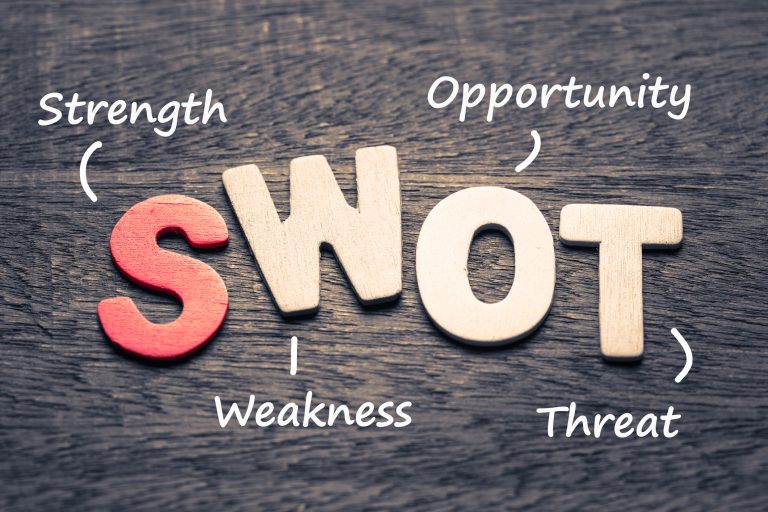
If you’re looking to conduct a strategic analysis of your business, a SWOT analysis is an essential tool to have in your arsenal. SWOT stands for Strengths, Weaknesses, Opportunities, and Threats, and it’s a method of evaluating your business’s current position and future potential. By identifying these four key areas, you can gain a deeper understanding of your business and develop a strategic plan to help you achieve your goals.
Understanding SWOT Analysis To conduct a SWOT analysis, you need to have a clear understanding of each of the four components. Strengths are the positive aspects of your business, such as your unique selling proposition or your loyal customer base. Weaknesses are the areas where your business could improve, such as a lack of resources or outdated technology. Opportunities are external factors that could benefit your business, such as emerging markets or new technologies. Threats are external factors that could harm your business, such as increased competition or economic downturns.
Components of SWOT Analysis Each of the four components of a SWOT analysis is equally important, and you need to consider them all when evaluating your business. To conduct a thorough analysis, you’ll need to gather data and information about your business and the market in which you operate. This could include customer feedback, sales data, industry reports, and competitor analysis. Once you have all the information you need, you can start to develop a strategic plan that takes into account your strengths, weaknesses, opportunities, and threats.
Key Takeaways
- A SWOT analysis is a method of evaluating your business’s current position and future potential.
- SWOT stands for Strengths, Weaknesses, Opportunities, and Threats.
- Conducting a SWOT analysis requires a clear understanding of each of the four components and a thorough evaluation of your business and the market in which you operate.
Understanding SWOT Analysis
What is SWOT Analysis
SWOT Analysis is a framework used in strategic planning that helps you identify and analyze your organization’s internal strengths and weaknesses, as well as external opportunities and threats. SWOT stands for Strengths, Weaknesses, Opportunities, and Threats. It is a simple yet powerful tool that can be used in various situations, such as when launching a new product, entering a new market, or evaluating your current business strategy.
The SWOT Analysis is typically presented in a four-quadrant matrix, with Strengths and Weaknesses listed in the top two quadrants and Opportunities and Threats listed in the bottom two quadrants. This matrix allows you to visually see the relationships between the different factors and how they may impact your organization.
Purpose of SWOT Analysis
The purpose of a SWOT Analysis is to help you develop a deeper understanding of your organization’s current situation and to identify potential areas for improvement. By analyzing your strengths and weaknesses, you can identify areas where you excel and areas where you need to improve. By analyzing your opportunities and threats, you can identify potential areas for growth and potential risks that may impact your organization.
The SWOT Analysis can be used in various situations, such as when developing a new business strategy or evaluating an existing one. It can also be used when launching a new product or service, entering a new market, or evaluating your competition.
In summary, SWOT Analysis is a simple yet powerful tool that can help you develop a deeper understanding of your organization’s current situation and identify potential areas for improvement. By analyzing your strengths, weaknesses, opportunities, and threats, you can develop a more effective business strategy and position your organization for success.
Components of SWOT Analysis
When conducting a SWOT analysis, the analysis is divided into four main components: strengths, weaknesses, opportunities, and threats. Each component plays a crucial role in identifying the internal and external factors that may influence the success of a business or project.
Strengths
Strengths refer to the positive attributes of a business or project. When identifying strengths, it is important to focus on the internal factors that give the business or project an advantage over its competitors. Examples of strengths may include a strong brand image, dedicated employees, or unique products or services.
Weaknesses
Weaknesses refer to the negative attributes of a business or project. When identifying weaknesses, it is important to focus on the internal factors that may hinder the success of the business or project. Examples of weaknesses may include poor management, outdated technology, or lack of funding.
Opportunities
Opportunities refer to external factors that may positively affect the success of a business or project. When identifying opportunities, it is important to focus on the external factors that the business or project can take advantage of. Examples of opportunities may include a growing market, changes in consumer behaviour, or advancements in technology.
Threats
Threats refer to external factors that may negatively affect the success of a business or project. When identifying threats, it is important to focus on the external factors that may pose a risk to the business or project. Examples of threats may include economic downturns, new competitors entering the market, or changes in regulations.
It is important to note that strengths and weaknesses are internal factors, while opportunities and threats are external factors. By identifying these components, you can gain a better understanding of the current state of your business or project, and develop strategies to address any issues or take advantage of any opportunities.
When conducting a SWOT analysis, it is important to remain neutral and objective. Avoid making exaggerated or false claims, and focus on identifying the most relevant strengths, weaknesses, opportunities, and threats. By doing so, you can develop a clear and effective strategy to achieve your business or project goals.
Conducting a SWOT Analysis
When it comes to conducting a SWOT analysis, there are a few key steps you need to follow. The purpose of a SWOT analysis is to evaluate your company’s internal and external factors to identify strengths, weaknesses, opportunities, and threats. This information can then be used to develop a strategic plan for your business.
Identifying Strengths
The first step in conducting a SWOT analysis is to identify your company’s strengths. These are the internal factors that give your company an advantage over your competitors. Some examples of strengths could be a strong brand reputation, loyal customer base, or a highly skilled workforce.
To identify your company’s strengths, you should ask yourself questions such as:
- What advantages does our company have over our competitors?
- What do our customers value most about our products or services?
- What are our best-performing products or services?
Once you have identified your company’s strengths, you can use this information to build on these areas and further enhance your competitive advantage.
Identifying Weaknesses
The next step is to identify your company’s weaknesses. These are the internal factors that put your company at a disadvantage compared to your competitors. Some examples of weaknesses could be a lack of resources, poor management, or outdated technology.
To identify your company’s weaknesses, you should ask yourself questions such as:
- What areas of our business are we struggling with?
- What do our customers complain about most often?
- What are our worst-performing products or services?
Once you have identified your company’s weaknesses, you can use this information to develop strategies to overcome these challenges and improve your overall performance.
Identifying Opportunities
The third step is to identify opportunities for growth and expansion. These are the external factors that could positively impact your company’s performance. Some examples of opportunities could be a growing market, changing consumer trends, or emerging technologies.
To identify opportunities, you should ask yourself questions such as:
- What new markets could we enter?
- What trends are emerging in our industry?
- Are there any new technologies that could improve our products or services?
Once you have identified opportunities, you can use this information to develop strategies to take advantage of these opportunities and grow your business.
Identifying Threats
The final step is to identify threats to your business. These are the external factors that could negatively impact your company’s performance. Some examples of threats could be increased competition, economic downturns, or changing regulations.
To identify threats, you should ask yourself questions such as:
- Who are our biggest competitors?
- What economic or political factors could impact our business?
- Are there any new regulations that could affect our industry?
Once you have identified threats, you can use this information to develop strategies to mitigate these risks and protect your business.
In conclusion, conducting a SWOT analysis is an important tool for assessing and evaluating your company’s internal and external factors. By identifying your strengths, weaknesses, opportunities, and threats, you can develop a strategic plan to improve your business performance and stay ahead of your competitors.
Applying SWOT Analysis in Business
When it comes to business strategy, a SWOT analysis is a useful tool to help you identify your strengths, weaknesses, opportunities, and threats. Applying SWOT analysis in business can help you make informed decisions and gain a competitive advantage. In this section, we will explore how you can apply SWOT analysis in business, including strategic planning, decision-making, and competitive advantage.
Strategic Planning
Using SWOT analysis in strategic planning can help you identify your business’s internal and external factors that may affect your success. By analyzing your strengths and weaknesses, you can determine areas where you need to improve and areas where you excel. In turn, this can help you identify opportunities and threats in the market, allowing you to take advantage of opportunities and mitigate risks.
When conducting a SWOT analysis for strategic planning, it’s important to consider both internal and external factors. Internal factors may include your business’s resources, capabilities, and culture, while external factors may include market trends, competition, and economic conditions. By considering both internal and external factors, you can develop a comprehensive strategy that takes into account your business’s strengths, weaknesses, opportunities, and threats.
Decision Making
SWOT analysis can also be useful in decision-making. By analyzing your strengths, weaknesses, opportunities, and threats, you can make informed decisions about your business’s future. For example, if you identify a weakness in your business, you can take steps to address it before it becomes a major problem. Similarly, if you identify an opportunity, you can take steps to capitalize on it before your competitors do.
When using SWOT analysis in decision-making, it’s important to consider the potential outcomes of each decision. By weighing the pros and cons of each decision, you can make an informed choice that aligns with your business’s goals and objectives.
Competitive Advantage
Finally, SWOT analysis can help you gain a competitive advantage in your industry. By analyzing your strengths and weaknesses, you can identify areas where you excel and areas where you need to improve. This can help you develop a strategy that differentiates your business from your competitors.
When using SWOT analysis to gain a competitive advantage, it’s important to consider your competitors’ strengths and weaknesses as well. By analyzing your competitors’ competitive position and market share, you can develop a strategy that allows you to stand out in the market.
In conclusion, applying SWOT analysis in business can help you make informed decisions and gain a competitive advantage. By analyzing your strengths, weaknesses, opportunities, and threats, you can develop a comprehensive strategy that takes into account your business’s internal and external factors. Whether you’re conducting a SWOT analysis for strategic planning, decision-making, or competitive advantage, it’s important to consider all relevant factors and weigh the potential outcomes of each decision.
SWOT Analysis in HR
When it comes to conducting a SWOT analysis for your organization, it’s important to consider the human resources (HR) aspect of your business. HR plays a critical role in the success of any organization, and it’s important to assess the strengths, weaknesses, opportunities, and threats related to your HR department.
Strengths
Your HR department is responsible for recruiting, hiring, and training employees. A strong HR department can attract top talent, build a positive company culture, and ensure that employees have the skills and abilities to perform their jobs effectively. When conducting a SWOT analysis, consider the strengths of your HR department, such as:
- Experienced HR staff with a deep understanding of your organization’s culture and values
- Robust training and development programs that help employees grow and improve
- Effective recruitment strategies that attract top talent to your organization
- Competitive compensation and benefits packages that help retain employees
Weaknesses
No department is perfect, and it’s important to identify weaknesses in your HR department so you can address them and improve. Common weaknesses in HR departments include:
- Inadequate training and development programs that don’t effectively prepare employees for their roles
- Poor communication between HR and other departments, leading to misunderstandings and conflicts
- Inconsistent hiring practices that result in a lack of diversity or a poor fit for the organization
- Ineffective performance management systems that don’t accurately measure employee performance or provide useful feedback
Opportunities
There are many opportunities for HR departments to make a positive impact on their organizations. Consider the following opportunities when conducting a SWOT analysis:
- Embracing new technologies and tools to streamline HR processes and improve employee engagement
- Developing a more diverse and inclusive workforce that reflects the broader community
- Partnering with other departments to develop cross-functional training programs and improve communication
- Expanding employee benefits and wellness programs to improve employee satisfaction and retention
Threats
Finally, it’s important to consider the threats facing your HR department. These may include:
- A tight labour market that makes it difficult to attract and retain top talent
- Changes in employment laws and regulations that require HR departments to adapt their policies and procedures
- Economic downturns or other external factors that impact your organization’s ability to hire and retain employees
- Negative publicity or reputation damage that makes it difficult to attract or retain employees
Overall, conducting a SWOT analysis of your HR department can help you identify areas for improvement and capitalize on opportunities for growth. By leveraging the strengths of your HR department, addressing weaknesses, and adapting to threats and opportunities, you can build a strong, engaged, and effective workforce that drives your organization’s success.
SWOT Analysis Templates
If you’re new to SWOT analysis, using a template can be a great way to get started. SWOT analysis templates provide a framework for identifying and analyzing the internal and external factors that have an impact on your business. In this section, we’ll look at how to use a SWOT analysis template and how to create your own.
Using a SWOT Analysis Template
A SWOT analysis template typically includes four sections: Strengths, Weaknesses, Opportunities, and Threats. Each section is then broken down into subcategories. For example, under Strengths, you might list things like “strong brand recognition” or “high employee morale.” Under Weaknesses, you might list things like “limited marketing budget” or “outdated technology.”
To use a SWOT analysis template, simply fill in the relevant information for each section. Be as specific as possible and use concrete examples whenever you can. This will help you get a more accurate picture of your business’s strengths, weaknesses, opportunities, and threats.
Creating Your Own SWOT Analysis Template
While using a pre-made SWOT analysis template can be helpful, creating your own can be even more effective. This is because you can tailor the template to your specific business needs. Here are some steps to follow when creating your own SWOT analysis template:
- Start by brainstorming all the factors that could impact your business. This could include things like market trends, customer preferences, or changes in regulations.
- Once you have a list of factors, group them into the four SWOT categories: Strengths, Weaknesses, Opportunities, and Threats.
- Under each category, list the specific factors that apply to your business. Be as specific as possible and use concrete examples whenever you can.
- Finally, consider how each factor interacts with the others. For example, a strength like “strong brand recognition” might help you capitalize on an opportunity like “growing demand for your product.” On the other hand, a weakness like “outdated technology” might make it difficult to compete with other businesses in your industry.
By creating your own SWOT analysis template, you can get a more customized and accurate picture of your business’s strengths, weaknesses, opportunities, and threats.
In conclusion, SWOT analysis templates can be a great way to get started with SWOT analysis. Whether you use a pre-made template or create your own, be sure to be as specific as possible and use concrete examples whenever you can. By doing so, you can get a more accurate picture of your business’s strengths, weaknesses, opportunities, and threats.
Common Mistakes in SWOT Analysis
When writing a SWOT analysis, it’s important to be aware of the common mistakes that people often make. Knowing these mistakes will help you learn how to write a SWOT analysis more effectively and improve the quality of your analysis.
Mistake 1: Listing Too Many Factors
One of the most common mistakes in SWOT analysis is listing too many factors in the internal strengths and weaknesses section. This can make it difficult to identify the most important factors and can lead to a lack of focus. To avoid this mistake, focus on the most significant factors that have the most impact on your business.
Mistake 2: Failing to Prioritise
Another common mistake is failing to prioritise the factors in each section of the SWOT analysis. Prioritising the factors can help you to identify which ones are most important and should be addressed first. This can help you to develop a more effective strategy for your business.
Mistake 3: Not Considering the Context
When conducting a SWOT analysis, it’s important to consider the context in which your business operates. This includes factors such as the industry, market trends, and the competitive landscape. Failing to consider the context can lead to a SWOT analysis that is not relevant or useful.
Mistake 4: Being Too General
Another mistake is being too general in your SWOT analysis. This can make it difficult to develop specific strategies to address the issues identified in the analysis. To avoid this mistake, be as specific as possible when identifying the factors in each section of the analysis.
Mistake 5: Overemphasising One Section
Finally, it’s important to avoid overemphasising one section of the SWOT analysis. For example, some businesses may focus too much on their strengths and not enough on their weaknesses. This can lead to a lack of balance in the analysis and can result in an ineffective strategy. Be sure to give equal attention to each section of the analysis.
In summary, learning how to write a SWOT analysis involves avoiding these common mistakes. By doing so, you can improve the quality of your analysis, develop more effective strategies, and ultimately achieve better results for your business.
Conclusion
By now, you should have a good understanding of how to write a SWOT analysis. As we have discussed, a SWOT analysis is a valuable tool for strategic planning that helps you identify your organization’s strengths, weaknesses, opportunities, and threats.
When writing a SWOT analysis, it is essential to be thorough and objective. Start by gathering all the relevant information and data, and then use a SWOT analysis framework to organize your findings. Be sure to consider both internal and external factors that may impact your organization.
Remember to focus on the most important factors and prioritize them based on their potential impact on your organization. Use tables, bullet points, and bold text to make your analysis clear and easy to understand.
When discussing your organization’s weaknesses and threats, it is important to be honest and transparent. Don’t sugarcoat the issues or ignore potential problems. Instead, use your SWOT analysis as an opportunity to develop strategies for addressing these challenges.
Finally, keep in mind that a SWOT analysis is just one tool in your strategic planning toolbox. It should be used in conjunction with other planning techniques and frameworks to develop a comprehensive strategy for your organization’s success.
Overall, a well-written SWOT analysis can provide valuable insights into your organization’s current situation and help you develop effective strategies for the future.
Frequently Asked Questions
What are some examples of strengths in a SWOT analysis?
Strengths are the internal factors that give an organisation an advantage over its competitors. Some examples of strengths that can be identified in a SWOT analysis include a strong brand reputation, a loyal customer base, a skilled workforce, efficient production processes, and access to capital.
What are some examples of weaknesses in a SWOT analysis?
Weaknesses are the internal factors that put an organisation at a disadvantage compared to its competitors. Some examples of weaknesses that can be identified in a SWOT analysis include a lack of brand recognition, poor customer service, outdated technology, high employee turnover, and limited financial resources.
What are some opportunities that can be identified in a SWOT analysis?
Opportunities are external factors that an organisation can take advantage of to improve its position in the market. Some examples of opportunities that can be identified in a SWOT analysis include emerging markets, changing consumer trends, technological advancements, and strategic partnerships.
What are some common threats that can be identified in a SWOT analysis?
Threats are external factors that can negatively impact an organisation’s position in the market. Some examples of threats that can be identified in a SWOT analysis include economic downturns, rising competition, changes in government regulations, and natural disasters.
What are the steps involved in writing a good SWOT analysis?
The steps involved in writing a good SWOT analysis include identifying the organisation’s strengths, weaknesses, opportunities, and threats, prioritising them based on their importance, and developing strategies to address them. It is important to involve key stakeholders in the process and to use accurate and up-to-date information.
What is the importance of conducting a SWOT analysis?
Conducting a SWOT analysis can help an organisation identify its strengths and weaknesses, assess its position in the market, and develop strategies to improve its performance. It can also help to identify potential opportunities and threats and to anticipate and prepare for changes in the market. Overall, a SWOT analysis can be a valuable tool for strategic planning and decision-making.