Identifying key resources for future projects is crucial for successful project management. Effective resource planning ensures that you allocate the right tools, people, and skills needed to meet project objectives. By understanding your resource capabilities and needs, you can set yourself up for success and avoid potential pitfalls.
To start, you need to assess both current resources and future requirements. This involves evaluating your existing skills and tools, as well as forecasting what will be necessary for upcoming projects. Incorporating flexible resource management strategies allows you to adapt to changes and challenges along the way.
The key to successful project execution lies in how well you utilise your available resources. An effective approach not only enhances productivity but also mitigates risks and prepares you for unforeseen obstacles. By honing your resource management skills, you can ensure that your projects thrive, regardless of unexpected changes.
Key Takeaways
- Assess your current and future resource needs for better planning.
- Utilise flexible strategies to adapt and respond to project changes.
- Enhance productivity and risk management through effective resource allocation.
Understanding Project Resources
Identifying key resources is crucial for the success of any project. You need to know what materials, labour, and finances you require to complete your tasks efficiently. Understanding different types of resources and their importance will help you plan better and allocate them wisely.
Defining Key Resources
Key resources refer to the essential assets needed for your project. These include human resources, materials, equipment, and financial resources. Human resources encompass the skills and expertise of your team. Materials are the physical items required for production or service. Equipment includes tools and technology needed to complete tasks.
Financial resources involve the budget allocated for the project. Accurately defining these resources helps in effective resource allocation. This way, you can identify gaps and ensure you have everything essential before starting your project.
Types of Project Resources
There are various types of project resources that you should consider. They can be divided into several categories:
- Human Resources: Includes all team members and their skills.
- Materials: Physical supplies required for the project.
- Equipment: Tools and technology essential for work.
- Financial Resources: Budget and funding necessary for project execution.
- Property: Locations or spaces used during the project.
Each type serves a specific purpose and impacts the project’s efficiency. Understanding these categories helps you foresee potential challenges and prepare accordingly.
Significance of Resource Identification
Identifying resources accurately is vital for project success. It allows you to manage resource allocation effectively. When you know what resources you will use, you can plan your project timeline more accurately. This reduces the risk of delays caused by shortages.
Moreover, proper resource identification enables better resource management. This means you can maximise the use of available assets while minimising waste. When you align your resources with project goals, the chances of completing your project on time and within budget increase significantly.
Strategies for Resource Planning
Effective resource planning is essential for the success of any project. By understanding how to develop a resource plan, utilise management tools, optimise schedules, and leverage resource management software, you can ensure that your projects run smoothly and efficiently.
Developing a Resource Plan
Creating a resource plan starts with identifying all necessary resources for your project. This includes personnel, equipment, and materials. You should assess your project’s scope and define clear objectives.
Next, list the resources required and categorize them according to type. This will help in understanding their availability and allocation. Factor in any potential constraints such as budget limitations or timeline restrictions.
A well-structured resource plan also outlines roles and responsibilities. This ensures that everyone involved knows what is expected of them. Regularly reviewing and updating the plan will keep your project on track and help in adapting to any changes that may arise.
Tools for Resource Management
Resource management tools are vital for tracking and allocating resources effectively. Consider using simple spreadsheets for smaller projects, but for larger ones, specialised software may be necessary.
Software such as Microsoft Project or Trello can help you visualise resource allocation and manage tasks. These tools allow you to update project schedules in real time and monitor progress against deadlines.
You can also use Gantt charts to illustrate the project timeline and resource distribution. This visual approach helps you identify potential bottlenecks and adjust your resource allocation accordingly.
Resource Scheduling and Optimisation
Resource scheduling involves arranging resources in a way that maximises their effectiveness. A clear project schedule will aid in this process. You should set realistic deadlines and avoid overloading any single resource.
Optimisation techniques can help you make the most of available resources. Techniques such as ‘what-if analysis’ allow you to explore different scenarios based on changes in resource availability.
Regular check-ins will help ensure that you are on target. Discuss progress with your team to identify any challenges early and adjust your schedule as needed.
Utilising Resource Management Software
Resource management software can streamline your planning and allocation processes. These tools offer features like tracking, reporting, and forecasting.
Using software allows for real-time updates, making it easier to identify which resources are available at any given time. You can monitor utilisation rates and adjust your resources as needed.
Popular options include Asana and Smartsheet, which greatly enhance collaboration and communication among team members. They also provide dashboards that give an overview of your resource allocation and project health.
Investing in proper resource management software can significantly improve your project outcomes. By making the right choice, you ensure that your resources are used efficiently, leading to a more successful project.
Resource Allocation and Utilisation
Effective resource allocation and utilisation are crucial for the success of future projects. You need to assess how resources are assigned and used to ensure maximum efficiency and minimise waste. The following sections provide an in-depth look at the process of resource allocation, ways to optimise your resource use, and how to monitor resource availability and constraints.
Resource Allocation Process
The resource allocation process involves identifying what resources are needed for your projects and how to distribute them effectively. Start by listing all resources, including human resources, financial resources, and materials.
Use a method like the RACI matrix to define roles and responsibilities. This matrix clarifies who is Responsible, Accountable, Consulted, and Informed for each task.
Next, prioritise projects based on their impact and urgency. This helps you allocate resources where they are most needed.
Remember, flexibility is key. As project needs change, you may need to adjust your resource allocation accordingly.
Optimising Resource Utilisation
Optimising resource utilisation ensures that you make the best use of your available resources. Start by analysing current resource use to identify inefficiencies. Tools like resource management software can help you track time, allocate tasks, and assess workloads.
Consider implementing techniques such as cross-training employees. This allows team members to fill in for each other as needed, maximising your human resources.
Additionally, establish clear key performance indicators (KPIs) related to resource use. This allows you to measure success and make necessary adjustments.
By focusing on optimisation, you can enhance productivity and reduce costs for future projects.
Monitoring Resource Availability and Constraints
Monitoring resource availability is essential for successful project management. Keep track of what resources you have and when they are available. Create a resource inventory that outlines current stock levels and personnel availability.
You should also identify potential constraints that could affect your projects. Common constraints include limited budgetary funds or insufficient skilled labour.
Utilise dashboards and reporting tools to provide real-time updates on resource availability. This allows you to make informed decisions quickly.
Regularly reviewing your resources will help you anticipate challenges and adjust allocation as needed, ensuring your projects stay on track.
Assessing and Forecasting Resource Needs
Understanding how to assess and forecast your resource needs is crucial for project success. This involves identifying what resources you’ll require, employing effective forecasting techniques, and preparing for future scalability.
Resource Needs and Requirements
To accurately determine your resource needs, start by defining the goals of your project. List all the tasks necessary to achieve these objectives. For each task, identify the specific resources required, such as personnel, equipment, and materials.
Create a simple table to organise this information:
| Task | Required Resources | Quantity |
|---|---|---|
| Market Research | Research Analysts | 2 |
| Product Development | Engineers | 4 |
| Marketing | Marketing Specialists | 2 |
Prioritise these resources based on their importance to the project’s success. Ensure that your requirements align with the project’s timeline and budget to avoid resource shortages later on.
Resource Forecasting Techniques
Effective resource forecasting involves using various techniques to predict future needs. One common method is historical data analysis, where you evaluate past project data to estimate future resource usage.
Another technique is the Delphi Method, which gathers expert opinions in structured rounds to reach a consensus on resource needs.
You can also use advanced tools like Gantt charts for visual planning and seeing where resources overlap. These techniques help you anticipate potential shortages and adjust your plans accordingly.
Preparing for Project Scalability
As your project evolves, scalability becomes essential. Assess current resource capacity and identify areas for expansion. This involves ensuring that your team can handle increased workloads without compromising quality.
Implement flexible resource management strategies. For instance, cross-train team members so they can take on various roles as needed.
Consider using cloud-based tools for project management, which allow you to scale resources up or down quickly based on project demands. This flexibility will help you effectively manage changing resource needs throughout the project lifecycle.
Incorporating Resource Management into Project Planning
Effective resource management is essential in project planning. It ensures that the right resources are aligned with the project scope and goals, integrates into timelines, and promotes accountability among team members. This leads to smoother execution and higher project success rates.
Aligning Resources with Project Scope and Goals
To align resources effectively, first define the project scope clearly. Identify the specific objectives and deliverables, which will guide your resource allocation. Use a detailed scope of work document to outline tasks and required resources.
Next, match skills and expertise of your team with the project needs. This ensures that each task is handled by the right person, increasing efficiency. Regularly review this alignment during project meetings to adjust as needed. You may use a simple matrix to map resources against project tasks, helping maintain focus on project goals.
Integrating Resource Plans with Project Timelines
When developing your project timeline, consider how resource availability impacts task scheduling. Each resource may have different work hours or commitments outside the project. Create a Gantt chart to visualise overlapping tasks and ensure resources are well distributed over the timeline.
Set clear milestones to monitor progress and make adjustments when necessary. This allows you to identify any bottlenecks early. You can also use digital tools that will help track resource assignments and deadlines in real time. This integration keeps your project on track.
Establishing Accountability and Collaboration
Accountability is vital for project success. Assign clear roles to team members, detailing their responsibilities for each task. This helps ensure everyone knows what is expected of them.
Foster an environment of collaboration through regular check-ins and updates. Use tools like project management software to facilitate communication. Encourage team members to share challenges and progress openly, creating a culture of support. This accountability not only enhances performance but also keeps the team engaged and committed to the project goals.
Measuring and Analysing Resource Management Efficacy
Effective resource management requires you to measure and analyse how well your resources are utilised. This involves establishing key performance indicators (KPIs), reviewing project performance systematically, and conducting a SWOT analysis to identify strengths and weaknesses.
Key Performance Indicators for Resource Management
Key performance indicators (KPIs) are essential for tracking the success of your resource management efforts. You can set specific, measurable objectives to gauge performance. Some important KPIs include:
- Resource utilisation rate: Measures how effectively resources are used.
- Project completion time: Tracks if projects meet deadlines.
- Budget adherence: Compares actual spending to budgeted amounts.
When establishing KPIs, focus on critical success factors relevant to your projects. Ensure these indicators align with your organisational goals. Regularly monitor these metrics to identify potential root causes of inefficiencies and make adjustments as needed.
Reviewing Project Performance
To truly understand resource management efficacy, you must review project performance at regular intervals. This entails evaluating whether projects meet their objectives and how resources contribute to outcomes. Consider the following steps:
- Gather project data: Collect information on timelines, budgets, and resource usage.
- Analyse variance: Compare actual performance against projected performance to uncover discrepancies.
- Identify trends: Look for patterns that reveal strengths and weaknesses in resource allocation.
This systematic approach enables you to make informed decisions and improve future project performance. Actively engage your team in these reviews to gain diverse insights and opinions.
Conducting a SWOT Analysis
A SWOT analysis (Strengths, Weaknesses, Opportunities, Threats) is a powerful tool for assessing resource management efficacy. By examining these four areas, you gain a comprehensive view of your project’s position. Here’s how to conduct a SWOT analysis effectively:
- Strengths: Identify what your project does well, such as having skilled team members or ample resources.
- Weaknesses: Recognise areas where you fall short, which may include budget constraints or skill gaps.
- Opportunities: Look for external factors that could enhance project success, like emerging technologies or market trends.
- Threats: Consider potential obstacles, such as competitors or regulatory changes.
Incorporating a SWOT analysis into your resource management strategy provides a clear framework for continuous improvement and strategic planning.
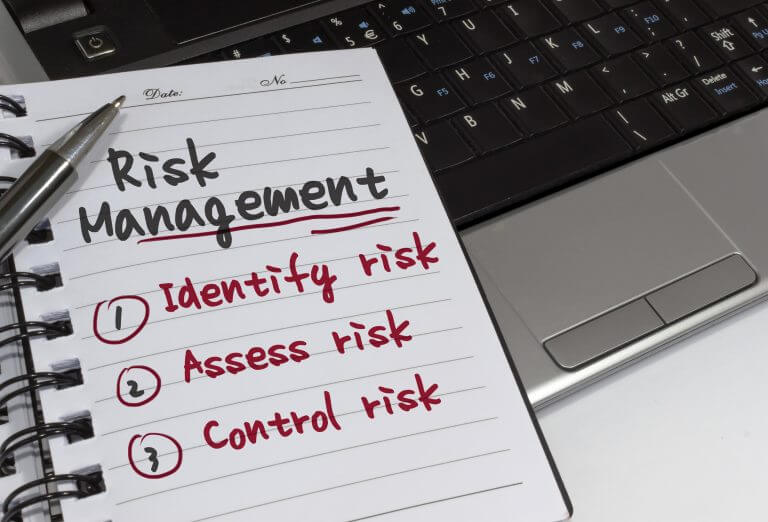
Risk Management in Resource Planning
Effective risk management is crucial for successful resource planning in projects. By identifying potential risks and implementing strategies to mitigate them, you can safeguard project outcomes. Proper risk analysis and contingency planning further enhance your ability to manage uncertainties.
Identifying Potential Project Risks
The first step in risk management is recognising the potential project risks you might face. Consider the following categories:
- Technical risks: Issues related to technology or tools may arise.
- Financial risks: Budget overruns or unexpected costs can threaten project viability.
- Operational risks: These may include resource shortages or scheduling conflicts.
- External risks: Factors outside your control, such as regulatory changes or market conditions, need to be assessed.
To uncover these risks, conduct brainstorming sessions with your team, consult with stakeholders, and review similar past projects. Documentation is key; maintain a risk register to track and evaluate identified risks.
Mitigating Risks Through Strategic Resource Allocation
Once you’ve identified risks, focus on mitigating them through strategic resource allocation. Here are some methods to consider:
- Prioritisation: Assess the likelihood and impact of risks. Allocate resources first to high-priority areas.
- Expertise: Utilise team members with specialised skills to manage complex aspects of a project.
- Flexibility: Maintain a buffer in your resource allocation. This allows you to adapt quickly if issues arise.
Being proactive in assigning your resources can make a significant difference. Consider using project management software to help monitor resource utilisation and identify when reallocating might be necessary.
Risk Analysis and Contingency Planning
Conducting thorough risk analysis is essential. Use techniques such as:
- SWOT analysis: Identify project strengths, weaknesses, opportunities, and threats.
- Sensitivity analysis: Understand how changes in variables affect project outcomes.
Additionally, develop a robust contingency plan for high-risk scenarios. This plan should outline:
- Alternative actions: Predefined responses to specific risks.
- Resource reallocation: Strategies for moving resources in response to unforeseen issues.
- Communication plans: Ensure all stakeholders are informed of potential risk impacts.
Having these systems in place reinforces your project management framework, giving you a clearer path forward.
Resource Management Challenges and Solutions
Effective resource management is essential for the success of any project. You will face various challenges, such as resource allocation, shortages, and conflicts. Finding practical solutions will lead to smoother project execution.
Overcoming Obstacles in Resource Allocation
Resource allocation can be complex. You need to identify which resources are necessary for each phase of a project. Start by listing all required resources, including personnel, materials, and technology.
Next, assess the availability of these resources. Use tools like Gantt charts or resource management software to create a clear visual of your allocations. It’s crucial to communicate with team members to understand their needs fully.
Dedicate time to monitor the progress of resource use. Regularly reviewing allocations helps to identify any issues early. Be ready to adjust your plans as challenges arise to ensure resources are optimally utilised.
Addressing Resource Shortages and Conflicts
Resource shortages can lead to project delays. Identify potential bottlenecks in advance by conducting a thorough risk analysis. This approach helps you to foresee potential conflicts and plan accordingly.
When confronted with a shortage, prioritise project tasks based on urgency and impact. Use alternative resources or adjust timelines where possible. For example, you may need to redistribute tasks among team members to alleviate pressure.
Clear communication is vital during conflicts. Encourage open dialogue among team members to address issues swiftly. You might find that brainstorming solutions together can lead to efficient outcomes, minimising project disruptions.
Leveraging Expertise from Subject Matter Experts
Subject matter experts (SMEs) can provide valuable insights for identifying and managing resources. You should engage SMEs early in the project to ensure their knowledge informs your resource management strategy.
When working with SMEs, define clear roles and expectations. This clarity helps to streamline communication and ensures everyone is aligned. Encourage them to share their insights on resource allocation and potential challenges.
Tap into their experience to develop contingency plans. SMEs can guide you in making informed decisions when faced with unexpected changes. By leveraging their expertise, you can enhance resource management and increase the likelihood of project success.
Conclusion
Identifying key resources for future projects involves a structured approach. Reflect on previous experiences to avoid past mistakes.
Best Practices to Implement:
- Define Clear Objectives: Knowing what you aim to achieve helps in resource identification.
- Assess Available Resources: Understand what you have, including skills, technology, and finances.
Effective resource management plays a vital role in ensuring project delivery. It optimises what is available and helps avoid delays.
Key Steps to Follow:
- Prioritise Resources: Focus on resources that align best with project goals.
- Engage Stakeholders: Involve team members in discussions about their resource needs and insights.
Use tools like checklists or spreadsheets to track required resources.
Regularly review your resource allocation to make timely adjustments. This flexibility can significantly enhance project success.
By consistently applying these practices, you will create a stronger foundation for your future projects.
Frequently Asked Questions
Identifying key resources for future projects is essential for effective planning and execution. The following questions address practical steps, types of resources, and strategies that can help you succeed in your project management efforts.
What are the steps to ascertain the necessary resources for a forthcoming project?
To identify necessary resources, begin by defining the project scope. This includes understanding the project goals and objectives.
Next, create a detailed task list. Break down the project into specific activities and note the resources each task requires.
Finally, consult with your team and stakeholders. Their insights can help ensure you have considered all possible resource needs.
Could you delineate the primary types of resources vital for project management?
There are several primary types of resources vital for project management. These include:
- Human Resources: Staff members with the skills needed to complete project tasks.
- Financial Resources: Budget allocated for project expenses.
- Physical Resources: Equipment, materials, and facilities necessary for project delivery.
Each type plays a crucial role in the successful execution of your project.
In what ways can one calculate the requisite resource allocation for a new project?
To calculate resource allocation, start by estimating the time needed for each task. This can be done using expert judgement or historical data.
Then, determine the availability of resources. Check your team’s schedule to see who can contribute and when.
Finally, use this information to create a resource plan. This plan should outline how many units of each resource you’ll need for every phase of the project.
What strategies are employed to systematically plan resource distribution in project management?
Systematic planning of resource distribution involves several strategies. One effective method is using project management software. This can help you keep track of resource allocation in real-time.
Another strategy is to create a resource histogram. This visual representation can clarify when each resource is needed throughout the project timeline.
Regularly review and adjust your plan. This ensures that you stay aligned with project demands and can respond to changes effectively.
How does one exemplify the identification of resources within project planning?
Identifying resources in project planning can be exemplified by conducting a resource requirements analysis. Start by mapping out all project tasks and their dependencies.
Next, specify the exact resources needed for each task. This could include personnel, materials, and tools.
Document your findings in a resource allocation matrix. This matrix makes it easy to visualise and manage resource assignments throughout the project lifecycle.
What are the three most critical resources one must secure for the successful execution of any project?
The three most critical resources for project success are:
- Skilled Personnel: Having the right team ensures tasks are completed effectively.
- Adequate Funding: Financial support is essential to cover all project costs and prevent delays.
- Appropriate Tools and Equipment: Access to the necessary tools allows for efficient task completion and quality output.