Monitoring and managing quality within a project is crucial for success. By establishing clear quality standards and implementing effective monitoring methods, you can ensure that your project meets its goals and satisfies stakeholders. Achieving quality is not just about avoiding mistakes; it’s about creating processes that enhance the overall project outcome.
To effectively manage quality, you should begin with a solid quality plan that outlines your objectives and the steps needed to achieve them. As you execute the project, continuously monitor deliverables and be ready to make corrections when necessary. This proactive approach not only identifies potential issues early but also helps in refining project processes for better results.
In today’s digital landscape, leveraging technology can significantly enhance your quality management strategies. From data analysis tools to project management software, modern solutions allow you to track quality metrics and improve efficiency. This combination of planning, implementation, and continuous monitoring sets the foundation for successful project execution.
Key Takeaways
- Establish clear quality standards to guide project execution.
- Continuously monitor deliverables and adjust as needed.
- Use technology to improve quality management efficiency.
Foundations of Quality in Project Management
Quality is a key element in project management that affects outcomes and customer satisfaction. You must understand how to manage and monitor quality effectively to ensure project success. Both quality management and quality assurance play vital roles in this process.
Defining Quality and Its Importance
Quality refers to how well a project meets its requirements and satisfies customer expectations. It includes both the product’s features and its performance. High-quality standards lead to better outcomes, less rework, and higher customer satisfaction.
In project management, defining quality involves setting clear standards. This helps everyone on the team understand what is required. Key aspects of quality include durability, functionality, and reliability. When these are met, projects are more likely to succeed and meet stakeholders’ needs.
Understanding Quality Management
Quality management involves all the activities aimed at maintaining quality in a project. This includes both quality assurance and quality control. Quality assurance focuses on preventing defects by implementing a strong process. It ensures that the right steps are taken during the project.
On the other hand, quality control involves checking the results against the quality standards. This process ensures that deliverables meet expectations. Tools like checklists, audits, and testing can help in this area. As a project manager, you must balance both to achieve project quality effectively. Through proper quality management, you contribute to higher customer satisfaction and project success.
Planning for Quality
Effective quality planning ensures that your project meets both stakeholder expectations and regulatory requirements. This involves creating a structured approach to quality management, setting clear objectives, and establishing standards that guide project work.
Developing a Quality Management Plan
A Quality Management Plan (QMP) outlines how quality will be managed throughout your project. This document should detail the processes for quality assurance and control.
Your QMP should include:
- Project Requirements: Clearly define what the project aims to achieve.
- Acceptance Criteria: Specify the conditions under which the deliverables will be accepted.
- Regulatory Requirements: List any laws or guidelines that the project must adhere to.
This plan acts as a roadmap, guiding your team and ensuring that quality is consistently monitored and managed throughout the project lifecycle.
Setting Quality Objectives
Quality objectives are specific, measurable goals that help you track the quality of your project. These objectives should align with the overall goals of the project.
When setting these objectives, consider:
- SMART Criteria: Ensure each objective is Specific, Measurable, Achievable, Relevant, and Time-bound.
- Stakeholder Input: Engage stakeholders to understand their expectations and incorporate their feedback.
Clearly defined quality objectives will help you assess project progress and determine if adjustments are needed.
Establishing Quality Standards
Quality standards provide the benchmarks for measuring project quality. These can be derived from industry standards, regulatory requirements, or organisational policies.
You should focus on:
- Documented Standards: Identify standards relevant to your project (e.g., ISO standards).
- Continuous Improvement: Encourage ongoing evaluation of processes to enhance quality.
Implementing clear quality standards allows you to maintain consistency, improve performance, and achieve desired project outcomes. By adhering to these standards, you can ensure that all project activities align with your quality management goals.
Implementing Quality Assurance
Implementing quality assurance is essential for ensuring that your project meets its standards and objectives. By focusing on specific quality assurance activities and monitoring for compliance, you can enhance project outcomes and encourage continuous improvement.
Conducting Quality Assurance Activities
You should start by defining clear quality assurance activities that align with your project’s goals. This involves setting specific quality criteria and standards that need to be met.
Key activities include:
- Quality Audits: Regularly review project processes and outcomes to ensure they align with established standards.
- Training: Provide necessary training for your team to maintain quality awareness and skills.
- Checklists: Develop detailed checklists for tasks to ensure all aspects meet quality expectations.
These activities should be documented and reviewed continuously to identify areas for improvement. Make use of feedback loops, where team members can suggest improvements to processes, emphasising a culture of continuous improvement.
Monitoring for Compliance
Monitoring compliance is crucial to ensuring all quality assurance activities are performed as planned. You need to establish a framework for tracking adherence to your quality processes.
Effective methods include:
- Regular Inspections: Conduct inspections at various stages of your project to verify adherence to quality standards.
- Performance Metrics: Use measurable indicators to assess whether quality targets are being met. This can include error rates or customer satisfaction scores.
- Reporting Systems: Create a system for reporting quality issues in real-time, allowing for quick responses and corrections.
By maintaining strict monitoring, you can quickly address any non-compliance issues, ensuring your project stays on track to meet its objectives.
Monitoring Project Deliverables
Monitoring project deliverables involves ensuring that all project outputs meet established quality standards. You will need to use specific tools and techniques, analyse data effectively, and maintain positive relationships with stakeholders to achieve this.
Utilising Quality Control Tools
Quality control tools are essential for monitoring project deliverables. Tools like checklists help ensure that every task is completed correctly, while control charts allow you to track performance over time.
You might also use a Pareto chart to identify the most common issues affecting quality. A cause and effect diagram helps pinpoint the root causes of problems. By applying these tools, you can ensure that your deliverables align with quality metrics and project goals, leading to improved outcomes.
Analysing Performance Data
Data analysis is crucial for monitoring the performance of your project’s deliverables. Collect data on key performance indicators (KPIs) to measure how well the project is progressing.
You should focus on trends and anomalies that may indicate quality issues. For instance, if a quality metric falls below expected levels, investigate the underlying causes. By analysing this data regularly, you can identify areas that require attention, ensuring that you keep the project on track.
Maintaining Stakeholder Satisfaction
Keeping stakeholders satisfied is key to the success of any project. You should regularly communicate project progress and quality status to them.
Understanding stakeholder expectations allows you to address concerns before they escalate. Utilise performance data to reassure stakeholders that you are meeting quality standards. When stakeholders see that you are committed to monitoring deliverables closely, their trust and satisfaction will grow, benefiting the overall project.
Executing Corrective Actions
Effective monitoring of quality involves not only identifying issues but also implementing strong corrective actions. You must understand the processes needed to tackle quality problems and ensure that your team is prepared for continuous improvement.
Identifying and Addressing Quality Issues
Start by systematically identifying quality issues. Use data from project performance measurements or feedback from team members. Key tools such as root cause analysis and failure mode effects analysis can help pinpoint the reasons for defects.
Once you identify these issues, address them promptly. Document the problems clearly and communicate them to your team. Involve relevant stakeholders in discussions to cultivate a comprehensive understanding of the problems.
Taking action early prevents small issues from escalating. Adopting a prevention over inspection mindset reduces the need for frequent quality checks. This proactive approach helps maintain higher quality standards throughout the project lifecycle.
Applying Remedial Processes
Implementing remedial processes is essential for effective corrective action. Start by developing a corrective action plan. This plan should outline specific steps, responsibilities, and timelines to address the identified quality issues.
Use a structured approach to ensure effectiveness. A common method is to follow the Plan-Do-Check-Act (PDCA) cycle. This ensures continuous monitoring and adjustment of your efforts.
Also, encourage team members to provide feedback on the process. Open communication supports ongoing process improvement. Regularly review the effectiveness of the actions taken and adjust as necessary to prevent recurrence of the issues.
Leveraging Technology for Quality Management
Technology plays a crucial role in managing and monitoring quality in a project. From software solutions that streamline processes to tools that facilitate data-driven decisions, leveraging these resources can enhance project outcomes.
Project Management Software
Project management software can significantly improve your ability to monitor quality throughout a project. Tools such as Gantt charts and Kanban boards allow you to visualise timelines and task progress. This helps ensure that quality checkpoints are met at various stages.
You can assign specific quality tasks within the software, enabling team members to focus on critical quality measures. Regular updates and reminders can keep the team aligned, allowing everyone to address potential issues promptly. The ability to generate reports from project management software also offers insights into trends and areas for improvement.
Quality Control Templates
Utilising quality control templates is essential for maintaining consistent standards. These templates provide structured frameworks for inspections, audits, and reviews. They help you outline specific criteria that must be met, ensuring that checks are thorough and uniform.
You can customise templates to fit the specific needs of your project, including checklists and scoring systems. Using these templates, you can track compliance and identify any deviations from quality standards. This not only simplifies the documentation process but also facilitates effective communication among team members regarding quality expectations.
Data-Driven Decision Tools
Data-driven decision tools empower you to make informed choices based on real-time data. Analytics software can collect and evaluate project data to identify trends and potential quality issues. By assessing this information, you can make adjustments before problems escalate.
Implementing dashboards allows you to monitor key performance indicators (KPIs) related to quality. Having this data readily available enables you to respond swiftly to any discrepancies. You can also utilise historical data to refine future projects, ensuring a continuous improvement loop in your quality management practices.
Optimising for Continuous Improvement
Focusing on continuous improvement is vital for your project’s success. By building a culture of quality and fostering efficient workflows, you can ensure that your project meets its goals and adapts to changes effectively.
Adopting a Culture of Quality
To enhance quality in your project, start by fostering a culture that prioritises it. Encourage every team member to take ownership of their work. This involves being accountable for both successes and failures.
Implement regular training sessions to keep everyone updated on best practices. Use tools like quality checklists and feedback loops to maintain standards. Make sure to celebrate successes, which motivates team members to uphold quality.
Encourage open communication about processes. When team members feel comfortable discussing problems, it leads to better solutions. Integrate quality metrics into performance evaluations, which highlights the importance of quality improvement.
Fostering Efficient Workflows
Streamlining your project’s workflows is key to continuous improvement. Start by identifying bottlenecks through process mapping. This helps you visualise where delays occur and allows you to address them effectively.
Implementing agile methodologies can enhance efficiency. They promote flexibility and rapid adjustments in workflows as project conditions change. Break tasks into smaller, manageable units, which allows for quicker feedback and iterative improvements.
Set clear objectives for your team. Well-defined goals help in tracking progress and maintaining focus. Regularly review these objectives and adjust them based on project demands, ensuring ongoing quality enhancement.
Utilising project management software can help monitor tasks and streamline communication. This improves team collaboration and keeps everyone aligned, paving the way for superior project quality management.
Understanding the Cost of Quality
The cost of quality represents the total expense of ensuring your project meets quality standards. This includes both costs from failures and investments in prevention. By assessing these areas, you can avoid overspending and improve project outcomes.
Evaluating Failure Costs
Failure costs are expenses that arise when a project does not meet quality standards. These costs can be broken down into internal and external categories. Internal failure costs occur before delivery, such as rework or scrap. External failure costs arise if a defect is found after delivery, leading to returns, repairs, or loss of reputation.
To manage these costs effectively, track quality management activities closely. This can involve using tools like quality control charts or conducting regular audits. Understanding these expenses helps you identify areas needing improvement and can drive resistance to change if stakeholders feel threatened by costs. Balancing quality and budget is essential for project success.
Investing in Prevention Costs
Investing in prevention costs is key to minimising failure costs. Prevention costs include all expenses related to quality management activities aimed at avoiding defects. This can include training, process improvement, and quality planning.
By allocating resources to prevention, you can reduce long-term costs associated with failure. This investment fosters a quality-focused culture within your team. However, some projects may struggle with insufficient resources or management support, leading to underfunded prevention efforts. You must show how these costs save money over time by avoiding costly errors and improving project delivery. Investing wisely can lead to superior project quality and customer satisfaction.
Assessing Project Success and Quality
To ensure a project meets its goals, you must assess both its success and quality. This involves measuring the outcomes against expectations and evaluating customer feedback to make informed decisions.
Measuring Project Outcomes
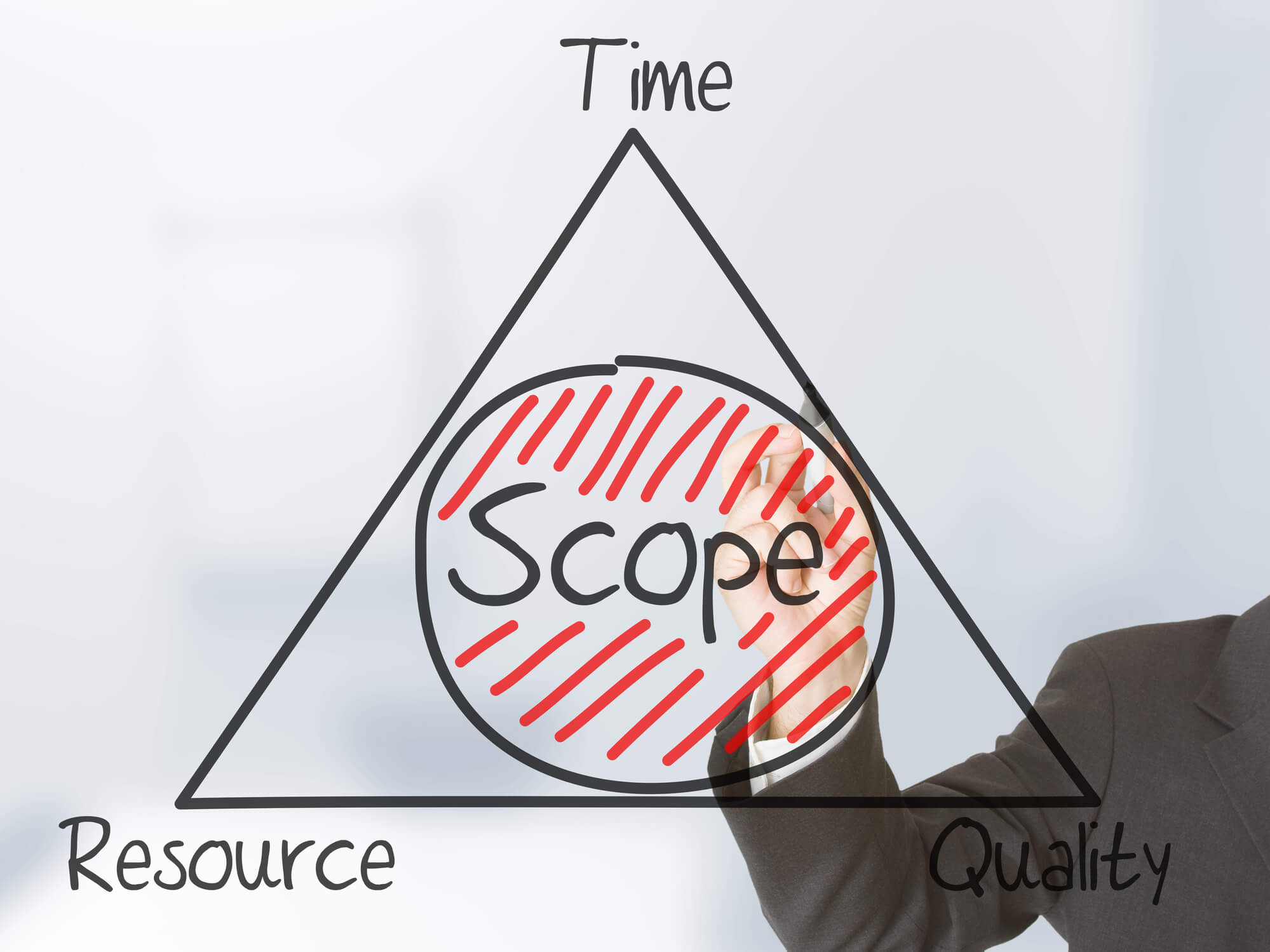
Measuring project outcomes helps you determine if your project has achieved its goals. You can use specific metrics, such as time, cost, and quality, to assess success.
- Time: Was the project completed on schedule? Delays can impact overall effectiveness.
- Cost: Did you stay within budget? Tracking expenses is key to managing project quality.
- Quality: Assess whether the project outputs meet set standards and specifications.
Data from these metrics can inform future projects. Regular assessments during project execution can also highlight areas needing improvement.
Evaluating Customer Feedback
Customer satisfaction is critical to understanding project success. Actively seeking feedback can provide insights into how well your project meets client needs.
You might use surveys, interviews, or focus groups. Ask questions about:
- Overall satisfaction
- Specific project outputs
- Areas for improvement
Categorising feedback allows you to analyse trends and pinpoint issues. Positive responses highlight strengths, while negative comments indicate areas needing attention. This feedback loop can guide adjustments and enhance future project quality. Regularly engaging with customers ensures their requirements are met, leading to improved satisfaction and success in your projects.
Frequently Asked Questions
Managing quality in a project is crucial for its success. You need to focus on specific steps, techniques, and methods to ensure quality throughout the project’s lifecycle.
What are the essential steps in managing quality within a project?
To manage quality effectively, you should start by clearly defining what quality means for your project. Set measurable quality objectives and engage stakeholders in the process.
Next, create a quality management plan that outlines the procedures and standards to follow. Regularly monitor and evaluate progress against these standards to ensure compliance.
How do you implement effective quality control in a project setting?
Implementing quality control requires consistent monitoring of project outputs. Use tools like checklists, inspections, and testing to assess whether the deliverables meet established quality criteria.
Encourage open communication among team members to quickly identify and address any quality issues that arise during the project execution.
What methods can be used to ensure continual quality improvement in project management?
To promote continual quality improvement, adopt methodologies such as Plan-Do-Check-Act (PDCA) cycles. Regularly review project performance and gather feedback from stakeholders to identify areas for enhancement.
Incorporating lessons learned from previous projects can also help refine processes and prevent recurring issues.
In what ways can project quality management be integrated into the overall project plan?
Integrating quality management into your project plan involves aligning quality objectives with project goals. Ensure that quality considerations are included in the planning phase and throughout the project execution.
Assign responsibilities for quality management to specific team members to keep everyone accountable for maintaining quality standards.
How can the effectiveness of a project’s quality management processes be measured?
You can measure the effectiveness of quality management processes through performance metrics. Use key performance indicators (KPIs) such as defect rates, customer satisfaction scores, and adherence to schedules and budgets.
Conduct regular audits and reviews to determine if your quality management strategies are being followed effectively.
What role does risk management play in maintaining project quality?
Risk management is essential for maintaining project quality as it allows you to identify potential issues before they escalate. Assess risks related to quality early in the project and develop mitigation strategies.
By proactively managing risks, you can prevent quality problems and ensure that your project’s deliverables meet the required standards.