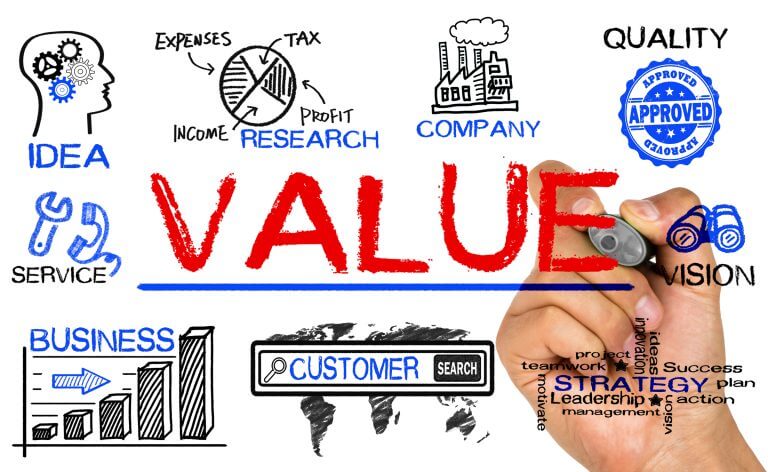
Understanding Customer Value Management (CVM) is vital for any business. It focuses on how to maximise the value delivered to customers while improving your company’s profitability. The benefits of CVM include enhanced marketing strategies, strengthened customer relationships, and better decision-making based on data. By integrating CVM into your practices, you can create a winning formula that not only attracts customers but also keeps them coming back.
CVM helps businesses tailor their products and services to meet customer needs effectively. It enhances the alignment between marketing strategies and customer expectations, leading to increased satisfaction and loyalty. By harnessing data, you can gain insights that drive your sales and product development, making your offerings more appealing and relevant.
As you explore the world of CVM, you’ll uncover numerous case studies showcasing its impact. These success stories highlight how organisations have used CVM to foster long-term relationships with customers and achieve remarkable results in profitability and cost management.
Key Takeaways
- CVM maximises the value you deliver to customers and boosts profitability.
- Implementing CVM can strengthen your marketing strategies and customer relationships.
- Data-driven insights from CVM support effective sales and product development.
The Essentials of Customer Value Management
Customer Value Management (CVM) is crucial for maximising the value that customers receive, while also enhancing your organisation’s profitability. The key components involve understanding what customers find valuable, effectively communicating those benefits, and managing the customer lifecycle to foster strong relationships.
Defining Customer Value Management
Customer Value Management focuses on creating a clear understanding of what drives value for your customers. At its core, CVM helps to identify and deliver the products or services that meet customer needs and expectations. This approach involves analysing customer behaviours and preferences.
You need to consider factors such as quality, price, and service. By understanding these elements, you can tailor your offerings. This ensures that customers feel they are receiving significant value. CVM aims to optimise marketing efforts by focusing on value rather than just sales figures.
The Customer Value Proposition
The customer value proposition (CVP) is essential in CVM. It defines why customers should choose your offerings over competitors’. A strong CVP clearly articulates the benefits and unique features of your products or services.
To develop a compelling CVP, identify the key benefits that resonate with your target audience. This could be superior quality, lower costs, or exceptional customer service. Make sure to communicate these elements effectively across all marketing channels.
A well-defined CVP not only attracts customers but also builds trust. When customers understand the value you offer, they are more likely to engage with your brand.
Understanding Customer Lifecycle
The customer lifecycle involves the stages a customer goes through when interacting with your business. Understanding this lifecycle helps in managing relationships and maximising customer value.
The stages include awareness, consideration, purchase, retention, and advocacy. Each stage requires different strategies.
During the awareness stage, create informative content that captures interest. In the retention stage, focus on excellent customer service and follow-up. This approach ensures customers remain loyal and potentially become brand advocates.
By effectively managing each stage of the customer lifecycle, you can improve satisfaction and increase the customer’s lifetime value.
Marketing Strategies Enhanced by CVM
Using the Contingent Valuation Method (CVM) can significantly boost your marketing strategies by providing deeper insights into customer preferences, enabling better segmentation, and refining media approaches. This method helps you understand the value your customers place on certain features, which can inform various marketing tactics.
Customer-Centric Marketing
CVM allows you to place the customer at the heart of your marketing strategies. By gathering data on customer willingness to pay, you can tailor your product offerings to meet specific demands. This customer-centric approach leads to improved satisfaction and loyalty.
For instance, if a CVM study reveals that customers prioritise eco-friendly packaging, you can adjust your product design accordingly. This not only enhances customer experience but also positions your brand as socially responsible.
Engaging with customers through surveys and feedback can further refine your understanding, enabling you to develop products that genuinely resonate with your audience.
Segmentation and Targeted Marketing
CVM is valuable for segmentation, allowing you to identify distinct customer groups based on their preferences and values. This targeted marketing approach ensures that you direct your resources more effectively.
For example, you can segment customers based on their willingness to pay for premium features. Knowing this, you can create tailored campaigns that address the unique needs of these segments. Using this data, you can develop dedicated promotions for high-value customers, enhancing engagement with your more profitable segments.
Furthermore, this approach can also help in minimising marketing spend as you focus on groups most likely to convert.
Media and Promotion Techniques
Understanding your customers through CVM can enhance your media and promotion strategies. With insights into customer preferences, you can choose the most effective channels for reaching your audience.
For example, if your research indicates that younger customers prefer social media platforms, you can concentrate your advertising efforts there. Tailoring your messages based on customer insights will make your promotions more relevant.
Additionally, CVM can inform the timing and content of your campaigns, optimising returns on your marketing investment. Highlighting features that your customers value will lead to higher engagement and conversion rates.
Sales and Product Development Synergies
CVM can significantly enhance both the sales cycle and product development. By utilising customer insights, you can achieve greater efficiency in sales processes and drive innovation in product offerings, solidifying your competitive advantage.
Boosting Sales Cycle Efficiency
With CVM, you can streamline your sales cycle. By focusing on customer value, your team can identify the most profitable segments and tailor their approach accordingly.
When you understand what your customers value, you can align your sales strategies to meet those needs. This targeted approach helps reduce time spent on unqualified leads.
Key strategies include:
- Customer segmentation: Identify your most valuable customers and their preferences.
- Personalised communication: Tailor messages to address specific customer needs.
- Sales training: Equip your team with insights from CVM to enhance their effectiveness.
These strategies can result in shorter sales cycles and improved conversion rates.
Innovation in Product Development
CVM also plays a crucial role in driving innovation in product development. By understanding customer needs and preferences, you can create products that offer real value.
Incorporating customer feedback into your development process allows for rapid iteration and improvement. You create products that resonate with your market, increasing the chances of success.
Focus areas might include:
- Prototyping: Develop versions of products based on customer insights.
- Testing: Use customer feedback to refine products before full launch.
- Collaboration: Involve customers in the development process for deeper insights.
By leveraging these practices, your products can stand out in a competitive market.
Long-term Customer Relationships
Fostering long-term customer relationships is essential for any business aiming for sustained success. By prioritising effective customer service and focusing on customer retention and loyalty, you can strengthen your business relationships and ensure continued growth.
The Role of Customer Service
Customer service plays a crucial part in maintaining long-term relationships. When you provide excellent support, customers feel valued and appreciated. This creates a positive impression, encouraging them to return.
Key aspects of effective customer service include:
- Responsiveness: Quick replies to inquiries help customers feel important.
- Personalisation: Tailoring interactions shows you understand their needs.
- Problem Solving: Effectively addressing issues builds trust and confidence.
When customers are satisfied with their service experience, they are more likely to develop a connection with your brand. This connection can lead to increased loyalty, making them advocates for your business.
Customer Retention and Loyalty
Retaining customers is more cost-effective than acquiring new ones. By focusing on customer retention, you can reduce marketing and onboarding costs while increasing overall profitability.
Strategies to enhance retention include:
- Rewards Programs: Offering incentives for repeat business encourages continued patronage.
- Communication: Regular updates and personalised messages keep your brand top-of-mind.
- Feedback Loops: Actively seeking and implementing customer feedback demonstrates commitment to improvement.
Customer loyalty is built through consistent positive experiences. When customers feel a strong bond with your brand, they are less likely to switch to competitors. This loyalty can significantly boost your business’s long-term success.
Profitability and Cost Management
Focusing on profitability and effective cost management can significantly enhance your business’s performance. You can achieve this through a detailed analysis of customer lifetime value and strategies for cost savings and risk mitigation.
Analysis of Customer Lifetime Value
Understanding customer lifetime value (CLV) is essential for determining how much you can invest in acquiring and retaining customers. CLV estimates the total revenue a customer will generate throughout their relationship with your business.
By calculating CLV, you can make informed decisions about pricing strategies and marketing expenses. For instance, if a customer’s CLV is high, you can justify spending more on marketing to acquire similar clients.
To calculate CLV, consider factors like average purchase value, purchase frequency, and customer lifespan. This analysis allows you to tailor your services and improve customer retention efforts, ultimately driving revenue growth.
Cost Savings and Risk Mitigation
Adopting cost-saving measures can enhance your profitability while reducing risk. Efficient cost management helps you identify areas to cut expenses without sacrificing quality.
Strategies such as negotiating better prices with suppliers or optimising your production processes can lead to significant savings. Additionally, monitoring operational costs regularly allows you to react quickly to unexpected expenses, minimising financial impact.
Risk mitigation also plays a crucial role. By investing in insurance or diversifying your product offerings, you protect your business from unforeseen events that could affect your revenue. Using the Contingent Valuation Method, you can assess the value of these risks and make smarter financial decisions.
Implementing these practices can ensure your business remains profitable and resilient in the face of challenges.
Harnessing Data for CVM
Data plays a crucial role in Customer Value Management (CVM). By using customer data wisely, you can improve engagement and boost conversion rates. Understanding customer behaviour helps you tailor your approach, leading to better outcomes such as upsells and customer loyalty.
Leveraging Customer Data
You can gather various types of customer data, including demographic information, purchase history, and preferences. This information helps you create profiles for your customers.
Ways to Collect Useful Data:
- Surveys
- Social media feedback
- Purchase records
With this data, you can identify trends and patterns. For instance, knowing what products customers frequently buy can help you suggest similar items. This customisation not only enhances the customer experience but also increases the likelihood of upsells. When customers feel understood, they are more likely to return.
Data-Driven Customer Engagement
Using data effectively allows you to engage customers in meaningful ways. By analysing customer behaviour, you can send targeted promotions to the right people at the right time.
Benefits of Data-Driven Engagement:
- Improved conversion rates
- Increased customer satisfaction
- Enhanced loyalty
You can also determine the best communication channels for each customer, whether through email, text, or social media. This targeted approach helps you build stronger relationships. Moreover, you can track engagement metrics to refine your strategies and ensure they remain effective.
CVM Implementation and Success Stories
Implementing Customer Value Management (CVM) can lead to significant benefits across various industries. You will see how different sectors utilise CVM strategies effectively and hear from those who have experienced success firsthand.
CVM in Different Industries
CVM has proven valuable in diverse fields, including telecommunications, e-commerce, and insurance.
- Telecommunications: Companies use CVM to tailor service packages based on customer data. For instance, a UK telecom provider personalised its offerings, leading to a 15% increase in customer retention.
- E-commerce: Retailers apply CVM to analyse shopping habits. One major online store increased sales by 20% by recommending products based on past purchases.
- Insurance: The insurance sector uses CVM for risk assessment. Adopting CVM strategies allows insurers to customise policies, enhancing customer satisfaction and securing loyalty.
- Energy: Utility companies implement CVM to encourage energy conservation. By providing personalised feedback on usage, they reported a 10% decrease in overall consumption.
Case Studies and Customer Testimonials
Real-world applications of CVM showcase its effectiveness. Companies share positive outcomes and valuable insights.
For example, a prominent consumer products firm saw a boost in brand loyalty after launching a CVM programme. They reported a 30% increase in repeat purchases.
Another case study from an energy provider highlights a successful CVM initiative. After using customer feedback to improve services, they gained high satisfaction scores.
These examples underscore how CVM strategies can transform customer relationships across various industries, fostering loyalty and driving sales growth.
Future of CVM
The future of Contingent Valuation Method (CVM) is shaped by digital transformation and its application in sectors like e-commerce and technology. By leveraging these advancements, CVM can enhance value management processes and improve decision-making.
Digital Transformation and E-Commerce
Digital transformation is changing how businesses understand and capture consumer value. With the rise of e-commerce, you can collect data on customer preferences more efficiently. This information can inform your CVM techniques, allowing for better assessments of willingness to pay.
Leveraging data analytics, you can gain insights into customer behaviours and preferences. This aids in tailoring offerings to maximise perceived value. Moreover, digital platforms streamline the CVM process, making it easier to gather responses and analyse data.
You may also witness improvements in the accuracy of valuation estimates as technology evolves. By incorporating real-time feedback, businesses can adjust their strategies promptly, enhancing value discovery and value realisation.
CVM for SaaS and Tech Startups
Software as a Service (SaaS) companies are increasingly adopting CVM to gauge customer value more accurately. In such cases, understanding what customers are willing to pay for specific features is crucial to pricing strategies.
As a tech startup, you can utilise CVM to identify gaps in the market. This helps you tailor your product offerings based on customer feedback during the development phase. Understanding customer needs will guide your value management journey effectively.
Additionally, SaaS companies can implement CVM to monitor user satisfaction continuously. Regular assessments can lead to valuable insights that inform product enhancements. Over time, this can result in higher customer retention rates and increased profitability.
Advancing the Value Management Journey
Improving customer value management (CVM) involves understanding your customers deeply and tracking their journey. By integrating customer feedback and monitoring key touchpoints, you can enhance your overall strategy.
Integrating Customer Interviews
Conducting customer interviews is crucial for gathering detailed insights. These interviews allow you to hear directly from your customers about their needs, preferences, and pain points.
Make sure to prepare open-ended questions that encourage detailed responses. Ask about their experiences with your product or service. This will help you identify areas for improvement.
Consider scheduling regular interviews to ensure you stay updated with changing customer expectations. Document the responses and communicate findings to your team. This information can drive better decision-making across the organisation.
Using insights from customer interviews can strengthen your value management journey by refining customer acquisition strategies. It also fosters a customer-centric culture within your company.
Tracking the Customer Journey
Tracking the customer journey involves examining every interaction your customers have with your brand. From initial awareness to purchase and beyond, each touchpoint matters.
Utilise customer relationship management (CRM) systems to gather data on customer interactions. This data provides insights into customer behaviour and preferences.
Identify key stages in their journey and focus on improving these touchpoints. For example, you can analyse response times in communication or the ease of navigating your website.
By optimising these areas, you enhance the overall customer experience, leading to increased loyalty and retention. Regularly reviewing and adjusting your approach will keep you aligned with customer needs and expectations.
Technology and Tools for CVM
Utilising effective technology and tools is essential for optimising Customer Value Management (CVM). These tools help you manage customer relationships, assess value delivery, and create a more customer-centric approach to your business.
Customer Relationship Management Systems
Customer Relationship Management (CRM) systems play a crucial role in CVM. They help you collect and store customer data, allowing you to track interactions and preferences. With a CRM, you can segment your customers based on their value and tailor your approach accordingly.
CRM systems enable personalised communication, which enhances customer satisfaction. By leveraging customer data, you can identify trends and behaviours that inform your value propositions. This strategic approach ensures you’re addressing the specific needs of each customer, leading to better retention and increased loyalty.
Analytics and Reporting
Analytics and reporting tools provide valuable insights into your customer base and their preferences. With these tools, you can analyse customer behaviour and assess the effectiveness of your value delivery initiatives. Data visualisation helps you present findings clearly, enabling informed decision-making.
You can measure key performance indicators (KPIs) related to customer value, such as customer lifetime value (CLV) and return on investment (ROI). These insights help you refine your strategies and ensure that you focus your efforts on high-value customers. By making data-driven decisions, you can foster a stronger, customer-centric organisation.
Frequently Asked Questions
Understanding Customer Value Management (CVM) can help you recognise its practical benefits in various domains. The following questions address the specific advantages, strategies, and contributions of CVM to businesses, particularly in marketing and growth.
What are the advantages of implementing Customer Value Management in businesses?
Implementing CVM can improve customer loyalty by identifying what matters most to your customers. It allows you to tailor your offerings to meet their needs effectively, enhancing satisfaction and retention rates.
How can telecom companies benefit from Customer Value Management strategies?
Telecom companies can use CVM to analyse customer behaviours and preferences. By understanding these factors, you can create targeted promotions and personalised services that boost customer engagement and reduce churn.
In what ways does Customer Value Management contribute to effective marketing?
CVM provides valuable insights into customer segments and their needs. This information enables you to craft marketing campaigns that resonate with specific audiences, increasing conversion rates and return on investment.
Can you outline the significance of Customer Value Management for business growth?
CVM plays a crucial role in identifying high-value customers and understanding their purchasing patterns. By focusing on these segments, you can implement strategies that foster growth and expand your market share.
What are the key benefits of utilising Customer Value Management data?
Using CVM data allows you to make informed decisions based on customer insights. This leads to enhanced product development, better service offerings, and improved overall customer experience.
How does a knowledge base in customer service enhance Customer Value Management?
A strong knowledge base enables your customer service team to respond to queries quickly and accurately. This enhances customer satisfaction and supports CVM initiatives by providing more accurate data for analysing customer needs and preferences.