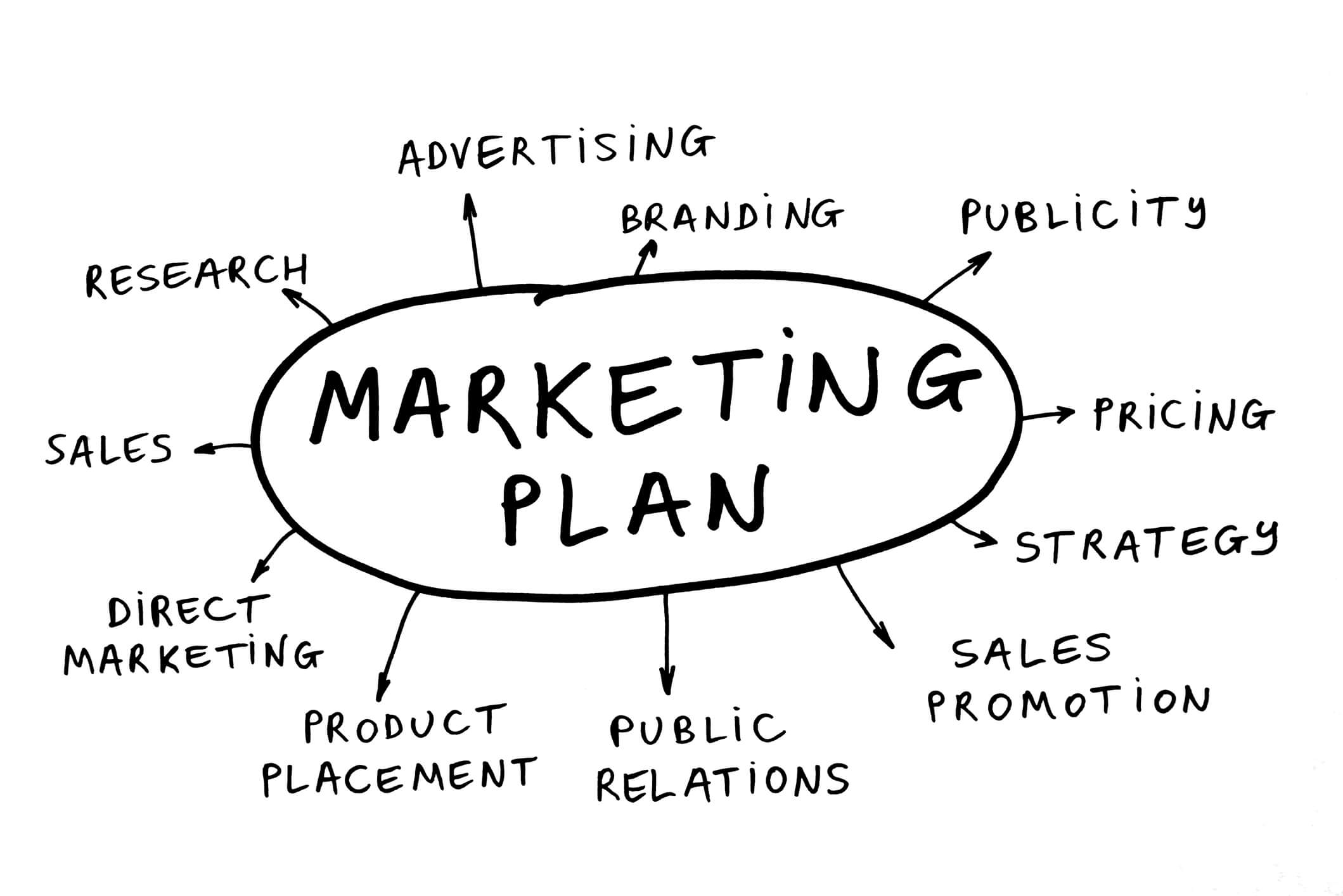
Crafting a solid marketing plan is essential for any business aiming to succeed. A 5 point marketing plan simplifies this process by breaking it down into five clear steps. Each step focuses on a different aspect of marketing, ensuring a holistic approach.
The five points typically include market research, defining target markets, setting clear objectives, creating a marketing strategy, and measuring results. By integrating these steps, you create a comprehensive roadmap for your business, ensuring alignment and focus on your marketing efforts.
Understanding the fundamentals and developing a detailed plan will set your business up for success. Incorporating digital marketing elements and utilising effective templates can also enhance your strategy. The ability to measure success and adjust tactics is critical for continuous improvement.
Key Takeaways
- A 5 point marketing plan simplifies the marketing process
- Clear objectives and a defined strategy are crucial
- Measuring results and adjusting tactics ensures ongoing success
Understanding Marketing Plan Fundamentals
A marketing plan is essential for achieving business goals and ensuring the success of your marketing efforts. By clearly defining your strategy and objectives, you can create a roadmap to success.
Defining a Marketing Plan
A marketing plan is a document that outlines the marketing strategy, goals, and tactics for a specific timeframe. This plan helps you organise your efforts and allocate resources efficiently. Key components include market research, target audience, marketing objectives, and the tactics you will use to achieve these objectives.
Your marketing plan should be actionable and measurable. Start by identifying your target market and understanding their needs. Then, set clear, specific goals, such as increasing brand awareness or boosting sales by a certain percentage. Break down these goals into smaller, manageable objectives and assign deadlines to track progress.
Importance of Marketing Strategy
A marketing strategy is the backbone of your marketing plan. It provides a framework for your efforts and aligns your goals with your business objectives. A well-defined strategy ensures you are targeting the right audience with the right messages and using the most effective channels.
Developing a strong marketing strategy involves analysing your market and competitors. Understanding your unique value proposition and identifying the most effective tactics for reaching your audience is crucial. These tactics might include content marketing, social media campaigns, or email marketing.
Your strategy should be flexible to adapt to changes in the market. Regularly review and adjust your strategy based on performance metrics to ensure you are on the right track to achieving success. By focusing on a strong strategy, you can drive your marketing efforts towards achieving your business goals.
Developing the 5 Point Marketing Plan
A 5 point marketing plan outlines key elements needed to effectively market your product or service. It includes identifying the target audience, analysing the competition, setting strategies and tactics, budgeting, and measuring results.
Identifying Your Target Audience
Understanding your target audience is crucial. Define who your ideal customers are by looking at demographics like age, gender, location, and income. Also, consider psychographic factors such as lifestyle, values, and interests.
Use surveys, interviews, and market data to gather this information. Create detailed customer personas that embody your ideal customers. Knowing your audience helps you tailor your marketing messages and choose the most effective channels to reach them.
Analysing the Competition
Study your competitors to understand their strengths and weaknesses. Identify who they are, what they offer, and how they market their products. Analyse their marketing strategies to see what works and what doesn’t.
Use tools like SWOT analysis (Strengths, Weaknesses, Opportunities, Threats) to compare your business with theirs. Knowing your competitors’ tactics can help you identify gaps in the market and develop strategies to differentiate your brand.
Outlining Marketing Strategies and Tactics
Develop clear and specific marketing strategies that align with your business goals. Define what you want to achieve, such as increasing brand awareness, generating leads, or boosting sales. Choose tactics that support these strategies, such as social media campaigns, email marketing, or content creation.
Determine which channels will be most effective for reaching your target audience. Create a detailed plan that outlines the steps needed to implement each tactic. Be sure to allocate resources and assign responsibilities to ensure execution.
Setting a Budget and Timeline
Establish a realistic budget that covers all aspects of your marketing plan. Consider costs for advertising, software, staffing, and other necessary expenses. Break down these costs into specific categories to manage spending.
Set a timeline for each tactic to keep your plan on track. Define start and end dates, and set milestones to measure progress. This helps ensure that your marketing efforts are coordinated and completed on schedule.
Measurement and Refinement
It is essential to track the performance of your marketing efforts. Define key performance indicators (KPIs) and metrics that align with your goals. Examples include website traffic, conversion rates, and social media engagement.
Regularly review these metrics to evaluate the success of your strategies and tactics. Make adjustments as needed to improve results. Refining your plan based on data-driven insights ensures that your marketing efforts remain effective over time.
Components of a Comprehensive Marketing Strategy
A comprehensive marketing strategy is built around clear positioning and messaging, effective pricing and distribution, a strong promotional strategy, and well-crafted content and campaigns. Each component plays a vital role in reaching and engaging your target audience.
Product Positioning and Messaging
Product positioning defines how your product stands out in the market. You must identify your unique selling points (USPs) and communicate them clearly. Your messaging should resonate with your target audience and align with their needs and desires.
Consistency is crucial. Whether through advertisements, sales pitches, or social media posts, your messaging should remain uniform. This helps in building brand recognition and trust. Gather customer feedback to tailor your messaging further and address any gaps.
Pricing and Distribution Channels
Your pricing strategy should reflect the value your product offers while remaining competitive. Consider different pricing models such as cost-plus, value-based, or penetration pricing. Your pricing should also reflect market demand and competitor prices.
Distribution channels are vital. Decide between direct sales, online platforms, or retail partnerships. Each channel has its strengths. For example, online platforms can offer wider reach, while retail partnerships could boost credibility. Choose channels that align with your customer behaviour.
Promotional Strategy
Promotion encompasses all tactics used to communicate with your audience. This includes advertising, public relations, and social media engagements. Determine the right mix of channels to amplify your brand message.
Use data analytics to track the performance of your promotional activities. This helps you understand what works and where adjustments are needed. Timing is also essential; plan your promotions to coincide with peak buying periods for better impact.
Content and Campaign Execution
Your content strategy is the backbone of how you connect with your audience. Create engaging and informative content tailored to your target demographic. Blogs, videos, infographics, and social media posts should all work together to tell a cohesive brand story.
Campaign execution requires meticulous planning. Set clear objectives and KPIs to measure success. Use a mix of organic and paid strategies to maximise reach. Regularly review your campaigns, adjusting your tactics based on performance data to ensure ongoing relevance and effectiveness.
A well-rounded marketing strategy covers these key components, helping you effectively reach and engage with your target audience.
Digital Marketing Essentials
To succeed in digital marketing, there are crucial elements you must focus on. These include optimizing your website using SEO techniques, leveraging social media platforms, implementing effective email marketing strategies, and making the most of advertising and paid media.
Website and SEO Implementation
Your website is the cornerstone of your digital presence. It needs to be user-friendly, fast, and mobile-responsive. Ensure that your content is engaging and includes relevant keywords to improve your search engine ranking. Using techniques like meta tags, internal linking, and high-quality content helps boost your SEO.
Including a blog can also help in driving traffic by covering topics relevant to your audience. Monitor web analytics to understand user behaviour and continuously improve areas where users may drop off.
Leveraging Social Media Marketing
Social media platforms offer a direct line to your audience. Use platforms like Facebook, Instagram, Twitter, and LinkedIn to share content, engage with followers, and build community. Tailor your content to each platform’s audience for maximum impact.
Regular posting, responding to comments, and using hashtags can increase visibility. Use social media analytics to track which types of content perform best. Paid strategies like sponsored posts can also extend your reach.
Email Marketing Tactics
Emails are a great way to maintain a direct relationship with your audience. Start by building a strong mailing list through sign-up forms on your website. Segment your audience to send tailored content that meets their needs and interests.
Create compelling subject lines and personalise your emails for better engagement. Regular newsletters, promotional offers, and updates can keep your audience engaged. Employing A/B testing for subject lines and content can optimise performance.
Advertising and Paid Media
Paid media can significantly enhance your digital marketing efforts. Platforms like Google Ads and social media ads allow you to target specific demographics. Define clear goals for your campaigns, whether it’s increasing site traffic or boosting sales.
Select keywords and create compelling ad copy. Monitor the performance of your ads and adjust based on analytics. Don’t forget to set a budget and track your spending to ensure you get the best return on investment.
Creating Effective Marketing Content
To create effective marketing content, focus on developing a strategy that uses various types of media to engage your audience. Key tactics include thorough planning and using a mix of videos, graphics, and blog posts to deliver your message.
Crafting a Compelling Content Marketing Strategy
Creating a strong content marketing strategy involves several key steps. Start with clear objectives. Know what you want to achieve, whether it’s brand awareness, lead generation, or customer engagement. Next, understand your target audience. Research their needs, preferences, and behaviours.
Plans should include a content calendar. This helps you stay organised and consistent. Allocate resources and assign tasks to team members. Consider SEO best practices to ensure your content is easily discoverable online. Use relevant keywords and create high-quality, valuable content that answers your audience’s questions. Measure your results. Track metrics like engagement, shares, and conversion rates. Adjust your strategy based on these insights to improve effectiveness.
Utilising Video, Graphics, and Blog Posts
Videos, graphics, and blog posts each play an important role in a content marketing strategy. Videos are powerful tools for storytelling and demonstrating products or services. Create engaging and informative videos that grab attention. Use high-quality visuals and sound to maintain a professional appearance. Graphics support various content types. Infographics convey complex data in an easy-to-understand format. Use graphics to illustrate key points and make your content more visually appealing.
Blog posts provide in-depth information and establish your brand as an authority. Write informative, well-structured posts with headlines and subheadings. Keep your language simple and direct. Use a mix of long-form and short-form content to cater to different reader preferences.
Measuring Success and Adjusting Tactics
To ensure your marketing plan is effective, you need to measure your success and refine your strategies as needed. This can be done through tracking key metrics and performing thorough reporting and analysis.
Key Metrics and Performance Indicators
Identifying the right Key Performance Indicators (KPIs) is crucial. Common KPIs include conversion rates, customer acquisition costs, and return on investment (ROI).
Metrics allow you to measure how well your tactics are working. For instance, tracking website traffic, email open rates, and social media engagement can show whether your marketing efforts are attracting attention.
Establish specific targets for each KPI, like increasing your conversion rate by 10% over six months. This helps you assess whether you’re meeting your goals and need to adjust tactics.
Reporting and Analysis
Regular reporting is essential to keep track of your KPIs and metrics. Use tools like Google Analytics or CRM software to collect data efficiently.
Analyse the collected data to understand trends and patterns. Look for areas where performance is strong and where there are weaknesses. For instance, if social media engagement improves but sales do not, you might need to adjust your strategy.
Present your findings in clear, actionable reports. Use charts and graphs to make data easier to interpret. This allows you to make well-informed decisions and pivot your tactics to maximise success.
Utilising Templates and Tools
Taking advantage of templates and tools can make creating and implementing a marketing plan more efficient. This section will explore options like marketing plan templates and essential tools for digital marketing.
Marketing Plan Template
A marketing plan template offers a structured outline for planning your marketing strategy. Many templates provide sections for defining objectives, identifying target audiences, setting budgets, and creating action plans. Using a template ensures you cover all critical areas and maintain a consistent format.
For example, a typical marketing plan template might include:
- Executive Summary: Brief overview of the main goals.
- Marketing Objectives: Specific, measurable outcomes you aim to achieve.
- Target Audience: Detailed profiles of the customers you want to reach.
- SWOT Analysis: Evaluation of strengths, weaknesses, opportunities, and threats.
- Marketing Mix (4Ps): Strategies for product, price, place, and promotion.
You can find a free marketing plan template online that fits your needs, saving time and ensuring you don’t miss any important elements.
Digital Marketing Plan Tools
Digital marketing plan tools are essential for executing and tracking your online marketing strategies. These tools help streamline tasks like scheduling posts, tracking metrics, and managing campaigns.
Popular Tools:
- Google Analytics: Monitors website traffic and user behaviour.
- Hootsuite: Manages social media posts across various platforms.
- Mailchimp: Automates email marketing campaigns.
- SEMrush: Conducts SEO audits and tracks keyword performance.
- Canva: Creates engaging social media graphics and marketing materials.
Using these tools, you can efficiently manage your digital marketing efforts and gain valuable insights to optimise your strategy. Each tool offers unique features, so choose those that best align with your marketing objectives and budget.
By integrating these templates and tools into your marketing efforts, you can create a more organised, effective, and measurable plan.
Establishing a Strong Brand and Public Relations
Setting a strong brand and efficient public relations is vital for any marketing plan. Focusing on brand awareness campaigns and managing public relations with the media can help solidify your brand’s presence and reputation.
Brand Awareness Campaigns
Brand awareness campaigns are essential to make your audience familiar with your brand. You aim to make your brand recognisable and memorable.
One effective method is social media marketing. Platforms like Instagram and Twitter allow you to engage directly with your audience, sharing your brand’s story and values.
Another approach is content marketing. Creating valuable content, such as blogs or videos, can showcase your expertise and benefit your audience. Collaborating with influencers can amplify your reach, as they can introduce your brand to their followers.
Be sure to measure your campaign’s success using metrics such as reach, engagement, and conversions. These insights will guide you in refining your strategies.
Managing Public Relations and Media
Managing public relations and media is crucial in maintaining a positive image. Building strong media relations involves creating press releases, hosting events, and maintaining good communication with journalists.
Responding promptly to media enquiries can enhance your reputation and ensure accurate information is shared. Transparency is key: disclose important updates and address any issues openly.
Media training for spokespeople is also important. Ensuring they can effectively communicate your brand’s message will help maintain consistency and reliability.
Monitoring media coverage allows you to stay informed about public perception and swiftly address any negative publicity. Tools like Google Alerts can help you track mentions of your brand.
By focusing on these aspects, you can build a robust brand identity and cultivate favourable public relations.
Scaling and Adapting for Growth
For a business to grow, it needs effective strategies tailored to its size, as well as the ability to add new products and pivot in response to market changes.
Strategies for Small Businesses
Small businesses need practical strategies to scale. Focus on customer retention is key. Loyal customers are cheaper to maintain than finding new ones. Develop a customer loyalty programme or personalised marketing.
Expand your online presence. Use social media, a website, and online advertising. This allows for greater visibility and can attract a wider audience.
Invest in smart hiring. As your business grows, you’ll need to hire the right people. Focus on employees who can multitask and grow with the company.
Incorporating New Products and Services
Adding new products or services can drive growth. Start by conducting market research to identify what customers need and want. This will guide your development process.
Test products with a small audience before a full launch. This feedback helps refine offerings and ensures they meet customer expectations.
Cross-selling and upselling existing customers can be effective. Your current customer base already trusts you, so introducing them to new products can increase sales.
Adapting to Market Changes and Opportunities
Stay aware of market trends and be ready to adapt. Monitor competitors to see what’s working for them. This can provide insights into potential opportunities.
Be flexible with your business model. Sometimes, small changes can yield significant results. This could involve adjusting pricing strategies or exploring new sales channels.
Leverage technology. Use tools and software that help you analyse market data. This can provide valuable insights for making informed decisions and staying ahead of the competition.
Frequently Asked Questions
This section covers essential aspects of the five Ps in marketing strategies and how they impact business success. Each subsection explains a different facet of the five Ps to help you understand their importance and application.
What do the five Ps stand for in marketing strategies?
The five Ps stand for Product, Price, Place, Promotion, and People. These elements form the backbone of any marketing plan and guide how a business positions its offerings, sets pricing, selects distribution channels, promotes products, and engages with customers.
Could you delineate the steps involved in creating a marketing plan?
Creating a marketing plan typically involves several steps. You start with market research to understand your audience and competition. Then, set clear marketing goals, define your target market, develop strategies for each of the five Ps, and outline an action plan. Finally, monitor and adjust your plan based on performance.
Why are the five Ps of marketing essential for a business?
The five Ps are essential because they help businesses cover all critical aspects of marketing. By focusing on Product, Price, Place, Promotion, and People, you ensure a comprehensive approach that can attract and retain customers, influence purchasing decisions, and support overall business goals.
What examples can illustrate the application of the five Ps in marketing?
For example, a coffee shop might focus on a high-quality Product, competitive Price, downtown Place, social media Promotion, and friendly, well-trained People. These elements work together to deliver a consistent brand experience that attracts and keeps customers.
How do the five Ps of marketing influence a business’s approach to market targeting?
The five Ps significantly influence market targeting by determining how you position your product, price it, and where you sell it. They also shape promotional activities and customer engagement strategies. This cohesive approach ensures that your product meets the needs and preferences of your target market.
What does each ‘P’ entail in the context of the 5Ps marketing framework?
Each ‘P’ has a specific role. Product involves what you’re selling, including quality and features. Price covers the cost customers pay and pricing strategy. Place is about distribution and how products reach customers. Promotion includes advertising, sales tactics, and publicity. People focus on the customer service and staff involved in the business.